In This Guide
So you're sitting there, maybe with your registration renewal notice in hand, and that old familiar question pops into your head: does North Carolina require smog checks? If you just moved here from California or New York, you're probably bracing yourself for the hassle. If you've lived here forever, you might be wondering if the rules changed. Let's cut through the confusion right from the start.
The short, direct answer is no, North Carolina does not have a statewide smog check or vehicle emissions testing program for the majority of drivers. That's the big picture. But—and this is a crucial but—it's not a complete free-for-all. The story has a few twists depending on where you live and what you drive. I remember when I first moved here from a state with brutal annual inspections, I kept waiting for the other shoe to drop. It never did, and I spent a solid six months paranoid for no reason.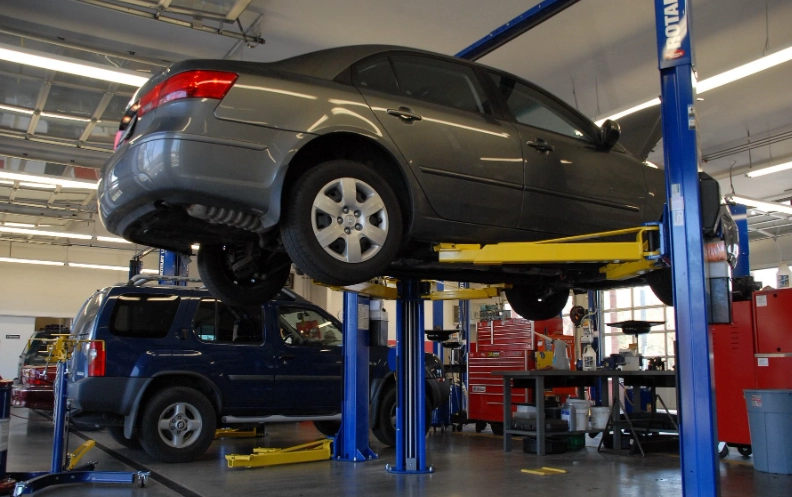
Good news for most: You likely won't need a tailpipe test to register your car in NC.
This lack of a universal program is a major point of relief (and sometimes confusion) for a lot of folks. But why is that? And what do you need to worry about instead? Let's unpack it all.
Why North Carolina Doesn't Have Statewide Smog Tests
This isn't just random. The federal Clean Air Act sets air quality standards, and the Environmental Protection Agency (EPA) identifies areas that don't meet those standards—these are called "nonattainment areas." States are required to create plans to clean the air in those specific spots. North Carolina's air quality, on the whole, has been improving and meets federal standards for the pollutants that typical smog checks target (like ozone and particulate matter) in most counties.
The state's approach has historically been more focused on other strategies. Think about the North Carolina Department of Environmental Quality's Air Quality Division. Their work involves monitoring air, regulating industrial emissions, and promoting programs like the North Carolina Vehicle Emissions Program, which is different from a smog check. This program is about identifying gross polluters through remote sensing and other methods, not forcing every car through an inspection lane.
It's a targeted approach. Instead of making millions of drivers with clean cars go through an annual ritual, they try to find the small percentage of vehicles causing a large chunk of the pollution. Honestly, it makes a lot of sense from an efficiency standpoint, even if it feels a bit invisible to the average driver.
Here’s the core of it: The EPA hasn't mandated a broad-based vehicle emissions testing program for North Carolina because the state is in compliance with federal air quality standards. No federal mandate often means no state program. It's really that simple. The pressure just isn't there from the top down.
That said, air quality can change. If an area starts consistently violating standards, the rules could theoretically change. But for now, and for the foreseeable future, the answer to "does North Carolina require smog checks?" remains a comforting "no" for the vast majority.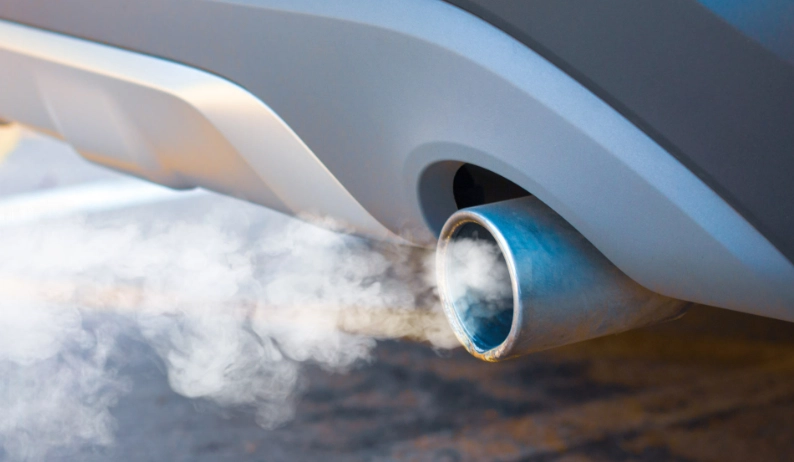
The Local Exceptions: Where "No" Sometimes Means "Maybe"
Alright, here's where we get into the fine print. While there's no statewide law, two counties in North Carolina—Mecklenburg and Guilford—have their own local ordinances requiring emissions testing for certain vehicles. This is the biggest source of the "but I heard..." stories.
Why these two? Charlotte (Mecklenburg County) and the Triad area including Greensboro (Guilford County) have, in the past, faced more significant air quality challenges due to population density and traffic. The local requirements were established to help tackle pollution hotspots.
Key Local Rule: If your vehicle is gasoline-powered and model year 1996 or newer, and you live in Mecklenburg or Guilford County, you are required to get an annual On-Board Diagnostics (OBD) test as part of your vehicle safety inspection. This is NOT a traditional "smog check" with a probe in the tailpipe. It's a computer scan.
Let's break down exactly what this means with a quick table. This should clear up who needs what and when.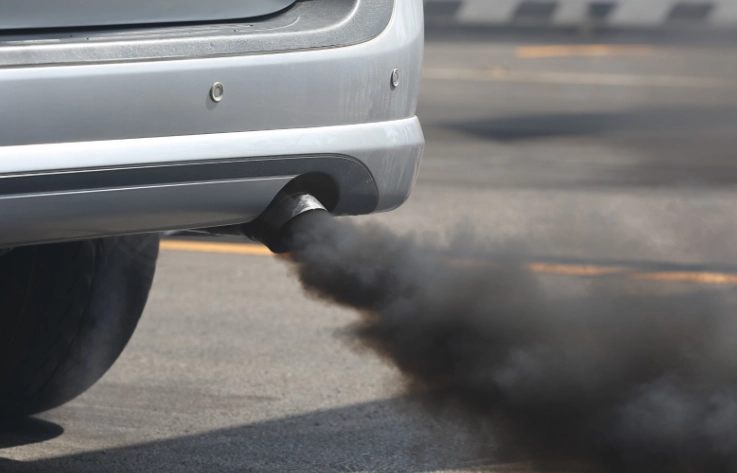
| Your Situation | Mecklenburg or Guilford County Resident? | Vehicle Type & Model Year | Required Test? | What It Is |
|---|---|---|---|---|
| 1 | Yes | Gasoline, 1996 or newer | YES - Annual OBD Test | Computer scan during safety inspection |
| 2 | Yes | Gasoline, 1995 or older | NO | Safety inspection only |
| 3 | Yes | Diesel-powered | NO (for light-duty)* | Safety inspection only |
| 4 | No (Live in any other 98 counties) | Any passenger vehicle | NO - Statewide Rule Applies | Safety inspection only |
*Heavy-duty diesel vehicles are subject to different federal rules, but that's for commercial fleets, not your personal truck.
See? It's not so scary once it's laid out.
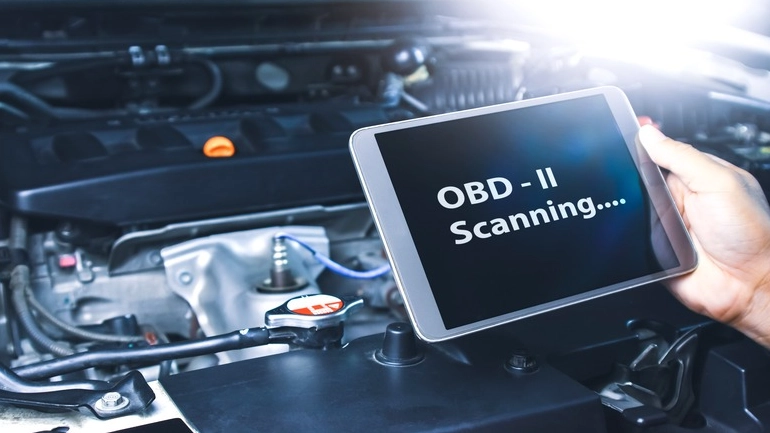
If you're in one of these two counties, you'll get the OBD test done at the same time and place as your annual safety inspection. The inspector plugs a device into your car's OBD-II port (usually under the dashboard near the steering column) and checks for "check engine" lights and readiness monitors. If your car's computer gives a thumbs-up, you pass. It's relatively quick and painless—unless your car has an unresolved engine light, then you've got a problem.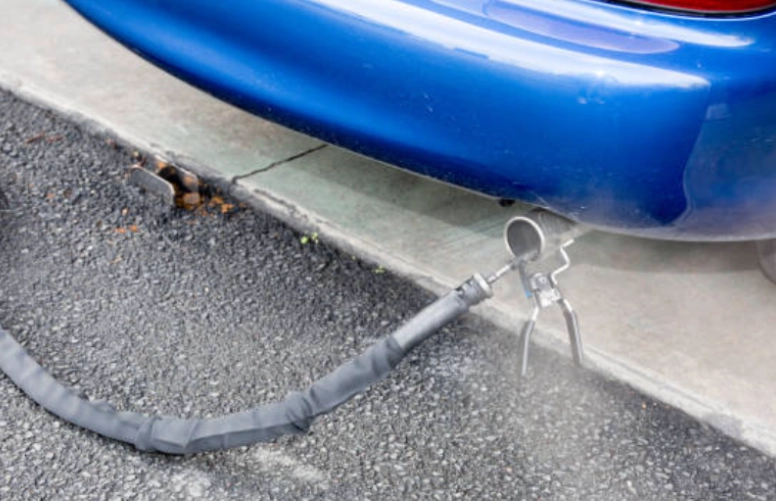
Heads Up: Failing the OBD test in Mecklenburg or Guilford means you fail your entire vehicle inspection. You won't get your inspection sticker, which means you can't renew your registration. You'll need to get the underlying issue fixed (often something like a faulty oxygen sensor or gas cap) and get re-tested. There's usually a repair cost waiver system for lower-income drivers, but it's a hassle everyone wants to avoid.
What About The Safety Inspection Itself?
Since we're on the topic, let's talk about what North Carolina does require for everyone: the annual safety inspection. This is mandatory for all vehicles. When people ask does North Carolina require smog checks, they're often mixing this up with the safety check. They are separate things.
The safety inspection has nothing to do with emissions. It's all about making sure your car is roadworthy. A licensed mechanic will check:
- Brakes (pad thickness, system function)
- Lights & Signals (headlights, brake lights, turn signals)
- Steering & Suspension
- Tires (tread depth, condition)
- Window Tint (must allow more than 35% of light in)
- Horn, Wipers, Mirrors
- Exhaust System (for holes or excessive noise—this is sometimes confused with an emissions test)
So, even without a smog check, your car still needs a yearly once-over. The cost is a set fee. It's a trade-off. Some folks hate any inspection; others appreciate knowing the car next to them on the highway has at least met basic safety standards.
How This Compares to Other States
It really puts things in perspective. When you wonder does North Carolina require smog checks, it helps to look over the fence.
States like California, New York, Massachusetts, and New Jersey have rigorous, often annual, emissions testing programs. In some California counties, it's a two-part test: an OBD scan and a visual inspection of emissions parts, and for older cars, a dynamometer tailpipe test. The fees are higher, the fail rates can be higher, and it's just another bureaucratic hurdle.
Then you have states on the other end of the spectrum—like Florida, Kentucky, or Minnesota—that have no emissions testing at all, not even in specific counties. North Carolina sits comfortably in the middle. A light-touch, geographically targeted approach.
I have a friend in California who just spent $1200 to get his older car to pass smog. He was genuinely shocked when I told him that, for me, the question of does North Carolina require smog checks was mostly irrelevant. It's a major quality-of-life difference for car owners, especially those who like to work on older vehicles.
What If You Have an Older Car or a Modified Vehicle?
This is a huge concern for enthusiasts. The good news is generally great.
- Pre-1996 Cars: Even in Mecklenburg and Guilford, you're exempt from the OBD test. Your classic car or project car only needs the safety inspection. No worries about passing a tailpipe sniff test with a carburetor.
- Engine Swaps & Modifications: Outside the two counties, modify away (within safety limits, of course). No emissions tester will ever look under your hood. Inside the two counties, if the car is OBD-equipped, the computer needs to be happy. A well-done swap that retains a functional OBD system from a newer engine might still pass. A hack job won't.
- Deleted Diesel Trucks: This is a hot-button issue. Deleting emissions equipment (DPF, EGR, SCR) is illegal under federal law. In most of NC, there's no test to catch it. In Mecklenburg/Guilford, a light-duty diesel doesn't get the OBD test, so it still wouldn't be caught at inspection. However, the EPA is cracking down on shops that perform deletions, and fines are massive. Just because you can doesn't always mean you should.
The relative freedom is a big draw. It keeps the classic car scene alive and makes daily driving an older, less-efficient vehicle more feasible.
Common Questions Drivers Ask (The FAQ You Actually Need)
My final take? North Carolina's system is one of its underrated perks for car owners. It balances a basic safety net with a lot of personal freedom. It avoids the anxiety and expense of mandatory emissions tests for millions, while still having a mechanism to flag obvious polluters in the areas that need it most. It's not perfect—some argue it's too lax—but for the average driver just trying to get to work, it's a pretty good deal.
So, next time someone asks you, "Does North Carolina require smog checks?" you can give them the full, nuanced answer. For most, it's a welcome no. For a few, it's a simple computer check. And for everyone, it's one less thing to stress about come registration time.