
I spent the last three weekends test-driving everything from a $28k Nissan Leaf to a $90k Lucid Air. The sales pitch changed. The questions I asked didn’t. If you’re staring at the types of electric vehicles and wondering which label actually fits your life, forget the brochures. Here’s the breakdown I wish someone had given me before I wasted a Saturday listening to a guy explain regenerative braking for 40 minutes.
What I’ll Walk You Through
BEV: The Pure Electric Play
Battery electric vehicles run on one thing: a big battery and one or more electric motors. No gas tank. No oil changes. No exhaust pipe. You plug it in, it charges, you drive.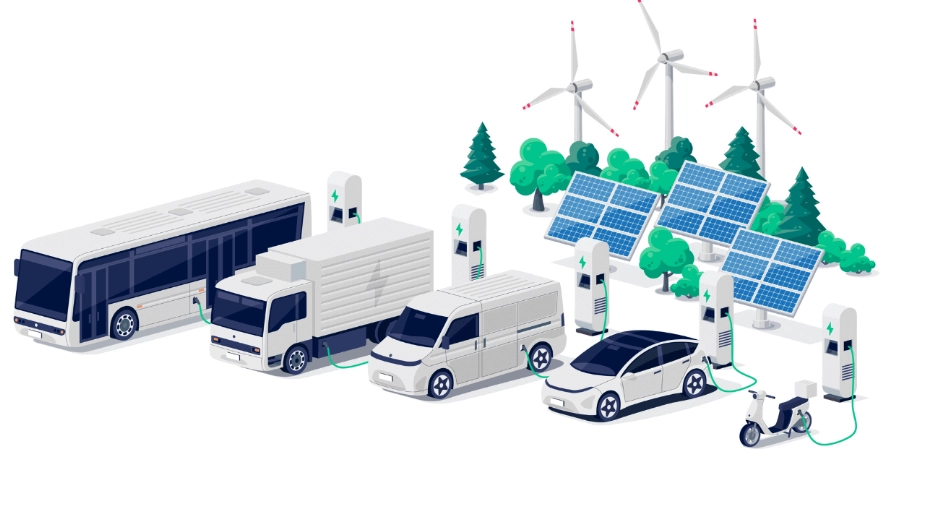
Sounds simple. Then you hit the real-world trade-offs.
I drove a Tesla Model 3 Long Range from Denver to Vail and back—about 200 miles round trip with a 7,000-foot elevation gain. The car handled it fine, but I watched the range estimate drop from 310 to 180 over the first 80 miles. Cold weather, uphill, 75 mph. That’s the trifecta that eats electrons.
What most people miss: a BEV’s EPA range is a best-case number. Your real range depends on how heavy your right foot is, whether you’re running the heater, and how many hills you climb. If your daily commute is 40 miles and you can charge at home, a 250-mile BEV is plenty. If you regularly tow a boat or drive 500-mile days through Montana, you’ll feel the pinch.
Charging speed matters more than range for road trips. A Hyundai Ioniq 5 can go from 10% to 80% in about 18 minutes on a 350 kW charger. A older Nissan Leaf with CHAdeMO? You’re looking at 40+ minutes if you find a station that still works. I ran into a guy at a Walmart in Kansas who’d been waiting 50 minutes because the only CHAdeMO plug in 80 miles was half-broken. He was not happy.
PHEV: The Gateway Drug
Plug-in hybrid electric vehicles have both a gas engine and a battery big enough to drive 20–50 miles on electricity alone. The Chevy Volt is dead, but the Toyota RAV4 Prime and Chrysler Pacifica Hybrid are still moving units.
Here’s the thing nobody tells you: a PHEV only saves you money if you actually plug it in. I borrowed a Pacifica Hybrid for a week and forgot to charge it two nights in a row. The fuel economy dropped to 22 mpg—worse than the regular gas Pacifica. The battery becomes dead weight when it’s empty.
Who should buy one? If you have a short commute (under 30 miles) and a garage outlet, you can do 90% of your driving on electricity. Then you’ve got a gas engine for the occasional 400-mile road trip. No range anxiety. That’s the pitch.
The catch is complexity. You’re maintaining two powertrains. Oil changes, coolant flushes, brake fluid—all the gas-car stuff still applies. I talked to a service advisor at a Toyota dealership in Portland who said PHEV owners often forget the engine needs exercise. “If you never burn gas, the fuel in the tank goes stale and the engine runs rough when you finally use it.” He recommended running the gas engine for 10 minutes every few weeks.
That’s a real thing. Don’t ignore it.
HEV and Mild Hybrid: The Quiet Middle Ground
Hybrid electric vehicles (HEVs) like the Toyota Prius and Honda Accord Hybrid don’t plug in. The battery charges from regenerative braking and the engine. Mild hybrids (often called 48V systems) are a cheaper, weaker version—they assist the engine but can’t drive the car on electricity alone.
I rented a 48V mild-hybrid Fiat 500 in Italy last summer. It was smoother than the non-hybrid version, but the “hybrid” badge is generous. It saves maybe 5–8% on fuel. A full HEV like the Prius saves 40–50% in city driving.
The upside: no charging infrastructure needed. You fill up at any gas station. The downside: you’re still burning fossil fuel. For people in apartments or cities without home charging, a HEV is the lowest-friction way to cut fuel costs without changing your routine.
One quirk I noticed: HEVs hate short trips in winter. The engine runs to warm the catalytic converter, and you barely get the electric assist. My neighbor’s Prius gets 42 mpg in summer and 33 mpg in January. That’s a 20% swing. Worth knowing if you live in a cold climate.
FCEV: The Hydrogen Wildcard
Fuel cell electric vehicles (FCEVs) like the Toyota Mirai and Honda CR-V e:FCEV generate electricity from hydrogen. The only tailpipe emission is water vapor. Refueling takes 5 minutes.
So why aren’t they everywhere? Hydrogen stations are rare. I checked the U.S. Department of Energy’s alternative fueling station locator and found 52 public hydrogen stations in California. Outside California, there are zero. If you live in the Midwest, an FCEV is a paperweight.
The other problem: hydrogen prices. I called a station in Torrance, California, and the current price was $36 per kilogram. A Mirai holds about 5 kg, so a fill-up costs $180. The range is roughly 400 miles. That’s 45 cents per mile. A Tesla Model 3 at home charging rates costs about 4 cents per mile. The math doesn’t work unless you’re leasing with free fuel—which Toyota has offered in the past.
My honest opinion: FCEVs are a niche compliance play for now. Unless you live near a hydrogen station and get a subsidized lease, skip it.
Side-by-Side: Which Type Fits Your Week?
| Type | Plug In? | Typical Electric Range | Best For | Watch Out For |
|---|---|---|---|---|
| BEV (Battery Electric) | Yes, only | 150–400 miles | Home charging, daily commute, low running costs | Road trips need planning, cold weather range loss |
| PHEV (Plug-in Hybrid) | Yes + gas | 20–50 miles electric | Short commute, occasional long trips, range anxiety | Must plug in to save fuel, engine needs exercise |
| HEV (Hybrid) | No | 1–2 miles electric (low speed) | No charging access, city driving | Still burns gas, cold weather hurts mpg |
| Mild Hybrid (48V) | No | None (assist only) | Budget-friendly, mild fuel savings | Small gains, “hybrid” badge is overhyped |
| FCEV (Hydrogen) | No (H2 station) | 300–400 miles | California drivers near stations, lease deals | Zero infrastructure outside CA, expensive fuel |
Straight Answers to the Questions Dealers Dodge
Final thought: the “best” type of electric vehicle is the one that matches your charging situation, not the one with the longest spec sheet. I’d rather drive a short-range BEV that I can charge at home than a long-range one that lives at public stations. That’s not a popular opinion in EV forums, but it’s the truth after three weekends of testing. Fact-checked against DOE station data and manufacturer specs.
Leave a Comment