Your Maintenance Roadmap
- Why Bother? The Real Cost of Skipping Car Maintenance
- Your No-BS Car Maintenance Schedule (Forget the Guesswork)
- The Top 5 Non-Negotiable Maintenance Tasks (And How to Do Them)
- DIY vs. Pro: What You Can (And Should) Do Yourself
- Your Car Maintenance Questions, Answered
- Beyond the Basics: Smart Habits for Long-Term Care
- The New Frontier: Electric Vehicle (EV) Maintenance
Let's be honest. Car maintenance sounds about as exciting as watching paint dry. For years, I treated it like a mysterious, expensive chore that only mechanics understood. I'd ignore the little noises, postpone the oil change "just one more month," and basically hope for the best. That worked until it didn't. A blown radiator on a highway and a repair bill that still hurts to think about was my wake-up call.
Maybe you're in that same boat. You know you should do something, but the whole thing feels overwhelming. What's essential? What can you skip? Is the dealership ripping you off with their recommended services?
I'm not a mechanic. I'm just a regular person who got tired of feeling clueless and paying the price for it. After diving deep, talking to pros, and learning (often the hard way), I realized car maintenance isn't rocket science. It's a series of simple, logical habits that save you a staggering amount of money and stress. This guide is everything I learned, stripped of the jargon, laid out plainly.
Why Bother? The Real Cost of Skipping Car Maintenance
We all know we're supposed to do it. But what does that actually mean for your wallet? It's not just about avoiding a breakdown (though that's a big part). It's a financial strategy.
Neglecting basic car care is like ignoring a small leak in your roof. It's fine until the ceiling collapses. The National Highway Traffic Safety Administration (NHTSA) consistently cites mechanical failure as a contributing factor in vehicle crashes. Proper maintenance is a safety issue first and foremost.
Financially, the math is brutal. Let's compare:
- Routine Oil Change: $50 - $80 every 5,000-7,500 miles.
- Replacing a Seized Engine from No Oil: $4,000 - $8,000+ (often totaling the car).
Or how about this one?
- New Set of Brake Pads: $150 - $300 per axle.
- Replacing Rotors Ruined by Worn-Out Pads: $400 - $800 per axle.
See the pattern? Preventative maintenance is cheap. Crisis management is devastatingly expensive. Beyond repairs, a well-maintained car gets better gas mileage, has higher resale value (sometimes thousands more), and just feels better to drive. It's predictable, not a source of anxiety.
Your No-BS Car Maintenance Schedule (Forget the Guesswork)
The biggest confusion comes from conflicting advice. Your manual says one thing, the quick-lube place says another, your uncle swears by his method. Here's a consolidated, realistic schedule based on general guidelines and my experience. Your owner's manual is your #1 resource—check it for your specific model's needs.
This table is your cheat sheet. Bookmark it.
| Maintenance Task | Every 3,000-5,000 Miles / 3-6 Months | Every 7,500-10,000 Miles / 6-12 Months | Every 30,000-45,000 Miles / 2-3 Years | Every 60,000-100,000 Miles / 5-7 Years |
|---|---|---|---|---|
| Engine Oil & Filter | CHECK/CHANGE (For conventional oil. Many newer cars with synthetic go 7,500-10k mi.) | CHANGE (Standard for synthetic oil) | – | – |
| Tire Pressure & Tread | CHECK (Monthly is ideal) | Rotate Tires | – | – |
| Air Filter (Engine) | Inspect | REPLACE (More often in dusty areas) | – | – |
| Cabin Air Filter | – | REPLACE (For clean air inside) | – | – |
| Brake Pads & Fluid | Visual Check | Inspect | FLUSH Fluid, Inspect Pads/Rotors | – |
| Coolant/Antifreeze | Check Level | Test Condition | FLUSH & REPLACE | – |
| Transmission Fluid | – | Check Level & Color | SERVICE (Drain & Refill - not all are "lifetime") | – |
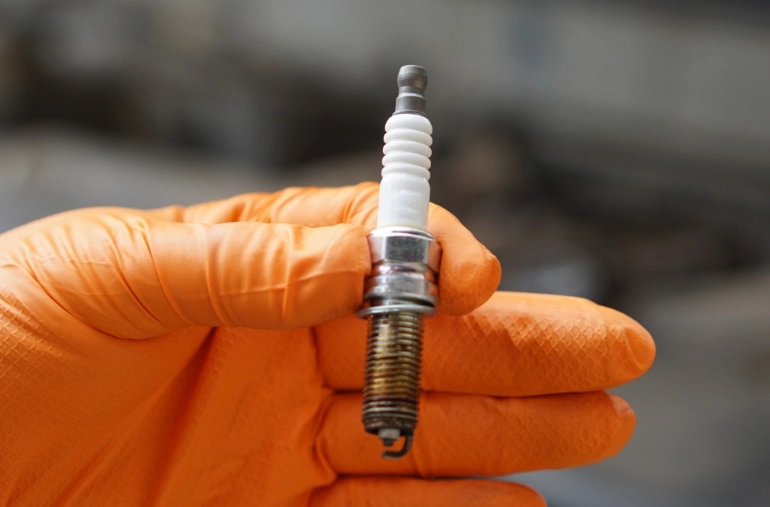
| Spark Plugs | – | – | REPLACE (Iridium can go 100k+ mi.) | – |
| Serpentine Belt | – | Inspect for cracks | REPLACE if worn | – |
| Battery | Check Terminals for Corrosion | Load Test (esp. before winter) | – | Plan for REPLACEMENT |
See? It's not a random list of chores. It's a system. Mileage-based is best, but if you don't drive much, time-based is crucial. Fluids break down even sitting in the garage.
The Top 5 Non-Negotiable Maintenance Tasks (And How to Do Them)
These are the big ones. Master these, and you'll prevent 90% of major issues.
1. Oil Changes: The Lifeblood of Your Engine
This is the poster child for car maintenance for a reason. Oil lubricates, cleans, and cools your engine's insides. Old, sludgy oil does the opposite. The old "3,000 miles" rule is mostly outdated for modern cars and synthetic oils. Check your manual! Many are 5,000, 7,500, or even 10,000 miles.
How to check it yourself (takes 2 minutes):
- Park on level ground, engine off and cool.
- Pull the dipstick, wipe it clean, re-insert fully, pull out again.
- Check level (between min/max marks) and color. Clean oil is amber. Black is dirty. Milky or foamy is a big problem (could mean coolant leak).
2. Tires: Your Only Connection to the Road
Bad tires are dangerous. They affect braking, handling, and fuel economy. Check pressure monthly when tires are cold (driving heats them and gives a false reading). The correct PSI is on a sticker inside your driver's door jamb, NOT the max PSI on the tire sidewall.
Tread depth is critical. Use the penny test: Insert a penny into the tread with Lincoln's head upside down. If you can see the top of his head, your tread is below 2/32" and it's time for new tires. For better safety, use a quarter—if you can see the top of Washington's head (4/32"), start shopping soon, especially before winter.
3. Brakes: The System You Must Trust
You don't want to learn about brake maintenance when the pedal goes to the floor. Listen for squealing or grinding noises. Feel for vibration in the pedal or steering wheel. Notice if the car pulls to one side when braking.
Brake fluid is hygroscopic—it absorbs water over time, which lowers its boiling point and can lead to a spongy pedal or failure. A flush every 2-3 years is cheap insurance. This is one I usually leave to a pro because bleeding the system properly is key.
4. Air Filters: The Engine's Lungs
A clogged engine air filter makes your engine work harder, reducing power and MPG. The cabin air filter cleans the air you breathe inside the car. Both are almost universally easy to replace—often just a matter of unclipping a box and swapping a filter. YouTube your car's model and "air filter replacement." You'll save $50 in labor for 5 minutes of work.
5. Battery: The Heart of the Electrical System
Most batteries last 3-5 years. If your headlights dim when you start the car, or the starter sounds slow, it's time for a test. Corrosion on the terminals (that white/green crust) can be cleaned with a wire brush and a mix of baking soda and water. Keeping the battery clean and tight is a free way to extend its life.
DIY vs. Pro: What You Can (And Should) Do Yourself
You don't need a garage full of tools to take control. Start small, build confidence, and save money.
Perfect for Beginners (Basic Tool Set Needed):
- Checking/Topping Off Fluids: Oil, coolant, windshield washer, brake, power steering. Know where the reservoirs are and what the proper levels look like.
- Replacing Wiper Blades: Annoying when they streak? A 2-minute swap.
- Changing Air Filters: Engine and cabin. The easiest win.
- Changing a Tire: Know where your jack, spare, and lug wrench are. Practice once in your driveway so you're not learning in the rain.
Intermediate (More Tools, Some Comfort):
- Changing Oil & Filter: Requires ramps/jack stands, a wrench, oil pan. Saves $30-$50 per change. Disposing of old oil is easy—most auto parts stores take it for free.
- Replacing Brake Pads: More involved, but a very common DIY job with good guides. Critical to do correctly for safety.
- Changing Spark Plugs: Usually straightforward on 4-cylinder engines, trickier on V6/V8s with tight spaces.
Leave to a Professional (Usually):
- Transmission service
- Timing belt replacement (if it breaks, it can destroy the engine)
- Major engine or transmission repairs
- Advanced diagnostics with computer scanners
- Anything involving airbags or complex safety systems
The Environmental Protection Agency (EPA) has great resources on proper recycling of used automotive fluids and parts—doing it yourself means being responsible for disposal.
Your Car Maintenance Questions, Answered
Tires & Wheels (pressure, tread, damage)
Controls (lights, horn, wipers, mirrors)
Lights (headlights, brake lights, turn signals)
Ooil & Fluids (levels)
Chassis (look for leaks under the car)
Stands (just a general once-over)
Do this a week before you go, so you have time to fix anything.
Beyond the Basics: Smart Habits for Long-Term Care
True car maintenance is a mindset, not just a checklist.
Keep Records. A simple notebook or folder in your glove box. Log every service, the date, mileage, and what was done. This proves care when you sell the car and helps you track what's due next.
Listen to Your Car. New squeaks, rattles, vibrations, or smells are clues. Don't just turn up the radio. Addressing a small noise now can prevent a big repair later.
Wash It. Seriously. Especially in winter if they salt the roads. Road salt accelerates rust like crazy. A clean car also makes it easier to spot new leaks or damage.
Don't Ignore Recall Notices. These are free fixes for safety issues. You can check for open recalls on your Vehicle Identification Number (VIN) at the NHTSA recall website.
The New Frontier: Electric Vehicle (EV) Maintenance
Thinking about an EV? The maintenance game changes, but it doesn't disappear. It's different—often simpler and cheaper in many ways.
- No Oil Changes: The biggest traditional task is gone.
- Brake Wear is Minimal: Regenerative braking does most of the work, so brake pads can last 100,000 miles or more.
- Focus Shifts to: Tire rotation (EVs are heavy and torque-y, so tires wear faster), cabin air filter, battery cooling system checks, and software updates.
- The Battery: It's designed to last the car's life. Avoid constantly charging to 100% or draining to 0% for daily use; keeping it between 20-80% is ideal for long-term health.
The core principle remains the same: proactive care prevents problems. The tasks are just different.
Look, at the end of the day, your car is a tool. A very expensive, complex tool that gets you to work, takes your kids to school, and carries your dreams on road trips. A little bit of regular car maintenance is the simplest way to show respect for that tool, protect your investment, and guarantee it's there for you when you need it.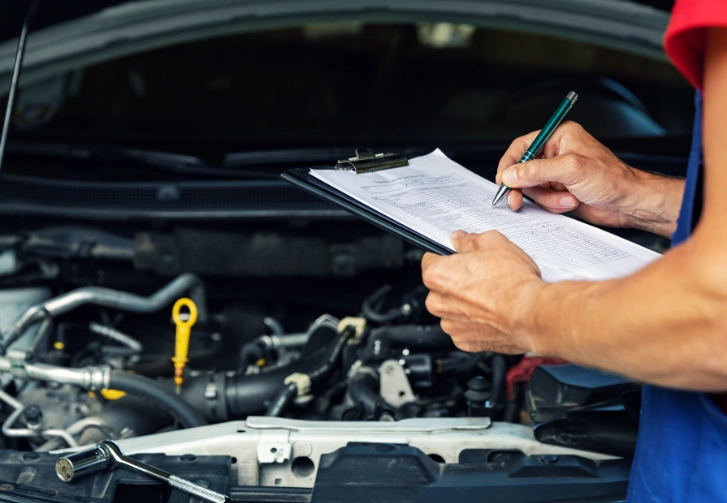
Start with one thing this weekend. Check your tire pressure. Look at your air filter. Just pop the hood and identify the dipstick. That's it. You've already taken the first step out of the fog and into control. The savings, the safety, and the sheer lack of stress are waiting for you on the other side.