Let's be honest. Shopping for tires feels like decoding a secret language. You see a wall of brands – Michelin, Bridgestone, some you've never heard of – and a salesperson starts throwing around terms like "UTQG" and "all-season plus." It's enough to make you just point at the middle-priced option and hope for the best.
But your tires are the only part of your car touching the road. The brand you choose directly impacts safety, comfort, fuel costs, and how long until you're back in the shop. A 10% price difference can mean a 40% difference in wet braking distance or tread life.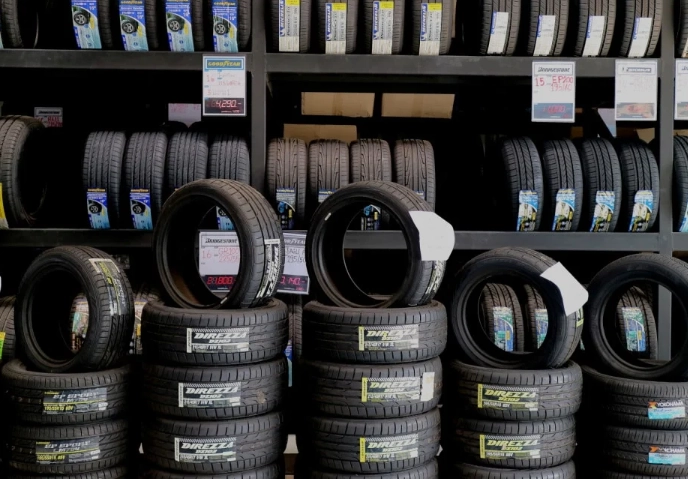
I've spent over a decade in the auto industry, from test tracks to repair bays. I've seen people spend thousands on premium tires for a car they drive 5,000 miles a year, and others buy the cheapest option for a family minivan, risking everyone's safety. This guide is here to cut through the marketing and give you a clear, actionable path to choosing the right tire brand for your car and life.
Your Quick Guide to Tire Brands
Why the Tire Brand Actually Matters (It's Not Just Hype)
Think of a tire brand as a philosophy. It's a company's approach to balancing a dozen competing priorities: grip, wear, noise, cost, fuel efficiency. These priorities are baked into the rubber compounds, tread patterns, and internal construction.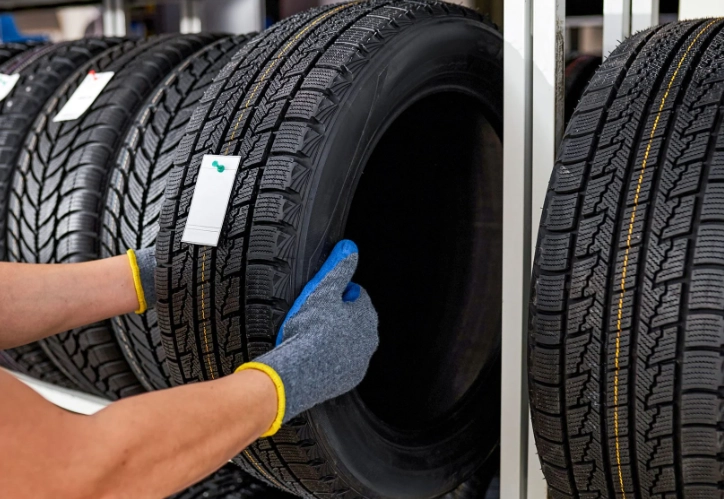
Michelin, for instance, invests heavily in long-wearing, fuel-efficient compounds. Their target driver values longevity and low running costs. Pirelli, on the other hand, often prioritizes sharp handling and sporty aesthetics for performance vehicles. The brand tells you what the engineers were thinking about first.
A report by the National Highway Traffic Safety Administration (NHTSA) underscores that tire condition is a critical safety factor. The brand influences that condition over time—how evenly it wears, how it handles heat, how its grip changes as it ages.
Choosing by brand alone is a mistake. But ignoring brand is a bigger one.
Top Tire Brands Deconstructed: Strengths & Weaknesses
Here's a breakdown of the major players. Remember, each brand has multiple lines—a Michelin performance tire is very different from a Michelin truck tire. This table focuses on their core reputations and best-use cases.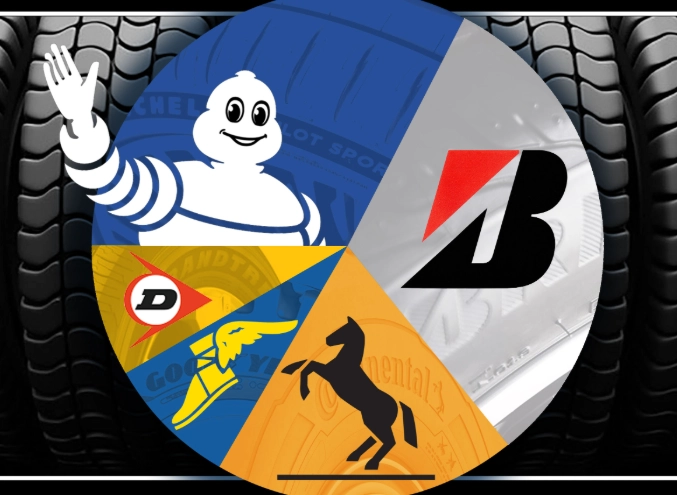
| Brand | Core Strength / Reputation | Typical Best For | Considerations / Potential Drawbacks | Price Tier (Relative) |
|---|---|---|---|---|
| Michelin | Longevity, fuel efficiency, all-around refined performance. Often leads in independent tests. | Daily drivers, families, luxury sedans/SUVs, drivers who keep cars long-term. | Premium price. Some find their highest-mileage tires can feel a bit less responsive. | Premium |
| Bridgestone | Durable construction, strong all-season and truck/SUV offerings. Often OEM on Japanese/American cars. | Trucks, SUVs, sedans. Drivers in varied climates needing a robust, do-it-all tire. | Can be noisy. Tread life may not match Michelin's best in some categories. | Premium to Mid-Premium |
| Goodyear | Innovative tread tech, strong in all-season and performance categories. Historic American brand. | Performance sedans, coupes, SUVs. Drivers wanting a sporty feel without going full race tire. | Consistency across lines can vary. Some value lines are just okay. | Premium to Mid-Range |
| Continental | Exceptional wet & winter traction, quiet ride. German engineering focus on safety. | Drivers in rainy/snowy climates (their PureContact & VikingContact lines are stellar). European cars. | Dry handling may not be as sharp as some rivals. Treadwear can be average. | Premium to Mid-Premium |
| Pirelli | High-performance handling, style, OEM on many sports/luxury cars. | Sports cars, performance luxury vehicles. Drivers prioritizing cornering grip and aesthetics. | Shorter tread life, higher cost. All-season models may compromise vs. dedicated brands. | Premium |
| Cooper (owned by Goodyear) | Strong value, excellent light truck/SUV tires. Good balance of cost and capability. | Truck/SUV owners, budget-conscious buyers who still want reputable quality. | Passenger car lines are competent but not class-leading. Focus is on value, not peak performance. | Mid-Range to Value |
| Falken | Aggressive styling, great performance-for-dollar, strong in off-road/SUV segment. | Enthusiasts, off-road/SUV modders, drivers wanting a sporty look without Michelin/Pirelli prices. | Road noise can be higher. Some earlier models had wear issues, but recent lines are much improved. | Mid-Range |
| General Tire (owned by Continental) | Solid all-weather and truck tires at a lower price point. Continental's tech at a discount. | Cost-conscious buyers in snowy regions (their Altimax Arctic is a legend), daily drivers. | You're getting last-generation Continental tech sometimes. Not the choice for cutting-edge performance. | Value to Mid-Range |
Here's a personal observation most reviews miss: the dealer network matters. Michelin and Bridgestone have massive distribution and partnerships. If you get a nail in your tire in a small town, finding a matching replacement is easier. With a niche performance brand, you might be waiting for a shipment.
How to Choose Your Brand: A 4-Step Filter
Forget starting with the brand. Start with yourself.
1. Diagnose Your Driving Reality
Be brutally honest. Is your "performance driving" a freeway on-ramp twice a day? Do you really need a 70,000-mile tire if you trade your car in at 50,000? List your top three needs: Is it snow traction? Quiet highway cruising? Towing a boat? Curbing costs?
2. Set a Real Budget (Including Installation)
Tire prices are per tire, before mounting, balancing, disposal fees, and tax. A $150 tire can easily become a $200 per corner job. Call a few local shops for out-the-door quotes. This number will quickly narrow your field.
3. Read Reviews from People Like You
Ignore the 5-star "just installed" reviews. Search for reviews posted after 20,000 miles. Look for comments on even wear and wet weather performance over time. A tire that grips great new but gets loud and slippery at half-life is a bad buy. Sites like Tire Rack's surveys are invaluable here.
4. Match the Tire to Your Local Climate & Roads
This is where brand specialties shine. Live in Seattle or Buffalo? Continental and Michelin's all-weather offerings (with the Three-Peak Mountain Snowflake rating) are worth a long look. Mostly dry, hot Southwest highways? Long-wearing brands like Michelin or certain Bridgestone lines make sense. Pothole-ridden city streets? You might prioritize a tire with a stronger sidewall, often found in the truck/SUV lines of Cooper or Falken, even for a crossover.
Pro Tip: Don't sleep on "house brands" from major retailers. Discount Tire's "Pathfinder" or America's Tire's "Douglas" brands are often manufactured by big names like Cooper or Goodyear. They're spec'd to a price point, but for low-mileage, fair-weather drivers, they can be a safe, money-saving choice. Just know you're getting a basic, no-frills product.
Common Pitfalls & Pro Tips You Won't Find on the Box
I've seen these mistakes cost people hundreds.
Pitfall 1: The OEM Trap. Your car came with Brand X tires. That doesn't mean they're the best for you now. Car makers choose tires to meet a specific cost and initial ride quality target for the new car. The replacement market has better options. My neighbor's Honda Odyssey came with mediocre all-seasons; swapping to a set of Michelin CrossClimate 2s (a different category altogether) made it feel like a new, safer vehicle in rain.
Pitfall 2: Ignoring the Speed Rating. It's not about driving 150 mph. The speed rating (T, H, V, W) correlates with the tire's internal construction, handling, and heat resistance. For a heavy SUV, an H or V-rated tire will usually handle better and feel more stable than a T-rated one, even at legal speeds. Match or slightly exceed your car's original rating.
Pitfall 3: Mixing Brands or Models. Never mix different tire models across an axle, and avoid different brands on the same car. Differing grip levels and wear rates can upset the car's stability control and ABS, especially in emergencies. If you can only afford two, put the new tires on the rear to prevent oversteer, regardless of front- or rear-wheel drive. This is a critical safety tip from the Tire Industry Association.
Care Matters More Than Brand (Sometimes)
A $300 Michelin neglected will die before a $100 Cooper that's loved. Your brand choice is nullified by poor maintenance.
- Pressure: Check monthly, when cold. Under-inflation is the #1 tire killer. It increases wear, hurts fuel economy, and causes overheating.
- Rotation: Every 5,000-8,000 miles. Non-negotiable for even wear.
- Alignment: Get it checked with every new set, and if you hit a major pothole. Uneven wear (feathering, cupping) is a sign.
Brands with longer warranties (like Michelin's 80,000-mile promises) are banking on you doing this. If you don't, they'll prorate the warranty based on your premature wear.
Your Tire Brand Questions, Answered
Which tire brand lasts the longest for daily commuting?
Are expensive tire brands like Michelin always worth the extra cost?
What's the most common mistake people make when choosing a tire brand?
How do I know if a discount tire brand is safe and reliable?
The right tire brand isn't about prestige. It's about aligning a company's engineering priorities with your driving reality. Start with your needs, not the marketing. Use this guide to filter the noise, compare real strengths, and make a choice you won't second-guess in six months. Your safety and wallet will thank you.