Let's talk about engine decarbonizing. If your car feels like it's lost its pep, or you're visiting the gas station more often, carbon buildup might be the culprit. I've been tinkering with engines for over a decade, and I've seen how a simple clean can turn a sluggish sedan back into a smooth runner. This isn't just theory—it's about getting your hands dirty and making real changes. In this guide, I'll walk you through what engine decarbonizing really means, how to do it right, and why skipping it could cost you more down the road.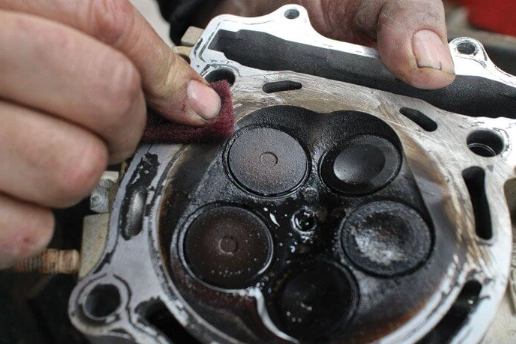
Jump to What Matters
What Engine Decarbonizing Actually Does (And Why Your Car Needs It)
Engine decarbonizing is the process of removing carbon deposits from inside your engine. Think of it like cleaning the arteries of your car. Carbon builds up over time from incomplete combustion—fuel doesn't burn perfectly, especially in modern direct injection engines. This gunk coats intake valves, pistons, and fuel injectors, choking performance.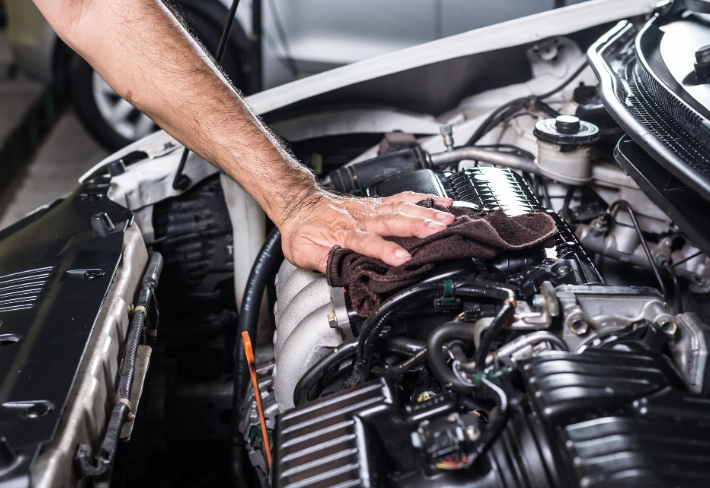
I remember a client's Ford Focus that was getting only 22 MPG on the highway. After a decarbonizing service, it jumped back to 28 MPG. The difference was night and day. Carbon doesn't just hurt fuel economy; it causes rough idling, reduced power, and even premature wear. According to the Society of Automotive Engineers, carbon deposits can increase emissions by up to 15%, which is why emissions control is a big deal these days.
Here's the kicker: many people ignore this until it's too late. A little carbon is normal, but let it go, and you might face expensive repairs like replacing oxygen sensors or catalytic converters.
Carbon Cleaning Methods: Pros, Cons, and What Really Works
There are several ways to tackle carbon buildup, but not all are created equal. I've tried them all, from cheap additives to professional gear. Let's break it down.
| Method | How It Works | Best For | Average Cost | My Take |
|---|---|---|---|---|
| Chemical Cleaners (Fuel Additives) | Add to fuel tank; dissolves carbon as you drive | Mild buildup, preventive maintenance | $10 - $30 | Easy but weak for severe cases. Brands like Chevron Techron work okay. |
| Intake Valve Spray Cleaning | Spray cleaner directly into intake manifold | Direct injection engines, DIYers | $20 - $50 (kit) | More effective, but messy. I use CRC spray for my Honda. |
| Hydrogen Oxygen (HHO) Cleaning | Machine introduces hydrogen to burn off carbon | Professional shops, heavy deposits | $100 - $300 | Great for thorough jobs, but avoid cheap home kits—they can be risky. |
| Walnut Blasting (Mechanical) | Blast walnut shells to scrub carbon off valves | Severe buildup, performance cars | $300 - $800 | Gold standard for direct injection. Pricey but worth it for BMWs or Audis. |
Hydrogen oxygen cleaning is gaining popularity because it's non-invasive. But here's a nuance: some shops overpromise. I've seen places charge $500 for a basic HHO clean that didn't do much. Always ask for before-and-after photos or a video—reputable shops provide them.
For most daily drivers, a combination works best. Start with a chemical cleaner every oil change, and if symptoms persist, move to spray or professional service.
DIY Engine Decarbonizing: A Step-by-Step Walkthrough You Can Follow
Want to try this at home? You can, with some caution. Here's how I do it on my own Toyota Camry, assuming you have basic tools like wrenches and a vacuum gauge.
Step 1: Gather Your Supplies. You'll need a carbon cleaner spray (I prefer Berryman B-12), safety glasses, gloves, and a vacuum hose. Total cost: around $40. Skip the fancy gadgets—a simple spray kit is enough for starters.
Step 2: Warm Up the Engine. Run the car for 10 minutes until it's at operating temperature. This loosens the carbon. Park in a well-ventilated area; the fumes are strong.
Step 3: Locate the Intake. Find the intake manifold or a vacuum port. On my Camry, it's near the throttle body. Consult your repair manual if unsure—don't guess. I once sprayed into the wrong hose on a friend's Chevy, and it caused a misfire.
Step 4: Apply the Cleaner. With the engine running, slowly spray the cleaner into the intake. Do this over 15-20 minutes, keeping RPMs around 2000 to prevent stalling. You'll see smoke from the exhaust—that's carbon burning off. It smells awful, but it's normal.
Step 5: Test Drive and Reset. After spraying, take the car for a 20-minute highway drive to clear residues. Then, disconnect the battery for 10 minutes to reset the ECU. This helps the engine relearn optimal settings.
Is it foolproof? No. If your car has over 100,000 miles, DIY might not cut it. But for moderate buildup, this can save you $200 at the shop.
When to Call a Professional Instead
DIY has limits. If you notice persistent check engine lights (like P0300 misfire codes) or hear knocking sounds, stop. Modern engines with turbos or hybrid systems are tricky. A pro with a walnut blaster can clean valves without disassembling the head. I recommend shops certified by ASE (Automotive Service Excellence)—they have the tools and know-how.
How Much Does Engine Decarbonizing Cost? A Real-World Breakdown
Costs vary wildly. Let's talk numbers based on my experience in the Midwest.
Quick Cost Snapshot: A basic fuel additive treatment costs as little as $10. A professional hydrogen oxygen clean runs $150 to $300. Walnut blasting? That's $400 to $800, depending on the car. For a typical sedan like a Toyota Corolla, expect to pay $200-$400 for a thorough job at a decent shop.
Why the range? Labor rates differ. In cities like Los Angeles, labor can hit $150/hour, while rural areas might charge $80. Also, European cars cost more—a BMW 3-series decarbonizing can top $600 because of complex access.
I'll share a case: a local clinic's fleet of Honda CR-Vs had carbon issues. They opted for bulk HHO cleaning at $180 per vehicle, saving 15% on fuel within a month. That's a return on investment in under a year.
Don't just go for the cheapest option. Ask what's included. Some shops throw in a fuel system clean for free, others charge extra. Get a written estimate.
Expert Tips: Avoid These Decarbonizing Blunders I've Seen Too Often
After years in the garage, I've seen every mistake in the book. Here are the big ones.
Using the Wrong Cleaner. Not all cleaners are equal. Avoid generic solvents—they can damage sensors. Stick to brands recommended by manufacturers. For example, Subaru suggests using their own additive for direct injection models.
Skipping the Warm-Up. Applying cleaner to a cold engine does nothing. Carbon needs heat to loosen. I've had clients complain that a $50 treatment failed because they rushed this step.
Ignoring the Fuel System. Decarbonizing isn't just about the intake. Carbon builds in fuel injectors too. Use a quality fuel injector cleaner every 5,000 miles. I use Red Line SI-1 in my personal cars—it's pricey but effective.
Overdoing It. More isn't better. Excessive cleaning can wash away protective oil films. Stick to the manufacturer's intervals or symptom-based schedules.
My personal rule: if your car is under warranty, check with the dealer first. Some warranties void if you use non-approved methods.
Your Burning Questions Answered
Engine decarbonizing isn't a magic bullet, but it's a crucial part of maintenance that's often overlooked. Start with simple steps, watch for symptoms, and don't be afraid to ask for help. Your car will thank you with better performance and fewer trips to the pump. If you've got more questions, drop a comment—I'm happy to share from my decade in the trenches.