I remember the first time I got a car with tinted windows. It was a used sedan, and the previous owner had installed a dark, slightly purplish film. I loved the privacy, but when the film started bubbling on the rear windshield a year later, I realized I knew nothing about what I actually had. That experience sent me down a rabbit hole. I've since had three cars tinted by professionals, made one regrettable DIY attempt, and spent more hours than I'd like to admit talking to installers at car shows. Let's cut through the marketing fluff. Modern window tinting is a functional upgrade with real, measurable benefits for comfort, health, and your car's longevity. The trick is knowing what to ask for so you don't end up with a bubbly, illegal mess.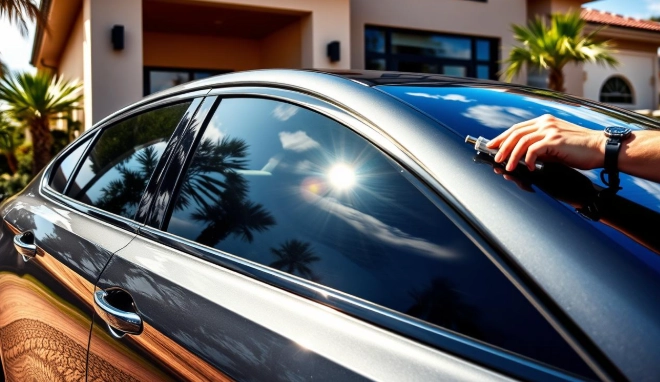
What’s Inside This Guide
Why Tint Your Windows? The Real Benefits Beyond Cool Looks
Everyone knows tints make your car look sleeker and give you privacy. That's the obvious part. The real value is in the environmental control and protection you gain.
Heat Rejection: Your AC Will Thank You
This is the big one. Solar heat builds up inside your car through the glass, turning it into a greenhouse. A high-quality tint doesn't just "darken" the light; it reflects and absorbs infrared radiation (IR), which is what carries heat. We're talking about a difference you can feel immediately. On a 90-degree day, my black dashboard used to be untouchable. After getting a ceramic tint, the surface temperature dropped by nearly 20 degrees. That means your air conditioner doesn't have to work as hard, which saves fuel in gas cars and precious battery range in electric vehicles.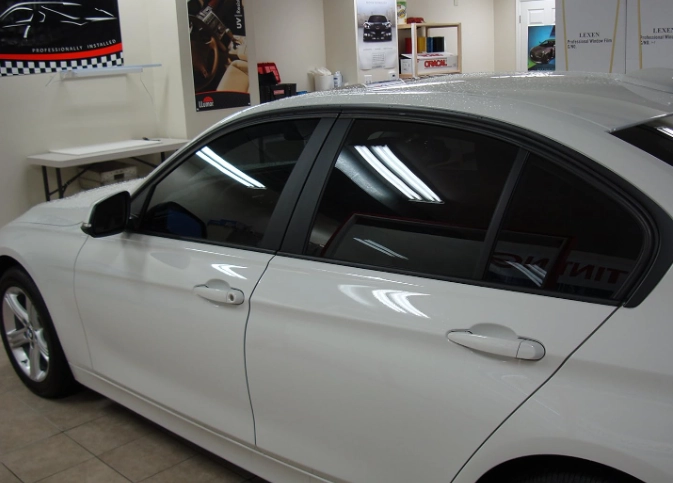
UV Protection: More Than Just a Sunburn
Nearly 100% of the sun's harmful ultraviolet (UV-A and UV-B) rays can be blocked by a good window film. This isn't just about preventing a sunburn on your arm during a long drive. It's about preserving your car's interior. UV radiation is the primary cause of fading and cracking in your dashboard, seats, and trim. It's also a serious skin health concern. Think of tint as a permanent, high-SPF sunscreen for your car and your skin.
Glare Reduction and Enhanced Safety
Glare from the sun or headlights isn't just annoying; it's dangerous. A tint with the right Visible Light Transmission (VLT) percentage cuts that glare down significantly, reducing eye strain and improving contrast. It makes driving at sunrise, sunset, or in rainy conditions less stressful.
Security and Shatter Resistance
While no film makes your window "bulletproof," it acts as a security layer. The adhesive holds broken glass together in the event of an impact or attempted break-in. Instead of shattering into thousands of pieces, the glass tends to stick to the film, creating a barrier and making it much harder for someone to reach in. Many insurance companies recognize this and may offer a discount—it's worth asking.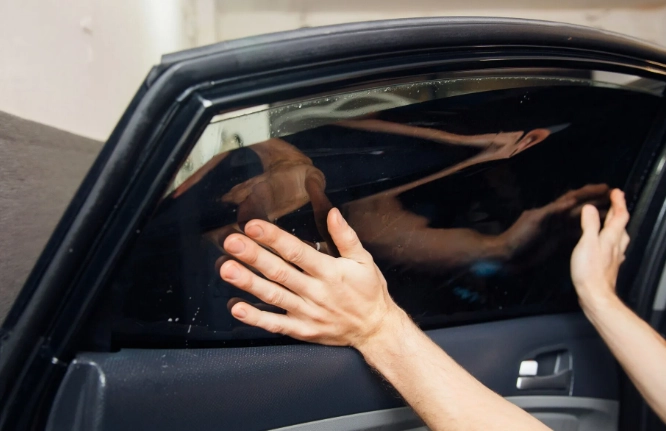
Navigating the Maze: Understanding Window Tint Laws and VLT
This is where most people get tripped up. Tint laws are set by individual states (or provinces/countries), and they are not suggestions—they are enforceable traffic laws. The core metric is Visible Light Transmission (VLT). This is the percentage of visible light that passes through the film and glass combined.
Lower VLT percentage = darker tint. A 5% VLT film is limo-tint dark. A 50% VLT film is a light, smoke-like shade.
Typical state laws look something like this (always verify with your local DMV or law enforcement website):
- Front Side Windows (Driver & Passenger): Often restricted to 35% or 50% VLT. Some states, like California, allow 70%. A few are very strict.
- Rear Side Windows & Rear Windshield: Usually allowed to be much darker (20%, 5%, or no restriction).
- Windshield: Almost always prohibited except for a non-reflective strip at the very top (usually 4-6 inches down).
- Reflectivity: Many states also limit how reflective (mirror-like) your tint can be.
My advice? If you live in a state with 35% limit for front windows, consider getting 50% film. It still provides excellent heat/UV rejection with modern materials, looks clean, and ensures you'll never have an issue during a traffic stop or vehicle inspection. The hassle of a ticket and having to remove tint isn't worth the marginally darker look.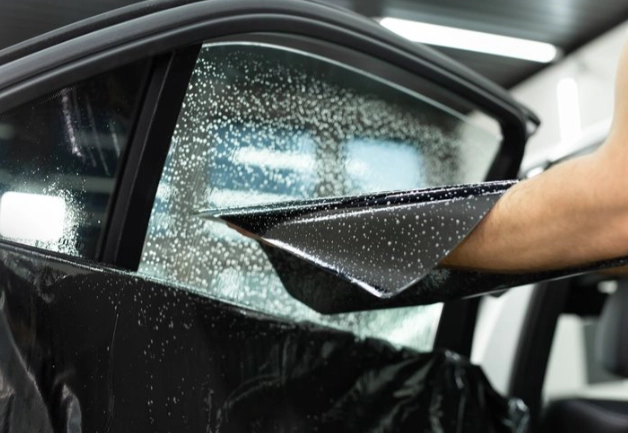
Choosing Your Tint: A Material Matchmaking Guide
Not all tint films are created equal. The material dictates performance, longevity, and price. Here’s the breakdown from basic to best.
| Film Type | How It Works | Key Pros | The Trade-Offs | Best For |
|---|---|---|---|---|
| Dyed Film | Uses a layer of dye to absorb solar heat. | Most affordable, reduces glare, good privacy. | Heat absorption can fade the dye over time (turns purple/brown). Offers the lowest heat rejection. Can feel hot to the touch. | Budget-conscious buyers prioritizing privacy and looks over long-term heat rejection. |
| Metalized Film | Microscopic metallic particles reflect heat. | Excellent heat rejection, durable, doesn't fade. | The metal can interfere with GPS, radio, and cell phone signals. Often has a shiny, reflective appearance. | Drivers who want strong performance without the ceramic price tag and don't rely heavily on in-glass radio antennas. |
| Carbon Film | Uses carbon particles to block heat without metal. | No signal interference, fade-resistant, matte finish looks great. | More expensive than dyed/metalized. Heat rejection is good but not quite at ceramic levels. | Those seeking a balance of performance, a non-reflective look, and no electronic interference. |
| Ceramic Film | Uses nano-ceramic particles to reject heat. | Top-tier heat & UV rejection, no signal interference, supreme clarity, doesn't fade. | The most expensive option. The performance difference isn't always visually obvious until you feel it. | Drivers in very hot climates, EV owners wanting to preserve range, and anyone wanting the best long-term performance and clarity. |
Let me be blunt about the "ceramic" label. It's become a marketing buzzword. Some shops sell "hybrid" or "carbon-ceramic" films at a premium. Ask for the technical specs sheet for the specific film brand (like Llumar, 3M, XPEL, Johnson). Look for the Total Solar Energy Rejected (TSER) percentage. A true high-end ceramic film will have a TSER over 50% even at a 50% VLT shade. That's the number that tells you how much total sun energy (heat) is being stopped.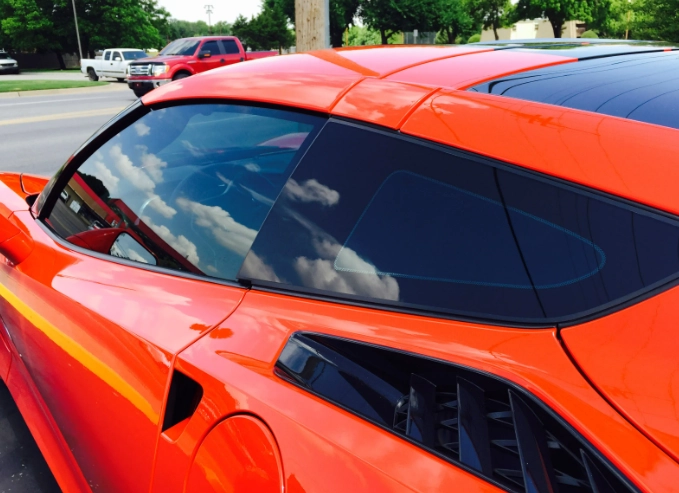
The Installation Process: What to Expect (DIY vs. Pro)
I tried tinting my own pickup truck's rear window with a kit from a big-box store. It was a humid day, and despite my careful cleaning, I got a piece of dust under the film instantly. Then a crease. Then more bubbles. I wasted $60 and an afternoon. The film ended up in the trash.
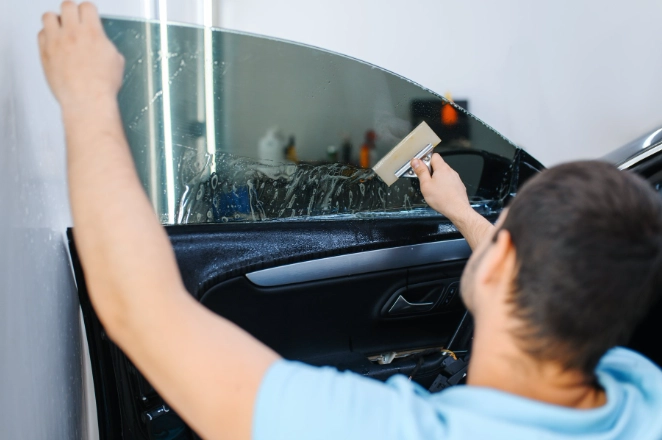
A professional installer works in a climate-controlled, clean room. They use precision-cut patterns (often computer-cut for your exact car model) to ensure perfect edges. They expertly handle the film with a slip solution, squeegee out all liquid, and heat-shrink the film to conform perfectly to curved windows—especially the complex dot matrix edges on rear windshields. This process takes a few hours.
Choosing an Installer: Questions to Ask
- "How long have you been installing, and can I see examples of your work on a car like mine?" (Look for tight seams, no creases, no debris under the film).
- "What specific brand and line of film are you quoting me? Can I see the performance specs?"
- "What does your warranty cover, and is it from you or the manufacturer?" (Manufacturer-backed warranties are best).
- "How long should I wait before rolling down my windows?" (Usually 2-5 days depending on climate).
The cost varies wildly: $150-$300 for a basic dyed job on a sedan, $300-$600 for a quality carbon or ceramic job. For SUVs and trucks, add 30-50%. It's not cheap, but a good install lasts 5-10 years or more.
Keeping It Clear: Care and Maintenance
Your new tint needs a little care to last. The adhesive cures fully over a week or two.
The Golden Rule: Use ammonia-free cleaners. Ammonia, found in most generic glass cleaners like Windex, will break down the dye and adhesive, causing fading and bubbling. Use a soft microfiber cloth and a cleaner labeled safe for tint.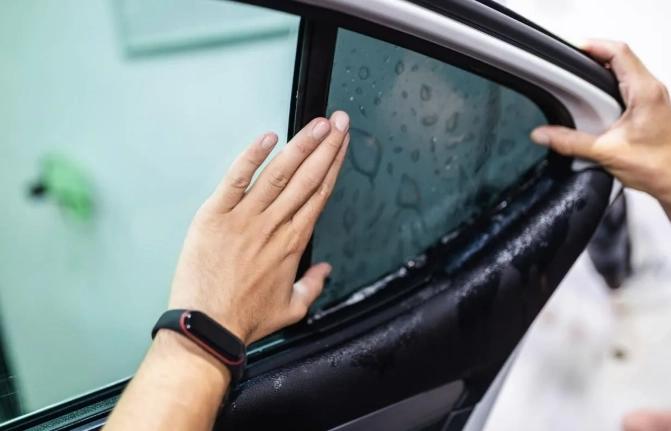
Avoid sharp objects near the edges. When cleaning, don't press hard on the edges where the film meets the seal. If you need to scrape ice or snow from the outside, be gentle around the tinted portions.
Your Window Tinting Questions, Answered
The bottom line? Window tinting is one of those rare car modifications that pays you back in daily comfort, protects your investment, and adds a touch of style. Skip the darkest film, invest in a quality material like carbon or ceramic from a reputable installer, and you'll enjoy the benefits for years. Just remember to keep the Windex far, far away.