Your Guide at a Glance
- Before You Even Think About a Car: The Paperwork Phase
- Conquering the Theory Test: It's Not Just Memorization
- The Learner's Permit: Your Ticket to Practice
- The Big Day: Acing the Practical Driving Test
- You Passed! Now What? (The First Years with Your Full License)
- Driving License FAQs: Your Quick-Fire Questions Answered
- Final Thoughts: It's a Journey, Not a Destination
Let's be real for a second. The whole process of getting your driver's license can feel like a giant, confusing maze. One minute you're excited about the freedom, the next you're drowning in a sea of government forms, obscure rules, and the sheer terror of the road test. I remember staring at the DMV website, completely lost, wondering where to even start. Sound familiar?
Well, breathe. I've been through it, helped friends through it, and I've talked to enough driving instructors to know the inside track. This guide is here to replace that confusion with a clear, actionable roadmap. We're going to cover everything—and I mean everything—from the very first document you need to what to do after that shiny new card is in your wallet. No fluff, just the practical stuff you actually need to know.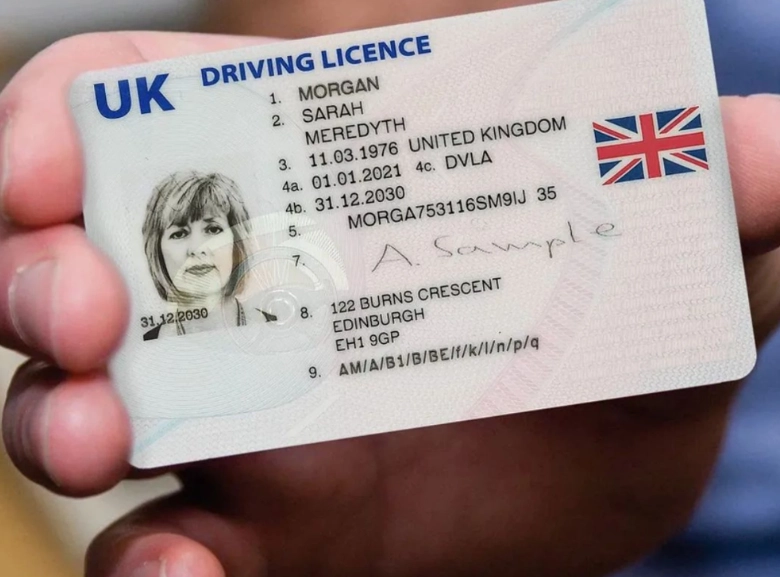
Think of this as your friendly co-pilot.
Before You Even Think About a Car: The Paperwork Phase
This is the part everyone wants to skip, but it's the foundation. Get this wrong, and you're not going anywhere. The specific requirements vary wildly depending on your country, state, or province. I can't give you your exact list, but I can tell you the universal categories you need to prepare for.
First up, proof of who you are and where you live. This usually means your birth certificate or passport, plus a couple of utility bills or a bank statement with your address. They need to be originals or certified copies—no photocopies. Then there's the social security number or equivalent national ID proof.
You'll also need to fill out an application form. Most motor vehicle departments, like the California DMV or the UK's Driver and Vehicle Licensing Agency (DVLA), have these available online. Print it and fill it out at home to save a ton of time at the office.
And don't forget the fee. It's not huge, but have a credit/debit card or check ready. Some places only take cash.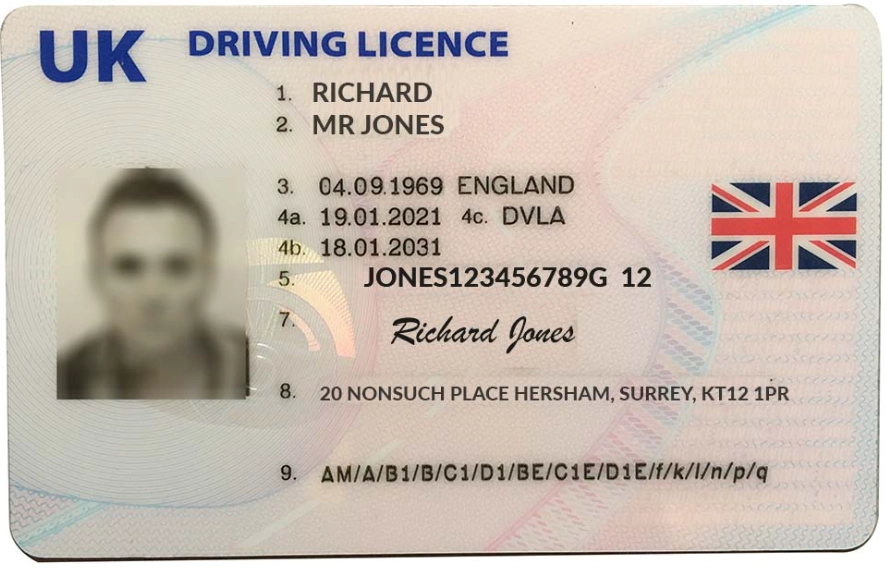
The Medical and Vision Hurdle
This is non-negotiable. You must prove you can see well enough to drive safely. The test is basic: read a Snellen chart (the one with letters) from a distance, and sometimes a peripheral vision check. If you wear glasses or contacts, wear them! Your license will be marked if you need corrective lenses to drive.
For some, a medical report might be needed—especially if you have a condition that could affect your driving, like epilepsy or severe sleep apnea. Your doctor will need to fill out a form stating you're medically fit. It's a bit of a hassle, but it's for everyone's safety.
Conquering the Theory Test: It's Not Just Memorization
Okay, paperwork done. Now you need to prove you know the rules of the road. The written or computer-based theory test is your first real exam. I used to think this was just about memorizing road signs (and there are a lot of those), but it's more about understanding why the rules exist.
How do you study? Official manuals are your bible. Seriously. Get the handbook from your local DMV/DVLA website. Every single question on the test comes from that book. I found reading it cover-to-cover once, then focusing on practice tests, was the winning combo.
Practice tests are a game-changer.
There are tons of free and paid apps and websites that offer sample questions. They get you used to the format—often multiple-choice or “touch screen” identifying hazards in a video clip (the hazard perception test, which is big in the UK). Do them until you're consistently scoring above 90%. The questions often try to trick you with similar-sounding answers, so practice builds that pattern recognition.
Common topics that trip people up? Right-of-way rules (four-way stops are a classic), stopping distances on wet vs. dry roads, and what all those more obscure road signs mean (like the one for “slippery when wet” or “low-flying aircraft”).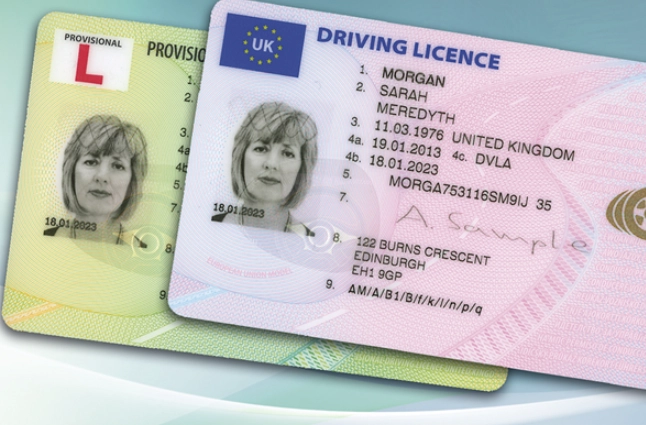
The Learner's Permit: Your Ticket to Practice
Pass the theory test, and you'll get your learner's permit (sometimes called a provisional license). This is a huge moment! But it's not a full driving license. It comes with strings attached, designed to let you learn in a controlled environment.
Typical restrictions include:
- Supervised Driving Only: You must have a licensed adult (often over 25, with a clean record for a certain number of years) in the front passenger seat at all times. No solo trips to the store.
- Zero Alcohol Tolerance: Most places have a strict 0.00% blood alcohol content rule for learner and novice drivers.
- Passenger Limits: You may not be allowed to have any teenage passengers, or only one, to minimize distraction.
- No Night Driving: A common one—you can't drive after a certain time, like 9 or 10 PM.
You'll also usually need to hold this permit for a mandatory period, like 6 months to a year, before you can take the road test. This isn't a waiting period; it's a practice period. Use it.
Making the Most of Your Practice Time
This is where you build real skill. Don't just drive the same easy route to school and back. Challenge yourself (safely, with your supervisor).
My personal recommendation? Get a mix of experiences:
- Empty Parking Lots: Master the basics—steering control, smooth braking, reversing, parking between lines.
- Quiet Residential Streets: Get used to stop signs, speed bumps, and watching for kids or pets.
- Main Roads & Highways: Practice merging, lane changes, and maintaining speed with traffic. This feels scary at first, but it's essential.
- Night Driving: If your permit allows it before the test, do it. Visibility is completely different.
- Inclement Weather: If you can safely practice in rain or light snow with your supervisor, it's invaluable experience.
Consider professional lessons. Even a few with a certified instructor can be worth their weight in gold. They know exactly what examiners look for and can correct bad habits before they form. They also have dual controls, which makes practicing tougher maneuvers less stressful for everyone.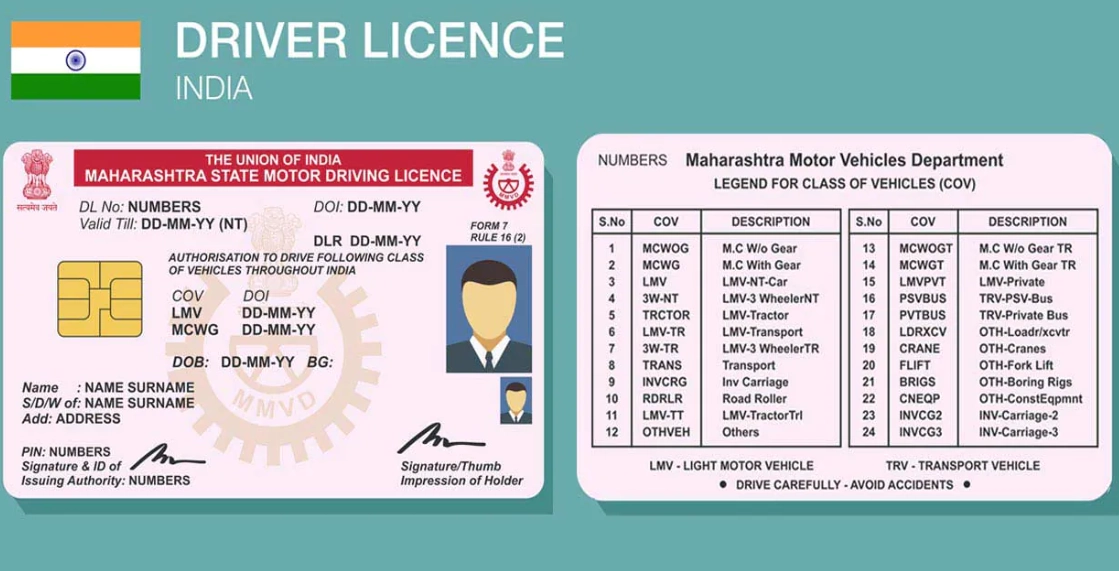
The Big Day: Acing the Practical Driving Test
The day of your road test. The nerves are real. I was so jittery I almost forgot to adjust my mirror. Here's how to turn that anxiety into focused readiness.
Before the Test: Schedule it strategically. Avoid rush hour if you can. Do a 30-45 minute warm-up drive in the area around the test center with your supervisor or instructor. Get a feel for the common routes, tricky intersections, and speed limit changes. Ensure the car you're using is in good working order: lights, signals, brakes, horn, wipers. The examiner will check these (it's called the “vehicle safety check”). No warning lights on the dashboard, clean windows, and make sure the passenger-side floor mat isn't loose—it can interfere with the brake pedal.
During the Test: The examiner isn't trying to trick you. They just want to see that you can drive safely and consistently. Communication is key.
- Mirror, Signal, Maneuver (MSM): Make it obvious. Check your mirrors physically so they see you turning your head. Signal well in advance of any turn or lane change.
- Speed Control: Obey the limits, but also don't drive unnecessarily slowly. Keep up with the safe flow of traffic.
- Observation: Constantly scan your environment. Check blind spots every single time. At junctions, look left-right-left again. Be paranoid about pedestrians and cyclists.
- The Maneuvers: Parallel parking, reverse bay parking, 3-point turn, emergency stop. Take it slow and steady. Use your references (mirrors, windows). It's okay to correct yourself if you're not lined up perfectly, as long as you do it safely and under control. Examiners know you're nervous.
- Independent Driving: Following directions from a sat-nav or traffic signs for a period without turn-by-turn instructions. Don't panic if you miss a direction. It's a test of your general driving, not your navigation. If you go the wrong way, just do so safely and the examiner will redirect you. It won't necessarily be a fail if you drive safely.
Common reasons for failing? Not checking mirrors or blind spots, incorrect positioning at roundabouts, hesitation that becomes obstructive, and speeding are the big ones. Rolling stops at stop signs are an instant fail in most places.
You Passed! Now What? (The First Years with Your Full License)
Congratulations! You've got that plastic card. But the learning doesn't stop. In many jurisdictions, new drivers are on a probationary period for 2-3 years, often with stricter penalties for violations and lower demerit point thresholds.
Your insurance rates will be high. Really high. It's frustrating, but it's based on cold, hard statistics about new driver risk. Shop around, ask about discounts for good grades, completing defensive driving courses, or using telematics devices that monitor your driving.
Now is the time to build good habits for life:
- Never, ever phone and drive. Not even at a red light. Put it in the glove box.
- Continually work on hazard perception. Play the "what if" game. "What if that car door opens? What if that ball rolls into the street?"
- Keep your car maintained. Basic stuff like tire pressure, oil, and washer fluid.
Consider taking an advanced driving course from a recognized organization like the National Safety Council or similar bodies in your country. They teach collision avoidance, skid control, and other skills that go beyond the standard test. Best money I ever spent on driving.
Driving License FAQs: Your Quick-Fire Questions Answered
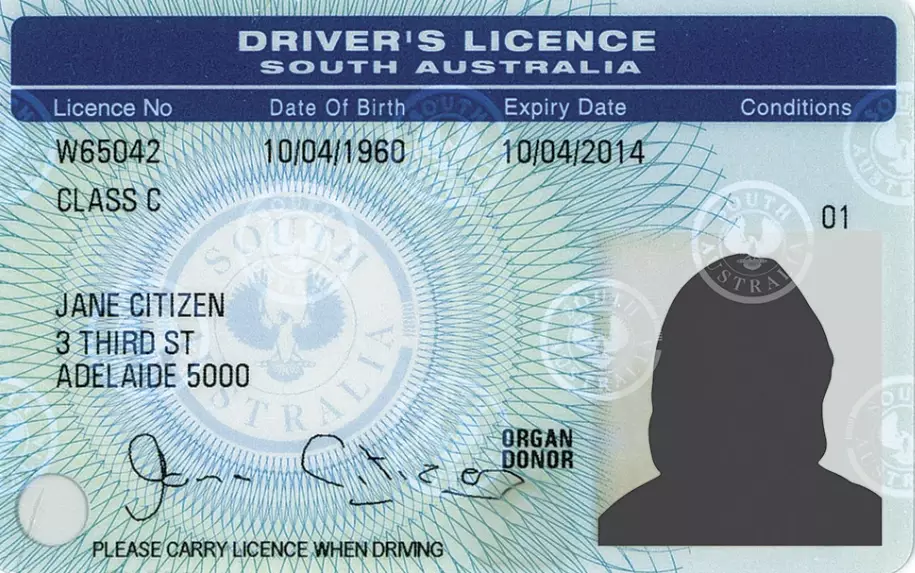
Let's tackle some of the specific questions buzzing in your head.
Final Thoughts: It's a Journey, Not a Destination
Look, getting your driving license is a rite of passage. It's challenging, it's stressful, but it's also incredibly empowering. The goal isn't just to pass a test. The goal is to become a competent, confident, and—above all—safe driver for life.
The process, with all its stages and rules, is actually there to help you build that foundation. Embrace the learning period. Ask questions. Make mistakes in a controlled environment. The freedom of the open road is amazing, but it's a responsibility you share with everyone else out there.
So take it step by step. Nail the paperwork. Ace the theory. Log those practice hours. Walk into your road test prepared. Before you know it, you'll be holding that piece of plastic, not as an end, but as the beginning of a whole new chapter.
Now, go check what documents you need for that learner's permit application. You've got this.