Quick Guide
- Where Do You Even Start? The Three Pillars of a Faster Car
- The First Pillar: More Air In and Out
- The Second Pillar: Telling Your Car's Brain to Work Harder
- The Third Pillar: Handling the Newfound Power
- The Supporting Cast: Tires and Wheels
- Putting It All Together: A Logical Upgrade Path
- Questions You're Probably Asking (The FAQ)
- The Final Word: It's About the Smile, Not Just the Spreadsheet
Let's be honest. You're here because you've typed "best performance upgrades" into Google about a dozen times. You've watched the YouTube videos with the crazy horsepower claims. You've seen the forum posts arguing about cold air intakes until everyone's blue in the face. And you're probably more confused than when you started.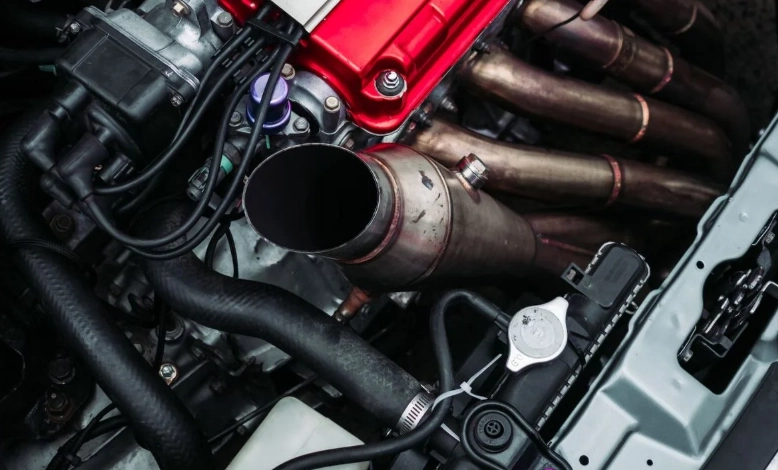
I get it. I've been there. I've wasted money on a shiny "performance" part that did nothing but make my engine bay look busier. I've also installed simple mods that completely transformed how my car felt. The difference between a good upgrade and a useless one isn't always about price. It's about understanding how your car actually works and what's holding it back.
So this isn't another listicle written by someone who just copied specs from a manufacturer's website. This is a practical, from-the-garage guide to getting real results. We're going to talk about power, sure. But we're also going to talk about handling, braking, and that all-important feel. Because the best performance upgrades aren't just about peak numbers on a dyno chart. They're about making your car more fun, more responsive, and more capable every single time you drive it.
Where Do You Even Start? The Three Pillars of a Faster Car
Jumping straight to a turbocharger is like trying to run before you can walk. A balanced approach works better. Think of your car's performance in three interconnected areas:
- Breathing (Intake & Exhaust): How well your engine can suck in air and spit out exhaust. This is the foundation.
- Brain & Spark (Software & Ignition): How efficiently your car manages fuel, timing, and spark. This unlocks potential.
- Bones (Chassis & Brakes): How effectively you can control the power you make. This is what keeps you safe and fast.
Neglecting one for the others leads to a car that's either slow, uncontrollable, or unreliable. The best performance upgrades consider this balance from the start.
The First Pillar: More Air In and Out
Your engine is basically a fancy air pump. More clean, cool air in, and less restriction getting the hot exhaust out, means more power. It's physics 101.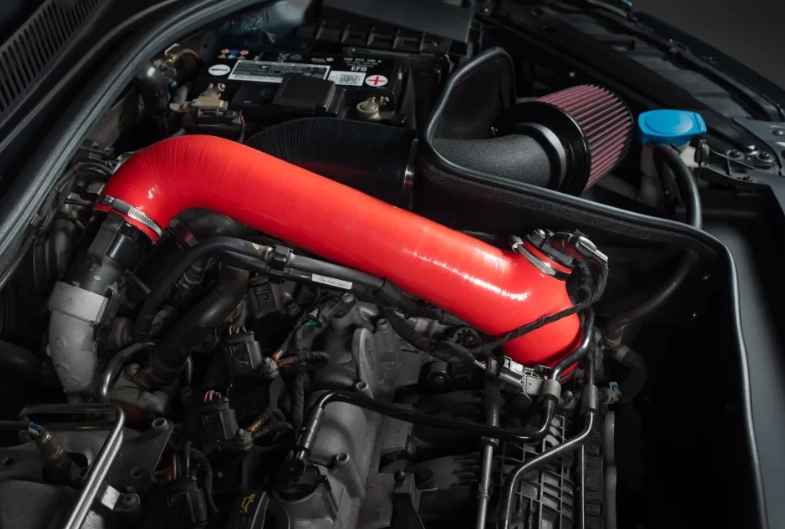
Cold Air Intakes (CAI) - The Classic First Mod
Everyone talks about them. Are they actually among the best performance upgrades for the money? Sometimes.
A good cold air intake does two things: it relocates the air filter to a spot where it can pull in cooler, denser air (cooler air has more oxygen for combustion), and it often uses a less restrictive filter and smoother piping than the stock airbox. The key word is "good." A poorly designed one might just suck in hot air from the engine bay, which can actually lose you power.
I put a well-shielded CAI on my daily driver, and while the butt-dyno didn't feel a huge surge, the car just revved more freely. It felt happier. For the cost and ease of installation, it's a solid starting point.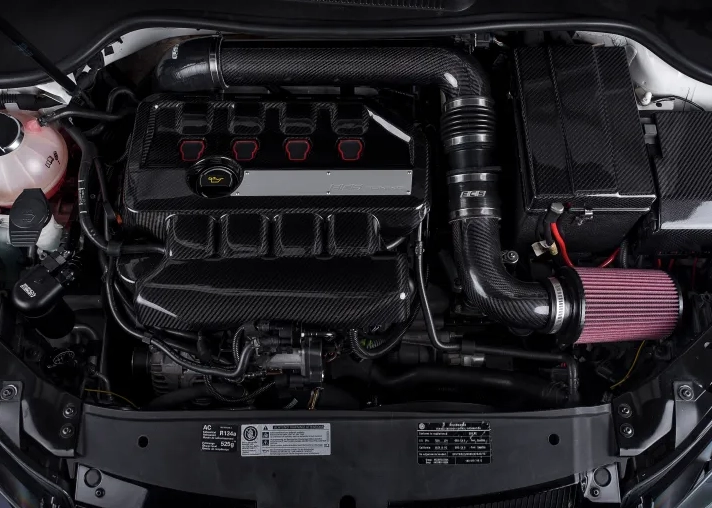
Exhaust Systems: From Cat-Back to Headers
This is where opinions get loud, literally. The exhaust system is a series of potential bottlenecks: the exhaust manifold (or headers), the catalytic converter(s), the resonator, the muffler, and the piping connecting it all.
- Cat-Back Exhaust: Replaces everything from the catalytic converter back. This is the most common and legal first step. A quality cat-back reduces backpressure and improves flow, which can free up a noticeable amount of power (often 10-20 hp) and significantly changes the car's sound profile. It's also usually emissions-legal.
- Headers/Exhaust Manifold: This is the first point where exhaust gases leave the engine. Stock manifolds are often cheap, cast iron, and designed to cram multiple cylinders' exhaust into one pipe, causing turbulence. Aftermarket headers use equal-length, smooth tubing to scavenge exhaust gases more efficiently. The gains can be substantial, especially on older or simpler engines. But beware—on modern cars, this can mess with sensors and often requires a tune. It's also a more invasive install.
- Downpipes & High-Flow Cats: Primarily for turbocharged cars. The downpipe is the pipe right after the turbo. Replacing the restrictive stock one with a larger, high-flow unit (often with a less restrictive catalytic converter) is one of the single most effective power mods for a turbo car. The power gains can be dramatic. However, changing the catalytic converter may affect emissions compliance. You must check your local laws, like those outlined by the U.S. Environmental Protection Agency (EPA), as tampering with emissions equipment is illegal for street use in many areas.
The Second Pillar: Telling Your Car's Brain to Work Harder
This is where the magic happens. Your car's Engine Control Unit (ECU) is a conservative computer programmed for a global market, accounting for bad fuel, extreme temperatures, and a 150,000-mile warranty. It's leaving a lot on the table.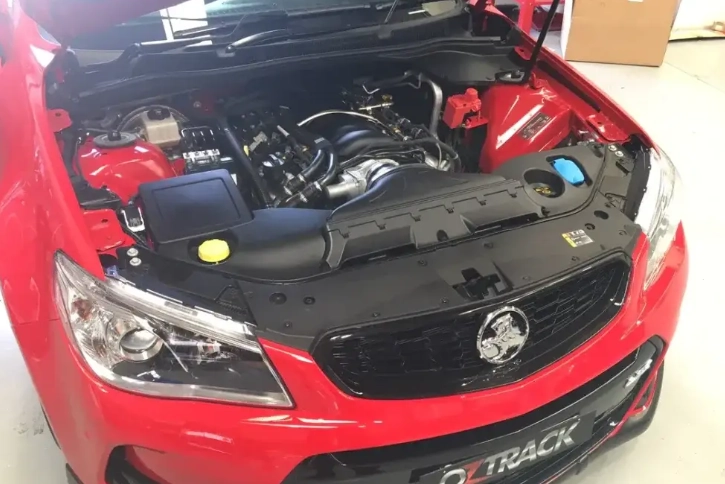
ECU Tuning/Remapping - The King of Performance Upgrades
If I had to pick one single category as the absolute best performance upgrade for most modern cars, it would be a professional tune. You're not adding a physical part; you're optimizing the software that controls every aspect of the engine: fuel injection timing, ignition timing, turbo boost pressure, throttle response, and more.
For turbocharged cars, the gains are often staggering—sometimes 50-100+ horsepower and torque from just a software change. For naturally aspirated cars, the gains are smaller but still meaningful, smoothing out power delivery and sharpening response.
| Tuning Method | How It Works | Typical Gain (Turbo Car) | Pros | Cons |
|---|---|---|---|---|
| Off-the-Shelf (OTS) Tune | Pre-made map loaded via a handheld device or software. | 25-50% HP Increase | Affordable, easy, safe for basic mods. | Not customized for your specific car/fuel/conditions. |
| Custom Dyno Tune | Pro tuner adjusts maps in real-time on a dynamometer. | 30-60%+ HP Increase | Maximizes your exact setup, safest power. | Expensive, requires a specialist. |
| Piggyback Module | Intercepts and modifies signals to the ECU. | 20-40% HP Increase | Often removable, less detectable. | Can be a "band-aid" solution, may not control all parameters. |
A good tune transforms the car's personality. The throttle becomes razor-sharp. Turbo lag diminishes. The power band feels wider and stronger. It makes every other supporting mod work better.
Supporting Spark: Ignition Coils and Plugs
If you're increasing power, especially with forced induction or a tune, you're asking the ignition system to light a denser, more volatile air-fuel mixture. Weak spark leads to misfires, which kills power and can damage the engine.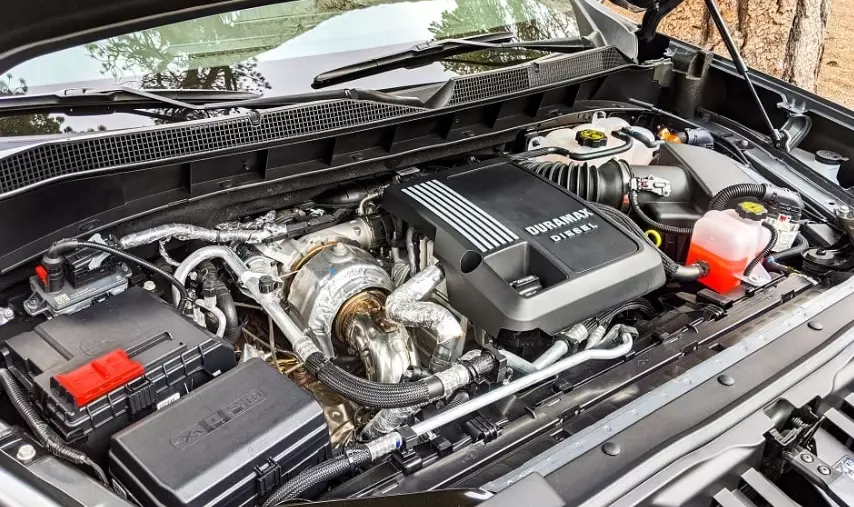
Upgrading to high-performance spark plugs (colder heat range) and quality ignition coils is cheap insurance. It's not a power-adder on its own on a healthy stock engine, but it ensures your new-found power is delivered reliably. Think of it as strengthening the foundation before building a taller house.
The Third Pillar: Handling the Newfound Power
What good is 100 extra horsepower if you're too scared to use it in a corner, or if you can't stop the car? Chassis mods are what make a fast car feel planted, confident, and safe.
Suspension: Springs, Coilovers, and Sway Bars
This is a deep rabbit hole. The goal is to reduce body roll, improve grip, and sharpen turn-in.
- Lowering Springs: The entry-level option. They lower the car's center of gravity and are usually stiffer than stock, reducing body roll. They're affordable but you're stuck with your stock shock absorbers, which may wear out faster.
- Coilover Kits: These replace the entire spring and shock assembly. They offer height adjustability and, in more expensive sets, damping (stiffness) adjustability. This is the go-to for serious handling improvement. A quality set of coilovers is transformative. The car feels glued to the road. But a cheap, ultra-stiff set will ruin ride quality and can actually hurt grip on bumpy roads.
- Sway Bars (Anti-Roll Bars): These connect the left and right wheels. A thicker rear sway bar, for example, can reduce understeer (the car wanting to plow straight in a corner) and make the car rotate more eagerly. It's one of the best bang-for-buck handling mods you can do.
Brakes: The Most Important Performance Upgrade
I'm serious. More power means you need to stop from higher speeds, more often, and with less fade. Fade is when your brakes get hot and stop working effectively. It's terrifying.
You don't always need gigantic, expensive multi-piston calipers. A great staged approach is:
- High-Performance Brake Pads: The single biggest improvement you can make. Stock pads are designed to be quiet and low-dust. Performance pads have a higher friction coefficient and better heat tolerance. The bite is incredible. The downside is they often dust more and can squeal when cold.
- Braided Steel Brake Lines: Stock rubber lines can expand under high pressure (like during hard braking). Steel lines don't expand, giving a firmer, more direct pedal feel.
- High-Temperature Brake Fluid: Stock brake fluid absorbs moisture and has a lower boiling point. Under track use or repeated hard stops, it can boil, causing a spongy pedal and complete brake failure. Flushing with a high-performance fluid like DOT 4 or DOT 5.1 is critical for any spirited driving. The standards for these fluids are set by organizations like SAE International.
- Big Brake Kits (BBK): The final step. Larger rotors and multi-piston calipers offer massive heat capacity and stopping power. They're expensive and often require larger wheels, but for serious track use, they're essential.
After upgrading my pads and fluid, the confidence to brake later and harder completely changed how I drove on twisty roads. It's an unsung hero of performance driving.
The Supporting Cast: Tires and Wheels
This deserves its own headline. The best performance upgrade you can buy is a set of high-quality summer performance tires. Full stop.
Your tires are the only four contact patches between your car and the road. All the horsepower, the perfect suspension, the monster brakes—they all work through those patches of rubber. Putting cheap, all-season tires on a modified car is like wearing dress shoes to run a marathon.
A great tire improves grip in every direction: acceleration, braking, and cornering. The difference in lap times or canyon-carving confidence between a mediocre tire and a top-tier one is larger than most engine mods will give you. Don't cheap out here. It's the foundation of everything else.
Lighter wheels are a fantastic supporting mod. Reducing unsprung weight (weight not held up by the suspension, like wheels, tires, brakes) allows the suspension to react faster to bumps, improving grip and ride quality. It also makes the car feel more nimble. But tires come first.
Putting It All Together: A Logical Upgrade Path
Feeling overwhelmed? Here's a sensible, staged path for a typical front-engine, turbocharged sport compact car. This is how you build a balanced, reliable performance machine.
Stage 1: The Foundation (Street-Focused)
- High-Performance Tires
- High-Performance Brake Pads & Fluid
- Cat-Back Exhaust (for sound and minor flow)
- Off-the-Shelf ECU Tune
This combo transforms daily driving feel with minimal compromise.
Stage 2: Unlocking Potential (Aggressive Street / Occasional Track)
- Cold Air Intake
- High-Flow Downpipe (check emissions legality!)
- Intercooler Upgrade (keeps intake air cool under boost)
- Custom Tune (to maximize Stage 2 hardware)
- Coilover Suspension or Spring/Sway Bar Combo
- Braided Brake Lines
Now you have serious power and the chassis to start using it.
Stage 3: Dedicated Performance (Frequent Track Use)
- Upgraded Fuel Pump & Injectors (for more fuel)
- Big Turbocharger or Supercharger Kit (major power)
- Fully Built Engine Internals (for reliability at high power)
- Big Brake Kit
- Lightweight Wheels & Extreme Performance Tires
- Aggressive Aerodynamics (for downforce)
- Roll Cage & Safety Equipment
This is a full-blown project car. The costs escalate quickly.
Questions You're Probably Asking (The FAQ)
Let's tackle the real-world stuff that keeps people up at night.
What's the single most cost-effective best performance upgrade?
For a turbo car: a tune. The power-per-dollar ratio is unbeatable. For any car: performance tires. The grip-per-dollar transforms the entire experience.
Will these upgrades void my warranty?
This is the big one. In the US, under the Magnuson-Moss Warranty Act, a dealer must prove that your aftermarket part directly caused a failure to deny warranty coverage. However, in practice, if you blow your turbo with an aggressive tune, they will likely deny the engine warranty claim. Modding and new-car warranties are often at odds. Proceed with caution if your car is new.
Do I need to upgrade my clutch or transmission?
If you have a manual transmission and add significant torque (especially with a tune), the stock clutch may start slipping. It's a wear item designed for stock power levels. Be prepared to upgrade to a performance clutch kit as part of your power mods. Automatic transmissions have torque limits too; some can handle moderate power increases, but others may need valve body or cooler upgrades for longevity.
How important is maintenance after modding?
More important than ever. A stressed, higher-performance engine needs fresh, high-quality oil, coolant, and filters more frequently. Neglecting maintenance on a modified car is a surefire recipe for a very expensive failure. You're asking the machine to work harder; you need to take better care of it.
Should I dyno my car?
Before and after major mods, a dyno run is incredibly useful. It gives you a baseline, proves your gains (or reveals a problem), and ensures your air-fuel ratios are safe. It's not just for bragging rights; it's a diagnostic tool.
The Final Word: It's About the Smile, Not Just the Spreadsheet
Chasing the ultimate list of best performance upgrades can become a clinical numbers game. Don't forget why you started this. It's about the connection to the machine, the sharper turn-in as you enter your favorite curve, the immediate surge when you press the pedal, the confidence of knowing you can stop on a dime.
Start with the foundation—tires and brakes. Then unlock some power. Then make sure you can handle it. Do your research, buy quality parts from reputable brands, and if you're not sure, find a good specialist mechanic or tuner. The community forums specific to your car model are goldmines of tried-and-tested information.
Most importantly, drive it. Feel the differences each change makes. That's the real reward. Not a dyno sheet, but the stupid grin on your face after a great drive in a car that you've personally made better. That's the point of all this.
Now get out there. Just remember to keep it safe and legal on the streets. Save the limits for the track.