The Xiaomi SU7 isn't just another electric car. It's the first car from a tech giant known for disrupting markets with aggressive pricing. Everyone's asking the same thing: how much does it actually cost, and does that number make sense against giants like Tesla? The short answer is, the starting Xiaomi SU7 price is surprisingly competitive, but the devil—and the real value—is in the details of its different versions.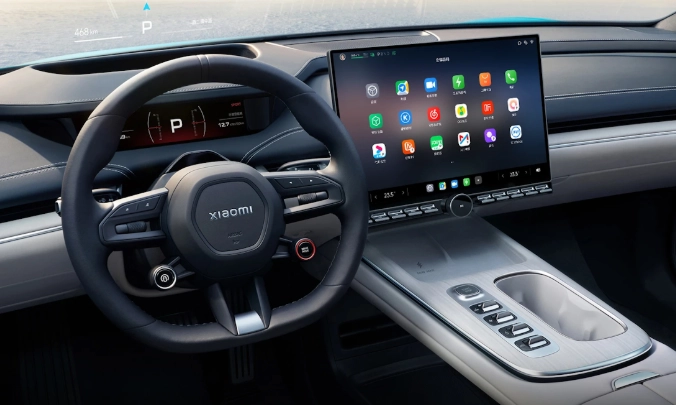
I've spent weeks digging into the specs, comparing configurators, and talking to early reservation holders. What most blogs miss is that the SU7's pricing strategy is a classic Xiaomi move: a headline-grabbing base price to get you in the door, with the higher trims offering performance that, on paper, embarrasses cars costing twice as much. But should you care about that performance? Let's break it down without the marketing fluff.
What's Inside This Guide
What is the Xiaomi SU7 Price? (A Trim-by-Trim Breakdown)
Xiaomi launched the SU7 with three main variants. The prices here are for the Chinese market (in CNY), as global pricing is still TBA. However, converting these gives us a crystal-clear picture of their positioning. Use a rough conversion of 1 CNY ≈ 0.14 USD for ballpark figures.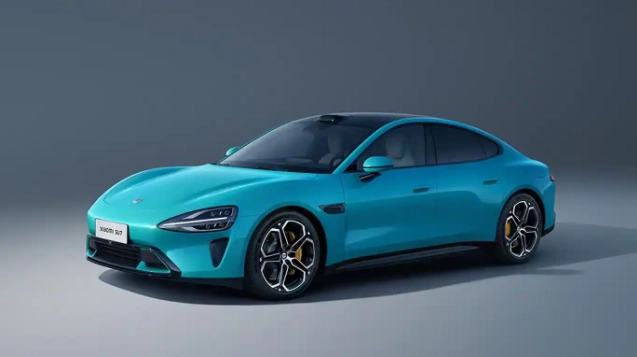
| Trim Level | Starting Price (CNY) | ~ USD Equivalent | Key Specs | Who It's For |
|---|---|---|---|---|
| SU7 Standard | 215,900 | ~ $30,200 | RWD, 220kW motor, 700km CLTC range (BYD Blade LFP battery) | The value seeker. Prioritizes range and cost over neck-snapping speed. |
| SU7 Pro | 245,900 | ~ $34,400 | RWD, 220kW motor, 830km CLTC range (CATL Qilin battery), more luxury features | The range-anxiety conqueror. Wants max distance and premium touches. |
| SU7 Max | 299,900 | ~ $42,000 | AWD, 495kW motors, 2.78s 0-100km/h, 800km range, active rear spoiler, etc. | The performance enthusiast. Must have the fastest version, tech flagship. |
Now, here's the non-consensus take everyone glosses over: the SU7 Standard is the smartest buy for 95% of people. The 700km range is more than enough, and the LFP battery is cheaper, safer, and can be charged to 100% daily without significant degradation. The Pro trim adds range you likely won't need for a hefty premium. The Max is a technological showcase—incredible, but that sub-3-second acceleration is a party trick, not a daily necessity.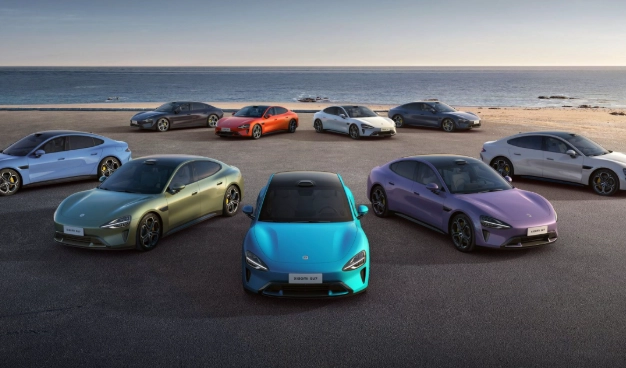
Key Insight: Don't get blinded by the Max's performance specs. The real story is the Standard trim's price. At roughly $30k, it undercuts the base Tesla Model 3 in China by a significant margin while offering more standard luxury and tech features. That's the market disruption.
What Do You Actually Get for Your Money?
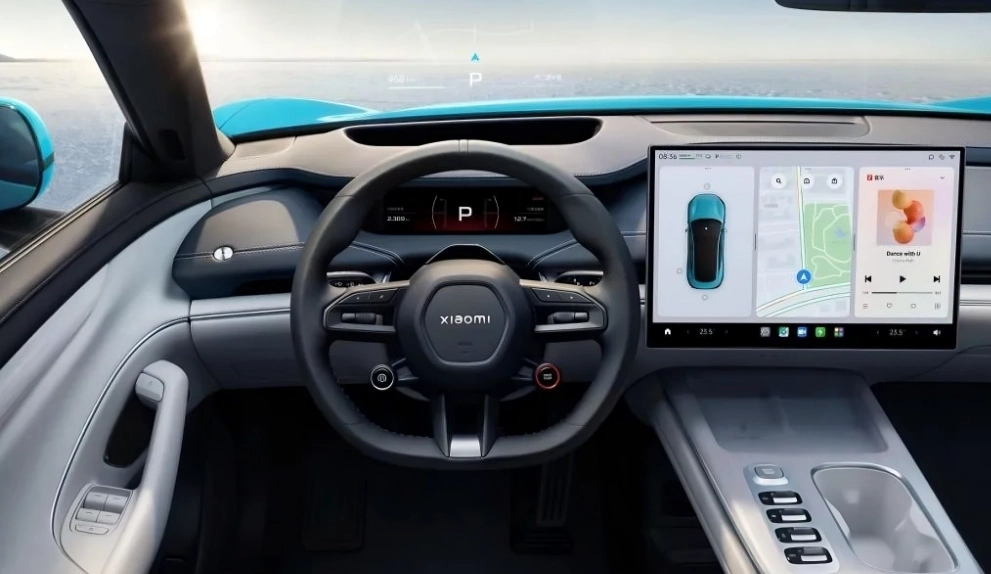
Xiaomi packs its tech expertise into the cabin. Even the base SU7 Standard includes:
- A massive 16.1-inch 3K central touchscreen (like a giant iPad)
- A 7.1-inch rotating instrument cluster
- Xiaomi's HyperOS, allowing deep integration with their ecosystem of phones, tablets, and smart home devices
- Comprehensive ADAS (advanced driver-assistance systems) as standard
- Ventilated and heated front seats
- A panoramic glass roof
The higher trims add more speakers, better interior materials, lidar for enhanced self-driving capabilities, and of course, the brutal performance of the Max.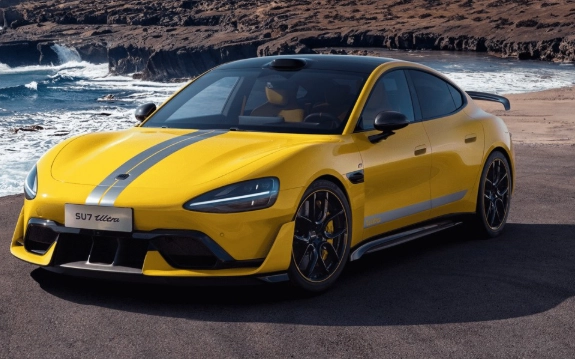
How Does the Xiaomi SU7 Price Compare to Tesla?
This is the comparison everyone makes. Let's be specific. In China, the base Tesla Model 3 Rear-Wheel Drive starts around 245,900 CNY. The base Xiaomi SU7 Standard starts at 215,900 CNY.
That's a 30,000 CNY (about $4,200) price difference in Xiaomi's favor.
For that lower price, the SU7 Standard offers: a longer claimed range (700km vs. the Model 3's 606km CLTC), a larger central screen, and arguably a more luxurious interior design out of the gate. The Model 3 counters with Tesla's mature Supercharger network and proven, polished software.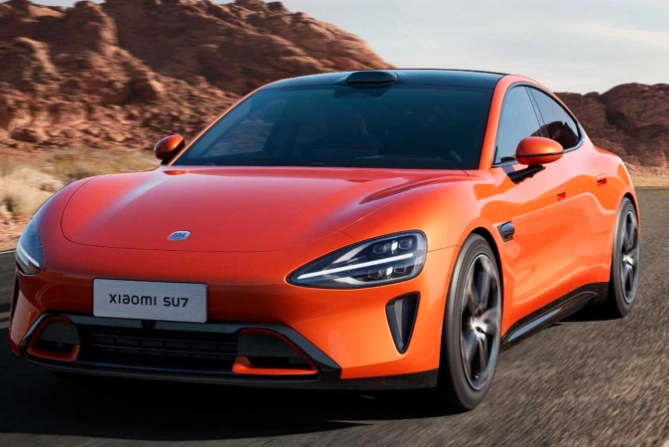
The Xiaomi SU7 Max vs. Tesla Model 3 Performance is a closer price fight, with the SU7 often slightly cheaper while boasting better paper specs (faster acceleration, longer range).
Beyond the Sticker: The Real Cost of Owning a Xiaomi SU7
Thinking only about the showroom price is the biggest mistake new EV buyers make. The total cost of ownership (TCO) is different.
Insurance: As a new model from a new automotive brand, insurance premiums for the SU7 might be higher initially than for an established model like the Model 3. Companies price based on repair cost data they don't have yet.
Charging: This is where you save. Home charging is cheap. But consider the cost of installing a home charger if you don't have one. Public charging costs vary wildly. Xiaomi plans to build its own super-fast charging network (like Tesla's Superchargers), but its rollout speed will be critical.
Maintenance & Depreciation: EVs have lower routine maintenance (no oil changes). The unknown is the SU7's long-term reliability and, crucially, its resale value. New brands often suffer from steep initial depreciation until they prove their long-term quality. A Tesla, for all its quirks, holds its value relatively well because of brand strength and proven battery longevity.
So, the SU7's TCO equation looks like this: Lower upfront price + potentially higher insurance + unknown depreciation vs. Higher upfront price + potentially lower running costs + better-known resale value.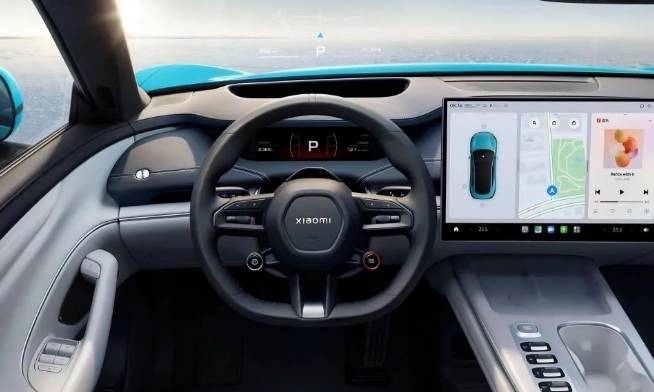
Who Should Buy the Xiaomi SU7? (And Who Should Wait)
Based on the price and value analysis, here's my blunt advice.
Buy the Xiaomi SU7 Standard if: You're a tech enthusiast who loves the Xiaomi ecosystem, you want the most features for your money, you have reliable access to charging (home or a dense public network), and you plan to keep the car for a long time (5+ years) to offset depreciation concerns.
Consider the SU7 Max if: You absolutely must have the fastest car in its price bracket, and you view the car as much as a tech gadget as transportation. You're willing to pay for bragging rights and early adopter status.
Wait or Look Elsewhere if: You are risk-averse, prioritize a proven service network and high resale value above all else, or live in a region where Xiaomi's automotive support is non-existent. In that case, a Tesla, Hyundai Ioniq 6, or BYD Seal might be a less exciting but safer bet.
One more thing. Leasing might be a smarter option for the SU7 than buying outright, especially for the Max trim. It shields you from the worst of the depreciation risk. Check if Xiaomi or local dealers offer attractive lease deals.