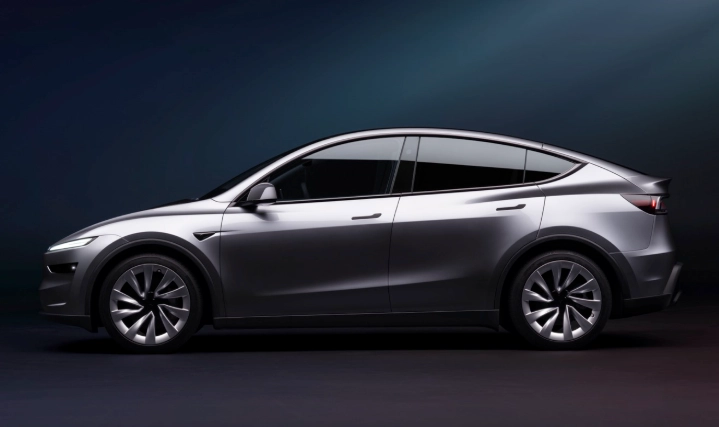
Let's cut to the chase. If you've been following the news, you've seen the headlines: "Tesla Deliveries Drop," "Demand Concerns Mount," "First Year-Over-Year Decline Since 2020." It's true. After years of seemingly unstoppable growth, Tesla hit a speed bump. Their global deliveries dipped in recent quarters, sending shockwaves through the EV world and Wall Street. But here's what most articles miss—this isn't just a simple story of "people don't want Teslas anymore." It's a complex cocktail of market saturation, fierce new competition, and some self-inflicted wounds. As someone who's tracked this company from the Roadster days, I see this slump as a pivotal, inevitable moment. It was never going to be a straight line up forever.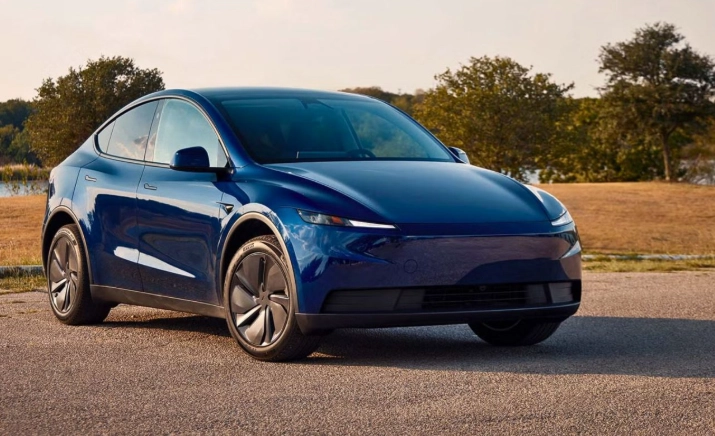
Your Quick Guide
The Data Behind the Drop
First, let's ground this in numbers. In Q1 2024, Tesla reported delivering approximately 386,810 vehicles worldwide. That was a significant drop from the 422,875 they delivered in Q4 2023, and more critically, it was down about 8.5% from the same quarter the previous year. This marked the first year-over-year decline since the pandemic disrupted everything in 2020. The trend wasn't a one-off blip. Inventory started piling up on lots—a sight unfamiliar for a company used to a months-long order backlog. You could walk into a store and often drive away with a Model Y or Model 3 that same day. That shift from "waiting list" to "available inventory" tells you everything about the change in demand dynamics.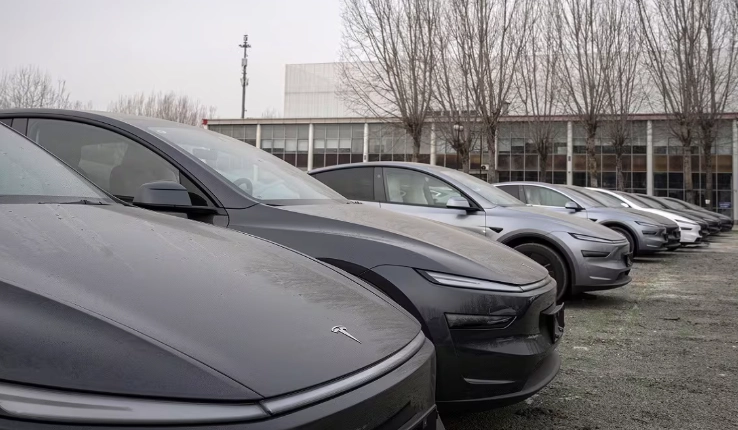
| Quarter | Global Deliveries | Year-Over-Year Change | Key Context |
|---|---|---|---|
| Q1 2023 | ~422,875 | +36% | Peak growth post-price cuts. |
| Q4 2023 | ~484,507 | +20% | Strong end to the year. |
| Q1 2024 | ~386,810 | -8.5% | The slump becomes clear. |
| Recent Quarter | Varies | Struggling for growth | Increased competition bites. |
The financial reports from Tesla's Investor Relations page show the strain. While still profitable, the automotive gross margin—a key metric watched by analysts—has been under pressure. It's a classic sign: when demand softens, you either cut prices to move metal (hurting margins) or you hold the line and watch sales fall.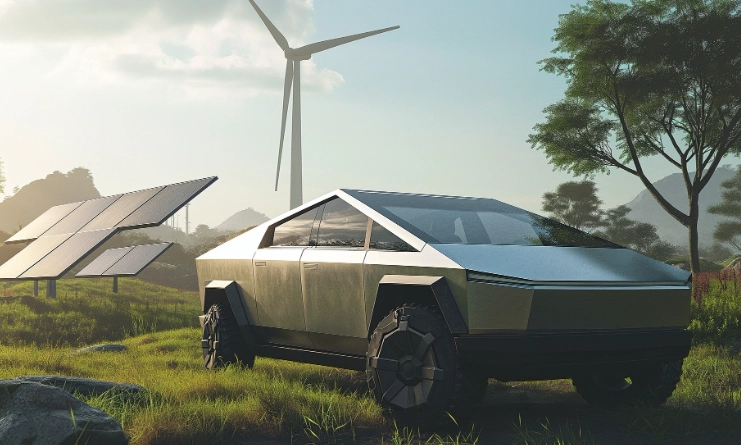
Why Did Tesla Sales Slow Down? (The Real Reasons)
Everyone points to high-interest rates. That's part of it, but it's the easy, surface-level answer. The real story is deeper.
The Model 3 and Y Are Getting Long in the Tooth
The Model 3 launched in 2017. The Model Y followed in 2020. In the tech and auto world, that's a lifetime. While Tesla has made incremental updates—like the controversial removal of ultrasonic sensors and the addition of ambient lighting—the core design and user experience have remained largely unchanged for years. Meanwhile, competitors are launching brand-new, ground-up EV designs with the latest interiors, faster charging, and fresh aesthetics. Tesla's minimalist interior, once revolutionary, now feels sparse to some buyers comparing it to the plush, screen-filled cabins of newcomers from Hyundai, Kia, or even Chinese brands.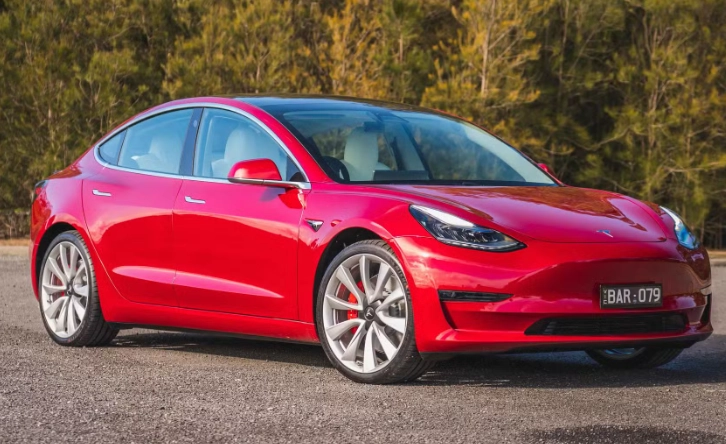
The Early Adopter Market is Saturated
This is a huge, under-discussed factor. For years, Tesla sold to EV enthusiasts, tech early adopters, and environmentally conscious buyers with higher disposable income. That pool is not infinite. Most people who really wanted a Tesla and could afford one have likely already bought one. The next wave of buyers—the mainstream, pragmatic majority—are different. They're more price-sensitive, more practical about charging if they don't have a garage, and they cross-shop aggressively with hybrids and even efficient gas cars. Tesla is now fighting in this much tougher, more crowded market.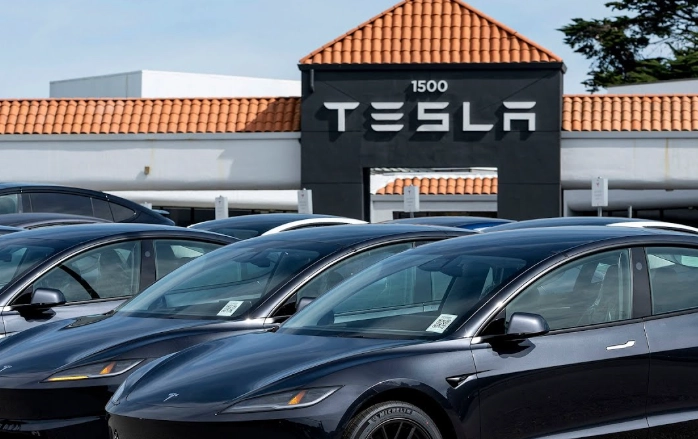
Competition is No Longer Theoretical
Remember when Tesla had the EV performance and range market nearly to itself? Gone. The Ford Mustang Mach-E, Hyundai Ioniq 5, Kia EV6, and Volkswagen ID.4 are all credible, excellent alternatives. In many markets, especially Europe and China, the competition is even fiercer. BYD, in particular, has overtaken Tesla in global pure EV sales by offering incredibly compelling, affordable models that make Tesla look expensive. This isn't 2018 anymore. Buyers have real choices.
Tesla vs. The New EV Battleground
Let's zoom in on the competition, because this is where the rubber meets the road for your buying decision.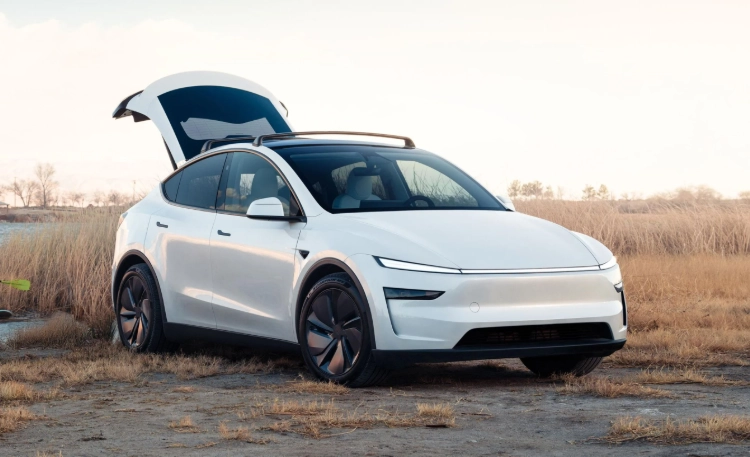
It's not just about having an alternative. It's about where those alternatives excel. Hyundai and Kia offer 800-volt architecture for blisteringly fast charging—often faster than Tesla's Supercharger in ideal conditions. Brands like Rivian and Ford have captured the "adventure" aesthetic with the R1T/S and F-150 Lightning, areas where Tesla's Cybertruck has been absent or niche. In the luxury space, Mercedes-Benz and BMW are finally delivering EVs (EQE, i4, i5) with build quality and ride comfort that highlight Tesla's sometimes firm ride and occasional cabin rattles.
The most brutal fight is in the $25,000-$35,000 range. This is the volume sweet spot. Tesla has been promising a "$25,000 model" for years, but it's not here. BYD's Dolphin and Seagull are. Chevrolet has the Equinox EV. These are the cars for the masses, and Tesla's current lineup, even after price cuts, often starts above this range. This gap leaves a huge flank exposed.
What This Means For You (The Buyer)
If you're in the market for an EV, this sales slump is arguably the best thing that could have happened to you.
Negotiating power has flipped. You're no longer a supplicant on a waiting list. You can shop around, test drive multiple brands, and use inventory as leverage. Dealers (for other brands) and Tesla's own sales teams are more motivated to make a deal. You're likely to find inventory discounts, lower financing rates (if offered directly), or thrown-in accessories like home charger credits.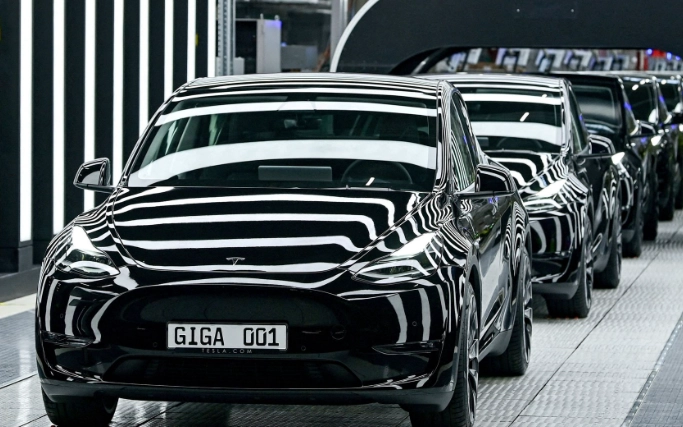
My advice? Drive a Tesla, but also drive at least two competitors. Pay attention to the little things: the feel of the turn signals, the comfort of the seats on a 45-minute drive, the clarity of the driver's display (if the competitor has one), and the ease of using the basic controls without diving into a touchscreen. For families, compare rear seat space and comfort. The Tesla's glass roof is gorgeous until a hot summer day with kids in the back—something a traditional roof with a shade might handle better.
The competition forces Tesla to innovate again on the customer experience, not just the technology. That's a win for everyone.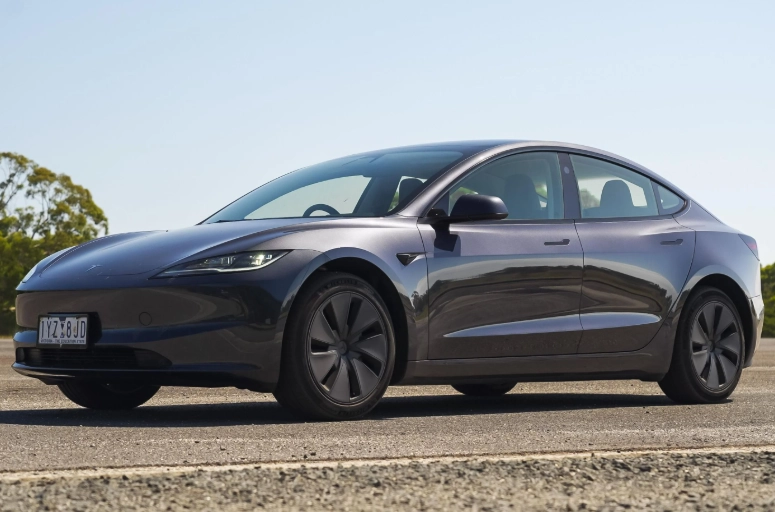
Tesla's Path Forward: More Than Just Cars
To dismiss Tesla because of a few rough quarters is a mistake. They have massive advantages: the best-in-class Supercharger network (now opening to other brands, which is a genius revenue move), industry-leading efficiency in their drivetrains, and a direct-to-consumer sales model that others envy. Their manufacturing cost per vehicle is still a benchmark.
The future hinges on a few key moves. The long-promised "next-gen affordable platform" is non-negotiable. They need that $25,000-$30,000 car to compete globally, especially in growth markets like Asia and South America. Secondly, Full Self-Driving (FSD) needs to transition from a beta promise to a widely certified, reliable product. That's a software moonshot that could redefine the value proposition overnight. Finally, their energy business (solar, Megapacks) is growing rapidly and could become a stabilizing profit pillar less subject to the whims of consumer auto demand.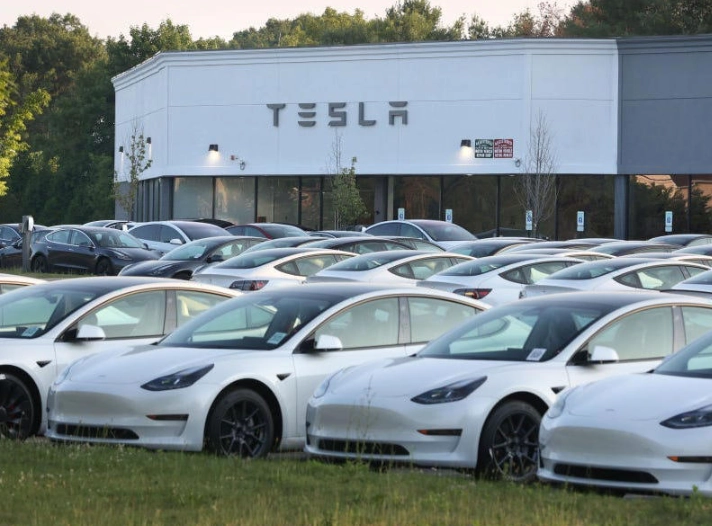
The sales slump is a reality check, not a death knell. It's the transition from a disruptive startup to a mature automotive company navigating a complex global market. The next few years will show if they can adapt.
Your Tesla Sales Slump Questions, Answered
Is now a bad time to buy a Tesla because of the sales decline?
It might be one of the best times from a pure value perspective. High inventory and pressure to move units often lead to unadvertised incentives or more willingness to negotiate. However, also consider that a major refresh for the Model 3 (Highland) and Model Y (Juniper) is rolling out globally. You might get a great deal on an "old" inventory model, or you might prefer to wait for the updated version with better noise insulation, ambient lighting, and rear screen. It's a trade-off between price and latest features.
How will this Tesla demand issue affect my car's resale value?
In the short term, increased supply and aggressive new car pricing will soften used Tesla values. We've already seen this. That's bad if you're selling soon. Long term, resale value depends more on battery longevity, software update support, and the brand's overall health. Tesla's strong software update history is a positive here that many competitors can't match yet. My tip: if you plan to keep the car for 6+ years, don't sweat short-term resale fluctuations.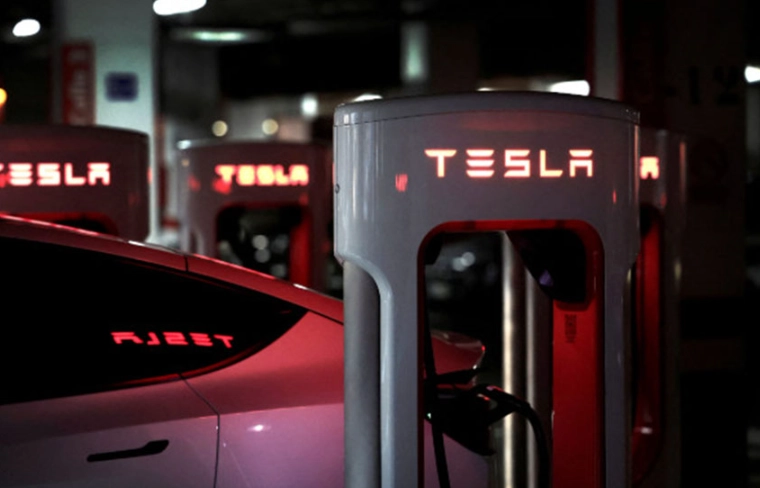
Should I be worried about Tesla going out of business?
No. This is a profitability and growth-rate challenge, not a solvency crisis. Tesla has one of the strongest balance sheets in the industry, with massive cash reserves and very low debt. They have the financial runway to weather a downturn and invest in new models. The risk isn't bankruptcy; it's that they become a smaller player in a vast EV market they helped create, rather than the dominant one.
Are the price cuts a sign of lower quality or desperation?
Not necessarily lower quality. The cuts are primarily a function of reduced raw material costs (like lithium) and, more importantly, Tesla's relentless focus on manufacturing efficiency. They can build cars cheaper than most rivals. The "desperation" angle is overblown—it's a strategic lever to maintain volume in a competitive market. However, the constant cost-cutting ethos can sometimes manifest in parts that feel less premium (e.g., the removal of lumbar support in passenger seats, simpler door trim). It's value engineering, for better or worse.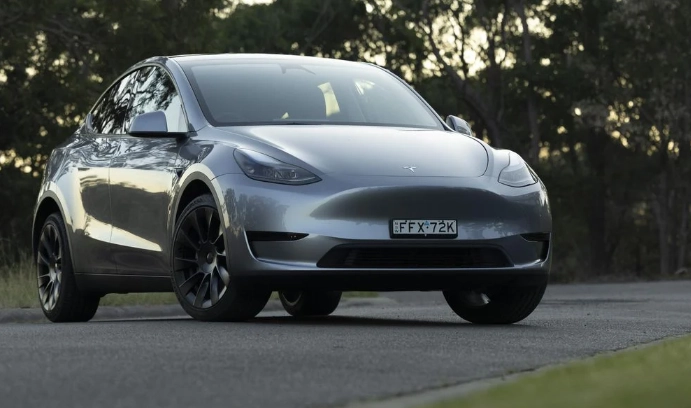
Is BYD really beating Tesla, and what does that mean?
In terms of pure battery electric vehicle (BEV) production and sales volume, BYD has surpassed Tesla globally. This is a seismic shift. What it means is that the future of EVs will be fiercely contested and global. BYD's strength is incredible vertical integration (they make their own batteries and chips) and dominating the affordable segment. Tesla's strength is brand, software, and charging. They're playing different games in the same stadium. For you, it means more choice and better prices as these giants compete.