In This Guide
- Breaking Down the Numbers: A Window-by-Window Guide
- What Happens If You Get Caught With Illegal Tint in NY?
- The Medical Exemption Loophole (It's Not Easy)
- Making the Decision: To Tint or Not to Tint in New York?
- Your Action Plan: Before, During, and After Installation
- Straight Answers to Your Burning Questions
You see it all the time in the city and on the thruway – cars with windows so dark you can't tell who's inside. It looks cool, gives you privacy, and blocks the sun. But then you hear about friends getting pulled over and ticketed, and you start wondering: what is the legal tint in NY, really? Is it worth the risk? The short answer is New York has some of the strictest, most specific window tint laws in the country, and they enforce them. Getting it wrong isn't just about a "fix-it" ticket anymore; it can hit your wallet hard and become a real hassle.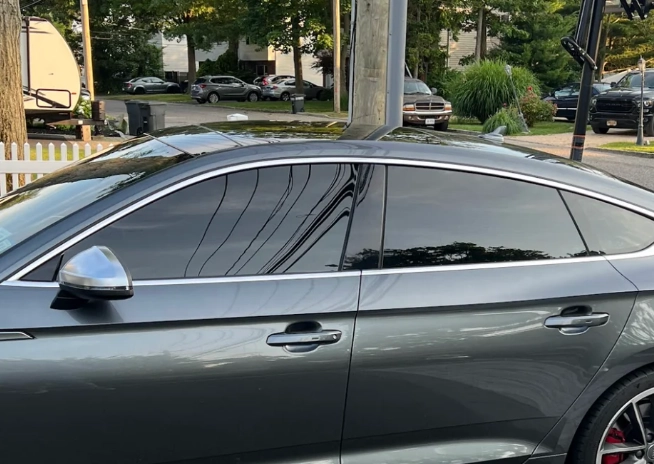
I learned this the hard way a few years back. A buddy of mine, let's call him Mike, bought a used car down in Florida and drove it back to Buffalo. The windows were tinted nice and dark, just how he liked it. He got stopped three times in his first month up here. Not for speeding, just for the tint. The third stop came with a fine that made him wince, and a mandatory court appearance. He ended up stripping all the tint off just to avoid future headaches. That experience sent me down a rabbit hole of researching the actual laws, talking to installers, and even digging into traffic court records. What I found was a mix of clear rules, common misunderstandings, and a system that's not always forgiving.
The Core Answer: In New York State, the legal tint for the front side windows (driver and passenger) and the windshield is very restrictive. The law, specifically New York State Vehicle and Traffic Law (VTL) Section 375 (12-a), mandates that these windows must allow more than 70% of light in. That means the tint can only block 30% of light, which is a very light shade – barely noticeable. Most people looking for privacy or heat reduction want something much darker, which immediately puts them in conflict with the law for those critical front windows.
Breaking Down the Numbers: A Window-by-Window Guide
Asking "what is the legal tint in NY?" gets you one headline number, but the details matter. The law treats different windows on your car differently. It's all about Visible Light Transmission (VLT) – the percentage of visible light that gets through the glass and the film combined. A higher VLT percentage means a lighter tint (more light comes in). A lower VLT means a darker tint (less light comes in). New York measures this on the combined result.
Here’s the breakdown that every New York driver needs to have memorized. This table isn't just a suggestion; it's the rulebook.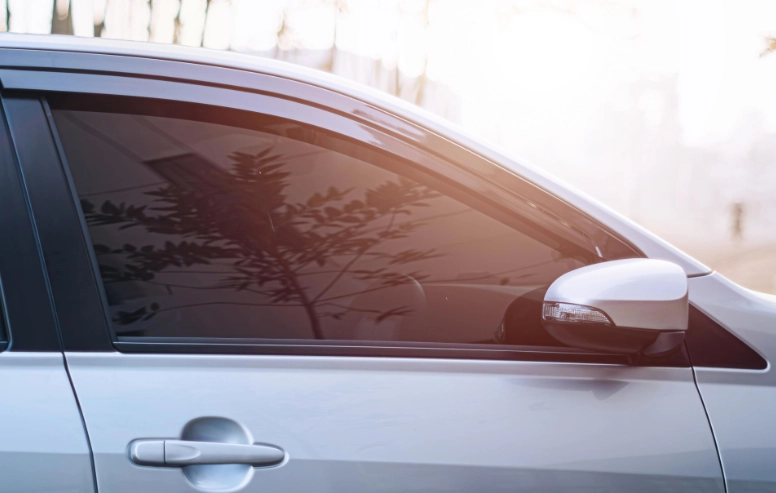
| Window Location | Legal NY VLT % (Minimum Light Allowed) | What This Looks & Feels Like |
|---|---|---|
| Windshield | >70% | Only a non-reflective tint strip on the top 6 inches is allowed. The vast majority of the windshield must be completely clear. |
| Front Side Windows (Driver & Passenger) | >70% | Extremely light. Factory glass often lets in about 70-80% light, so adding any aftermarket tint film will likely push you below the legal limit. This is the #1 ticket spot. |
| Rear Side Windows | Any Darkness Allowed | You can go as dark as you want here, even full limo blackout tint. This is where you get your privacy. |
| Rear Window (Backglass) | Any Darkness Allowed | Same as rear side windows. You can make it very dark, but remember: if you have two side mirrors, both must be functional. If your rear window is too dark, your center mirror becomes useless. |
See the pattern? The state is obsessed with driver visibility and making sure law enforcement can see into the front compartment of a vehicle during a traffic stop. It's a safety and security thing. The rear passenger and cargo areas? They mostly don't care. This two-tiered system is the single most important thing to understand.
That 70% figure for the front windows is non-negotiable for most drivers.
Why 70%? The Safety vs. Privacy Debate
It feels arbitrary, right? Why not 50% or 35%, like some other states? The logic from Albany, backed by studies from groups like the Governors Highway Safety Association (GHSA), revolves around two main points: nighttime driving safety and officer safety during interactions.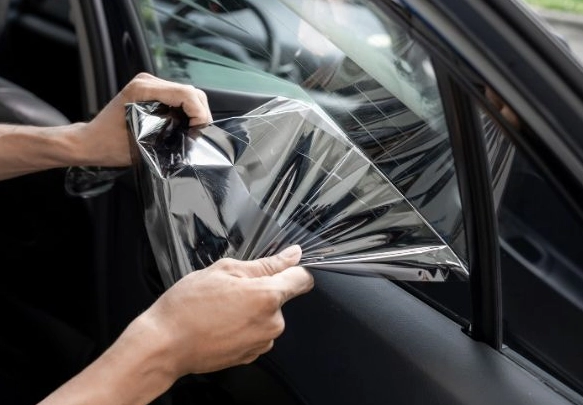
At night, especially on unlit upstate roads or in rainy conditions, darker tints significantly reduce your ability to see pedestrians, cyclists, and road hazards. Your eyes are adapted to the lit interior of your car, and dark windows turn the outside world into a murky shadow. It's a legitimate concern. I've driven cars with 20% tint at night, and you find yourself rolling down the windows just to make a turn at a dark intersection – it's not ideal.
The officer safety angle is the other big one. Police unions lobby hard for these restrictions. When an officer approaches a vehicle, they want a clear view of the driver's and passenger's hands and what's on their laps or the seats. A darkly tinted front window creates a dangerous unknown. It's a perspective I grudgingly get, even if it frustrates me as a driver who just wants less glare and heat.
The Reflectivity Trap: Here's a sneaky rule that catches people off guard. New York law also states that window tint cannot be more than reflective than standard window glass. In practical terms, avoid mirror-like, metallic, or shiny tints. If your car looks like a rolling mirror, you're asking for a ticket, regardless of the VLT percentage. The law aims to prevent glare for other drivers.
What Happens If You Get Caught With Illegal Tint in NY?
Let's say you roll the dice and get your front windows tinted to a cool-looking 20%. What's the actual risk? It's not just a slap on the wrist anymore.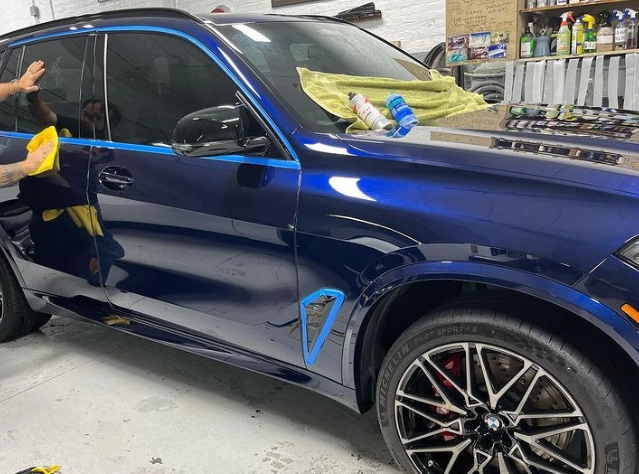
First, it's a primary offense. An officer doesn't need any other reason to pull you over. They see dark front windows, that's probable cause. Once you're stopped, they'll often use a simple handheld device called a tint meter to measure the VLT of your windows. If you're below 70%, you're getting a ticket.
The financial penalty has gotten stiffer. We're not talking a $50 fine. You're looking at a fine that can easily exceed $150 for a first offense, plus mandatory state surcharges and fees that can double the total cost. The ticket itself is typically a violation under VTL 375(12-a).
But here's the real kicker, and something many websites gloss over: You will likely have to appear in court. This isn't always a "pay online and forget it" ticket. The judge will often require proof that you've corrected the violation before they dismiss the fine. That means you have to strip the illegal tint off your front windows, get the car inspected by a law enforcement agency or sometimes a DMV official to verify compliance, and then bring that certificate of compliance back to the court. It's a time-consuming, multi-step process.
Multiple tickets for the same violation can lead to higher fines and points on your license. It just becomes a massive nuisance. Is that dark tint worth several trips to court and the installation fee going down the drain? For most people, suddenly it's not.
The Medical Exemption Loophole (It's Not Easy)
You might have heard, "Oh, you can just get a doctor's note." It's not that simple. New York does have a process for a medical exemption to the tint laws, but it's bureaucratic and requires legitimate, documented need.
Eligible conditions are specific and must be certified by a licensed physician or optometrist. Think serious, light-sensitive conditions like lupus, melanoma, porphyria, or certain severe eye disorders like photophobia following cataract surgery. "The sun is too bright" or "I get migraines" generally won't cut it with the DMV. The doctor must fill out a specific form (MV-80U) stating that you must operate a vehicle with tinted windows for medical reasons.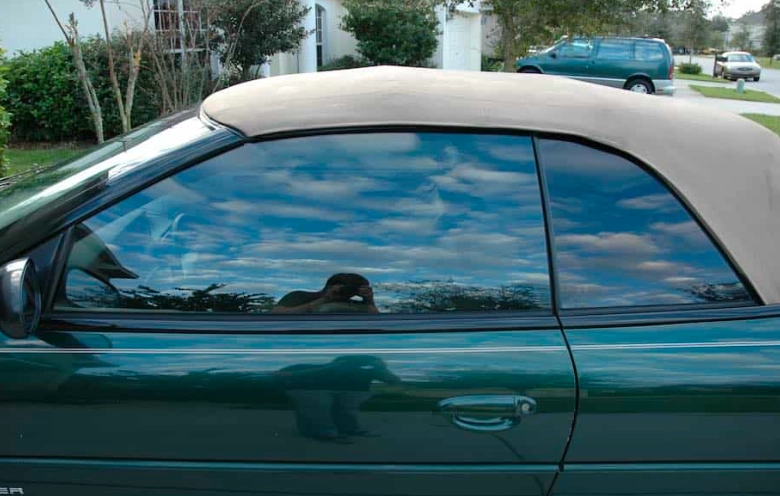
Even with the form, you're not free to go as dark as you want. The exemption allows you to go below the 70% VLT limit, but the exact permitted darkness isn't clearly defined by a number in the law. It's supposed to be the minimum level needed for the medical condition. You must carry the original certified MV-80U form in the vehicle at all times and present it to law enforcement. And remember, this only potentially exempts the front side windows; the windshield rules (except the top strip) remain.
It's a real process, not a handy loophole.
Making the Decision: To Tint or Not to Tint in New York?
Okay, so the law is tough. What's a practical New Yorker to do? You have options, each with pros and cons.
Option 1: Play It Strictly Legal (The Safe Route)
- Front Windows: Install a high-quality, clear ceramic film with a VLT of 70% or higher. Many reputable brands like Llumar, 3M, or XPEL make "air" series films that are virtually clear (often 70-80% VLT). The benefit? You get significant heat rejection (infrared blocking) and up to 99% UV protection without changing the appearance of your windows. This protects your skin and your car's interior from sun damage. It's an invisible upgrade.
- Rear Windows: Go as dark as you want here. A 20% or even 5% (limo) tint is completely legal on the rear sides and back window. This gives you the privacy for passengers and cargo, and combined with the clear film up front, it still gives the car a cohesive, slightly shaded look from the outside.
Pro Installer Tip: When you get a quote, ask specifically for a "NY Legal" or "70% VLT" film for the front windows. A good installer will know the law and should even measure your factory glass first. Some factory glass starts slightly below 70%, and adding any film would be illegal from the start. They should tell you this.
Option 2: The Calculated Risk (What Many Actually Do)
Let's be honest here. A huge number of cars on New York roads, especially in the five boroughs and Long Island, have front window tint that is darker than 70%. People accept the risk. They often choose a 50% or 35% tint, which is dark enough to provide noticeable privacy and glare reduction but not so dark that it screams "pull me over." The strategy involves a few factors:
- Location, Location, Location: Enforcement is notoriously uneven. Upstate towns and state troopers on the Thruway are generally much stricter. Some NYC precincts may be less focused on it unless you're involved in another violation. It's a gamble.
- Car Color & Model: A black SUV with dark tint blends in. A bright red sports car with the same tint attracts attention.
- Driving Behavior: Don't give them another reason. If you have illegal tint, you absolutely must drive flawlessly—perfect signaling, exact speed limit, working lights. The goal is to be invisible.
If you go this route, understand you are accepting a possible financial and time penalty. Budget for a potential ticket. And for heaven's sake, roll down both front windows immediately if you see flashing lights behind you. It's a sign of respect and removes the officer's primary safety concern before they even get to your door. It won't get you out of the ticket, but it can set a better tone for the interaction.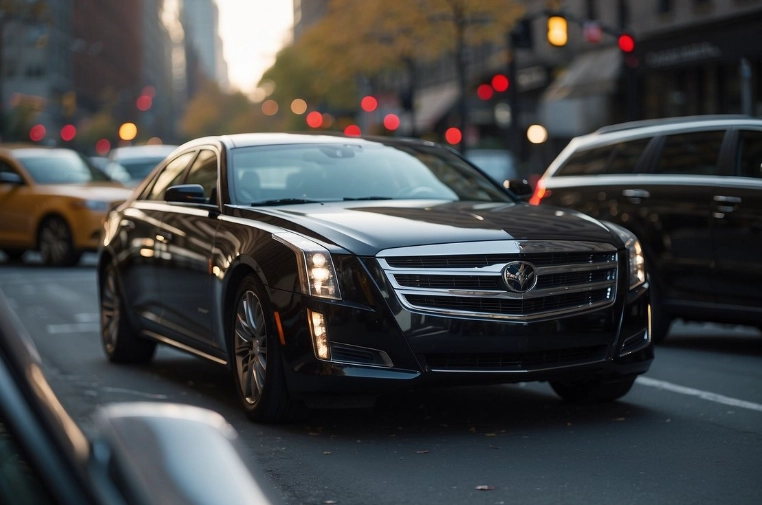
Option 3: The High-Tech, Legal Alternative
Technology is offering a clever workaround. The latest generation of ceramic window films can block an astonishing amount of heat (solar energy) while remaining very high in visible light transmission. We're talking about films that are 70%+ VLT (perfectly legal) but reject 40-50% of total solar heat. Older, dyed films needed to be dark to block heat. New ceramic films use advanced nanoparticles to do the job invisibly.
It's more expensive, but you get the functional benefits—a cooler car, protected interior, reduced UV—without the legal risk. This is becoming the go-to choice for drivers who want the performance but have zero interest in dealing with law enforcement.
Your Action Plan: Before, During, and After Installation
If you've decided to proceed, here's a checklist to do it right.
Before You Call an Installer:
- Know Your Why: Is it heat reduction? UV protection? Privacy? Aesthetics? Your goal will determine the best film type (dyed, metallic, ceramic, carbon). Ceramic is the performance king but costs more.
- Research Installers, Not Just Prices: Look for shops with strong reviews that specifically mention knowledge of NY laws. Ask them point-blank: "Will my front windows be legal according to NY's 70% VLT law?" A shady shop will say "Yeah, sure, no problem." A reputable one will explain the options and even show you sample swatches on a meter.
- Get It in Writing: On your invoice/contract, have them specify the brand and stated VLT percentage of the film they are installing on each window. This is your receipt and your defense if there's a dispute about what was installed.
After Installation:
- The Cure Period: New tint needs 3-5 days (longer in cold weather) to fully dry and adhere. Don't roll the windows down during this time. Tiny bubbles are normal and should disappear.
- Keep Your Paperwork: File that invoice with your car's documents. If you have a medical exemption, keep the MV-80U in your glove compartment.
- Be Smart: Understand the rules of the road now apply to you a little differently. You have reduced visibility at night. Adjust your driving accordingly.
Straight Answers to Your Burning Questions
Let's tackle the specific things people search for when trying to figure out what is the legal tint in NY.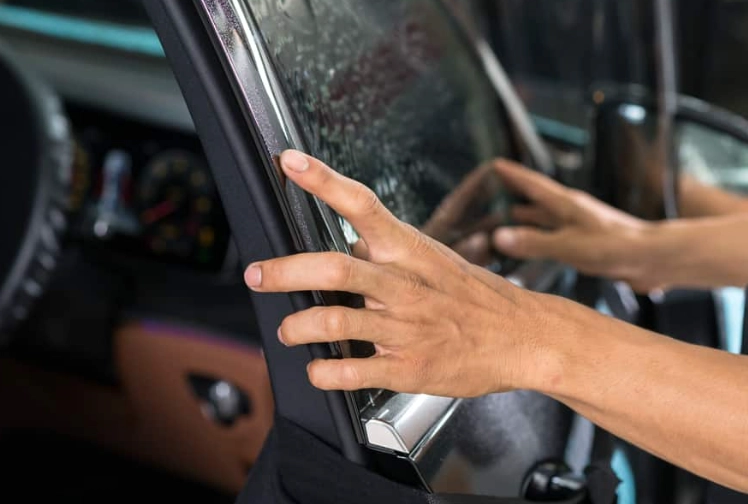
No. For the front side windows and windshield, 50% VLT is illegal. It allows only 50% of light in, which is well below the 70% minimum requirement. This is a very common misconception.
Even more illegal for the front windows. These are popular shades in other states but will almost guarantee a ticket in NY if on the driver/passenger windows. They are perfectly fine for the rear side and back windows, though.
Yes, absolutely. It is a primary enforcement law in New York State.
New York does not have a formal certificate of compliance system like some states. However, after receiving a ticket, you will need proof of correction from law enforcement or the DMV to show the court. Your installer's invoice is your best daily documentation.
For the front windows, the darkest legal tint is one that results in a combined VLT of just over 70%. Since factory glass is often around 70-80%, this usually means adding a film that is itself 70-90% VLT, resulting in a final product that may be around 50-60% VLT. It's a light shade. For the rear windows, the darkest legal tint is 0% (full blackout).
With a tint meter. It's a small device placed against the inside of your window. It shines light and measures how much comes through. It's quick and leaves little room for argument.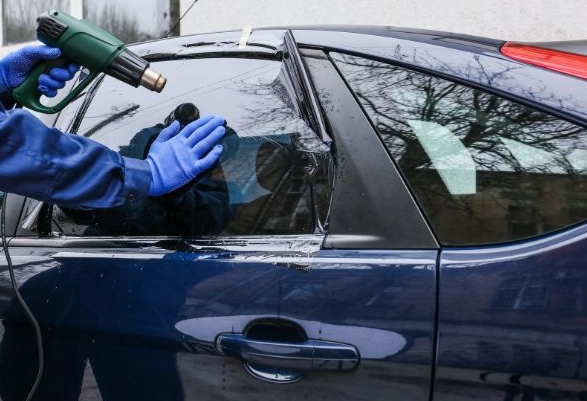
Figuring out what is the legal tint in NY boils down to a simple choice: do you want performance or privacy without the legal risk, or are you willing to trade potential fines for a darker look? The law itself is unambiguous, even if enforcement feels random. My personal take? With the amazing heat-rejection technology available in clear films today, going the 100% legal route with a high-end ceramic film on the front windows is the smartest move. You get the core functional benefits—a cooler, more protected car—and you never have to glance nervously in your rearview mirror when you see a police car. That peace of mind, for me, is worth more than a slightly darker window.
Ultimately, knowing the exact answer to "what is the legal tint in NY?" empowers you to make an informed decision, whether you choose to follow the letter of the law or understand the precise risk you're taking by bending it. Drive safe out there.