Roadmap to Safety
- Why Traffic Rules Exist (It's Not Just About Tickets)
- The Non-Negotiables: Traffic Rules You Absolutely Must Know
- Decoding the Signs and Signals: More Than Just Shapes and Colors
- The Rules Everyone Gets Wrong (Or Chooses to Ignore)
- Special Situations and Vulnerable Road Users
- What Happens When You Break the Rules? (Beyond the Fine)
- Traffic Rules in the Age of Technology
- Your Action Plan: From Knowing to Doing
- Common Questions About Traffic Rules (Answered)
Let's be honest for a second. When you first learned to drive, traffic rules probably felt like a giant checklist of annoying things to memorize for the test. Stop here, signal there, don't go over this number on a yellow sign. It was a hoop to jump through. I certainly thought that way. But then, a few years and many miles later, you start to see things differently. You see a car run a red light and your heart jumps. You watch someone weave through traffic without signaling and you grip the wheel tighter. Those rules? They're not just ink on paper or words in a manual. They're a shared language, a fragile agreement between millions of strangers hurtling past each other in metal boxes. That agreement is the only thing preventing total chaos.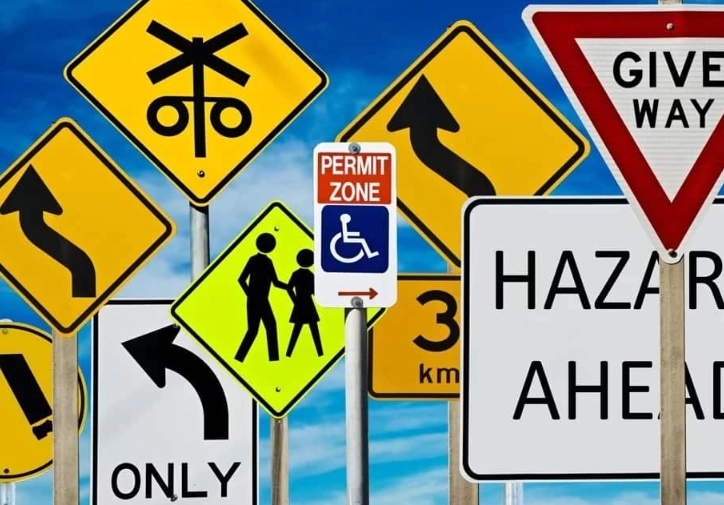
This guide isn't about reciting a dry government manual. It's about understanding the why behind the what. Why do these specific traffic laws exist? What happens when we ignore them (and it's not just a ticket)? How can knowing them inside and out make you not just a legal driver, but a predictably safe one? We're going to dig into the core principles, the most commonly broken rules (and why breaking them is a terrible idea), and how traffic regulations adapt to new technology. My goal is that by the end, you'll look at a stop sign or a speed limit posted not as a restriction, but as a crucial piece of a system designed, imperfectly but importantly, to get us all home.
Bottom Line Up Front: If you take one thing away, let it be this: Traffic rules are a system of predictability. When everyone follows the same basic rules, driving becomes less of a guessing game and more of a coordinated dance. Your safety depends as much on you predicting others' actions as it does on your own skill. The rules provide that script.
Why Traffic Rules Exist (It's Not Just About Tickets)
We all get the basic idea: rules keep us safe. But it's deeper than that. Think of a massive, unregulated intersection with cars coming from all directions. It would be a standstill of honking and near-misses, or worse. Traffic rules solve this by assigning right-of-way. They create order from potential chaos. Organizations like the U.S. Department of Transportation fund and research the engineering behind these rules, proving their effectiveness in reducing fatalities.
Beyond immediate safety, these laws also manage traffic flow. Speed limits, for instance, aren't always just about safety on a perfectly straight, empty road. They're often calculated to optimize the volume of vehicles a road can handle smoothly and to reduce congestion at entry and exit points. They also serve an environmental and community function—lower speeds in residential areas mean less noise and pollution, and a better chance for a pedestrian or a child chasing a ball to survive an encounter with a car.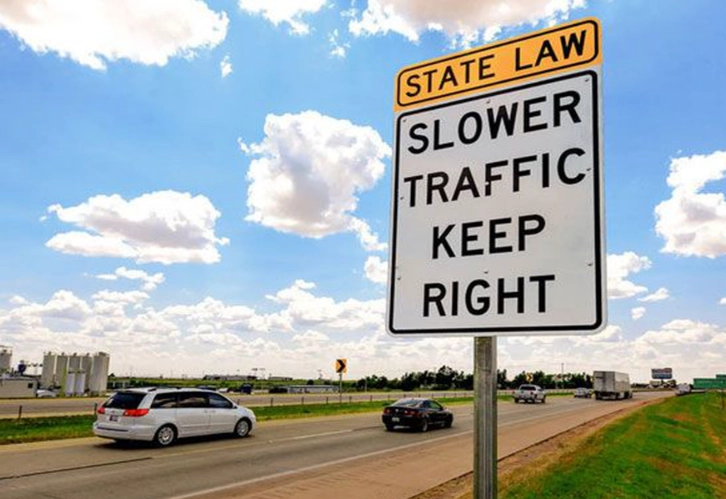
There's a financial and legal framework, too. Traffic laws establish clear liability. If you rear-end someone, the rulebook typically states you were following too closely. This clarity helps insurance companies settle claims and helps courts adjudicate disputes. Without standardized traffic rules, every accident would be a messy argument about who *thought* they had the right to go first.
The Non-Negotiables: Traffic Rules You Absolutely Must Know
Some rules are the bedrock of the system. Mess these up, and you're not just risking a ticket—you're significantly raising the risk of a crash.
Right-of-Way Rules: The Hierarchy of the Road
This is arguably the most important concept in all traffic law. Who goes first? Confusion here causes countless crashes. The hierarchy generally goes like this: Emergency vehicles (with sirens/lights on) > Pedestrians in marked crosswalks > Vehicles already in an intersection > Others based on signs/signals.
At a four-way stop, it's the first vehicle to arrive. If two arrive simultaneously, the vehicle on the right has the right-of-way. Turning left? You must yield to oncoming traffic going straight. These rules remove the guesswork. I've seen too many people wave others on out of "politeness" at a stop sign, only to create confusion and danger. Following the established rule is the truly safe and polite thing to do.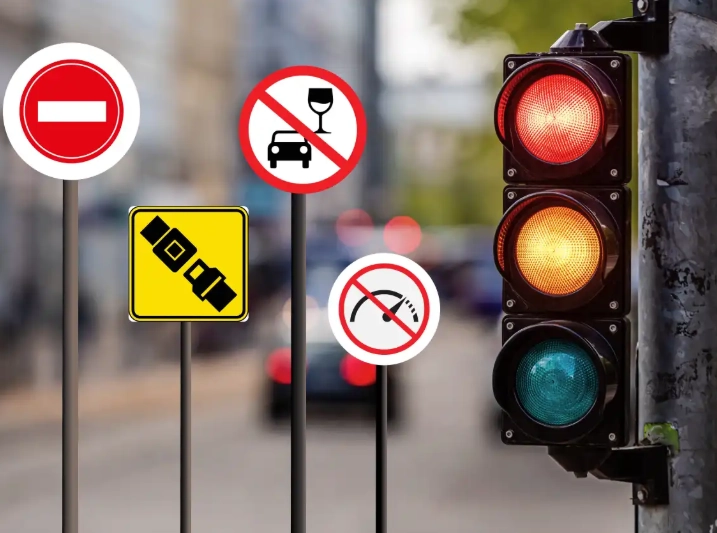
Speed Limits: Not a Suggestion, Not a Target
This is the big one, the most commonly violated of all traffic rules. Let's clear something up: the posted speed limit is the maximum legal speed under ideal conditions. Rain, fog, darkness, heavy traffic? The legally mandated "basic speed law" in most places says you must drive at a speed that is safe for current conditions, even if that's far below the posted limit.
According to the World Health Organization, a 5% increase in average speed leads to approximately a 10% increase in injury crashes and a 20% increase in fatal crashes. The physics is brutal and unforgiving.
Why do people speed? Time pressure, habit, not perceiving the risk. But the risk multiplies. Stopping distance increases quadratically with speed. The force of impact in a crash squares with the speed. A crash at 40 mph isn't twice as bad as one at 20 mph; it's four times the energy. Speed limits are set based on road design, crash history, and pedestrian activity. Ignoring them is gambling with terrible odds.
Signaling: Your Only Way to Communicate Intent
Your turn signals are your car's voice. They tell everyone around you what you plan to do. Using them isn't just a rule; it's a critical courtesy. You should signal well before you turn or change lanes (I aim for at least 100 feet or 5 seconds beforehand), and keep the signal on until the maneuver is complete. Failure to signal is a prime cause of sideswipe collisions and rear-end collisions at intersections. It's a simple act that costs nothing and pays massive safety dividends. Not using it is just lazy and dangerous.
Decoding the Signs and Signals: More Than Just Shapes and Colors
The road communicates with you constantly. Knowing this language is key.
Regulatory Signs (White/Black or Red/White): These are the law. Stop, Yield, Speed Limit, Do Not Enter. They are commands, not suggestions.
Warning Signs (Yellow, Diamond-shaped): Curve ahead, pedestrian crossing, merging traffic. They yell, "Heads up! Something is coming that requires your attention and possibly a change in speed or position."
Guide Signs (Green/Blue/Brown): These provide information. Highway exits, distance to cities, locations of services or recreational areas.
Traffic lights seem simple, but people mess up the "yellow" light all the time. Legally, yellow means "prepare to stop" if it is safe to do so. It does not mean "gun it to beat the red." If you can stop safely, you must. Entering an intersection on a solid red light is a blatant and dangerous violation. Some places even have "red light cameras" that automatically ticket this behavior, and for good reason—T-bone collisions at speed are often catastrophic.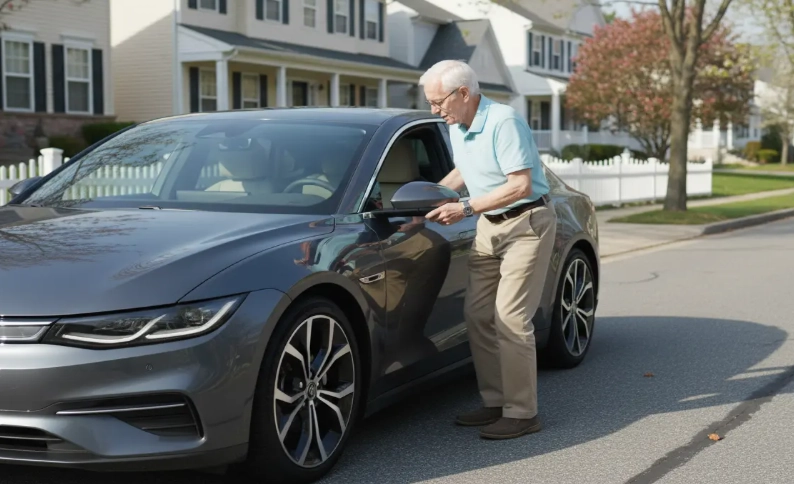
The Rules Everyone Gets Wrong (Or Chooses to Ignore)
Let's talk about the everyday violations that have become almost normal, but are quietly making our roads more dangerous.
The "California Roll" Stop: We've all done it or seen it. Not coming to a complete, wheels-stopped halt at a stop sign. It's a ticketable offense, and it's dangerous because it often means you're not taking the full second to properly look all ways.
Tailgating: Following too closely. The general rule is the "three-second rule." Pick a stationary object. When the car ahead passes it, it should take you at least three seconds to reach it. Double that in bad weather. This gives you time to perceive a hazard, react, and brake. Tailgating turns a minor incident ahead into your major collision.
Lane Discipline: On multi-lane roads, the left lane is generally for passing. Cruising in the left lane forces faster traffic to pass on the right, which is less expected and more dangerous. Once you've passed, move back to the right. This simple traffic rule vastly improves flow and reduces "road rage" incidents.
Distracted Driving: This is the modern epidemic. In most jurisdictions, handheld phone use while driving is illegal. But the law often lags behind the technology. The real rule should be: if it takes your eyes, hands, or mind off the task of driving, it's a violation of the fundamental duty of care you owe to others on the road. Texting is famously as bad as drunk driving. Just don't do it.
Quick Self-Check: Are You a Safe Driver?
- Do you always use your turn signal, even in empty parking lots?
- Do you come to a FULL stop at stop signs?
- Do you check your mirrors every 5-8 seconds and before any maneuver?
- Do you leave a genuine 3-second gap between you and the car ahead?
- Is your phone completely out of reach when you drive?
If you answered "no" to any, that's your free, immediate improvement project.
Special Situations and Vulnerable Road Users
Traffic rules often have special, stricter clauses for situations with higher risk.
School Zones & School Buses
The rules here are fiercely protective, and for obvious reason. Flashing lights and extended stop signs on a school bus mean all traffic in both directions must stop (unless there is a physical median dividing the road). Passing a stopped school bus is one of the most serious moving violations you can commit. School zone speed limits, active during specific flashing hours, are also strictly enforced. The penalties are high because the potential consequences are unthinkable.
Sharing the Road with Cyclists and Motorcyclists
In most places, bicycles have the same rights and responsibilities as cars. This means you must give them a full lane when needed, and when passing, provide ample space (often legally mandated as 3 feet or more). Motorcyclists are entitled to the full width of their lane. Never share a lane with a motorcycle ("lane splitting" is when the motorcyclist does it, and its legality varies). Look twice for them, especially at intersections—their smaller size makes them harder to see, and left-turning cars hitting oncoming motorcycles is a tragically common crash type.
Construction Zones
Speeding fines are often doubled (or more) in active construction zones, regardless of whether workers are present at that moment. The signs are clear, the lanes are narrow, and hazards are unpredictable. Slow down, pay attention, and merge early. Those orange signs and barrels are there for your safety and the safety of the people working just feet away from your car.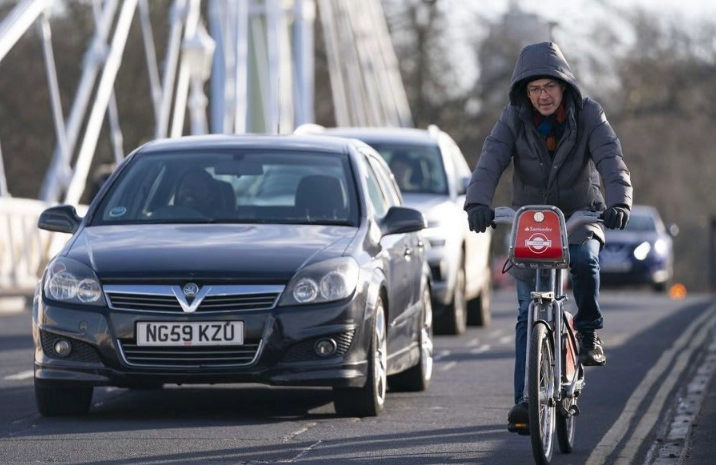
What Happens When You Break the Rules? (Beyond the Fine)
Okay, so you get pulled over. The immediate consequence is a ticket—a fine and often points on your license. Accumulate too many points, and you lose your license. That's the administrative part.
But the real-world consequences are broader. Your car insurance premiums will almost certainly go up. A single speeding ticket can raise your rates for three to five years, potentially costing you thousands more than the fine itself. A more serious violation like a DUI or reckless driving can make you virtually uninsurable or lead to policy cancellation.
Then there's the civil liability. If you violate a traffic rule (like running a stop sign) and cause a crash, that violation will likely establish you as "negligent per se" in the resulting lawsuit. This means you're automatically at fault in the eyes of the law, making it much easier for the other party to sue you for damages, medical bills, and pain and suffering. We're talking life-altering financial consequences.
The ticket is the least of your worries.
Traffic Rules in the Age of Technology
The rulebook is evolving, albeit slowly. How do traditional traffic laws handle new tech?
Hands-Free Laws: As mentioned, most places now explicitly ban holding a phone. "Hands-free" use is often permitted, but the cognitive distraction remains a major safety issue.
Automated Enforcement: Red-light cameras and speed cameras are becoming more common. They're controversial, but their proponents point to data showing they reduce violations and serious angle crashes at intersections. They enforce the rules impartially, 24/7.
The Electric Vehicle and Hybrid Question: Some places are adding rules about where and how EVs can use charging stations, and some are considering weight-based fees since they don't pay gas taxes.
Autonomous Vehicles: This is the frontier. When a self-driving car is involved in a crash, who is liable—the "driver," the manufacturer, the software coder? Governments are scrambling to create new regulatory frameworks. The core principles of traffic rules—safety, predictability, right-of-way—will remain, but how they are implemented and enforced is up for a massive rewrite. The UK Government's Code of Practice for self-driving vehicles is an example of early attempts to establish these new guidelines.
Your Action Plan: From Knowing to Doing
Knowledge is useless without application. Here’s how to internalize these traffic rules.
1. Do a Rules Refresher. Every few years, dig out your state's or country's official driver handbook online and skim it. You'll be surprised what you've forgotten or what has changed.
2. Practice Defensive Driving. This is the art of driving to save lives, time, and money, despite the conditions around you and the actions of others. It assumes other drivers will make mistakes and violations. A defensive driving course (often available online) can refresh skills and sometimes even reduce insurance premiums.
3. Be the Example. When you're in the car with family or friends, model perfect behavior. Come to complete stops. Signal always. Put the phone away. Explain *why* you're doing it. You'll make the roads safer and influence those around you.
4. Plan for Extra Time. So much bad driving stems from feeling rushed. Leave 10 minutes earlier. The reduced stress will make it easier for you to follow the rules calmly.
Common Questions About Traffic Rules (Answered)
Look, nobody's perfect. I've caught myself creeping over the limit or signaling a bit late. The point isn't perfection; it's conscious, consistent effort. Traffic rules are the shared grammar of the road. When we all choose to speak the same language fluently, the whole system works better, smoother, and safer for every single person on it—from the trucker to the new teen driver to the family on a bike.
They're not restrictions. They're the rules of the game that allow us all to play safely. Learn them, respect them, use them. Your safety, your wallet, and your fellow travelers will thank you.
Drive safe out there.