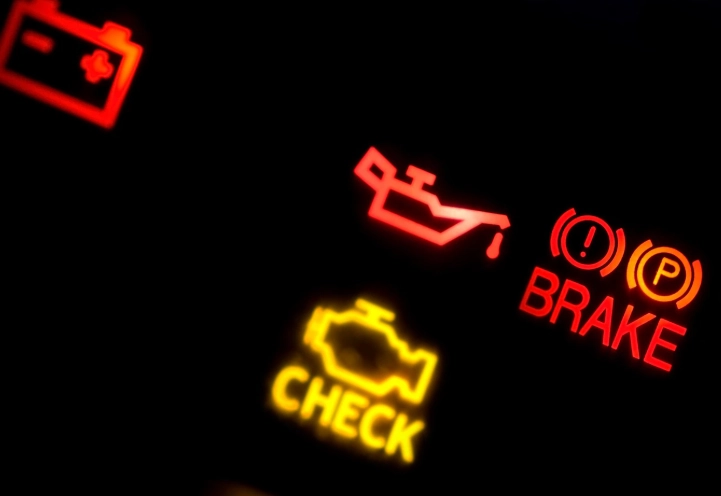
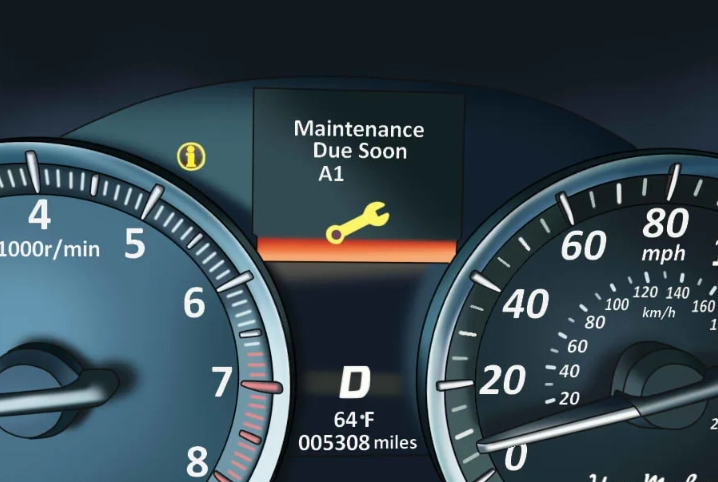
Let's be honest. For most people, a car maintenance record is a jumbled mess of oil-stained receipts in the glove box, a few emails from the dealership, and a vague memory of that one time the check engine light came on. I used to be that person. Then I tried to sell my old sedan. The buyer, a savvy mechanic, asked for the service history. My presentation of a crumpled fast-food napkin with some scribbles did not inspire confidence. I lost nearly a thousand dollars on that deal. That was the day I became a convert.
Your car's maintenance log isn't just paperwork. It's the story of its life, a health passport, and your single most powerful tool for saving money—whether you're keeping the car for a decade or selling it next year.
What's Inside This Guide
Why Car Maintenance Records Are Non-Negotiable
Think of it as a resume for your car. A complete one gets the job (of being reliable and valuable). A sparse one doesn't.
For Your Wallet (Resale Value): This is the big one. According to industry analyses, a vehicle with a complete, verifiable service history can sell for 10-20% more than an identical car with no records. That's thousands of dollars. A buyer sees a thick folder and thinks "cared for." They see nothing and assume the worst—neglect, hidden problems, future headaches.
For Your Safety (Reliability & Longevity): Cars don't die of old age; they die of neglect. A consistent log is your best defense. It tells you exactly when the timing belt was changed (before it snaps and destroys your engine), when the brake fluid was last flushed (before it absorbs water and corrodes your brake lines), and when those quirky dashboard warnings started. It turns reactive panic into proactive care.
For Your Sanity (Warranty & Disputes): Still under factory or extended warranty? Manufacturers can and will deny claims if you can't prove you did the required maintenance. That $4,000 transmission repair? It could be on you. A record is your proof. It's also your leverage with a mechanic if a repair fails prematurely. "You replaced this part 8 months ago, here's the invoice."
The Expert Slip-Up: Most guides tell you to keep records. I'll tell you the subtle mistake: only logging the what and not the why. Did you replace the battery because it died, or as part of a pre-emptive replacement before a long trip? Did you get that alignment because of tire wear, or after hitting a pothole? These context notes are gold for diagnosing recurring issues later. They transform a receipt into a diagnostic log.
How to Read a Maintenance Record Like a Pro
Not all records are created equal. A good one tells a clear story. A great one answers questions before you ask them. Here’s what to look for, whether it's your own log or one you're evaluating.
The Non-Negotiable Components
Every entry should have these five elements. If one is missing, the record's value drops.
- Date & Odometer Reading: The when and the how far. This establishes the maintenance rhythm. Oil changes every 6,000 miles? Good. A 30,000-mile gap between services? Red flag.
- Service Performed: Specificity is key. "Full service" is vague. "Replaced engine oil and filter (5W-30 synthetic), rotated tires, inspected brakes" is precise.
- Parts Used: Brand and part numbers matter. Was it a OEM (Original Equipment Manufacturer) cabin air filter or a generic one? Premium brake pads or the cheapest option? This speaks to the quality of care.
- Service Provider: Dealership, independent mechanic, or DIY? Each has implications. Dealership records are easily verifiable. A respected independent shop adds trust. DIY notes require more detail to be credible.
- Cost & Invoice/Receipt: The proof. A digital photo of the receipt is perfect. It has all the details in the shop's format.
Decoding the Details: What Matters More Than You Think
Look beyond the basics. A record noting "flushed and replaced coolant with OEM-spec phosphate-free formula" shows a mechanic who follows manufacturer specs. One that just says "changed coolant" leaves questions.
Notes on tire brands and tread depth at rotation are a sign of meticulous care. Records of minor fixes—a new cabin filter, a wiper blade replacement—suggest an owner who doesn't ignore the small stuff.
The biggest green flag? Records of recommended but not strictly mandatory services. Think fuel system cleanings, brake fluid flushes, or transmission fluid changes before the severe service interval. This owner is playing the long game.
The Practical Guide to Maintaining Your Log
This isn't about being a perfectionist. It's about building a system that takes 30 seconds after a service and saves you hours (and dollars) later.
Method 1: The Digital Champion (My Recommendation)
Go paperless. It's searchable, un-losable, and easy to share.
- Dedicated App: Apps like Carfax Car Care or Fuelly are built for this. You scan receipts, log odometer, and they often integrate maintenance reminders. They create a beautiful, timeline-based history.
- The Cloud Folder: Simple and foolproof. Create a folder in Google Drive, Dropbox, or iCloud named "[Your Car Make/Model] Maintenance." Inside, have subfolders: "Receipts," "Manual," "Warranty Info." Every time you get service, snap a clear photo of the invoice and upload it immediately. Name the file "YYYY-MM-DD Odometer Service" (e.g., "2023-10-26 45210mi Oil Change Tire Rotation").
- Notes App Log: Use Apple Notes, Google Keep, or Evernote. Create a note for your car. Make a new entry at the top with the date, mileage, service, and cost. Attach a photo of the receipt. It's fast and always on your phone.
Method 2: The Physical Binder (Tried and True)
For the tactile person. Get a simple three-ring binder and some plastic sheet protectors.
- Section 1: Owner's manual and warranty booklets.
- Section 2: Chronological filed receipts, newest on top.
- Section 3: A handwritten log sheet at the front summarizing each service (Date, Mileage, Service, Cost). This gives you the quick glance.
The physical binder has one unbeatable advantage: it's incredibly convincing to a private buyer. Handing them a neat, organized binder screams "responsible owner."
| Log Item | Digital Method (App/Cloud) | Physical Method (Binder) |
|---|---|---|
| Ease of Entry | Quick photo upload, auto-timestamp. | Need to file paper, manually write log. |
| Safety from Loss | High (cloud backup). Survives a car fire. | Low. Binder can be lost, damaged, or stolen with the car. |
| Ease of Sharing | Instant. Send a PDF or share a link. | Physical handoff or scanning required. |
| Searchability | Excellent. Search by "brakes" or "2022." | Poor. Have to flip through pages. |
| Buyer Impact | Very Good (professional, modern). | Excellent (tangible, impressive). |
The Used Car Buyer's Checklist: Decoding Someone Else's History
You're looking at a used car. The seller says "full service history." Here's how to audit it, step-by-step.
- Verify Consistency, Not Just Existence: Don't just look for a pile of papers. Look for the story. Is there a regular pattern of oil changes? Is the mileage progression logical? A gap of 20,000 miles or two years is a major warning sign.
- Cross-Check Major Services: Pull up the manufacturer's maintenance schedule for that specific model year (you can find this on the automaker's website or owner forums). Check the record against the big-ticket items:
- Timing belt/chain service (usually 60k-100k miles).
- Transmission fluid service.
- Major brake service (rotors, calipers).
- Coolant replacement.
- Spot the Red Flags:
- All recent services at a quick-lube chain, but no independent or dealer inspections.
- Repairs for the same component repeatedly (e.g., oxygen sensor replaced three times in a year—points to a deeper, unresolved issue).
- No records for the first 50,000 miles. The critical break-in period is undocumented.
- The odometer readings don't make a logical sequence.
- The VIN Check Corroboration: Use a service like the National Insurance Crime Bureau's (NICB) free VIN check for theft, and consider a paid report from Carfax or AutoCheck. These reports sometimes capture service entries from participating dealerships and shops. Your physical records should align with this digital trail. Discrepancies are a huge red flag.
A car with a perfect, detailed log from day one is a rare gem. It often means a higher asking price, but it's usually worth the premium in avoided repair costs and peace of mind.