Quick Navigation
- What Really Determines How Long Your Car Battery Lasts?
- The Clear Signs Your Battery is Nearing the End
- A Practical Guide to Making Your Battery Last Longer
- AGM vs. Flooded Lead-Acid: Does Battery Type Change Lifespan?
- When It's Time: How to Replace Your Car Battery
- Answering Your Burning Questions (FAQ)
- Wrapping It Up: The Realistic Expectation
So, you're wondering about car battery life. Maybe your car is cranking a bit slower on a cold morning, or you're just trying to avoid that dreaded moment when you turn the key and... nothing. I've been there. Stranded in a grocery store parking lot with a two-year-old battery that swore it was "premium." Not fun.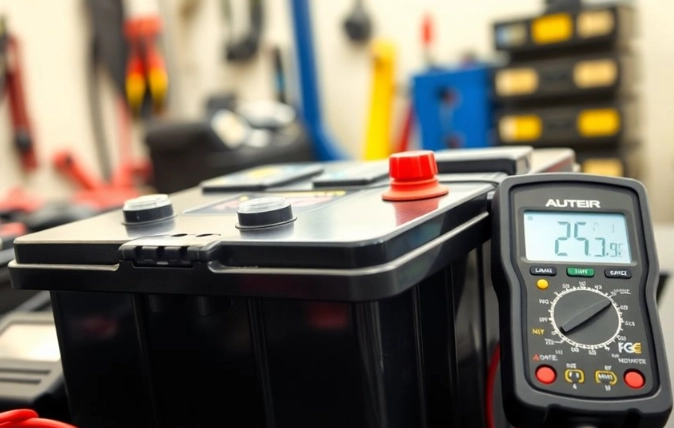
Let's cut through the marketing fluff and get real. The short, oversimplified answer you'll see everywhere is three to five years. But honestly, that range is about as useful as saying "food lasts for a while." It's true, but it doesn't help you plan dinner. Your battery's actual lifespan is a personal story, shaped by where you live, how you drive, and a bit of luck.
What Really Determines How Long Your Car Battery Lasts?
Forget the average. To understand your battery's fate, you need to look at the factors that either slowly drain its life or give it a fighting chance. It's rarely just one thing.
The Climate Where You Park (The Biggest Culprit)
This is the heavyweight champion of battery killers. Extreme heat is public enemy number one. Under the hood, temperatures can soar, speeding up the chemical reactions inside the battery. This causes the fluid to evaporate faster, corroding the internal plates. The Battery Council International notes that high heat is a primary reason for reduced battery life. A battery in Phoenix might last two to three years, while the same model in Seattle could go five or six.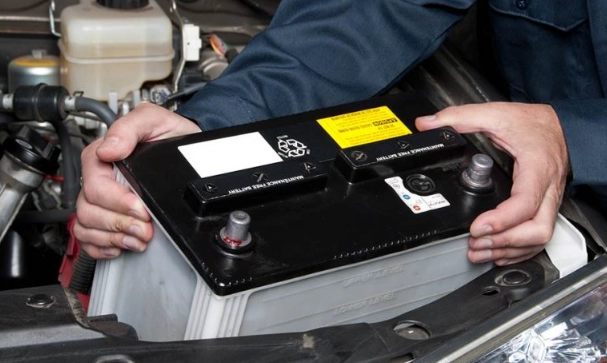
On the flip side, extreme cold doesn't kill the battery directly, but it exposes a weak one. Cold temperatures thicken the engine oil, making the starter motor work much harder. A battery that's already lost some of its capacity just can't deliver the massive burst of power (cold cranking amps, or CCA) needed. That's why failures often happen on the first truly cold morning.
Your Driving Habits: Short Trips vs. Highway Miles
How long do car batteries usually last for someone who only drives to the store and back? Not long. Short trips (under 20 minutes) are brutal on a battery. Starting the car uses a huge amount of power. The alternator needs time to recharge that drain. On a short trip, the engine is off again before the battery gets back to a full charge. It lives in a state of chronic deficit.
Longer, highway drives allow the alternator to fully replenish the battery and even give it a proper "float" charge, which is like a gentle maintenance cycle. If your daily commute is five minutes, you're actively shortening your battery's life.
The Parasitic Load: Your Car's Silent Energy Vampires
Modern cars never fully sleep. Your keyless entry system, security alarm, clock, and onboard computers are always drawing a tiny bit of power. This is normal. Problems arise when aftermarket gadgets (dash cams, GPS trackers, phone chargers) or a faulty module (like a trunk light that won't turn off) create an excessive "parasitic drain." Over a weekend, this can drain a battery enough to prevent a start.
Watch Out For This: If you need to jump-start your car after it's sat for just a couple of days, you likely have a parasitic drain issue. It's not the battery's fault—it's being murdered by something else in the car.
Battery Maintenance (Or Lack Thereof)
Most batteries sold today are "maintenance-free," meaning you can't (and shouldn't) add water. But external maintenance is still crucial. Corrosion on the terminals—that white, blue, or green crusty stuff—creates resistance. Resistance means the battery can't deliver or receive power efficiently. A simple cleaning with a mix of baking soda and water can sometimes solve what feels like a dying battery.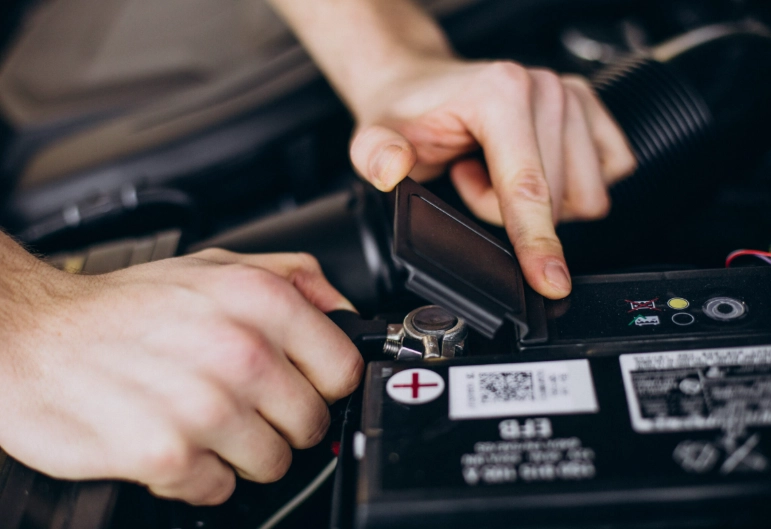
Keeping the battery securely mounted is also important. Vibration can shake the internal plates loose, causing internal shorts and failure.
The Clear Signs Your Battery is Nearing the End
Batteries rarely die instantly. They send distress signals. Catching them early can save you from a no-start situation.
- The Slow, Lazy Crank: This is the classic. You turn the key, and the engine turns over slower than usual, like it's groaning. It might start, but it's telling you the battery is struggling to deliver enough amps.
- Dimming Headlights and Electrical Gremlins: With the engine off, turn on your headlights. Do they look bright? Now try starting the car. If they dim dramatically or almost go out, the battery is weak. You might also see dashboard lights flicker or electronic features act erratically.
- The Need for Multiple Jump-Starts: If you've needed a jump more than once in a short period, and your alternator is testing fine, the battery is almost certainly the culprit. It's not holding a charge.
- Swollen or Bloated Battery Case: Extreme heat can cause the battery case to bulge. This is a sign of serious internal damage and a safety hazard. Replace it immediately.
- That Rotten Egg Smell: A sulfur smell (like rotten eggs) around the battery indicates it's leaking gas, often from overcharging or internal failure.
A Practical Guide to Making Your Battery Last Longer
You can't control the weather, but you can stack the odds in your favor. Here's what actually works.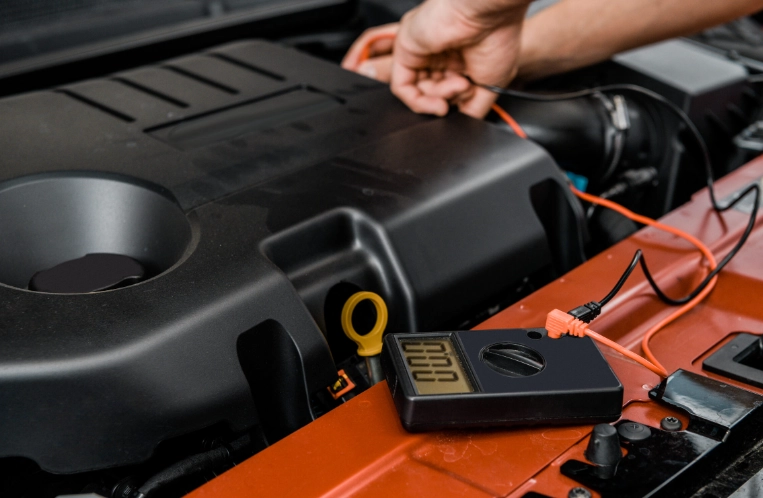
Pro-Tip for Infrequent Drivers: If you don't drive often (like a classic car or a weekend vehicle), invest in a quality battery maintainer or trickle charger. It plugs into a wall outlet and keeps the battery at an optimal charge level without overcharging it. This is the single best thing you can do for battery longevity in low-use scenarios.
Keep It Clean. Check the terminals every few months. If you see corrosion, disconnect the cables (negative first!), clean them with a terminal brush and a baking soda/water paste, rinse, dry, and reconnect.
Drive It. If you mainly take short trips, make a point to take a longer, 30+ minute drive at highway speeds at least once a week. This gives the charging system time to do its job properly.
Minimize Drain When Off. Don't use the radio, lights, or accessories for extended periods with the engine off. Make sure all doors (including the trunk) are fully closed so interior lights turn off.
Park Smart. If you have a garage, use it. Shielding the battery from temperature extremes is a huge benefit. If not, try to park in the shade during summer.
AGM vs. Flooded Lead-Acid: Does Battery Type Change Lifespan?
Absolutely. The old, standard flooded lead-acid battery is what most people think of. The newer Absorbent Glass Mat (AGM) battery is becoming common, especially in cars with start-stop technology.
| Battery Type | How It Works | Typical Lifespan | Best For... | Cost |
|---|---|---|---|---|
| Flooded Lead-Acid | Liquid electrolyte sloshes around lead plates. | 3-5 years | Most standard vehicles, budget replacement. | Lower |
| AGM (Absorbent Glass Mat) | Electrolyte is suspended in fiberglass mats, making it spill-proof. | 4-7 years | Start-stop cars, luxury vehicles, high electrical demand, rough terrain. | Higher |
| EFB (Enhanced Flooded Battery) | An improved version of flooded, better for cycling. | 3-5 years (but more cycles) | Entry-level start-stop systems. | Mid-Range |
AGM batteries are more resistant to vibration, can handle deeper discharge cycles, and recharge faster. They often last longer, but you pay for it upfront. If your car came with an AGM, replace it with an AGM. The car's charging system is calibrated for it. The SAE International has numerous technical papers on the differing charging requirements for these battery technologies.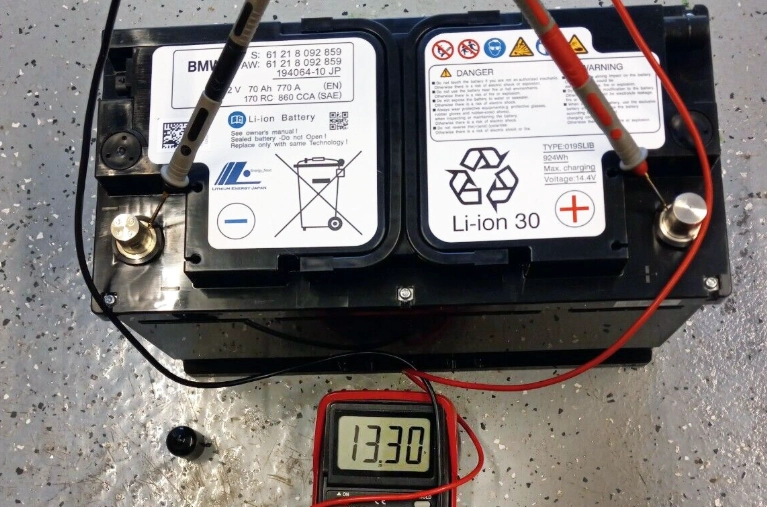
When It's Time: How to Replace Your Car Battery
You've gotten the warning signs, tested it, and the verdict is in. Time for a new one. Don't just buy the cheapest option that fits.
- Get the Right Specs: Open your owner's manual or look at the label on your old battery. You need the correct Group Size (physical dimensions), Cold Cranking Amps (CCA), and Reserve Capacity (RC). More CCA is generally better, especially in cold climates.
- Consider Your Climate: Live in a hot area? Look for a battery with a strong warranty that covers pro-rata replacement for longer. In the cold? Prioritize high CCA ratings.
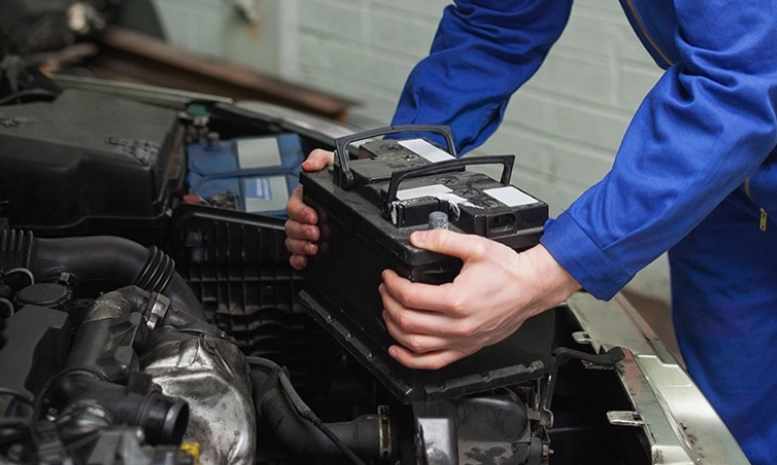
- Installation: If you're DIY-inclined, it's straightforward: disconnect negative (black) first, then positive (red). Remove hold-down clamp, swap batteries, reconnect positive first, then negative. Tighten securely. Important: Some modern cars require battery registration/coding to the engine computer. This lets the car know a new battery is installed so it can manage the charging strategy correctly. If your car has start-stop or is a European model from the last 10-15 years, check if this is needed. A local auto parts store can often do this for free if you buy the battery there.
- Recycle the Old One! Please, for the love of the environment, take your old battery to an auto parts store or recycling center. They'll take it for free. Lead and acid are no joke.
Battery Warranty Note: Pay attention to the warranty. It usually has two parts: a free replacement period (e.g., 3 years) and a longer pro-rata period (e.g., 100 months total). If it fails in year 4, you'd get a credit toward a new one based on how long you had it. A longer free replacement period often indicates the manufacturer's confidence in the product.
Answering Your Burning Questions (FAQ)
Wrapping It Up: The Realistic Expectation
So, how long do car batteries usually last? After all this, you see it's a nuanced question. For a typical driver with a standard flooded battery, planning for a 4-year horizon is smart. If you have an AGM, maybe 5-6 years. But start watching for the signs around the 3-year mark.
The key isn't to fear the eventual replacement—it's a wear item, like tires or brakes. The key is to be a bit proactive. A $20 multimeter and five minutes of your time every fall can tell you if you're likely to get through the winter. Paying attention to how your car starts can give you weeks or months of warning.
My own rule of thumb? If a battery is over 4 years old and I'm about to embark on a long road trip in extreme weather (blazing summer desert or a deep winter ski trip), I get it tested without fail. The peace of mind is worth more than the cost of a test.
Your battery's lifespan is a story written by chemistry, environment, and habit. Understanding that story is the best way to ensure you're never left reading it in a dark, quiet parking lot.