Quick Guide
- Top Signs Your Toyota's Fuel Pump Is Calling It Quits
- How to Test Your Toyota Fuel Pump (Before You Buy a New One)
- Understanding Toyota Fuel Pump Replacement Cost (The Real Numbers)
- The Massive Toyota & Lexus Fuel Pump Recalls: Are You Affected?
- Choosing a Replacement Fuel Pump: OEM vs. Aftermarket
- DIY Replacement: Is It a Job You Can Handle?
- Final Thoughts & Proactive Maintenance
Let's talk about something that can turn a reliable Toyota into a frustrating driveway ornament faster than you can say "Camry" – the fuel pump. It's one of those parts you never think about until it fails, and then it's all you can think about. I've been there, watching a friend's Highlander just refuse to start one morning, and the culprit was a tired old fuel pump. It's not the most glamorous topic, but understanding it can save you a ton of money and headache.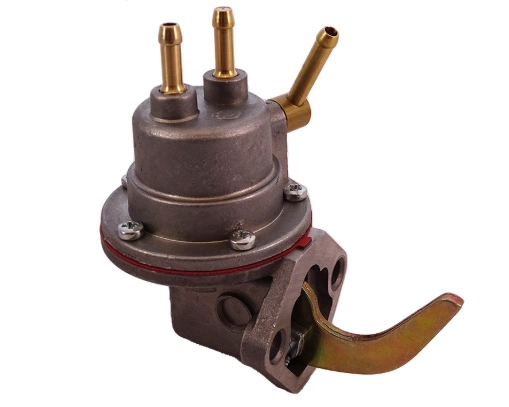
This isn't just a list of symptoms. We're going to dig into why Toyota fuel pumps fail, how you can test yours before throwing parts at the problem, what a replacement really costs (spoiler: it varies a lot), and the big one – the recalls that have affected millions of Toyotas. Whether you're hearing a weird whine from the back seat or your car just cranks but won't start, this guide should have your answer.
The Core Job: Think of the fuel pump as your engine's heart. It lives inside the fuel tank, submerged in gasoline (which actually helps cool it). Its sole purpose is to suck fuel from the tank and push it at high pressure, usually between 40-60 PSI for modern fuel-injected Toyotas, all the way up to the engine. No pressure, no fuel spray, no combustion. Simple as that.
Top Signs Your Toyota's Fuel Pump Is Calling It Quits
Fuel pumps don't usually die suddenly. They often give you a long, slow farewell tour full of hints. Ignoring these is a gamble on when and where you'll be stranded.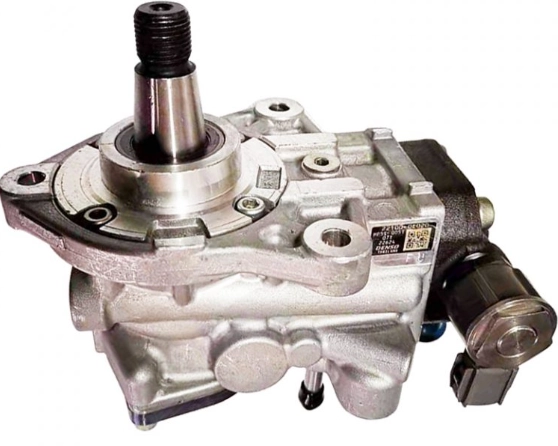
The number one sign everyone knows? The engine cranks strongly but absolutely refuses to start. You turn the key, hear the starter motor whirring away, but there's no cough, no sputter, nothing. That's a classic "no fuel" scenario, and the fuel pump is suspect number one. But before it gets to that dramatic point, it usually whines for attention.
Listen for a loud, high-pitched whirring or humming noise coming from the rear of the car, especially when you first turn the key to the "ON" position (before cranking). You should normally hear a faint hum for a few seconds as the pump primes the system. If it sounds like an angry bee hive is in your fuel tank, the pump's electric motor is struggling.
My buddy's 2012 Camry started with a faint whine that we both ignored for months. We just turned up the radio. Big mistake. It gradually got louder, then one hot afternoon, the car started losing power on the highway before finally refusing to restart at a gas station. The tow truck driver said he sees it all the time.
Other symptoms are more subtle and can be confused with other issues:
- Engine Sputtering at High Speed or Under Load: This is a huge one. You're cruising on the highway or trying to accelerate up a hill, and the engine suddenly stutters, jerks, or feels like it's losing power. It might recover if you ease off the gas. This happens because a weak fuel pump can't maintain the required pressure when the engine demands more fuel.
- Power Loss & Hesitation: General sluggishness, especially during acceleration. The car just feels gutless, like it's dragging an anchor.
- Surges or Unpredictable Power: The car might suddenly lurch forward or gain power on its own for a moment. It's unsettling and dangerous.
- Poor Fuel Economy: A struggling pump can disrupt the precise air-fuel ratio, leading to worse gas mileage. It's a slow burn, so you might not notice it right away.
- Car Stalling, Especially When Warm: The pump works harder as it wears, and heat is its enemy. It might run fine when cold but fail once the engine bay and under-car temps rise.
See a pattern? Most symptoms relate to inconsistent fuel delivery.
How to Test Your Toyota Fuel Pump (Before You Buy a New One)
Don't just assume the pump is bad and spend $500. A few simple checks can point you in the right direction and save you from replacing a perfectly good part. Safety first – you're dealing with flammable fuel and electricity. No sparks, open flames, or smoking.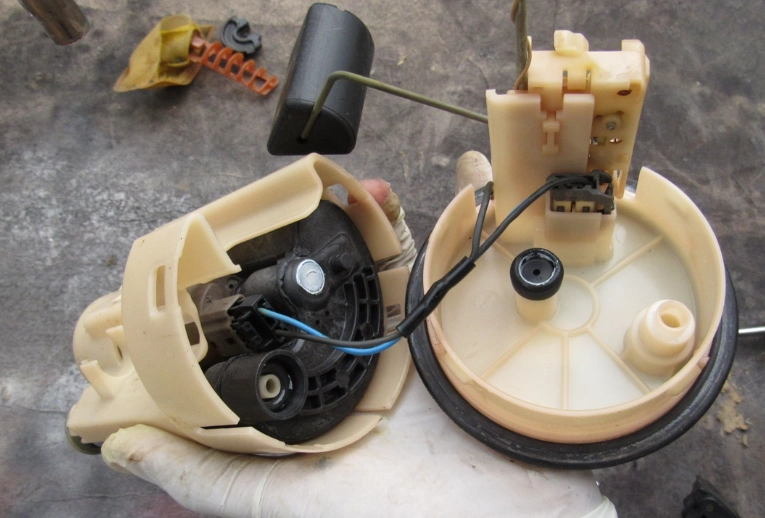
The Basic "Listen & Feel" Check
This is step zero. Have a friend turn the ignition key to the "ON" position (don't crank the engine). You should immediately hear a distinct humming sound from the rear of the car, near the fuel tank, lasting 2-5 seconds. That's the pump priming the system. No sound? That's a major red flag. While you're there, carefully feel the fuel line (usually a rubber hose near the engine) when your friend cranks the engine. You should feel a slight pulse or vibration as fuel is pumped. No pulse is another bad sign.
Checking Fuel Pressure – The Definitive Test
This is the gold standard for diagnosing a faulty Toyota fuel pump. You need a fuel pressure test gauge, which you can rent from most auto parts stores. The test port is usually on the fuel rail (the metal pipe that feeds the injectors) under the hood. It looks like a tire valve stem.
- Relieve fuel system pressure (consult a repair manual for your specific model – usually involves pulling a fuse and running the engine until it stalls).
- Connect the gauge to the test port.
- Turn the key to "ON." You should see pressure build immediately, typically to a spec between 35-60 PSI for most Toyotas. The exact spec is critical – you can find it in a repair manual or often on a sticker under the hood.
- Watch the gauge. Does it build to spec? Does it hold pressure when the pump stops? A rapid pressure drop points to a leaky injector or pressure regulator, not necessarily the pump itself. A pressure reading that's too low, or one that drops under engine load (you can simulate this by pinching the return line briefly – carefully!), points directly to a weak fuel pump.
Pro Tip: A surprisingly common issue isn't the pump itself, but the fuel pump relay or fuse. These are cheap and easy to swap. Locate your fuse box (under-hood and driver's side kick panel are common), find the fuel pump fuse (check your owner's manual), inspect it, and swap the relay with an identical one (like the horn relay) to see if the problem goes away. It's a 5-minute, $0 check that can save you hundreds.
Understanding Toyota Fuel Pump Replacement Cost (The Real Numbers)
This is where people get shocked. The cost isn't just for the part; it's mostly about the labor. The pump is inside the fuel tank, which means dropping the tank or, on many Toyota models, removing the rear seat to access a service hatch. It's a messy, time-consuming job.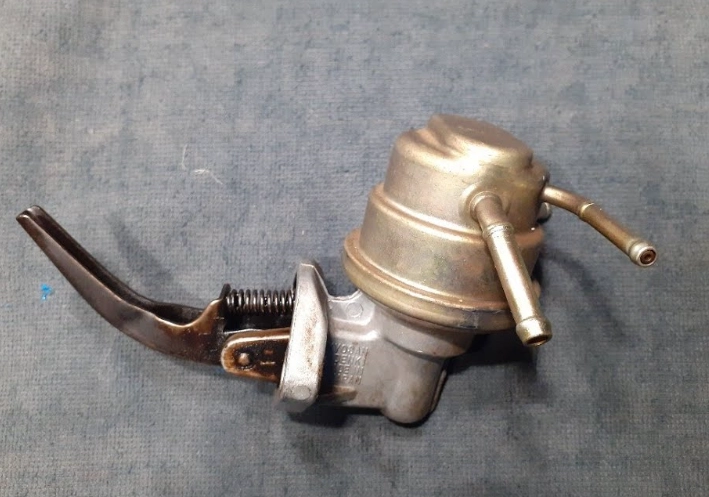
Let's break it down. Costs are estimates and vary by region and shop.
| Component / Service | Price Range (USD) | Notes |
|---|---|---|
| OEM Toyota Fuel Pump (Part Only) | $200 - $500+ | From the dealer. Highest price, perfect fit. Often comes as a complete assembly (pump, filter, sender unit). |
| Quality Aftermarket (e.g., Denso, Aisin) | $100 - $300 | Denso is often the OEM supplier. Best value for money. Aisin is another top-tier OEM supplier. |
| Economy Aftermarket Part | $50 - $150 | Roll the dice on longevity. I've had mixed results – some last years, some fail in months. |
| Professional Labor (Independent Shop) | $200 - $500 | 3-5 hours of book time is common. Accessing via the rear seat is cheaper than dropping the tank. |
| Professional Labor (Dealership) | $400 - $800+ | Higher hourly rates. You're paying for the specialist technician. |
| Total Cost (Indy Shop + Aftermarket) | $300 - $800 | Most common route for cost-conscious owners. |
| Total Cost (Dealership + OEM) | $600 - $1,300+ | Peace of mind at a premium price. |
Why such a range? A 1998 Corolla with an access panel under the seat is a far cheaper job than a 2018 Tacoma 4x4 where the skid plates and tank need to come down. Always get a specific quote for your model.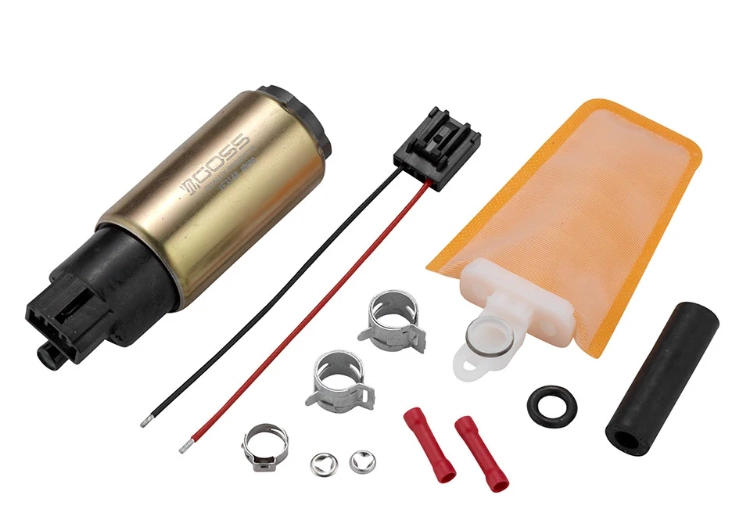
Warning on Cheap Pumps: I made the mistake of buying a $70 no-name pump for an old Celica. It was louder from day one and the fuel level sender (the part that tells your gas gauge how much fuel is left) was wildly inaccurate. It read half-full when the tank was nearly empty. I ended up replacing it with a Denso unit a year later. False economy.
The Massive Toyota & Lexus Fuel Pump Recalls: Are You Affected?
This is critical information. Starting in 2020, Toyota initiated a series of massive recalls for faulty fuel pumps. The problem? The impeller inside the pump could absorb fuel, swell, and deform, causing the pump to fail. The result? Engine stall while driving, with no restart. That's as dangerous as it gets.
The recalls have expanded multiple times, covering millions of vehicles. Brands include Toyota and Lexus. Models span a huge range:
- Toyota Camry, Highlander, Corolla, Sienna, Tacoma, Tundra, 4Runner, Land Cruiser, Sequoia, Avalon.
- Lexus IS, GS, LS, RX, NX, GX, LX, RC, and others.
- Model years primarily from 2013 through 2020, but check your VIN as it's been expanded.
The pumps in question were manufactured by Denso, but it was a specific production issue. If your vehicle is under recall, the dealer will replace the fuel pump assembly FREE OF CHARGE. This is a huge deal.
How do you know? Don't wait for a letter. Go to the official National Highway Traffic Safety Administration (NHTSA) website or Toyota's own recall lookup page and enter your 17-digit Vehicle Identification Number (VIN). It takes 30 seconds. If you're affected, call a dealer to schedule the repair. This should be your very first step if you have a modern Toyota with fuel delivery symptoms.
Seriously, check your VIN right now. I'll wait.
Choosing a Replacement Fuel Pump: OEM vs. Aftermarket
If you're not under recall, you need to buy a pump. Let's compare your main options.
1. Genuine Toyota OEM Part: This comes in a Toyota box, ordered from the dealer. It's the exact part your car was built with. Pros: Guaranteed perfect fit, finish, and performance. Cons: It's the most expensive option. For a critical part like this, it's hard to argue against it if your budget allows.
2. OEM-Supplier Brand (The Sweet Spot): This is my usual recommendation. Companies like Denso and Aisin are the original manufacturers who supply Toyota. The part is functionally identical to the one in the Toyota box, often coming off the same production line, but in a Denso box at a lower price. You get OEM quality without the dealer markup. Denso's fuel pump catalog is extensive and a trusted source for Toyota fuel pump replacements.
3. Aftermarket Brands: This includes brands like Bosch, Delphi, Airtex, and countless others. Quality here is a spectrum. Top-tier aftermarket (Bosch, Delphi) can be excellent and sometimes offer improved design. Lower-tier brands are a gamble on materials and longevity. Always read reviews specific to your vehicle model.
My take? For a daily driver you plan to keep, a Denso pump is the best balance of cost and guaranteed reliability. For a beater car you're trying to fix on a tight budget, a reputable aftermarket brand might be the ticket.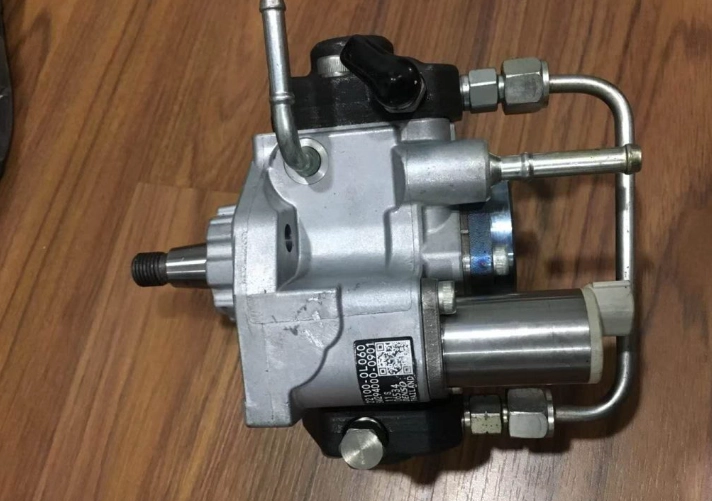
DIY Replacement: Is It a Job You Can Handle?
Replacing a Toyota fuel pump is a mid-level DIY job. It's less about mechanical skill and more about patience, carefulness, and following safety procedures. Here's the brutal truth of what's involved:
- Fuel is Dangerous: You must depressurize the system and work in a well-ventilated area with a fire extinguisher nearby.
- It's Messy: Gasoline will spill. Have rags and a container ready.
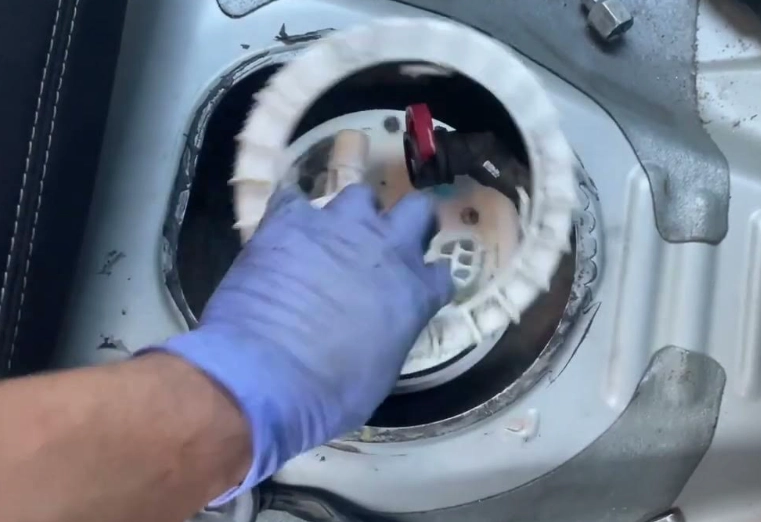
- Access is Key: Research your specific model. Many Toyotas have an access panel under the rear seat bottom cushion. This is the "easy" way. If your model doesn't have this, you must drop the entire fuel tank from underneath the car – a much bigger job requiring jack stands, possibly removing exhaust components and brake lines.
- Electrical Connectors are Fragile: The pump assembly has a multi-pin electrical connector and fuel lines with quick-disconnect fittings. You need to learn how to release these properly without breaking the locking tabs.
- The Seal is Critical: The pump assembly sits in the tank with a large rubber O-ring or gasket. This seal MUST be replaced and installed perfectly, or you'll have a dangerous fuel leak and a strong gas smell. Never reuse the old seal.
If the phrase "depressurize the fuel system" sounds foreign to you, or if you don't own a good set of basic tools and jack stands, this is a job best left to a professional. The cost of a tow truck if you mess it up halfway through will erase any savings.
Final Thoughts & Proactive Maintenance
Dealing with a Toyota fuel pump problem is rarely convenient. The best approach is a mix of awareness and simple habits.
First, check for recalls on your VIN. It's free and could solve your problem instantly. Second, listen to your car. That new whine from the back isn't the radio. Third, don't constantly run on fumes. Keeping your tank above a quarter full helps keep the fuel pump submerged and cool. Gasoline is its coolant.
When it's time to replace, don't automatically go for the cheapest part. A fuel pump is a "buy once, cry once" component. Investing in a quality Denso or OEM unit, installed correctly (with a new filter and seal!), should give you many more years of trouble-free service.
Your Toyota's reliability depends on hundreds of parts working together. The fuel pump is a silent workhorse until it isn't. Paying attention to its cries for help can keep you from being the one on the side of the road, waiting for a tow, and wondering why you didn't read about this sooner.
For incredibly detailed technical specifications and service procedures, professional mechanics rely on resources like the SAE International for engineering standards and official Toyota Technical Information Systems (TIS) for model-specific repair data. While access can be subscription-based, they represent the authoritative source for the engineering behind components like your fuel pump.