Let's be real. The words "transmission repair" for your Chevy Silverado, Tahoe, or Malibu can make your stomach drop. You've heard the horror stories—bills that rival a down payment on a new car, shady shops, and that sinking feeling of being at someone else's mercy. I've been in the transmission business for over a decade, and most of that panic comes from not knowing what to expect. This guide cuts through the noise. We're not just talking symptoms; we're talking about the exact costs you might face for a 4L60E rebuild versus a 6L80 replacement, how to spot a trustworthy mechanic from a mile away, and the one simple check you can do this weekend that might save you thousands.
What's Inside This Guide
- How to Spot Chevy Transmission Problems Before They Get Expensive
- Your Chevy Transmission Repair Options: Rebuild, Replace, or Repair?
- Breaking Down the Real Cost of a Chevy Transmission Repair
- How to Find a Reliable Chevy Transmission Shop (And Avoid the Bad Ones)
- What You Can Actually Fix Yourself (And What You Absolutely Shouldn't)
- Your Transmission Questions, Answered by a Pro
How to Spot Chevy Transmission Problems Before They Get Expensive
Transmissions don't usually fail overnight. They send signals—cries for help, if you will—that most people ignore until it's too late. Paying attention to these can mean the difference between a $200 fluid service and a $3,500 overhaul.
The obvious stuff first. If your Chevy is slipping gears (the engine revs high but the car doesn't accelerate), hesitating before shifting, or making clunking/banging noises when it does shift, you're already in the danger zone. Check engine lights related to transmission codes (like P0700) are a direct message from your truck's computer.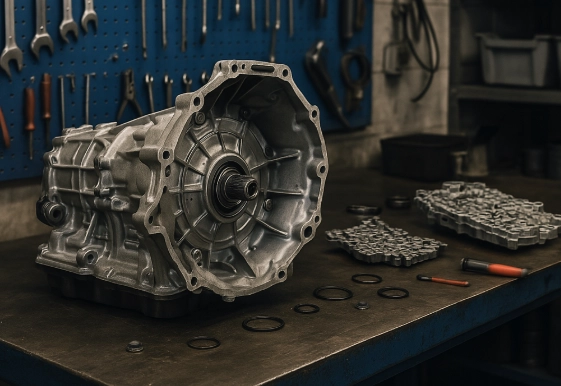
Now for the subtle signs everyone misses.
That slight delay when you shift from Park to Drive or Reverse? It might feel normal as the truck ages, but it's often the first sign of low fluid pressure. A burnt smell, especially after towing or mountain driving, is transmission fluid breaking down from heat. Here's a trick few shops mention: on a flat, safe road, gently accelerate to about 40 mph and feel the shifts from 1st to 2nd and 2nd to 3rd. They should be firm but smooth, not mushy or jerky. A mushy shift means worn clutches; a harsh jerk points to solenoid or pressure issues.
Your Chevy Transmission Repair Options: Rebuild, Replace, or Repair?
Once you know there's a problem, you have three main paths. The right one depends on your truck's age, the failure's severity, and your budget. Let's lay them out side-by-side.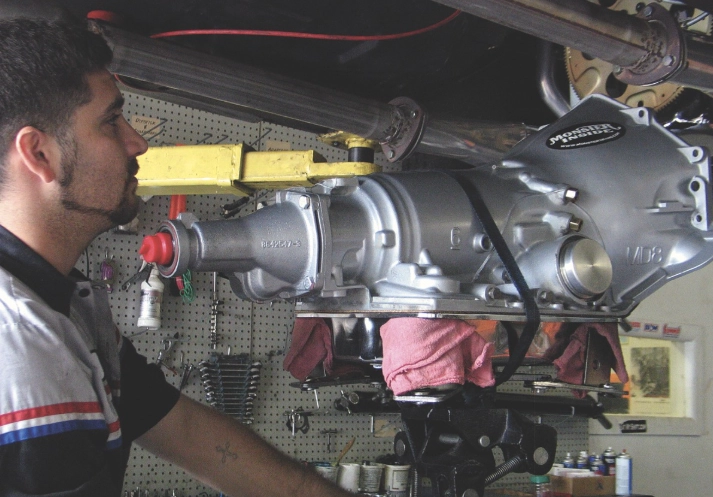
| Option | What It Means | Best For... | Typical Cost Range* | Time in Shop |
|---|---|---|---|---|
| Transmission Rebuild | Your transmission is taken apart. Worn parts (clutches, seals, bands) are replaced. Hard parts (gears, shafts) are inspected and reused if good. | Older, high-mileage Chevys where the transmission is worn but not catastrophically failed. The most common repair for 150k+ mile trucks. | $1,800 - $3,500 | 3-5 days |
| Remanufactured Unit Swap | Your old transmission is swapped for a professionally rebuilt one from a supplier (like Jasper or AAMCO). Comes with a solid warranty. | Major failures (broken gears, burnt-up clutch packs). Great for daily drivers where you want maximum reliability and a strong warranty (often 3 years). | $2,800 - $4,500+ | 2-4 days |
| Used/Junkyard Transmission | A transmission pulled from a wrecked vehicle with similar mileage. Installed as-is. | A very tight budget on an older Chevy you don't plan to keep long. It's a gamble—you don't know its history. | $800 - $1,500 (plus install) | 1-3 days |
| External Repair | Fixing things outside the transmission: cooler lines, sensors, shift solenoids (on some models), or the torque converter. | Specific, isolated problems. A leaking seal, a bad speed sensor, or a shudder caused by a failing torque converter. | $300 - $1,200 | 1 day |
*Costs vary wildly by region, model (a Silverado 2500's Allison transmission costs more than a Malibu's), and shop rates. This is a realistic national average.
My take? For a truck you love and plan to keep, a quality rebuild or remanufactured unit is the only sane choice. The used market is a minefield. I've seen too many "low-mileage" junkyard units fail within months because they sat for years, drying out seals.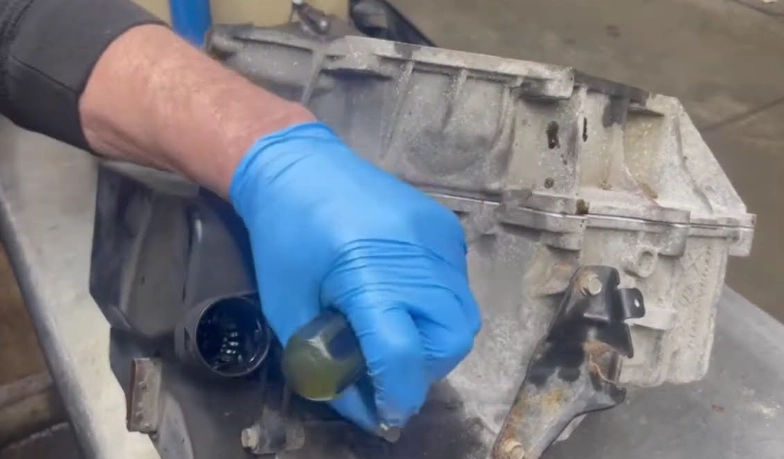
Breaking Down the Real Cost of a Chevy Transmission Repair
So where does that $3,000 go? It's not just parts. Here's a line-item breakdown for a typical 4L60E rebuild in a Chevy Silverado 1500.
- Parts Kit (Master Rebuild Kit): $250 - $400. This includes clutches, steels, seals, gaskets, and filters. The quality here matters—cheap kits use inferior seals that leak quickly.
- Additional Hard Parts: $100 - $600. During teardown, we might find a worn pump, a scored valve body, or burnt solenoids. You can't know this cost until it's apart. A good shop will call you with pictures.
- Torque Converter: $150 - $300. You should always replace this. It's the clutch-like device that connects the engine to the transmission and is full of metal debris during a failure. Reusing it is asking for a comeback.
- Fluid & Pan: $80 - $150. 12-15 quarts of good ATF and a new filter/pan gasket.
- Labor: $1,000 - $1,800. This is the big one. Removing, disassembling, cleaning, reassembling, and reinstalling a transmission is 10-15 hours of skilled work. Shop rates are $100-$150/hr.
That's the baseline. Now, the add-ons that catch people off guard.
Flushing the cooler lines? Add $50. A new transmission mount? $80. A software relearn or TCM (Transmission Control Module) flash with a professional scan tool? Another $100-$200. Many modern Chevy transmissions (like the 8-speed 8L90) need this calibration after service, or they'll shift poorly. Shops that skip this step are cutting corners.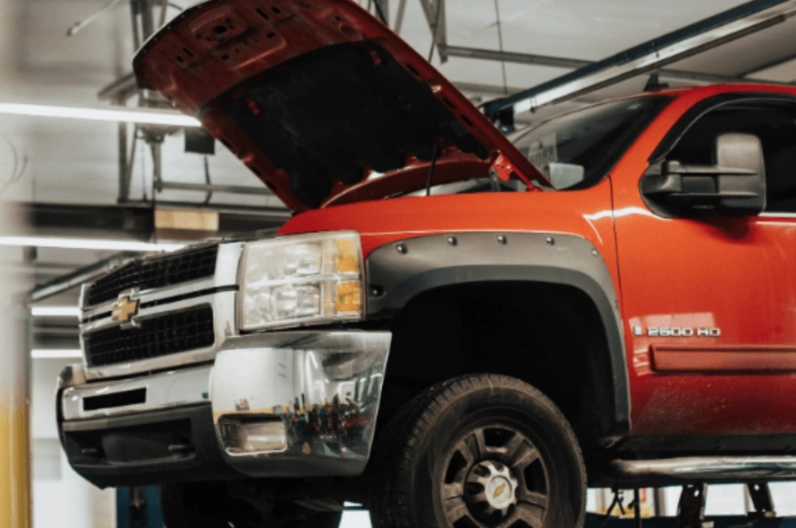
How to Find a Reliable Chevy Transmission Shop (And Avoid the Bad Ones)
This is the most important step. A great mechanic with a fair price can make a bad situation manageable. A bad one will make it a nightmare.
Forget the Yellow Pages. Start with the Automatic Transmission Rebuilders Association (ATRA) website. Their "Find a Member" tool lists shops that have committed to certain standards and ongoing training. It's a great filter.
Look for shops that specialize. A general repair shop can do it, but a dedicated transmission shop sees the same GM problems day in, day out. They'll have the specific tools, like a good valve body bench for cleaning those tiny passages, and know the common failure points for, say, a Chevy Equinox's 6T40 transmission.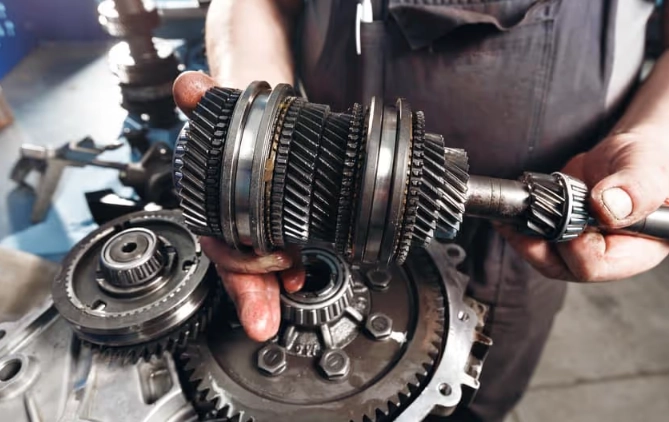
Call three shops. Ask these questions:
- "Can you give me a detailed written estimate that separates parts and labor, and notes that the price may change if hidden damage is found?" (A yes is good).
- "Do you replace the torque converter as part of a standard rebuild?" (The answer must be yes).
- "What is the warranty, and is it parts AND labor?" (Look for at least 12 months/12,000 miles).
- "Do you perform a road test and a computer scan before and after the repair?" (Another must).
Listen to how they answer. Are they patient and explanatory, or rushed and dismissive? Trust that gut feeling.
What You Can Actually Fix Yourself (And What You Absolutely Shouldn't)
Got some tools and grit? You can handle a few things.
Doable: Changing the transmission fluid and filter (pan drop service). This is basic wrenching. For many Chevys, it's drain the pan, remove it, swap the filter, clean the pan and magnet, re-gasket, and refill. The trick is getting the fluid level right—follow your owner's manual procedure to the letter. Use the fluid it specifies (e.g., Dexron VI). A fluid change can sometimes resolve minor shift complaints if the fluid is just old.
Maybe, if you're advanced: Replacing external sensors like the vehicle speed sensor (VSS) or transmission range sensor (neutral safety switch). These are usually bolt-on parts on the outside of the case.
Do Not Touch: Anything that requires opening the transmission case itself. Rebuilding a transmission isn't like an engine. Tolerances are measured in thousandths of an inch. Clutch pack clearances, valve body spring placement, seal direction—it's easy to make a $500 mistake in five seconds. I've seen DIYers mix up check balls in the valve body, leading to instant failure. Leave the internals to the pros.