Let's talk about one of the most misunderstood fluids in your car. You know, that little reservoir tucked away near the firewall that you only remember when your steering starts groaning like a haunted house door. That's your power steering fluid. Most of us just pour something in when the light comes on or the noise starts, but that's a bit like taking painkillers for a broken arm without seeing the doctor. It might quiet things down for a bit, but you're not fixing the real problem.
In This Guide
- What Exactly Is Power Steering Fluid? (It's Not Just Fancy Oil)
- The Big Confusion: Types of Power Steering Fluid and Compatibility
- When and How to Check Your Power Steering Fluid
- The Step-by-Step Guide to Changing Your Power Steering Fluid
- Troubleshooting Common Power Steering Problems
- Final Thoughts: Treat Your Power Steering System Right
What Exactly Is Power Steering Fluid? (It's Not Just Fancy Oil)
Think of your power steering system as the muscles that help you steer. Your arms provide the command, but the hydraulic system does the heavy lifting. The power steering fluid is the lifeblood of those muscles. When you turn the wheel, a pump (usually driven by the engine's serpentine belt) pressurizes this fluid and sends it to one side of a piston in the steering rack. That pressure pushes the piston, which then moves the wheels.
But it's a tough job. The fluid has to:
- Handle extreme pressure without breaking down (foaming or thinning out).
- Lubricate dozens of moving parts inside the pump and rack.
- Protect metal components from corrosion and wear.
- Maintain its properties across a wild temperature range, from freezing cold starts to blistering engine bay heat.
- Keep rubber seals and hoses supple to prevent leaks.
That's a tall order for any fluid. A low-quality or incorrect power steering fluid simply can't do all these things well, which is why using the right one matters so much.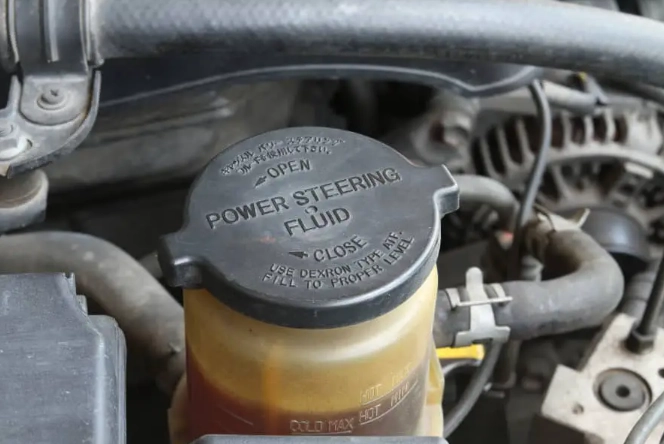
The Big Confusion: Types of Power Steering Fluid and Compatibility
This is where most people, including my past self, mess up. You can't just use any bottle labeled "Power Steering Fluid." There are different formulations, and using the wrong one is a recipe for trouble. Car manufacturers are terrible at standardizing this. The specification is usually buried in your owner's manual, not on the reservoir cap.
Personal Opinion: I find the lack of a universal standard for power steering fluid incredibly frustrating. It feels like a game of "guess the spec" that costs consumers money. Some brands are better than others at labeling their caps, but many aren't.
Here’s a breakdown of the main types you'll encounter. I've put together a quick-reference table because it's easier to see the differences side-by-side.
| Fluid Type | Common Names/Specs | Typical Use In | Key Characteristics & Warnings |
|---|---|---|---|
| Automatic Transmission Fluid (ATF) | ATF+4, Mercon V, Dexron III/VI | Older domestic (GM, Ford, Chrysler) vehicles, many trucks & SUVs. | Red or sometimes yellow. Often doubles as transmission fluid. NEVER assume your car uses ATF—check the manual first. Using ATF in a system designed for synthetic PSF can damage seals. |
| Dedicated Power Steering Fluid (PSF) | Often labeled simply "Power Steering Fluid." May meet CHF11S, Pentosin, or OEM-specific specs. | Many Asian and European vehicles (Honda, Toyota, VW, BMW, Mercedes). Some modern domestics. | Clear, amber, or green. Formulated specifically for power steering systems. Viscosity and additive packages are tailored. This is what my old sedan needed. |
| Synthetic CHF (Central Hydraulic Fluid) | CHF11S, CHF202, Pentosin CHF 11S | Primarily German and other European luxury vehicles (BMW, Audi, VW, Volvo, some Saabs). | Green (usually). A high-performance synthetic fluid designed for extreme pressure and temperature stability. Expensive but necessary. |
| Universal Fluids | "Multi-Vehicle" Power Steering Fluid | Marketed as a catch-all solution. | Use with extreme caution. While they claim compatibility with many systems, they are a compromise. I only recommend them for emergency top-ups, not for a full system flush. For a long-term fix, find the exact fluid your manufacturer specifies. |
How do you know which one you need? Don't rely on the color alone. The only foolproof method is to check your vehicle's owner's manual. Look for the fluids section. It will state the exact specification, like "Use only Honda Power Steering Fluid" or "Use ATF meeting Mercon V specification." If you've lost the manual, a quick search on a reputable automotive information site like the SAE International database or your manufacturer's official parts portal can often yield the spec. Forums specific to your car model can also be helpful, but always cross-reference with an official source.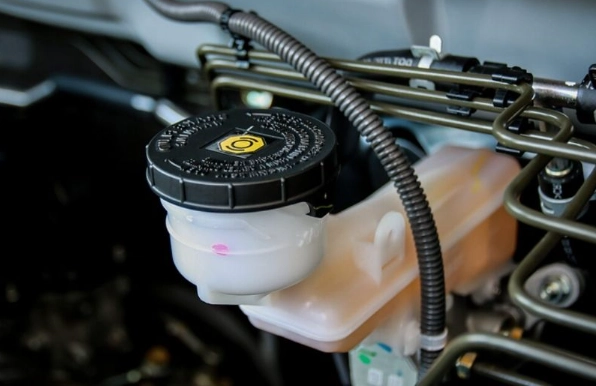
What Happens If You Mix Power Steering Fluids?
Short answer: Nothing good. It's a chemical cocktail you don't want.
Different fluids have different additive packages—detergents, anti-wear agents, seal conditioners. Mixing them can cause these additives to react, leading to sludge formation, accelerated seal degradation, foam, and loss of lubricating properties. That whining noise you hear? Often that's the pump cavitating (sucking air bubbles) because the fluid has foamed up due to incompatibility or degradation.
If you're in a pinch and need to top off, and you have no idea what's in there, a small amount of a high-quality universal fluid is the lesser evil to get you to a mechanic. But plan on having the system flushed and filled with the correct fluid as soon as possible.
When and How to Check Your Power Steering Fluid
This is basic maintenance, but so many people forget. It's not like engine oil that gets changed regularly.
You should check your power steering fluid level about once a month, or at least every other time you check your engine oil. The best time to check is when the engine is warm and has been running for a few minutes, as this gives the fluid a chance to circulate and expand to its normal operating level. Some reservoirs have a "Hot" and "Cold" marking on the dipstick—pay attention to that.
Here's the simple process:
- Park on a level surface and run the engine for a minute or two. Turn the steering wheel lock-to-lock a couple of times to move fluid through the system, then center the wheels.
- Turn the engine off. Locate the reservoir (usually a small plastic or metal container with a cap labeled with a steering wheel icon).
- Wipe the cap and area clean to prevent dirt from falling in. Remove the cap. It might be a screw-on or a clip-on type with a dipstick attached.
- Check the level against the markings. If it's a see-through reservoir, there will be "MIN" and "MAX" lines on the side. If it's a dipstick, wipe it clean, reinsert it fully, then pull it out to read the level.
What are you looking at besides the level? The fluid's condition.
Quick Condition Checklist:
- Color: New fluid is typically clear, amber, red, or green. If it's dark brown or black, it's old, contaminated, and breaking down.
- Smell: It shouldn't smell burnt. A burnt odor indicates the fluid has overheated, often due to a failing pump or restricted fluid flow.
- Texture: Feel a drop between your fingers. It should be slick and oily. If it feels gritty or you see metallic particles, that's bad news—it means internal components are wearing out.
If the level is consistently low, you have a leak. Don't just keep topping it off. Find the leak. Common spots are the high-pressure hose connections, the pump shaft seal, or the seals on the steering rack itself.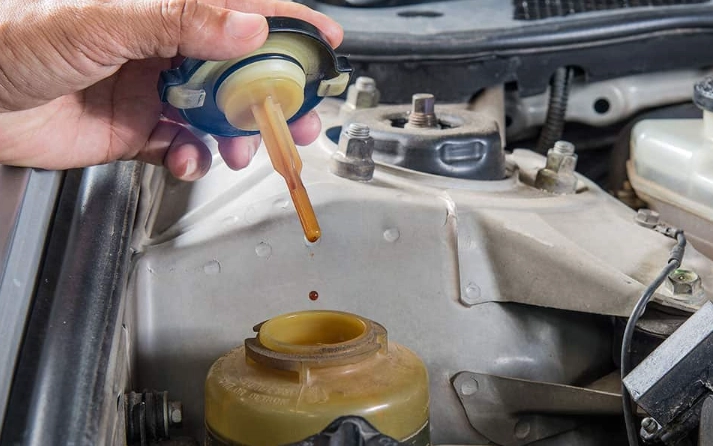
The Step-by-Step Guide to Changing Your Power Steering Fluid
Unlike an oil change, there's no universal interval for changing power steering fluid. Some manufacturers say it's "lifetime" (a term I distrust for any fluid), while others recommend every 50,000 to 100,000 miles. My rule of thumb? If your fluid is dark, smells burnt, or you're hitting the 5-year/75,000-mile mark, it's a good idea to change it. Fresh fluid is cheap insurance for an expensive system.
There are two main methods: the simple suction method and the more thorough flush method. I'll walk you through the flush, as it replaces more of the old fluid.
Method: The Two-Person Flush (The Most Effective DIY Approach)
You'll need: The correct new fluid (usually 1-2 quarts), a turkey baster or fluid suction pump, a length of clear vinyl tubing that fits over the return hose, a drain pan, and a friend.
- Prep: Get the front wheels off the ground (use jack stands, never just a jack!). Locate the power steering reservoir and identify the two hoses: the high-pressure hose (from pump to rack) and the low-pressure return hose (from rack back to reservoir). The return hose is usually the larger, lower-pressure one.
- Drain the Reservoir: Use your turkey baster or suction pump to remove as much old fluid as possible from the reservoir.
- Set Up the Flush: Disconnect the low-pressure return hose from the reservoir and plug the reservoir's return port (a pencil or a bolt of the right size works). Route the disconnected hose into your drain pan.
- The Flush Cycle: Have your friend start the engine. CAUTION: This will only be for VERY short bursts. As soon as the engine starts, old fluid will pump out of the return hose into your pan. Have them shut the engine off immediately (after 2-3 seconds) as the reservoir will empty quickly. Refill the reservoir with fresh fluid to the "MAX" line.
- Repeat: Start the engine again for another 2-3 seconds, shut off, and refill. Keep doing this until the fluid coming out of the return hose is the same clean, bright color as the new fluid you're putting in. This usually takes about a full quart.
- Reconnect & Final Fill: Once the fluid runs clean, reconnect the return hose to the reservoir securely. Top off the reservoir to the correct level. Start the engine and let it idle. Slowly turn the steering wheel lock-to-lock several times to bleed air out of the system. Check the fluid level again and top up if needed. Listen for any abnormal noise.
Dispose of the old fluid responsibly. It's hazardous waste. Take it to an auto parts store or a recycling center that accepts used oil and fluids. The U.S. Environmental Protection Agency (EPA) provides resources on proper disposal to prevent environmental contamination.
Troubleshooting Common Power Steering Problems
Fluid issues are often the symptom, not the disease. Let's connect some common complaints to their likely causes.
Whining or Groaning Noise When Turning
This is the classic sign. Most often, it's low fluid level causing the pump to suck air. Fill it to the proper level with the correct fluid. If the noise persists after filling, you might have:
- Contaminated/old fluid that's lost its anti-foaming properties. Try a fluid change.
- A clogged fluid filter (if your reservoir has one).
- A failing power steering pump itself. The noise will usually get louder as you hold the wheel at full lock.
Steering is Stiff or Heavy
If the wheel is hard to turn, especially at low speeds:
- Check the drive belt for the power steering pump. If it's loose, glazed, or broken, the pump isn't spinning properly.
- Very low fluid or the wrong type of fluid (too thick).
- A faulty pump that isn't generating pressure.
- A problem with the steering rack internally.
Fluid Leak
Puddles of oily fluid on the ground, usually under the front center or driver's side of the car. Trace it up. Common leak points:
- Reservoir cap or reservoir itself (cracked).
- High-pressure and low-pressure hose connections.
- Power steering pump (shaft seal or housing).
- Steering rack seals (this is often a more expensive repair).
Leaks aren't just messy; they let air into the system, which causes foaming and pump damage. Fix them promptly.
"Ignoring a small power steering fluid leak is a guaranteed way to buy a new pump. The pump is lubricated by the fluid it's pushing. Run it low, and it grinds itself to death." – Advice from a mechanic friend I should have listened to sooner.
Final Thoughts: Treat Your Power Steering System Right
Look, your power steering system is one of those things you only appreciate when it's gone. When it works, you don't think about it. When it fails, the car becomes a chore to drive. And repairs are rarely cheap—a new pump or rack can cost well over a thousand dollars with labor.
A few dollars for the right bottle of power steering fluid, and thirty minutes of your time to check or change it, is some of the best preventative maintenance you can do. Don't treat it as an afterthought. Know what your car needs. Check it regularly. Change it before it turns into a problem. Trust me, learning from my mistake is cheaper than making your own.
Start with your owner's manual. That's your car's bible. For further technical details on fluid specifications and engineering standards, organizations like SAE International set the benchmarks that manufacturers often follow. And for real-world testing and data on how different fluids perform, automotive publications like Car and Driver often publish informative long-term maintenance summaries that can give you a sense of real-world intervals and issues.
Your steering is your primary connection to the road. Keep the fluid that makes it work happy, and it'll return the favor for miles to come.