Quick Navigation
- What Does a Starter Motor Actually Do? (It's Simpler Than You Think)
- The Tell-Tale Signs: Symptoms of a Bad Starter Motor
- How to Diagnose Starter Motor Problems Yourself (The Safe Way)
- What Causes Starter Motor Problems to Begin With?
- Fixing Starter Motor Problems: Your Options from DIY to Pro
- Prevention: How to Avoid Future Starter Motor Problems
- Common Questions About Starter Motor Problems (Answered)
You know the feeling. You're running late, you hop in the car, turn the key, and... nothing. Or maybe just a sad, solitary click. Your heart sinks. It's one of the most common and frustrating car troubles out there, and nine times out of ten, the culprit is somewhere in the starting system. More often than not, it's the starter motor itself.
I've been there. I remember one freezing morning, my old truck decided it had had enough. Just a grinding noise that made my teeth hurt. I learned a lot about starter motor problems that day, the hard way. This guide is everything I wish I'd known back then, boiled down into plain English, without the mechanic shop jargon.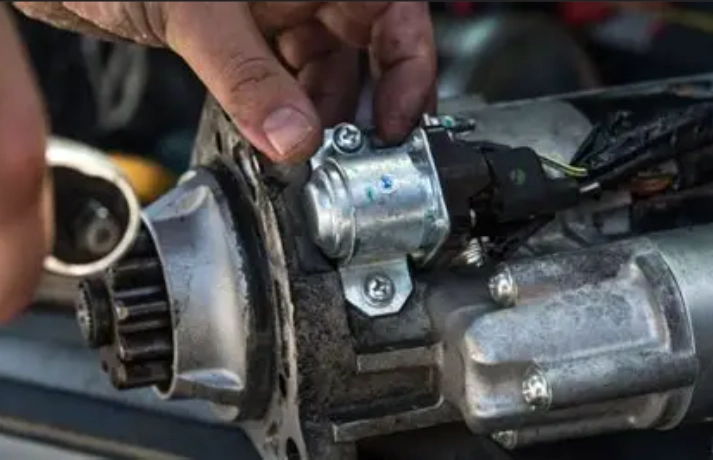
We're going to walk through the whole messy business of starter motor problems. Not just the "what," but the "why," the "how to tell," and the "what's it gonna cost me." Whether you're a DIY warrior with a toolbox or someone who just wants to sound smart when talking to the mechanic, this is your roadmap.
What Does a Starter Motor Actually Do? (It's Simpler Than You Think)
Let's start with the basics, because it's hard to fix something if you don't know what it's supposed to do. Think of your car's engine as a big, heavy, sleeping giant. It needs a serious shove to wake up and start running on its own. That's the starter motor's only job—to give the engine that initial spin.
When you turn the key to "start," a tiny electrical signal travels to the starter solenoid (a heavy-duty switch mounted on the starter). The solenoid does two things: it connects the starter motor to the car's battery (massive power), and it pushes a little gear (called the pinion gear) out to mesh with the teeth on the engine's flywheel. The starter motor then spins like crazy, turning the flywheel, which starts the engine's pistons moving. Once the engine fires up and runs by itself, you let go of the key, the solenoid retracts the gear, and the starter motor's job is done until next time.
So, any starter motor problems usually boil down to three areas: the electrical circuit (no power), the solenoid (no connection or gear engagement), or the motor itself (spins but doesn't have the oomph, or is just dead).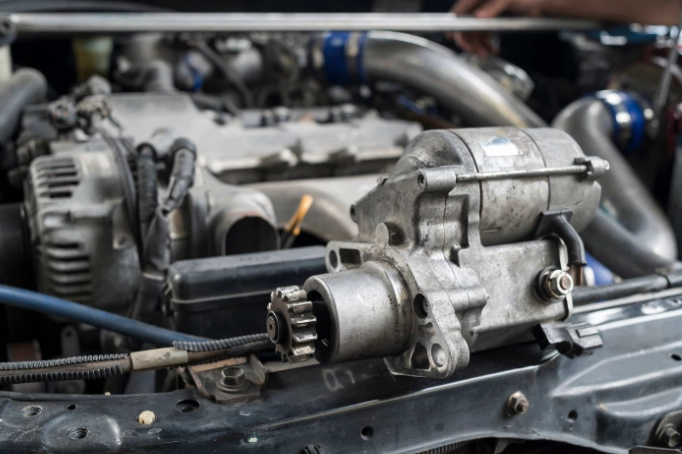
The Tell-Tale Signs: Symptoms of a Bad Starter Motor
Your car is pretty good at telling you something's wrong. It just speaks in noises and weird behavior instead of words. Here are the classic cries for help that point directly to starter motor problems.
The Dreaded Single Click
This is the most classic sign. You turn the key, hear one solid *CLICK* from under the hood (or near the floor), and that's it. No cranking, no engine turnover. That click is usually the sound of the solenoid trying to do its job. It's getting enough power to *try* and engage, but something's stopping the motor from spinning. Could be a dead spot in the starter motor's armature, a completely seized motor, or sometimes, a battery that's just barely too weak.
I used to think a click meant the battery was definitely good. Not always true.
Grinding That Makes You Cringe
A harsh, metal-on-metal grinding noise during cranking is a horrible sound. This often means the starter gear isn't meshing properly with the flywheel teeth. Either the solenoid isn't pushing it out all the way, the gear is worn down, or—worst case—the teeth on the engine's flywheel are chewed up. Ignoring this is a great way to turn a starter motor problem into a much, much more expensive transmission or engine repair.
Whirring or Spinning Freely
You hear the starter motor spinning busily, but the engine doesn't crank. It sounds like a high-speed whir. This is typically a solenoid failure. The motor is getting power and spinning, but the solenoid isn't shoving the drive gear forward to connect with the flywheel. So the motor just spins in place, uselessly.
Intermittent Starting Issues
This is the most annoying one. The car starts fine most of the time, but every so often, it just won't. You might try a few times and then it magically works. This can point to worn brushes inside the starter motor, a failing solenoid with a bad contact point, or a loose electrical connection. Heat can make it worse—a starter might fail when the engine is hot but work again once it cools down.
Smoke or Burning Smell
This is a red-alert symptom. If you see smoke or smell something burning (often electrical) when trying to start, stop immediately. The starter motor is drawing a huge, continuous current and is likely shorted out internally or jammed. You're risking an electrical fire. This isn't a "try again later" situation.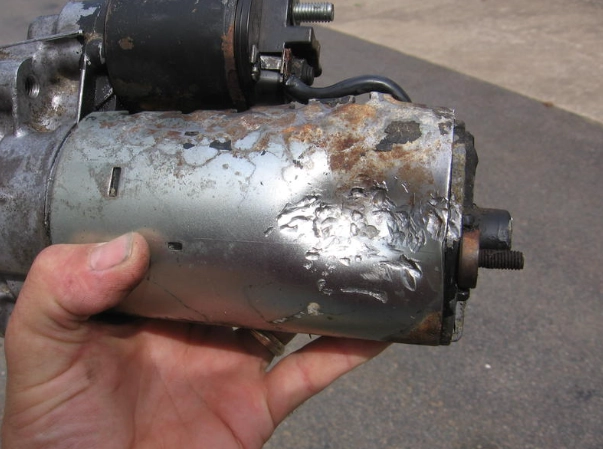
Quick Rule of Thumb: One loud click = often solenoid or seized motor. Rapid clicking = usually a weak battery. Grinding = gear engagement issue. Whirring = solenoid not engaging gear. Smoke = stop everything.
How to Diagnose Starter Motor Problems Yourself (The Safe Way)
Before you call a tow truck or start swapping parts, you can do some basic detective work. It can save you time and money. Always start with the simplest and cheapest possibilities first. The process is like a funnel—wide at the top, narrowing down.
First, listen. What exactly is it doing? Write it down. That's your biggest clue.
Step 1: The Battery Check (It's Almost Always the First Suspect)
A weak battery is the number one mimic of starter motor problems. A starter needs a massive surge of power. Even a battery that can power your lights and radio might not have enough juice to engage the starter.
- Headlight Test: Turn on your headlights (not just parking lights). Try to start the car. Watch the lights.
- If they go extremely dim or go out when you crank, your battery is likely dead or very weak.
- If they stay bright and you just hear a single click, the battery likely has enough power, pointing more strongly to the starter.
- Check Connections: Pop the hood and look at the battery terminals. Are they covered in a bluish-white, crusty powder (corrosion)? Are they tight? Corrosion creates resistance, blocking the huge current flow the starter needs. Cleaning terminals is a 10-minute fix that has solved many "bad starter" diagnoses.
Honestly, if your battery is more than 4-5 years old, it's a prime suspect regardless. Getting it load-tested for free at an auto parts store is a brilliant first move.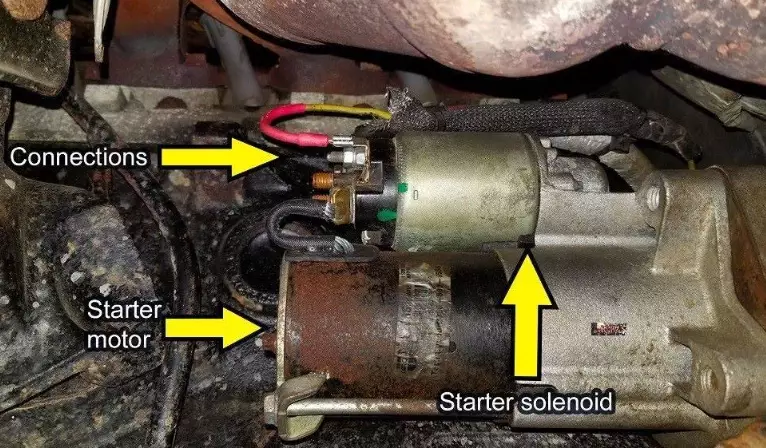
Step 2: The Tap Test (The Old Mechanic's Trick)
This is a classic for a reason, but it works mainly for one specific issue. If you have a single click and suspect the starter motor itself, you can sometimes shock it back to life temporarily. Locate the starter (follow the positive battery cable, it's usually on the side of the engine where it meets the transmission). Have a friend try to start the car. While they do, give the body of the starter motor a few solid taps with a wrench or a piece of wood. Not a sledgehammer! Just firm taps.
⚠️ Safety First: Keep hands, tools, and loose clothing away from moving engine parts (belts, fans). Make sure the car is in Park or Neutral with the parking brake on. This is a diagnostic trick, not a fix. If tapping makes it start, the starter has worn brushes or a dead spot and needs replacement soon.
If it starts after tapping, you've just confirmed your starter motor problems. It's on borrowed time.
Step 3: Listening for Power
When your friend turns the key, listen near the starter. You should hear a distinct *clunk* as the solenoid engages. No clunk? The problem might be in the control circuit (ignition switch, neutral safety switch, wiring) not sending the signal to the solenoid. A clunk but no spin points to the motor itself or a massive power delivery issue.
| Symptom When Turning Key | Possible Culprit | Next Diagnostic Step |
|---|---|---|
| One loud click, lights stay bright | Starter motor/solenoid (jammed, dead spot, bad contacts) | Tap test, check battery voltage at starter terminal during crank |
| Rapid clicking, lights dim drastically | Weak/Dead Battery or Extremely Corroded Terminals | Clean terminals, load-test battery, check alternator |
| Whirring sound, engine doesn't turn | Solenoid not engaging drive gear | Starter needs replacement (solenoid is usually integral) |
| Loud grinding noise | Worn starter gear or damaged flywheel teeth | Inspect starter gear; may need mechanic to check flywheel |
| Nothing at all (no click, no dash lights) | Complete battery failure, blown main fuse, or major wiring disconnect | Check battery voltage, inspect main fuses/connections |
What Causes Starter Motor Problems to Begin With?
Starters don't just die for no reason. They're tough components, but they have their limits and wear items. Understanding the causes can help you prevent the next failure.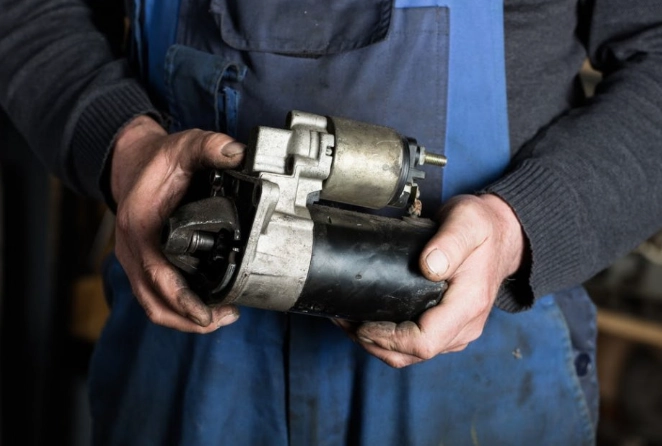
Normal Wear and Tear: This is the most common cause. Inside the starter motor are carbon brushes that press against the spinning commutator to deliver electricity. Over thousands of start cycles, these brushes simply wear down until they no longer make good contact. The solenoid also has heavy-duty copper contacts that get pitted and burned from the massive arcs every time you start the car.
Heat: Starters are often mounted in terrible locations—right next to hot exhaust manifolds. Constant exposure to extreme heat cooks the internal components, dries out lubrication, and degrades electrical insulation over time.
Moisture and Corrosion: Road splash, leaks, or high humidity can get inside the starter, causing internal corrosion and short circuits. This is a big issue in snowy areas where roads are heavily salted.
Bad Connections: This one's huge. A loose or corroded battery cable, or a bad ground connection between the engine and chassis, creates resistance. The starter tries to draw 150-200 amps, but resistance turns that energy into heat instead of motion. This strains the starter to death and can melt wiring.
Frequent Short Trips: If you only drive a few minutes at a time, the battery never gets fully recharged by the alternator. You're then asking a weak battery to power the starter, which makes it labor harder and longer to start the engine. This extra strain shortens its life.
Mechanical Binding: Very rarely, an engine with internal problems (like a hydro-locked cylinder or extreme lack of oil) can be physically hard to turn. The starter will strain against this until it burns itself out.
"The starter is just the messenger. Often, the real crime is a weak battery or dirty connections that force it to work in a voltage-starved state until it gives up."
Fixing Starter Motor Problems: Your Options from DIY to Pro
So, you've diagnosed it. It's the starter. Now what? You have a few paths, each with pros and cons.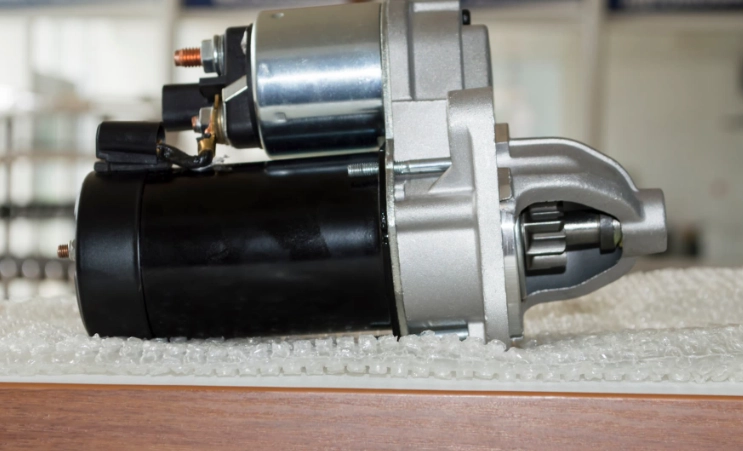
Option 1: The Full DIY Starter Replacement
Replacing a starter motor is often considered a mid-level DIY job. On some cars (like many older rear-wheel-drive models), it's right on top and easy. On others (hello, many transverse V6 engines), it's buried under the intake manifold and is a nightmare.
What you'll need: A new or remanufactured starter, basic socket/wrench set, maybe a jack and stands if it's underneath, and a lot of patience. A repair manual or a reliable online tutorial for your specific car is worth its weight in gold. I like using resources from SAE International for general technical understanding, but for vehicle-specific steps, enthusiast forums are often more practical.
The process (generally): Disconnect the negative battery cable first (safety is non-negotiable!). Unbolt the electrical connections from the old starter (usually one big cable and one smaller control wire). Unbolt the starter from the engine block (usually 2-3 bolts). Wrestle the old one out. Put the new one in, reconnect everything, and reconnect the battery.
The hard part: Access. Sometimes you need to remove other components. Also, the bolts can be very tight and in awkward positions. If the starter is located under the exhaust manifold or other major components, the job complexity skyrockets.
My personal take? If you have basic tools and the starter is reasonably accessible, it's a great weekend project that can save you $300-$500 in labor. If it's buried, paying a professional might be worth the sanity.
Option 2: Professional Repair
Taking it to a shop is the hands-off solution. The main benefit is speed, warranty on the part and labor, and not having to deal with it. A good mechanic will also check related items—battery health, charging system, and connections—as part of the job.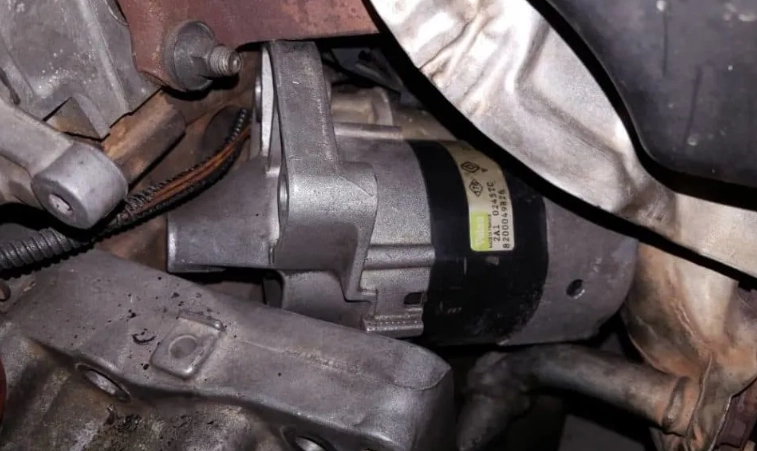
What Does Fixing Starter Motor Problems Actually Cost?
Costs vary wildly by car and location. Here's a rough breakdown:
- Part Cost (Remanufactured Starter): $80 - $400+. Common economy car starters are on the lower end. Starters for luxury or high-performance cars, or those with integrated gear reduction, cost much more.
- Labor Cost: $100 - $500+. This is entirely dependent on the "book time" for the job on your specific vehicle. A 1-hour job is cheap. A 4-hour job where half the engine needs to come apart is not.
- Total Typical Range: For most common vehicles, expect to pay $300 to $800 total at an independent shop. Dealerships will be higher.
Always get a written estimate first. Ask if the quote includes a new starter, or a "remanufactured" one (which is standard and fine).
Option 3: Starter Rebuilding (A Dying Art)
Some specialized auto electric shops still rebuild starters. They replace the wear items—brushes, solenoid contacts, bearings—and test the armature and field coils. This can be cheaper than a new unit and is arguably higher quality if done well, as they reuse the original heavy-duty housing. However, it's harder to find these shops, and the turnaround time is longer.
Prevention: How to Avoid Future Starter Motor Problems
You can't make a starter last forever, but you can help it live a long, healthy life.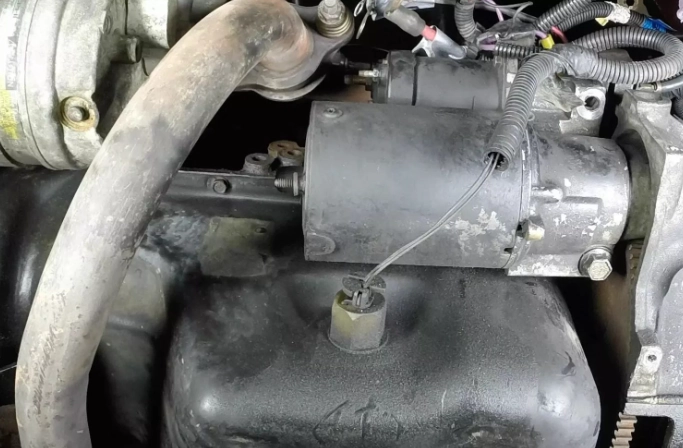
- Maintain Your Battery: This is rule #1. A healthy battery is the starter's best friend. Keep terminals clean and tight. Replace the battery every 4-5 years as preventative maintenance. Have your charging system checked if lights dim at idle.
- Fix Oil Leaks Promptly: Oil dripping onto a starter is a death sentence. It degrades insulation and attracts dirt.
- Mind Your Cranking: Don't crank the engine for more than 15 seconds at a time. If it doesn't start, pause for a full minute to let the starter cool down. Cranking continuously can overheat and warp it.
- Address Small Issues Early: Heard a slight grind once? Get it checked. Having intermittent problems? Don't wait for it to fail completely, often at the worst possible moment.
It's like any other component. A little care goes a long way.
Pro Tip: When installing a new starter, even a DIY one, spend the extra few minutes cleaning the battery cable ends and the engine ground strap connection points. Use a wire brush. This ensures the new starter gets all the power it deserves and lasts as long as possible.
Common Questions About Starter Motor Problems (Answered)
Let's tackle some of the specific things people search for when they're in a panic.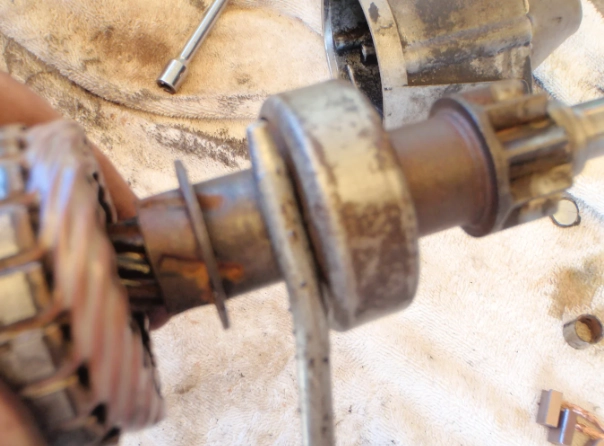
Can a starter motor fail suddenly, or does it give warnings?
It can do both. Often, there are warnings—an occasional slow crank, a single "no-start" incident that resolves, a faint grinding sound that comes and goes. But they can also fail catastrophically and suddenly, especially if an internal wire shorts or a connection finally burns through. The intermittent warnings are your cue to plan the repair on your terms.
Is it safe to jump-start a car with a bad starter?
No. If the problem is the starter motor itself (a single click with a strong battery), giving it more power from jumper cables won't help and could cause damage. Jump-starting only helps if the problem is a weak/dead battery. If you know the battery is good and you're getting a single click, don't jump it.
How can I tell if it's the starter or the ignition switch?
This is a tricky one. A classic test: turn the key to "run" (not start). Do the dashboard lights and radio come on? Good. Now turn it to "start." If you hear absolutely nothing—no click, no solenoid sound, nothing—and the dash lights go out when you turn to start, it could point to a faulty ignition switch not sending the signal. If you hear a click from the starter area, the switch is probably working. Sometimes you can bypass the switch by briefly jumping the solenoid terminal with a screwdriver (caution: this is for advanced DIYers and requires knowing exactly what you're doing).
What's the difference between a starter and an alternator problem?
Simple: The starter gets the engine running. The alternator keeps it running and recharges the battery. If you can jump-start the car and it runs fine, but the battery is dead the next morning, that's an alternator (or battery) problem. If you can't get the engine to crank at all, even with a jump, that's a starter (or related circuit) problem. The National Highway Traffic Safety Administration (NHTSA) maintains databases on component failures, and clear diagnosis is key to avoiding misrepairs.
Can I fix starter motor problems myself if I'm not a mechanic?
Diagnosis? Absolutely. The steps in the "Diagnose" section above are within almost anyone's ability. The actual repair/replacement depends entirely on your comfort level, tools, and your car's specific layout. Watching a few YouTube videos for your exact car model will quickly show you if it's a 30-minute job or a 5-hour ordeal. There's no shame in doing the diagnosis yourself and then taking a clear description of the problem to a professional.
Starter motor problems are a headache, but they're rarely a mystery. They follow logical patterns. Start with the simple stuff—the battery and connections. Listen to what the car is telling you. Weigh the repair difficulty against your time and skill. And remember, addressing the little warning signs is always cheaper than dealing with a complete failure in a parking lot at midnight.
Hopefully, this guide takes some of the fear and uncertainty out of the process. Your car will start again. You just need to listen to it first.