Quick Navigation
- The Top 5 Warning Signs Your Brake Fluid is Crying for Help
- How to Check Your Brake Fluid Yourself (A 3-Minute Visual Inspection)
- Brake Fluid Types, Intervals, and Why It Goes Bad
- What Happens If You Ignore the Signs?
- DIY vs. Professional Service: What's Involved in Changing It?
- Your Action Plan & Common Questions Answered
Let's be honest. Most of us don't think about our brake fluid until something feels off. You're driving along, everything's fine, and then you press the pedal and think... huh, that felt a bit different. That's the moment the question pops into your head: how do I tell if my car needs brake fluid? It's not like checking oil, where you pull a dipstick. Brake fluid is hidden away in a little reservoir, and its job is utterly critical. If it fails, your brakes fail. It's that simple, and that scary.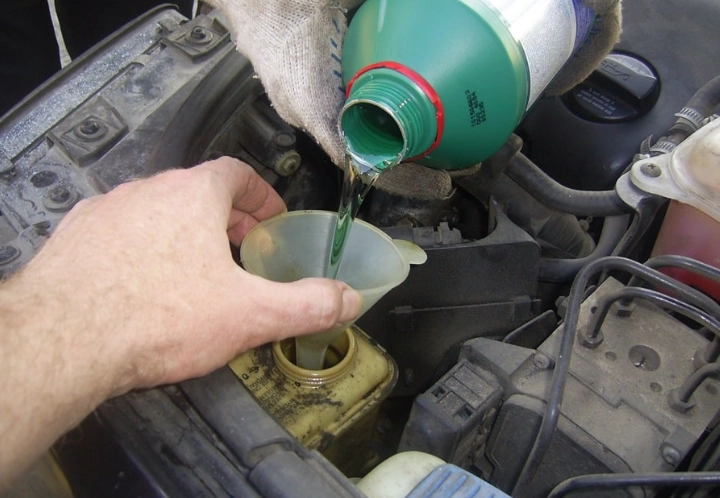
I remember the first time I noticed my brake pedal feeling a bit spongy. I was coming off the highway, and the pedal traveled further down than usual before the car really started to slow. I ignored it for a week, blaming it on being tired. Big mistake. It got worse, and I ended up needing a more expensive repair than if I'd caught it early. That experience taught me that knowing the signs isn't just car maintenance—it's a basic safety skill.
So, let's cut through the confusion. This isn't a technical manual. It's a plain-English guide to the things your car will do to tell you the brake fluid needs attention. We'll cover the obvious signs, the not-so-obvious ones, how to check it yourself (it's easier than you think), and what happens if you put it off. By the end, you'll know exactly what to look for.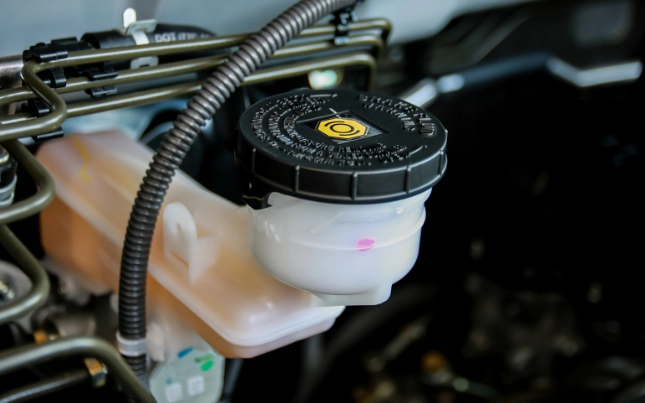
The Top 5 Warning Signs Your Brake Fluid is Crying for Help
Your car is pretty good at communicating. It doesn't have a voice, so it uses sensations, sounds, and lights. When it comes to brake fluid, here are the main ways it tells you there's a problem. If you notice even one of these, it's time to investigate.
A Spongy or Soft Brake Pedal
This is the classic symptom, and in my opinion, the most common way people realize something's wrong. You press the brake pedal, and instead of having a firm, responsive feel from the top of its travel, it feels mushy or soft. It might sink closer to the floor before the brakes bite. This is often the first answer to "how do I tell if my car needs brake fluid?"
Why does this happen? Brake fluid is hygroscopic—a fancy word meaning it absorbs moisture from the air over time. This moisture lowers its boiling point. Under hard braking, the fluid can get so hot it vaporizes, creating little air bubbles in the lines. Since air compresses much more easily than fluid, you get that spongy, ineffective feel. It's not always about low fluid level; it's about contaminated, old fluid.
The Brake Warning Light is On
Don't ignore the little red exclamation mark inside a circle (often with parentheses around it) on your dashboard. That's your brake system warning light. Sometimes it lights up briefly when you start the car—that's a system check. If it stays on while you're driving, it's trying to get your attention.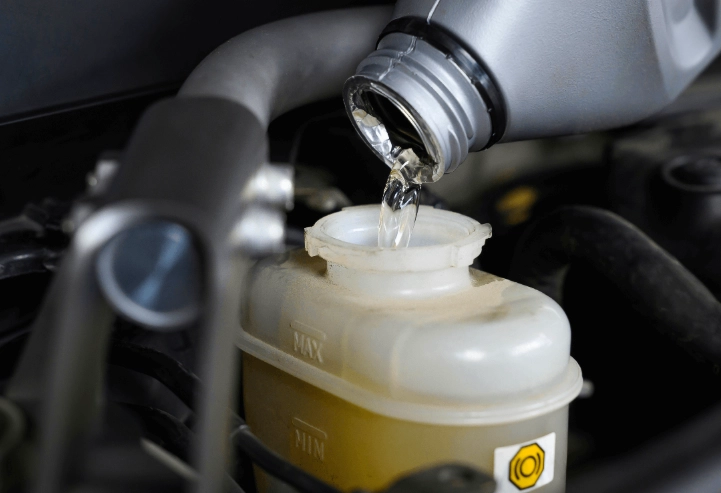
What could it mean?
It could be triggered by the parking brake being engaged (oops, we've all done it). But if the parking brake is off, it often means the fluid level in the master cylinder reservoir has dropped below a safe threshold. A low level is a major red flag. It usually points to worn brake pads (as the pads wear, the caliper pistons extend, taking more fluid from the reservoir) or, more worryingly, a leak somewhere in the system.
Weird Noises When Braking
Grinding or squealing is usually a pad issue. But what about a sort of hissing or gurgling sound when you press the pedal? That's more unusual and can be linked to air in the brake lines—again, a symptom of low or aerated fluid. If you hear this, combined with a soft pedal, it's a strong double-signal that your fluid system needs a professional look.
Reduced Braking Performance or Longer Stopping Distances
This one is subtle and dangerous. You might not feel a dramatic sponginess, but you might notice the car just doesn't stop as crisply as it used to. You have to press harder, or you find yourself stopping later than intended at a familiar traffic light. This gradual decline is easy to adapt to, which makes it risky. It's often the result of old, moisture-contaminated fluid that can't handle heat well, leading to brake fade.
Visible Fluid Leaks or Low Reservoir Level
This is the most straightforward visual clue. If you see a small puddle of clear-to-amberish or brownish fluid under your car, especially near the wheels or under the engine bay, you likely have a leak. Brake fluid feels oily but is less slippery than engine oil or power steering fluid. It's also corrosive to paint, so if you see it, clean it off your car's body quickly.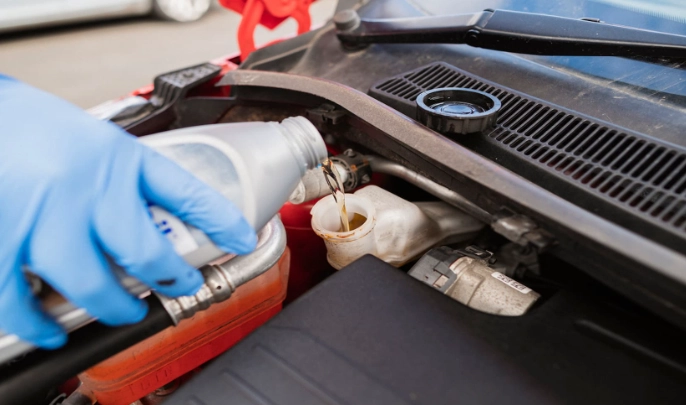
How to Check Your Brake Fluid Yourself (A 3-Minute Visual Inspection)
Okay, so you're suspicious. Let's actually check. This is the hands-on part of figuring out how do I tell if my car needs brake fluid. You don't need tools, just a clean rag and maybe a flashlight.
- Park on a Level Surface & Cool the Engine: Make sure the car is off and has been sitting for a bit. A hot engine bay can make the reservoir dangerous to touch.
- Locate the Reservoir: Open the hood. The brake fluid reservoir is almost always on the driver's side, mounted on the firewall (the wall between the engine and the cabin). It's a small, usually translucent plastic tank with a black cap labeled "Brake Fluid" or with a brake symbol.
- Check the Fluid Level: The reservoir will have "MIN" and "MAX" lines marked on the side. Look through the plastic. The fluid level should be between these two lines, ideally closer to MAX. If it's at or below MIN, that's a clear problem.
- Assess the Fluid Color & Clarity: This is crucial. New brake fluid (DOT 3 or 4) is almost clear with a slight amber or honey tint. As it ages and absorbs water, it turns darker—muddy brown or even black. If it looks like strong coffee, it's long past its prime, regardless of the level. It should also be clear, not cloudy.
If the level is low, don't just top it off. That's a temporary band-aid. You need to ask why it's low. Are your brake pads very worn? Is there a leak? Topping off a leaking system just delays the inevitable failure. The right move is to get it inspected.
Brake Fluid Types, Intervals, and Why It Goes Bad
Not all brake fluid is the same, and it doesn't last forever. Understanding this helps you make sense of what's happening.
Brake fluid is categorized by DOT ratings (Department of Transportation). The common ones are DOT 3, DOT 4, and DOT 5.1 (DOT 5 is silicone-based and different—don't mix them!). Your car's owner's manual specifies the correct type. Using the wrong one can damage seals.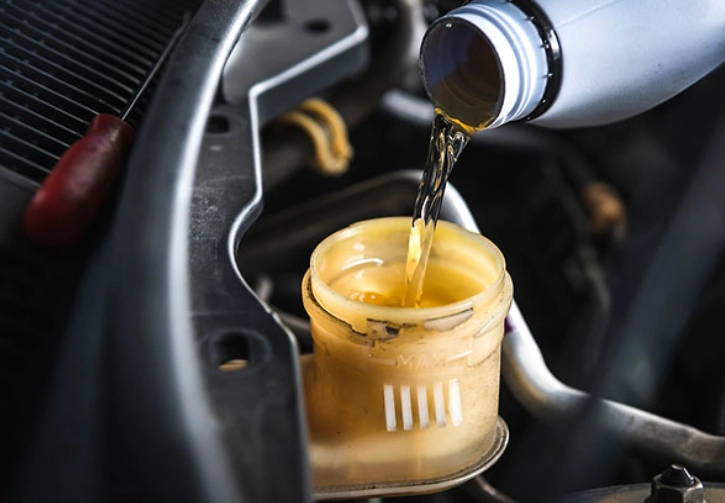
| Type | Base Chemistry | Dry Boiling Point (Typical) | Key Characteristic | Common Use |
|---|---|---|---|---|
| DOT 3 | Glycol Ether | 401°F (205°C) | Most common, absorbs moisture readily. | Older and standard passenger cars. |
| DOT 4 | Glycol Ether/Borate Ester | 446°F (230°C) | Higher boiling point than DOT 3. | Most modern cars, European vehicles, those with ABS. |
| DOT 5.1 | Glycol Ether/Borate Ester | 500°F (260°C) | Very high boiling point, still absorbs moisture. | High-performance, racing, or heavy-duty use. |
How often should you change it? The old "if it ain't broke" rule is dangerous here. Most manufacturers recommend a change interval, but it's often buried in the severe service schedule. A solid, safe rule of thumb is every 2 years or 30,000 miles, whichever comes first. In humid climates, it might need changing more often. The Society of Automotive Engineers (SAE) has published numerous papers on brake fluid degradation, emphasizing that time, not just mileage, is a critical factor due to moisture absorption. You can find their technical standards on fluid properties on the SAE website.
Why does it go bad? We touched on moisture. That's enemy number one. It causes corrosion inside the brake lines, calipers, and master cylinder. It also lowers the boiling point, leading to brake fade. The fluid itself also breaks down chemically over time, losing its protective and lubricating properties for the system's moving parts.
What Happens If You Ignore the Signs?
This is the scary part, but it's important to know. Ignoring bad brake fluid isn't like skipping an oil change for a thousand miles. The consequences are direct and safety-critical.
- Total Brake Failure: In the worst-case scenario of a major leak or severe fluid vaporization (boiling), you can lose hydraulic pressure entirely. The pedal will hit the floor with little to no braking force. This is a catastrophic failure.
- Expensive Component Damage: Water-contaminated fluid is corrosive. It can eat away at the inside of your steel brake lines, ruin the seals in your calipers and master cylinder, and corrode the expensive anti-lock braking system (ABS) modulator. A $150 brake fluid flush can prevent $1,500+ in repairs.
- Brake Fade: This is a terrifying experience. You're going down a long hill or braking hard repeatedly, and suddenly the brakes just get weaker and weaker. The pedal may get longer and softer. This is the contaminated fluid boiling. It's a major cause of accidents.
The National Highway Traffic Safety Administration (NHTSA) maintains databases on vehicle safety issues and recalls. While not every brake failure is reported, their data underscores that brake system maintenance is a fundamental part of vehicle safety. You can search for recalls related to brake components on their official site, NHTSA.gov.
DIY vs. Professional Service: What's Involved in Changing It?
So, you've determined you need new fluid. Can you do it yourself? Technically, yes. It's a process called "bleeding the brakes." You need to systematically flush the old fluid out of each brake caliper (or wheel cylinder) at all four corners, making sure no air gets trapped in the lines.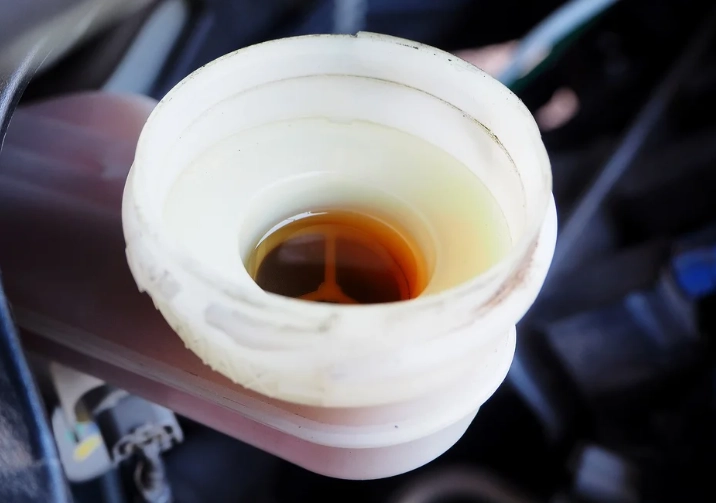
I've done it. It's messy (brake fluid strips paint!), and it requires a helper to pump the pedal or you need a special one-person bleeding kit. You also need to know the specific bleeding sequence for your car (it's usually farthest from the master cylinder to closest). If you're a confident DIYer with the right tools and a safe way to dispose of the toxic old fluid, it's achievable.
But here's my personal take:
For most people, I recommend having a professional do it. It's a relatively inexpensive service ($100-$200 typically). A good shop will use a pressure bleeder that does a more thorough job than the pedal-pump method, and they'll know the correct sequence. They can also do a full brake inspection while they're at it, checking pads, rotors, and lines for wear or leaks. For me, the peace of mind is worth the cost.
Your Action Plan & Common Questions Answered
Let's tie this all together. You now know the signs. Here's what to do next.
- Symptom Check: Do you have a soft pedal, warning light, or strange performance?
- Visual Inspection: Pop the hood. Check the reservoir level and fluid color. Is it low or dark brown?
- Decision Point: If anything is off, do not ignore it. Schedule an appointment with a trusted mechanic for a brake inspection and fluid flush.
- Preventive Maintenance: Mark your calendar for a brake fluid check/service every 2 years, regardless of symptoms.
At the end of the day, figuring out how do I tell if my car needs brake fluid comes down to paying attention. Listen to your car. Feel the pedal. Take two minutes to look at the reservoir once in a while. It's one of the simplest, most impactful checks you can do. It's not about being a mechanic; it's about being a responsible driver. Your safety, and the safety of everyone on the road with you, depends on those brakes working perfectly every single time you press that pedal. Don't wait for a warning to become a failure. Act on it.