Let's cut to the chase. You're here because that little voice in your head is asking, "What maintenance should be done on my car?" Maybe the check engine light just came on, or you heard a weird noise. Maybe you just bought a used car and want to keep it alive. I get it. I've been fixing and writing about cars for over a decade, and I've seen the same mistakes cost people thousands.
The truth is, maintenance isn't about blindly following a list. It's about understanding what your car needs to prevent problems, not just react to them. This guide will walk you through everything, from the quick checks you should do every week to the major services you can't ignore.
Your Quick Maintenance Roadmap
- The 60-Second Weekly Check (Most People Skip This)
- Oil & Fluid Changes: The Lifeblood of Your Car
- Tires & Brakes: Your Safety is Non-Negotiable
- Air & Cabin Filters: Breathe Easy
- The Big-Ticket Items: Timing Belts, Coolant & More
- Don't Forget Seasonal & Annual Tasks
- Your Car Maintenance Questions Answered
The 60-Second Weekly Check (Most People Skip This)
You don't need a mechanic's license for this. Five minutes in your driveway can save you a tow truck call. Do this every time you fill up for gas.
- Engine Oil: Park on level ground, wait a few minutes after turning off the engine. Pull the dipstick, wipe it, reinsert, pull again. The level should be between the two marks. If it's low or looks like chocolate milk, you have a problem.
- Tire Pressure: Use a gauge. Don't trust your eyes. The correct PSI is on a sticker inside your driver's door jamb, not on the tire sidewall. Under-inflated tires wear out fast and kill fuel economy.
- Coolant Level: Only check when the engine is cold. The reservoir has "MIN" and "MAX" lines. If it's consistently low, you have a leak.
- Windshield Washer Fluid: Seems trivial until you're driving behind a muddy truck and can't see.
- Lights: Have someone stand behind and in front of the car while you cycle through headlights, brake lights, and turn signals. A burnt-out brake light is a ticket waiting to happen.
Oil & Fluid Changes: The Lifeblood of Your Car
This is where people get confused. The old "3,000 miles or 3 months" rule is dead for most modern cars. But stretching it too far is worse.
Engine Oil & Filter
Check your owner's manual. Most cars today recommend 5,000 to 10,000 miles with synthetic oil. But here's the catch no one talks about: driving conditions matter more than mileage. If your "commute" is five minutes of stop-and-go traffic, your oil never gets hot enough to burn off moisture and fuel contaminants. That's called "severe service," and it means you should change it more often, maybe every 4,000 miles.
I made this mistake with my first car. I followed the 7,500-mile schedule, but all my trips were short. At 60,000 miles, the engine sludge was unbelievable. A $40 oil change would have prevented a $2,000 repair.
Other Critical Fluids
Oil isn't the only fluid. They all degrade.
- Transmission Fluid: Often "lifetime" according to dealers, which really means "the lifetime of the warranty." A drain and refill every 60,000-100,000 miles can prevent harsh shifting and total failure.
- Brake Fluid: It absorbs moisture from the air, which lowers its boiling point and can cause corrosion inside the brake lines. Flush it every 2-3 years.
- Coolant/Antifreeze: It loses its anti-corrosion properties. A flush every 5 years or 60,000 miles (check manual) is cheap insurance against a blown head gasket or a ruined radiator.
- Power Steering Fluid: If your car has it (many new ones are electric), check the level and condition. Dark, burnt-smelling fluid needs changing.
Tires & Brakes: Your Safety is Non-Negotiable
Tire Rotation, Alignment, and Tread
Rotate your tires every 5,000 to 8,000 miles. Front tires wear faster, especially on front-wheel-drive cars. Swapping them ensures even wear, which means you replace all four at once, saving money.
Get an alignment if you hit a big pothole, notice the car pulling to one side, or see uneven tire wear (smooth on one edge, rough on the other). Misalignment chews through tires in months.
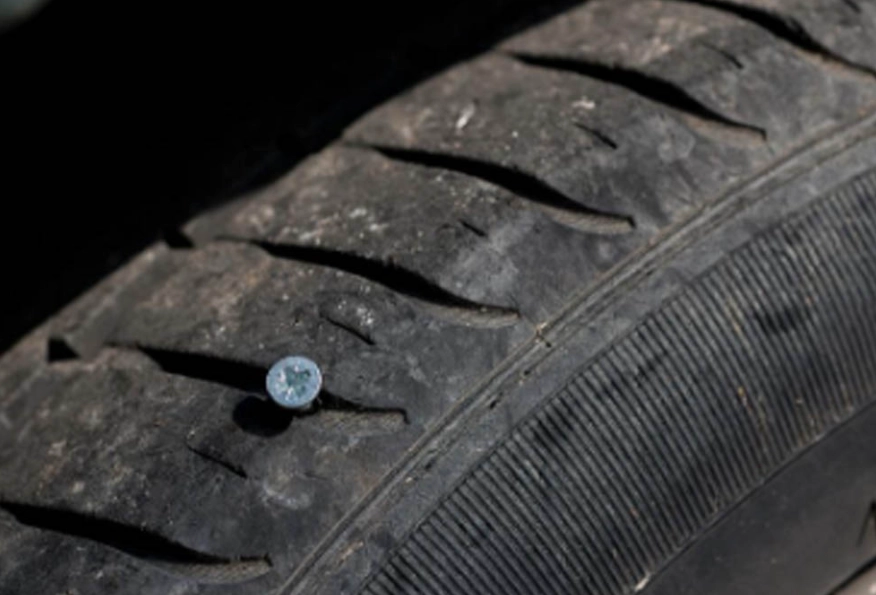
The penny test for tread depth is real. Insert a penny into the tread with Lincoln's head upside down. If you can see the top of his head, your tires are dangerously worn.
Brake Pads, Rotors, and Fluid
Listen for squealing or grinding when you brake. Feel for vibration in the pedal or steering wheel. These are late-stage warnings.
During a tire rotation, ask the tech to measure your brake pad thickness. Most pads have a wear indicator—a small metal tab that squeals when pads are low. If you hear that, don't wait for the grinding sound (that's metal on metal, destroying your rotors).
Remember that brake fluid flush I mentioned? It's critical for brake performance, especially in humid climates.
Air & Cabin Filters: Breathe Easy
Two filters, two very different jobs.
The engine air filter protects your engine from dirt. A clogged filter makes your engine work harder, reducing power and fuel economy. Check it every 12,000 miles or once a year. Hold it up to a bright light. If you can't see light through it, replace it. This is a 5-minute, $15 DIY job on most cars.
The cabin air filter cleans the air you breathe. It traps pollen, dust, and pollution. If your A/C smells musty or airflow seems weak, this filter is likely filthy. Change it every 12-15 months. Your allergies will thank you.
The Big-Ticket Items: Timing Belts, Coolant & More
These are the scheduled services that prevent catastrophic engine failure. Ignoring them is playing Russian roulette with your wallet.
| Service Item | Typical Interval | What Happens If You Skip It |
|---|---|---|
| Timing Belt | 60,000 - 100,000 miles (CHECK MANUAL) | If it breaks, pistons smash into valves. Engine is destroyed. Repair cost often exceeds car's value. |
| Spark Plugs | 30,000 - 100,000 miles | Rough idling, misfires, poor fuel economy, hard starting. Wears out ignition coils. |
| Serpentine Belt | Inspect at 50k, replace ~90k | It powers the alternator, power steering, A/C. If it snaps, you lose all that and may overheat. |
| Coolant Flush | Every 5 years / 60k miles | Corrosion builds up, leading to leaks, clogged heater core, overheating, engine damage. |
| Fuel Filter (if serviceable) | Every 30k - 60k miles | Reduced power, engine sputtering, fuel pump works harder and may fail. |
Don't Forget Seasonal & Annual Tasks
Maintenance isn't just mileage-based.
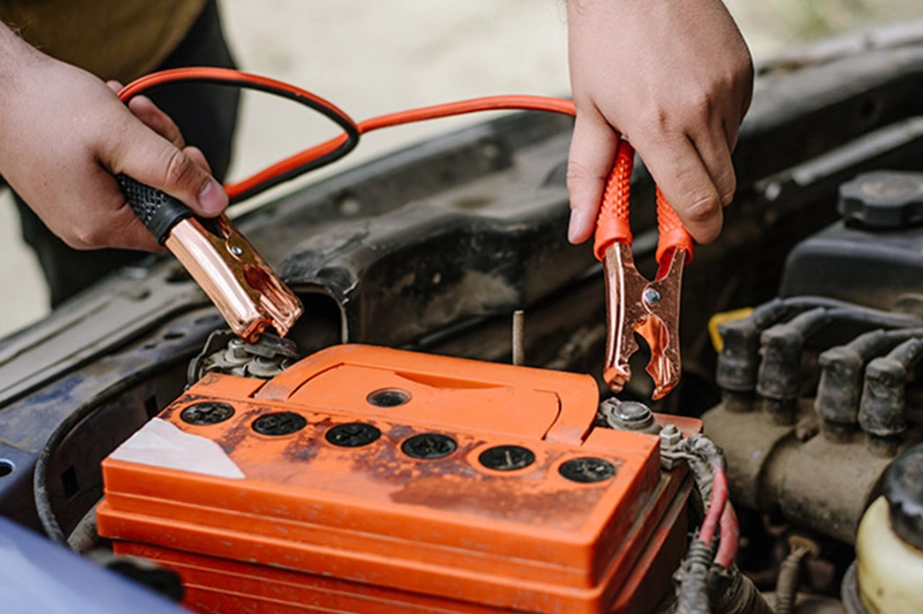
- Before Winter: Test your battery (cold weather kills weak batteries). Check antifreeze strength. Consider winter wiper blades and tires if you live in a snowy area.
- Before Summer: Make sure your A/C is blowing cold. Check coolant level. Inspect wiper blades (sun bakes them).
- Annual Inspection: Once a year, do a thorough under-car inspection for leaks (oil, coolant, transmission). Look at suspension components for torn boots or excessive rust. Check all belts for cracks.
I put my car on jack stands every October. The 30 minutes I spend looking for problems has saved me from multiple surprises.