That little orange check engine light pops on, and your heart sinks a bit. The first question isn't "What's wrong?" but "How much is this going to cost me?" Before you even get to the repair, you need a diagnosis. The price for that simple scan can be all over the map. I've seen shops charge $50 and others ask for $150 for what seems like the same thing. After over a decade of dealing with cars, both personally and professionally, I've learned the cost isn't random. It's a mix of technology, labor, and a bit of shop strategy. Let's cut through the confusion and look at what you're actually paying for.
What's Inside?
The Real Price Range: From Basic Scan to Deep Dive
Let's get straight to the numbers. A standard OBD2 diagnostic scan typically costs between $40 and $120. But that's just the entry point. If your problem is intermittent or involves a specific system (like the transmission or advanced driver-assistance systems), the price can jump to $200 or more.
Why such a wide range? It's not a scam. Think of it like a medical check-up. A basic scan is like taking your temperature—it gives a code. The higher cost is for the mechanic's time and expertise to interpret that code, look at live data, perform component tests, and trace the real root cause. A code for an oxygen sensor might mean a bad sensor, a vacuum leak, or a failing catalytic converter. Figuring out which one takes skill.
What Exactly Are You Paying For?
Breaking down the invoice helps you see the value. You're rarely paying just for a machine to be plugged in.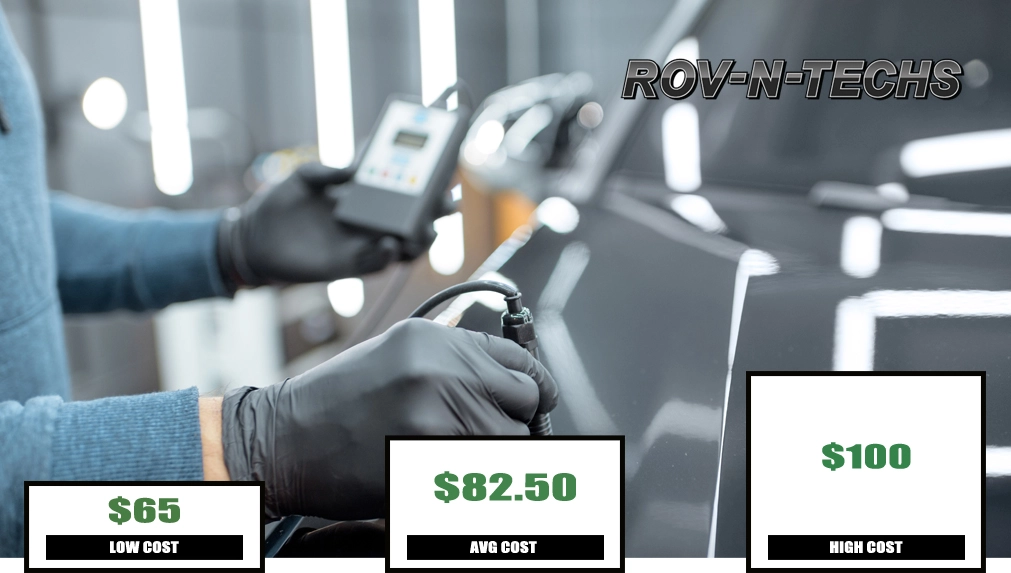
1. The Scan Tool and Software Access
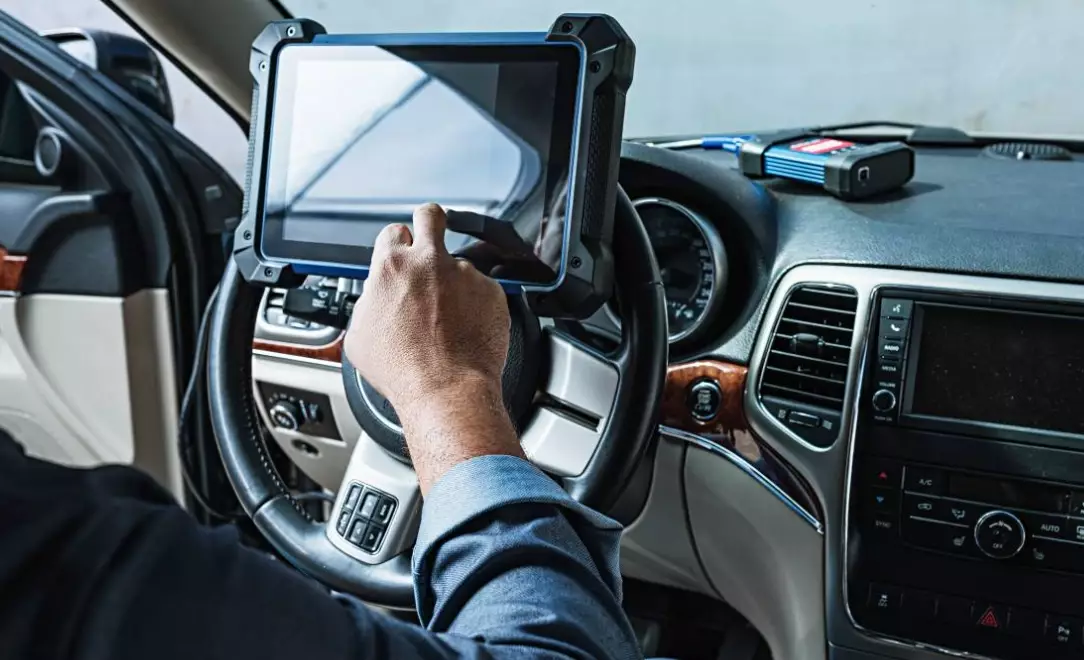
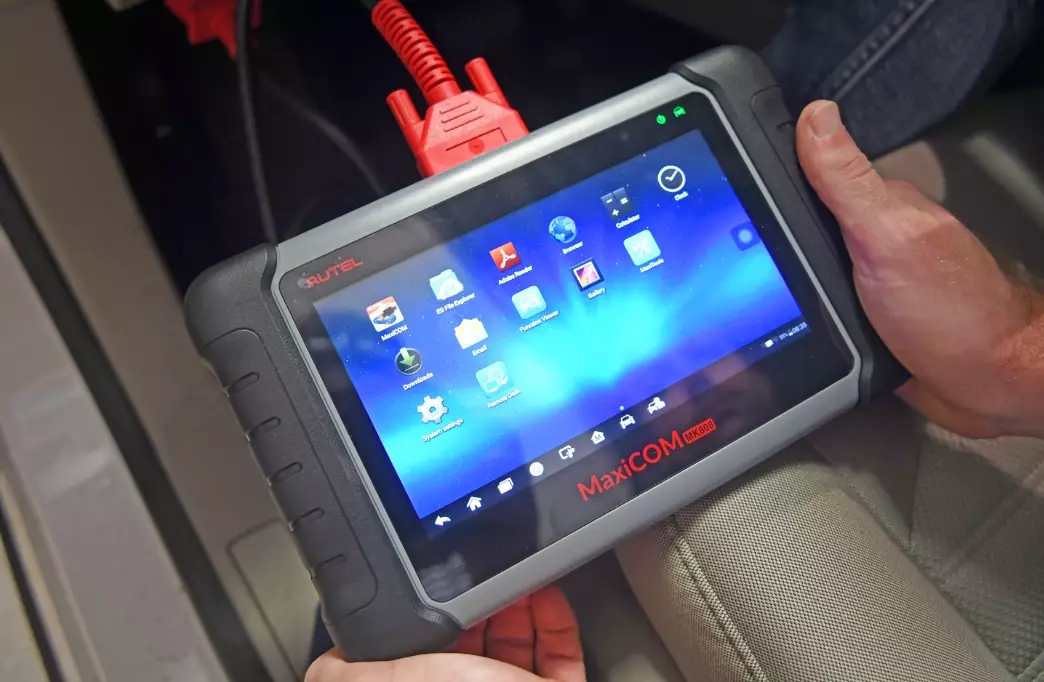
Professional-grade scan tools are expensive. A top-end Snap-on or Autel scanner can cost a technician thousands of dollars. They also pay for annual subscriptions to access manufacturer-specific software and updated code databases. Your $20 Bluetooth dongle from Amazon can't do what these can.
2. The Technician's Time and Expertise
This is the biggest chunk. A good mechanic doesn't just read a code and replace the part. They:
- Retrieve and document the fault codes.
- Clear the codes and perform a test drive to see if they return.
- Use the scanner to view live data streams (sensor voltages, fuel trim, engine load) while the car is running.
- Perform active tests (like commanding a solenoid to click or a fan to turn on).
- Consult technical service bulletins (TSBs) for known issues with your specific model.
This process can take 30 minutes to over an hour. You're paying for their trained eye to connect the dots.
3. The Diagnostic Report
You should receive a written or digital report listing the codes found, the recommended repairs, and sometimes the live data snapshot. This is your proof and your ticket to getting a second opinion if needed.
Dealership vs. Independent Shop vs. Parts Store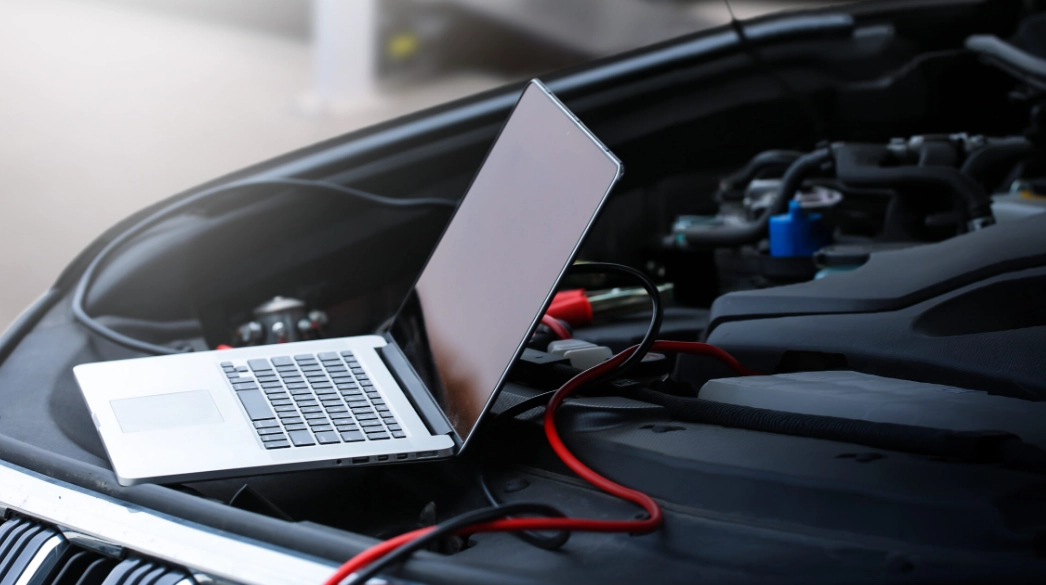
Where you go drastically changes the price and the service. Here’s a direct comparison based on recent market observations.
| Service Provider | Typical Diagnostic Fee Range | What You Get | Best For |
|---|---|---|---|
| Car Dealership | $120 - $200+ | Deep factory-level access, brand-specific expertise, latest TSBs. Highest labor rates. | Newer cars under warranty, complex computer/electrical issues, recalls. |
| Independent Repair Shop | $80 - $150 | Skilled technicians with multi-brand tools, often more personalized service. Fee often waived with repair. | Most common repairs for cars out of warranty. Good balance of cost and expertise. |
| National Chain (e.g., Firestone, Pep Boys) | $50 - $100 (often as part of a multi-point inspection) | Standardized process, basic to intermediate scanning. Can be a good starting point. | Basic check engine light diagnosis, getting a quick second opinion. |
| Auto Parts Store (e.g., AutoZone, O'Reilly) | FREE | A basic code read. Employee reads the code for you and prints a generic list of possible causes. | Getting the raw trouble code before seeing a mechanic. No live data, no expert interpretation. |
My personal take? For my 10-year-old SUV, I always go to a trusted independent shop. Their diagnostic fee is $99, but it's credited toward any repair. For my friend's new hybrid with a weird dashboard warning, the dealership was the only choice—their proprietary software was needed.
How to Save Money on Your Next Diagnostic Test
You don't have to just accept the first price you're quoted.
Get the code yourself first. Go to AutoZone and get the free scan. Write down the exact code (e.g., P0420). This arms you with information. When you call a shop, you can say, "My car is throwing a P0420, can you give me an estimate for diagnosis?" This makes you sound informed and can sometimes lead to a more accurate phone quote.
Always ask about the fee policy. The magic question: "Is the diagnostic fee waived if I have the repair done here?" If they say no, ask why. Many reputable shops apply the fee to the repair bill. If they don't, it's a red flag for me.
Describe the symptoms in detail. Don't just say "the light is on." Tell them "the light comes on during hard acceleration, and I feel a slight loss of power." This focused information can save the mechanic time, and time is money.
Consider a mobile mechanic. Services like YourMechanic or local mobile techs often have lower overhead and can come to you. Their diagnostic fees are frequently on the lower end of the scale ($50-$80). I've used them for simple diagnoses with great success.
Invest in a basic scanner. For about $30-$50, you can buy a simple Bluetooth OBD2 scanner that pairs with your phone (the Torque Pro app is great). You can read and clear basic codes yourself. It won't help with advanced diagnostics, but it can tell you if that check engine light is an urgent issue or a loose gas cap. For a car owner, it's some of the best money you can spend.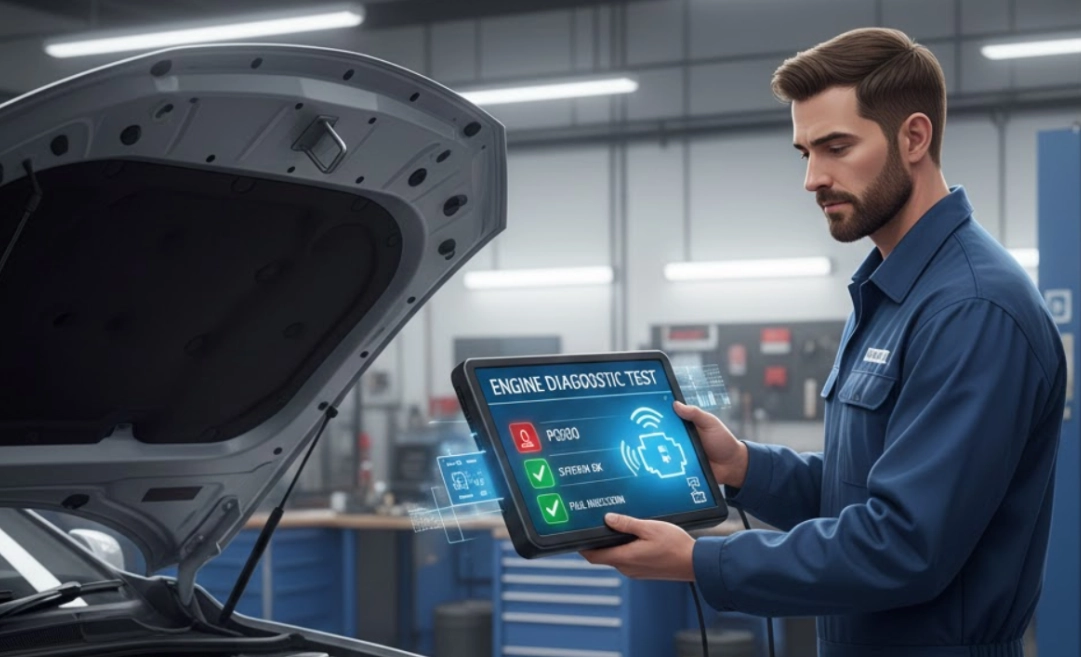
Your Diagnostic Test Questions Answered
Is a diagnostic test worth it if my car seems to be running fine?
Can I just use the free scan from an auto parts store to fix my car myself?
 Why did the dealership charge me $150 for a diagnostic but only found a "loose gas cap"?
My diagnostic test came back with multiple codes. Does that mean multiple things are broken?
Are there any "red flags" I should watch for when getting a diagnostic quote?
 The bottom line on cost? Expect to pay between $80 and $150 at a competent independent shop for a proper diagnosis, and always clarify if that fee goes toward the repair. The price isn't just for a computer to talk to your car; it's for a human to understand what it's saying. That expertise is what fixes your car right the first time, saving you money and headaches down the road.