That moment you glance at your dashboard and see the temperature gauge needle creeping into the red zone—your stomach drops. Engine overheating isn't just an inconvenience; it's a direct threat to your wallet and your safety. I've seen too many people ignore the early whispers of a problem until it becomes a shouting, steaming, and very expensive repair. The key is knowing what to look for before the situation becomes critical. This guide breaks down every engine overheating symptom, from the obvious to the subtle, and tells you exactly what to do about it.
What You'll Find in This Guide
What Does an Overheating Engine Actually Look and Feel Like?
Your car communicates problems long before they become catastrophic. Overheating has a specific language. Let's translate it.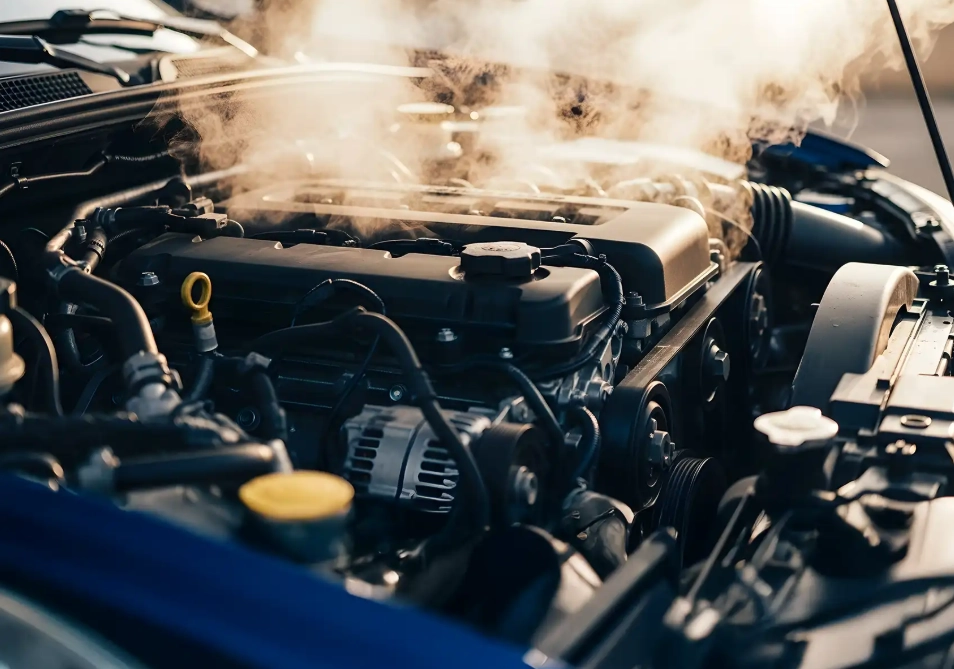
The Dashboard Temperature Gauge: Your First Clue
This is the most direct signal. A normal gauge sits steadily in the middle. If it's climbing past the midpoint and heading toward "H," that's your early warning. Don't wait for it to hit the red. A common mistake is thinking "it's just a little hot" and continuing to drive. That "little hot" can warp cylinder heads in minutes.
Here's a pro tip most guides miss: On some modern cars with digital gauges, the "normal" range is buffered. The needle might stay dead center until the coolant is critically hot, then jump straight to a warning light. That's why you need to watch for other signs, too.
Steam (or Smoke) Billowing From the Hood
This is the classic, can't-miss-it sign. It usually looks like white vapor pouring out from under the hood or from the front grille. This is often coolant boiling over and vaporizing as it hits hot engine parts. It has a distinct, sweet smell. If you see this, the overheating is already severe.
The Smell of Hot Coolant or Burning
Your nose is a powerful diagnostic tool. A sweet, syrupy smell (like maple syrup) is leaking coolant hitting hot metal. A sharp, acrid burning smell could be oil leaking onto the exhaust manifold or a slipping, overheating serpentine belt. Any unusual odor combined with heat is a red flag.
Reduced Engine Power and Strange Noises
An overheating engine starts to fail. You might feel a significant loss of power when you press the gas pedal. The engine may start to ping or knock—a metallic rattling sound—because the fuel is igniting prematurely in the overheated cylinders. In extreme cases, you might hear a loud clunk or thud from the engine bay, which could signal catastrophic internal damage like a seized piston.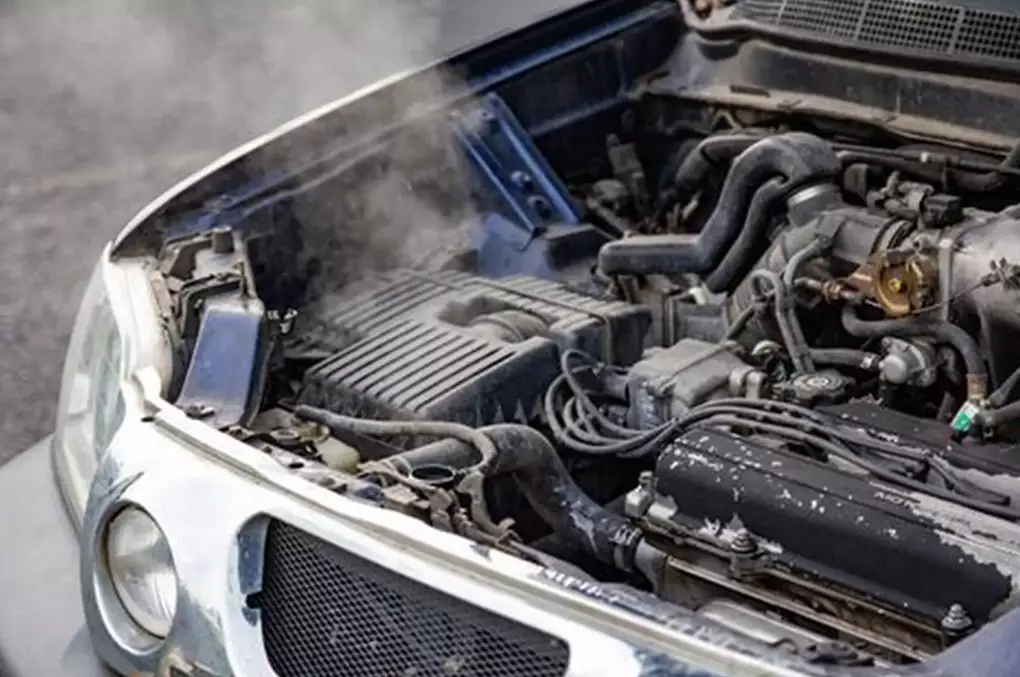
Coolant Leaks Under the Car
Puddles are a telltale sign. Coolant is usually green, orange, pink, or blue. It feels slippery and has that sweet smell. Finding a coolant leak means your cooling system can't hold pressure, which lowers the boiling point of the coolant and leads directly to overheating. Check this table to identify what's leaking:
| Fluid Color & Feel | Likely Source | Connection to Overheating |
|---|---|---|
| Green, Orange, Pink, Blue (slippery, sweet smell) | Coolant/Antifreeze | Direct Cause. Low coolant level is the #1 reason for overheating. |
| Brown or Black (oily, viscous) | Engine Oil | Indirect Cause. Oil cools the engine. Low oil can contribute to overheating and may indicate a failed head gasket mixing oil and coolant. |
| Clear, Slick (no strong odor) | Power Steering Fluid | Usually unrelated to engine heat, but a major leak is a separate safety issue. |
| Clear Water (odorless) | Condensation from A/C | Normal, especially on humid days. Not a problem. |
What to Do Immediately When Your Engine Overheats
Let's say you're driving and a warning light comes on, or you see steam. Panic is the worst response. Follow this sequence.
1. Turn Off the Air Conditioning and Turn On the Heater. This sounds backwards, but it works. The A/C puts extra load on the engine. The heater core is essentially a small radiator inside your car. Cranking the heat to max pulls heat away from the engine coolant and dumps it into the cabin. It's uncomfortable but can buy you critical minutes to find a safe stop.
2. Find a Safe Place to Pull Over. Don't slam on the brakes. Signal, and coast to the side of the road, preferably a flat area away from traffic. If you're on a highway, try to reach an exit or a wide shoulder.
3. Shut Off the Engine. Once stopped, turn the car off. This stops the production of heat. Do not, I repeat, do not open the radiator cap or coolant reservoir cap immediately. The system is under extreme pressure. Opening it will cause scalding hot coolant to erupt violently, causing severe burns. I've seen it happen in my shop.
4. Let the Engine Cool Completely. This takes at least 30-45 minutes. Pop the hood to help dissipate heat, but don't touch anything. Use this time to call for roadside assistance.
5. After Cooling, Check Coolant Level (If You Can). Only if you know how to do it safely, check the translucent coolant overflow tank. If it's empty or very low, that's likely the cause. You might be able to add water or coolant to get to a repair shop, but if there's a major leak, it will just pour out again. If you see a large leak or damage, towing is your only safe option.
How to Diagnose the Root Cause of Engine Overheating
Once the car is cool and safe to inspect, you can start playing detective. Overheating is a symptom, not the disease. Here are the usual suspects, from most to least common.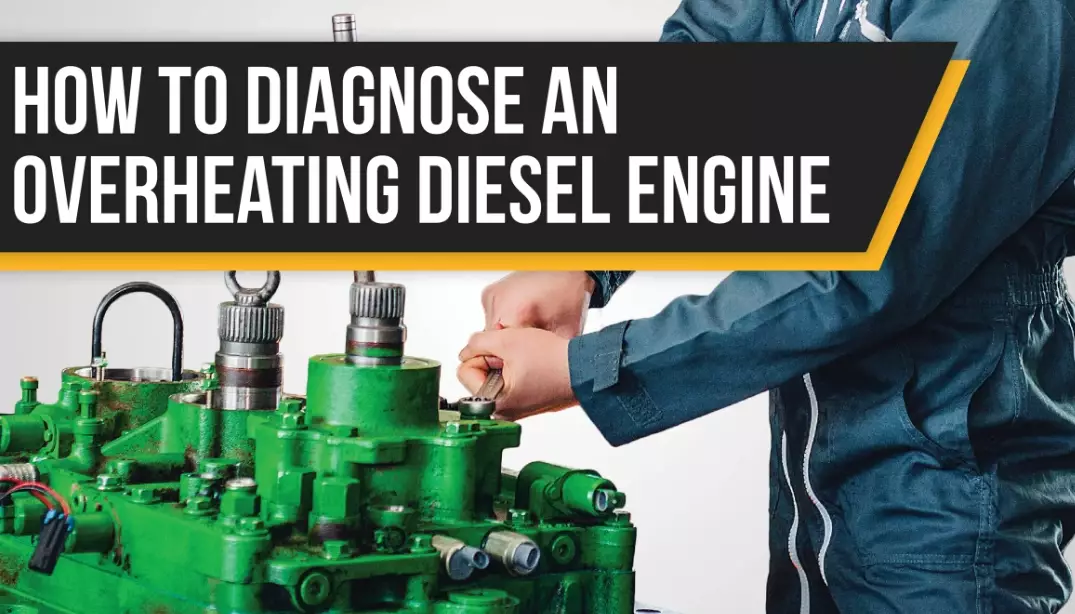
Low Coolant Level: The champion cause. Check the overflow tank and radiator (when cold). A low level means a leak. Find it. Common leak points are radiator hoses, the radiator itself, the water pump, the thermostat housing, or the heater core.
Failed Thermostat: The thermostat is a valve that opens to let coolant flow to the radiator when the engine is warm. If it sticks shut, coolant circulates only in the engine block, never getting cooled. The car may overheat quickly, but the radiator hoses feel cool to the touch because no hot coolant is reaching them.
Faulty Cooling Fan: When you're idling or moving slowly, the radiator fan pulls air through the radiator. If the electric fan motor, relay, or sensor fails, you'll notice the car starts to overheat in traffic or at stoplights, but the temperature drops once you get moving at highway speeds (where airflow takes over).
Water Pump Failure: The water pump is the heart of the cooling system. If its impeller blades are corroded or the bearing fails, it stops circulating coolant. You might hear a grinding or whining noise from the front of the engine. Sometimes, a leak from the "weep hole" under the pump is the first sign.
Clogged Radiator: Over time, debris (bugs, leaves, road grime) clogs the external fins, and rust or sediment clogs the internal tubes. This drastically reduces its ability to shed heat. A radiator that looks dirty on the outside or one that has discolored, rusty coolant inside is a candidate.
Blown Head Gasket: This is the nightmare scenario. The gasket that seals the cylinder head to the engine block fails. This allows combustion gases to enter the cooling system, and coolant to enter the cylinders. Symptoms include: white smoke from the exhaust that smells sweet, coolant loss with no visible leak, milky-brown oil on the dipstick, and bubbles constantly appearing in the coolant overflow tank when the engine is running.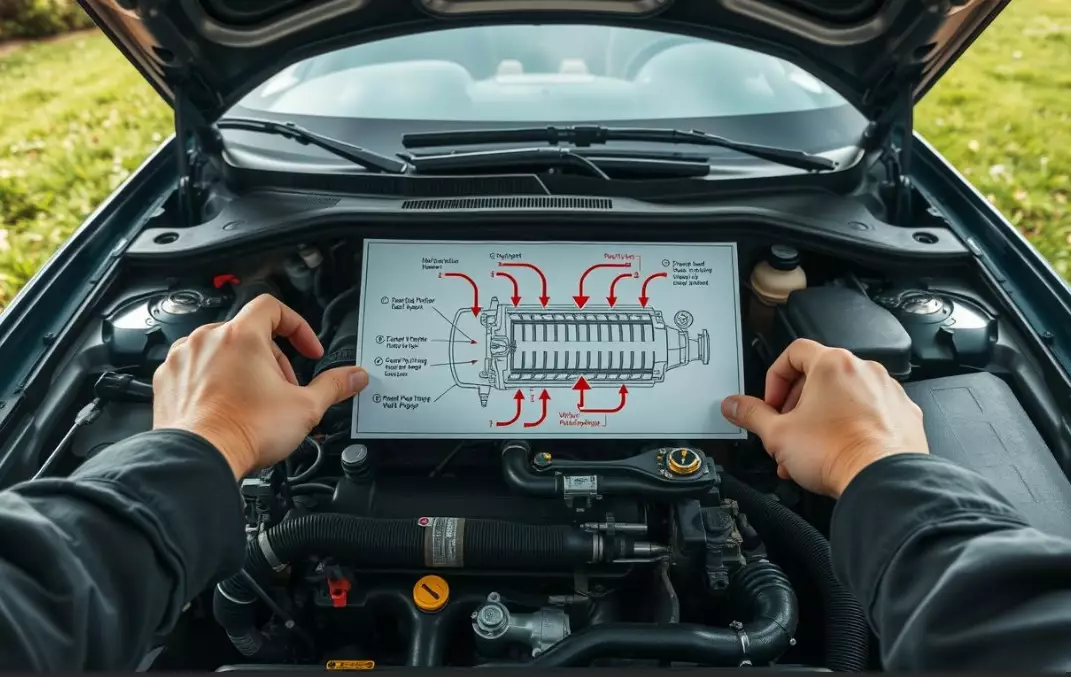
Your Overheating Engine Questions, Answered
My temperature gauge is in the red, but there's no steam. Should I keep driving to the next exit?
No. Stop as soon as you safely can. The absence of steam just means the pressure in the cooling system hasn't yet exceeded the radiator cap's relief point. The engine internals are still experiencing destructive temperatures. Driving even another half-mile can be the difference between a simple fix and needing a new engine.
Can I just use water instead of coolant if I'm low and overheating?
In a true emergency to get off the road, yes, plain water is better than nothing. But it's a short-term band-aid. Coolant (antifreeze) has a higher boiling point and contains lubricants and corrosion inhibitors. Running straight water, especially in an aluminum engine, will promote rapid corrosion and scaling inside the cooling system, leading to more problems down the road. Flush and refill with the proper coolant mix as soon as possible.
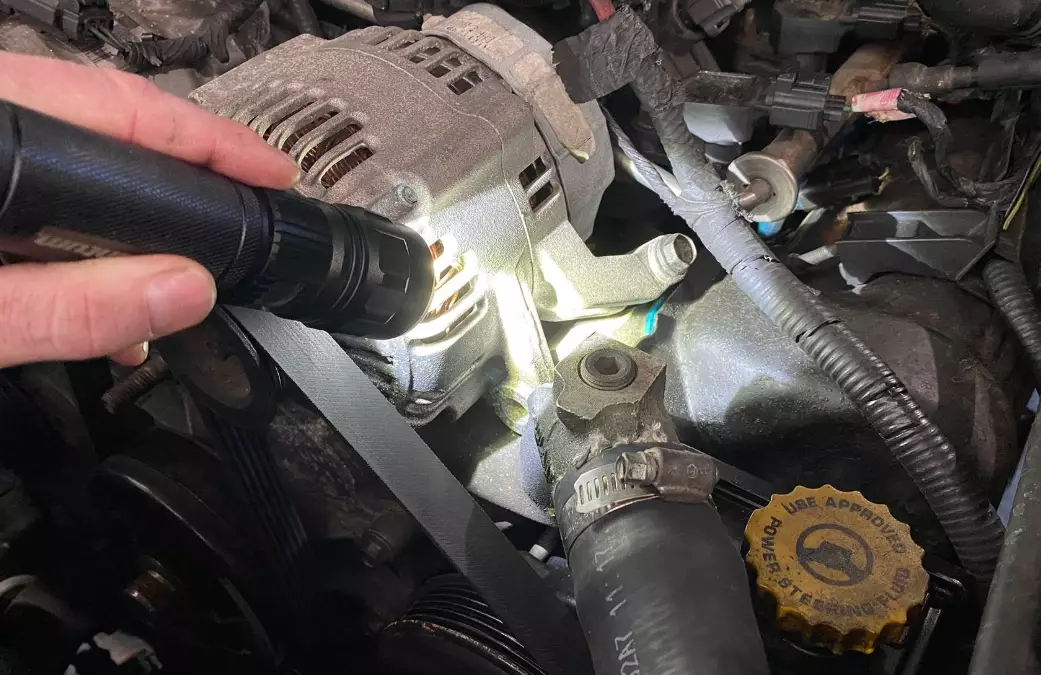 My car only overheats when I'm stuck in traffic or idling. What does that mean?
That's a textbook sign of a cooling system issue that relies on airflow. Your number one suspect is the electric radiator fan. It should turn on when the A/C is on or when the coolant temperature reaches a certain point. If it doesn't spin, check the fuse, relay, fan motor, or temperature sensor. The second suspect is a weak water pump that can't circulate coolant efficiently at low engine RPMs.
I fixed a coolant leak and refilled the system, but now the heater blows cold air and the gauge reads hot. Why?
You almost certainly have an air pocket trapped in the cooling system, often in the heater core. This blocks coolant flow. Most modern cars require a specific "bleeding" procedure after the system is opened to purge this air. It often involves running the engine with the heater on full blast and a special funnel tool or opening bleed screws. Consult your repair manual—just topping off the tank isn't enough.
How often should I check my coolant to prevent overheating?
Make it a habit every other time you fill up with gas. Pop the hood and visually check the level in the translucent overflow tank (it has "MIN" and "MAX" marks). It takes 15 seconds. Also, have your coolant flushed and replaced according to your vehicle's maintenance schedule (typically every 30,000 to 60,000 miles). Old coolant loses its protective properties and becomes acidic. The National Highway Traffic Safety Administration (NHTSA) recommends regular cooling system maintenance as part of routine vehicle safety.