Quick Navigation
Let's be honest. Most of us don't think about our power steering until it starts acting up. It's one of those things you just expect to work, like brakes or headlights. You turn the wheel, the car goes where you point it. Simple. But when it's not simple anymore, that's when the panic can set in. Is it safe to drive? Is this going to cost a fortune?
I remember the first time I felt it. I was pulling out of a tight parking spot, and the steering wheel just felt... heavy. Like I was trying to wrestle a bear instead of turn a wheel. It wasn't a dramatic failure, just a noticeable lack of that buttery-smooth assistance. That was my first real lesson in the signs of power steering problems. It got me digging, talking to mechanics, and learning that our cars give us plenty of warning before a minor annoyance becomes a major roadside headache.
So, what are the signs of power steering problems anyway? They're not always a loud groan or a complete lock-up. Often, they start subtle. A slight stiffness when you first start the car. A new, faint whine you've never heard before. Paying attention to these early whispers can save you a lot of money and stress down the line.
The Main Culprits: What You're Most Likely to Feel and Hear
If you're searching for answers, you're probably experiencing one of these things right now. Let's break them down, from the most common to the ones that should have you heading straight to the shop.
A Steering Wheel That Fights Back (Increased Steering Effort)
This is the big one. The classic sign. The power in "power steering" is missing. You notice it most at low speeds—parking, pulling into a driveway, making a U-turn. The wheel requires significant muscle to turn. It might feel okay once you're rolling on the highway, but stop-and-go traffic becomes a workout.
Here's a quick test. With the engine running and the car stationary (or moving very slowly in a safe place), try turning the wheel lock-to-lock. Does it feel consistently stiff, or does the resistance come and go? Consistent stiffness often points to a pump or pressure issue. Intermittent stiffness might be a belt slipping when it's under load.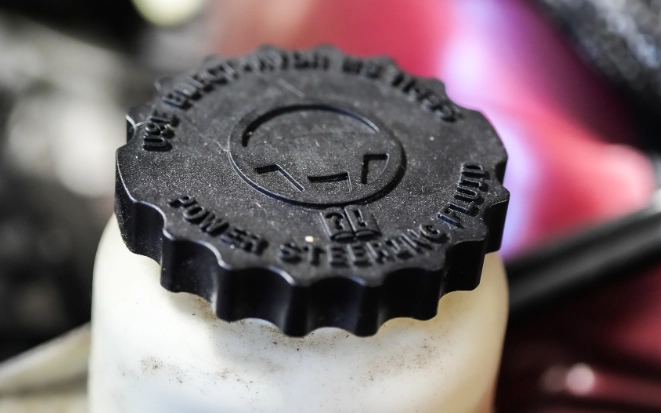
The Symphony of Strange Noises
Your car shouldn't sound like a haunted house when you turn the wheel. New noises are a dead giveaway. The type of noise tells you a lot.
- Whining or Moaning: This is the hallmark of a hydraulic power steering pump struggling. It's most pronounced when you're at full lock (wheel turned all the way) and often gets worse as the fluid heats up. It sounds like a low-pitched groan. I always think it sounds vaguely apologetic, like the car knows it's letting you down.
- Squealing or Screeching: This is usually belt-related. A worn or loose serpentine belt will squeal, especially when you first start the car or put a heavy load on the system (like turning the wheel while stationary). It's a high-pitched, unpleasant sound.
- Clunking or Grinding: This is more serious and often points past the power steering system to the steering rack itself or tie rods. If you hear a clunk when turning over bumps or a grinding feel through the wheel, the issue is mechanical wear in the steering linkage. Don't ignore this one.
So, when you're listening for the signs of power steering problems, pay close attention to the soundtrack. A whine is often a pump or fluid issue. A squeal is a belt. A clunk is something mechanical letting go.
The Dreaded Puddle: Power Steering Fluid Leaks
Hydraulic systems need fluid. No fluid, no pressure, no assistance. A leak is a direct path to failure. The fluid is usually red or light brown (though it can darken with age) and has a distinct, slightly sweet or oily smell. It's slippery to the touch.
Common leak spots include:
- The power steering pump itself (look for wetness around the shaft or seals).
- The high-pressure and low-pressure hoses connecting the pump to the rack.
- The steering rack seals (fluid will often drip down near the inner part of the front tires).
- The reservoir or its cap.
Check your fluid level regularly. The reservoir is usually a small plastic container with a dipstick or marked "MIN" and "MAX" lines on the side. Do it with the engine off and cold for an accurate reading. If it's consistently low, you have a leak.
Shimmy, Shake, and Vibration
Does the steering wheel vibrate or shimmy when you're driving, especially at higher speeds? While this is often a tire balance or alignment issue, problems with the power steering system can sometimes contribute. Air in the hydraulic lines (from low fluid) can cause a bubbly, inconsistent feel and minor vibration. A failing pump can also create harmonics that translate into a shudder.
My rule of thumb? If the vibration is worst at 55-70 mph and goes away if you speed up or slow down, it's probably tires. If it's tied directly to turning the wheel or is present at all speeds alongside other symptoms like whining, suspect the power steering.
Slow or Sluggish Response
This one is a bit harder to pin down but experienced drivers notice it. There's a slight delay between your input at the wheel and the car's response. Or the steering feels numb, like you're driving through mud. In electric power steering systems, this can be a sign of a failing sensor or control module. The computer isn't translating your steering input correctly to the assist motor.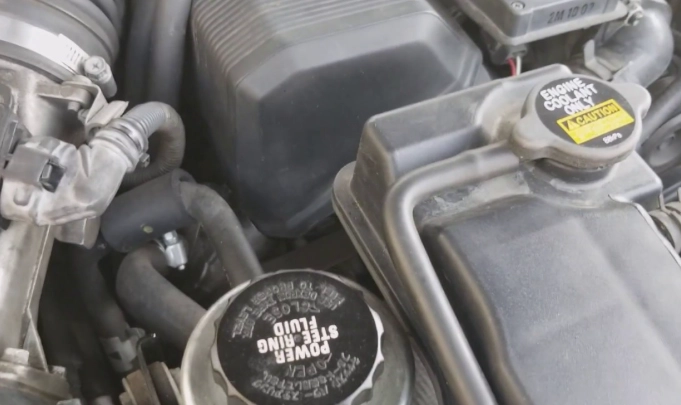
Hydraulic vs. Electric: The Symptoms Can Differ
This is a key point a lot of basic articles miss. Cars built in the last 10-15 years are increasingly using Electric Power Steering (EPS), while older models mostly use Hydraulic Power Steering (HPS). The signs of power steering problems change depending on the system.
| Symptom | Hydraulic Power Steering (HPS) | Electric Power Steering (EPS) |
|---|---|---|
| Steering Effort | Gradually gets heavier as pump fails or fluid is lost. | Can become very heavy suddenly if motor or control unit fails. May also offer inconsistent assistance. |
| Noises | Very common (whining, groaning from pump). | Less common. Might hear a faint electric motor hum or buzzing. Grinding could indicate motor issues. |
| Leaks | Very common cause of failure (hoses, pump, rack). | No fluid, so no fluid leaks. A huge advantage. |
| Warning Lights | Rarely has a dedicated light. You just feel/hear it. | Very common. The EPS system is monitored by the car's computer. A malfunction will often trigger a warning light on the dash (like a steering wheel icon with an exclamation mark). |
| Common Failures | Pump, belt, hoses, rack seals. | Torque sensor, control module, electric motor, wiring faults. |
See the difference? If your newer car's steering goes heavy and a warning light comes on, you're likely dealing with an EPS issue. If your older car is whining and leaving red puddles, it's a classic hydraulic problem. Knowing which system you have helps you talk more intelligently with a mechanic.
How Bad Is It, Really? A Severity Guide
Not every sign means "pull over right now." Let's be practical.
I made the mistake of ignoring a slow leak in an old truck of mine. I kept topping up the fluid for months, thinking I was saving money. Eventually, the pump ran dry and burned itself out. The $50 hose repair turned into a $400 pump-and-hose repair. Lesson learned the hard way.
What You Can Check Yourself (And What You Should Leave to a Pro)
Before you panic, there are a few safe, simple checks.
1. The Fluid Check (Hydraulic Systems Only): Find the reservoir (consult your owner's manual). Check the level and the condition. The fluid should be clearish-red or light brown, not black or full of debris. If it's low, top it up with the correct type of fluid (this is critical—using the wrong type can damage seals). See if the level drops again quickly. This is your first clue.
2. The Belt Check: Look at the serpentine/belt that drives the power steering pump (and alternator, AC, etc.). Is it cracked, glazed (shiny), or frayed? Is there a lot of slack? You can press on it (with the engine OFF!). It shouldn't deflect more than about half an inch. A bad belt is a cheap fix that can cause big problems.
3. Listen and Feel: With the engine running in a quiet place, have a helper turn the wheel lock-to-lock while you listen under the hood. Can you pinpoint a whine to the pump? Can you see a hose jumping or leaking when pressure is applied?
That's about the limit of safe DIY for most people.
Leave these to a professional: Diagnosing internal pump or rack failures, diagnosing electrical faults in EPS systems, flushing old fluid, replacing high-pressure lines, or doing any alignment-related work. The steering system is safety-critical. A mistake here isn't like changing a air filter wrong.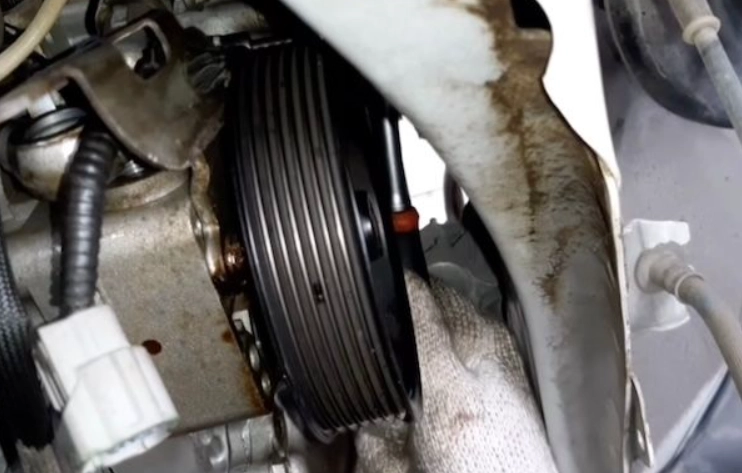
Answers to the Questions You're Probably Typing Into Google
Technically, yes. The car will still steer, but it will require a tremendous amount of force, especially at low speeds. It will be difficult and unsafe, particularly in parking lots or emergency situations. Your ability to react quickly is severely compromised. I would not recommend driving any further than absolutely necessary to get to a repair shop, and even that is risky. If it fails on the highway, you'll manage, but exiting or dealing with traffic will be a white-knuckle experience.
It's a huge range, which is why diagnosis is key.
- Topping up fluid: A few dollars for a bottle.
- Replacing a serpentine belt: $100-$250.
- Fixing a leaky hose: $150-$400.
- Replacing a power steering pump: $400-$800.
- Replacing a steering rack: $1,000-$2,500+.
- Fixing an EPS motor or sensor: $500-$1,500.
The labor is often the big cost, especially for rack replacements which require significant disassembly and a wheel alignment afterward. Getting an exact diagnosis before agreeing to work is non-negotiable.
You can identify the likely system (fluid leak, bad pump noise, belt issue), but pinpointing the exact failed component often requires professional tools. A mechanic can hook up a pressure gauge to the hydraulic system to test pump output. They can use a scan tool to read fault codes from an EPS computer. Your visual and auditory checks are fantastic for early warning and giving the mechanic a head start, but they usually can't give you the final, definitive answer.
For a hydraulic system with a slow leak, keeping the fluid topped up with the correct type is a temporary measure to get you to the shop. That's it. Do not use stop-leak additives. They often gum up the entire system, turning a hose repair into a pump-and-rack replacement. For a squealing belt, a belt dressing spray might quiet it for a few days, but it's not a repair. There are no safe temporary fixes for mechanical or internal failures.
- Regular Fluid Checks/Changes: For hydraulic systems, check the fluid level every few months. Consider a fluid flush every 50,000 miles or as recommended. Old fluid loses its lubricating properties and can corrode seals from the inside. The SAE International publishes standards on automotive fluids, underscoring their importance.
- Avoid Holding at Full Lock: When you turn the wheel all the way to the stop, you're putting maximum pressure on the hydraulic pump. Try not to hold it there for more than a couple of seconds. Ease off slightly.
- Address Leaks Promptly: A small leak is a cheap fix. A leak that runs the pump dry is an expensive one.
- Listen to Your Car: That new noise isn't going to magically go away. Investigate it early.
Understanding the signs of power steering problems is really about understanding the language your car speaks. It doesn't have words, so it uses feels and sounds. A groan, a stiff wheel, a shaky feeling—these are all sentences telling you something's wrong.
The goal isn't to make you a master mechanic. It's to give you enough knowledge so you're not scared or clueless when something changes. You can identify the issue, gauge its urgency, and have a informed conversation with your repair shop. That puts you in control, saves you money on secondary damage, and most importantly, keeps you and your passengers safe on the road.
So next time you turn the wheel and something feels off, don't just ignore it and turn up the radio. Listen. Your car is talking to you.