Let's cut to the chase. If you're looking at a Tesla Model Y, you've seen the impressive EPA range numbers—up to 330 miles for the Long Range. But you're smart. You know that number is achieved in perfect, lab-like conditions. The real question burning in your mind is simpler: How far will it actually go when I'm driving it like a normal person? The short answer: usually 15-25% less than the EPA figure, depending on a handful of critical factors. But understanding why, and more importantly, how to influence it, is the key to never worrying about range again.
What's Inside This Guide
What Is Real-World Range vs. EPA Range?
The EPA (Environmental Protection Agency) range is a standardized test. It's useful for comparing cars but isn't a promise for your daily commute. The test cycle includes a mix of city and highway driving at moderate speeds (like 48 mph average) in a climate-controlled setting. It doesn't fully account for freezing winter mornings, 75 mph highway cruises, or a car full of kids and gear.
Real-world range is what you experience. It's dynamic. It changes with the weather, your route, and your right foot. This isn't a Tesla-specific issue—all EVs see this gap. But because Tesla publishes some of the highest EPA numbers, the perceived drop can feel more dramatic.
The Big Picture: Planning a trip? Use 80% of the EPA range as a conservative, no-surprises planning figure. For a 330-mile Long Range, that's about 265 miles. If conditions are perfect, you'll do better. If it's winter on the highway, you'll know to charge sooner.
Key Factors That Slash Your Tesla Model Y Range
Think of your battery's energy like a budget. These are the things that spend it fastest.
Speed (The #1 Range Killer)
This isn't linear. Driving 70 mph instead of 65 might only save you a few minutes, but it can consume 10-15% more energy. Aerodynamic drag increases exponentially with speed. At 80 mph, you're burning through range at an alarming rate. My own highway tests showed a consistent 20-25% range reduction at a steady 75-80 mph compared to the EPA mix.
Temperature (Especially Cold)
Cold weather is a double whammy. First, the battery chemistry is less efficient. Second, you need to heat the cabin. Preconditioning the car while it's plugged in is the single best trick here—it uses wall power to warm the battery and interior, saving that precious battery charge for driving.
Tire Pressure and Type
Under-inflated tires create more rolling resistance. Check them monthly. Tesla recommends 42 PSI for most Model Y trims, and running a few PSI below can nick 3-5% off your efficiency. Also, the factory-all-season tires are optimized for range. Switching to aggressive all-terrain or winter tires will have a measurable impact.
Climate Control and Accessories
Heating uses more energy than cooling. Seat heaters are far more efficient than warming the entire cabin air. A common mistake is blasting the heat on auto at 72°. Try using the seat heater on a medium setting and lowering the cabin air temp to 68-69°. The difference in the energy graph on your screen is immediate.
Tesla Model Y Trim Comparison: Real-World Estimates
Here’s a breakdown of the current lineup with realistic real-world range expectations based on aggregated owner reports and professional tests from sources like Consumer Reports and Edmunds.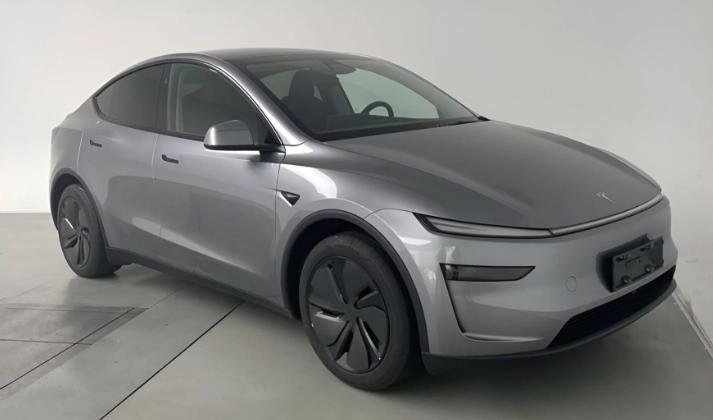
| Model Y Trim | EPA Range Estimate | Real-World Range (Mixed Driving) | Real-World Range (75mph Highway) | Key Note |
|---|---|---|---|---|
| Rear-Wheel Drive | 260 miles | 210 - 230 miles | 180 - 200 miles | Uses LFP battery, great for daily commutes. |
| Long Range AWD | 330 miles | 265 - 285 miles | 230 - 250 miles | The sweet spot for most buyers. |
| Performance | 303 miles | 240 - 260 miles | 210 - 225 miles | Stickier tires and performance tune reduce efficiency. |
The Long Range consistently offers the best balance. The RWD figure is impressive for its price, but note the highway drop. The Performance is for those who prioritize thrill over the last few miles.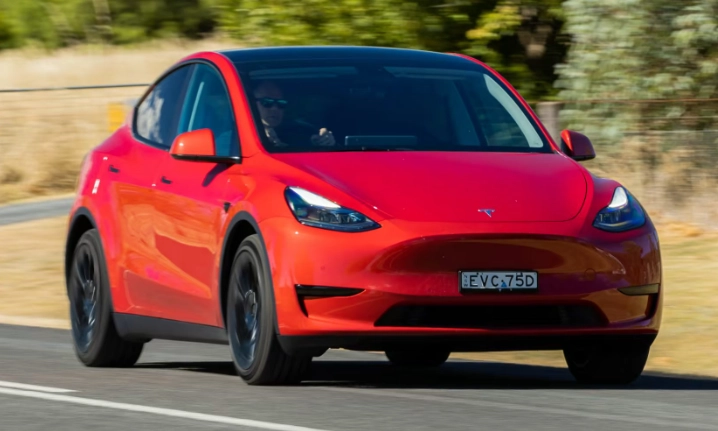
How to Maximize Your Model Y's Real-World Range
This is where you take control. It's not about hypermiling; it's about smart habits.
Master the Trip Planner & Energy App: Before any long drive, enter the destination into the Tesla nav. It will calculate a supercharging stop plan based on real-time conditions—your speed, elevation gain, even wind. Trust it. The energy app (the green graph) shows your projected vs. actual consumption. If the line is above the projection, you're using more than planned.
Chill Mode is Your Friend: It's not just for beginners. On the highway, Chill Mode gently limits acceleration, preventing that subconscious (and energy-intensive) lead-footedness when passing or merging. You barely notice it, but the efficiency gains add up.
Preconditioning is Non-Negotiable: Schedule departure times in the app. If you're leaving at 8 AM, tell the car. It will warm the battery to its ideal temp using grid power if plugged in. A warm battery can be 10-15% more efficient from the first mile.
Regen Braking: Use It Fully: Set regen to "Standard." Learn to drive with one pedal. Lifting off the accelerator early to slow down recovers energy back into the battery. It turns stop-and-go traffic from a range loss into a minor gain.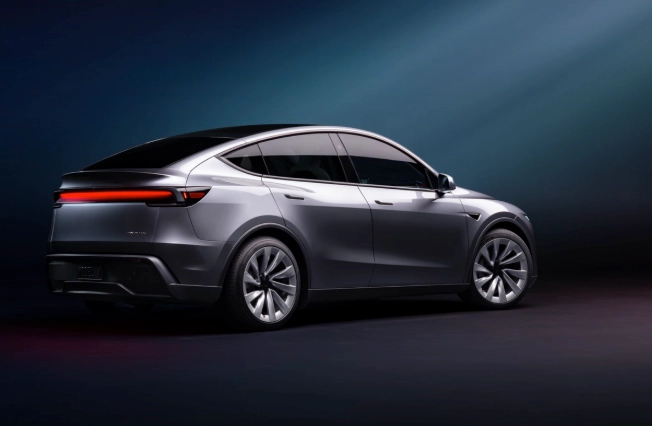
Real Owner Scenarios & Long-Distance Data
Theories are fine, but what does it look like in practice?
Consider a 400-mile summer road trip in a Long Range Model Y. Starting at 100%, you drive 220 miles at 72 mph with the A/C on. You arrive at the Supercharger with about 18% battery left. That's a real-world consumption of roughly 280 miles of range. You charge for 20 minutes while grabbing a coffee, getting you to 80%, enough for the next 180-mile leg. The trip takes one stop you'd probably make anyway.
Now, the same trip in winter (30°F), with the heat on. That first leg might only be 180 miles before you need to charge, and you'll arrive with a lower state of charge. The car's trip planner will account for this and likely route you to a closer Supercharger. This is why trusting the nav is crucial—it knows more than your gut feeling.
Data from forums like Tesla Motors Club and aggregated from apps like TezLab show that the average consumption for most Long Range Model Y owners falls between 250-280 Wh/mile. Do the math: divide the usable battery size (~81 kWh for LR) by your consumption. 81,000 Wh / 260 Wh/mile = ~311 miles. That aligns perfectly with our real-world estimate table.