Key Sections
- What Exactly Are We Talking About Here?
- Before You Open Your Wallet: The Critical First Steps
- The Big Categories: What Does What?
- The Installation Question: DIY or Pay a Pro?
- The Stuff No One Likes to Talk About (But You Must)
- Common Questions I Get (And Used to Have Myself)
- Wrapping It Up: Start Small, Learn, and Enjoy the Process
I remember the first time I bought an aftermarket part for my old hatchback. It was a shiny cold air intake, promising more horsepower and a cooler engine sound. I spent a weekend installing it, scraping my knuckles, and feeling like a proper gearhead. The sound was great, a deeper growl when I stepped on the gas. But honestly? I'm not sure I felt any real difference in power. It looked cool under the hood, though. That experience taught me a lot – the world of aftermarket performance parts is full of potential, but also hype, confusion, and parts that promise the moon.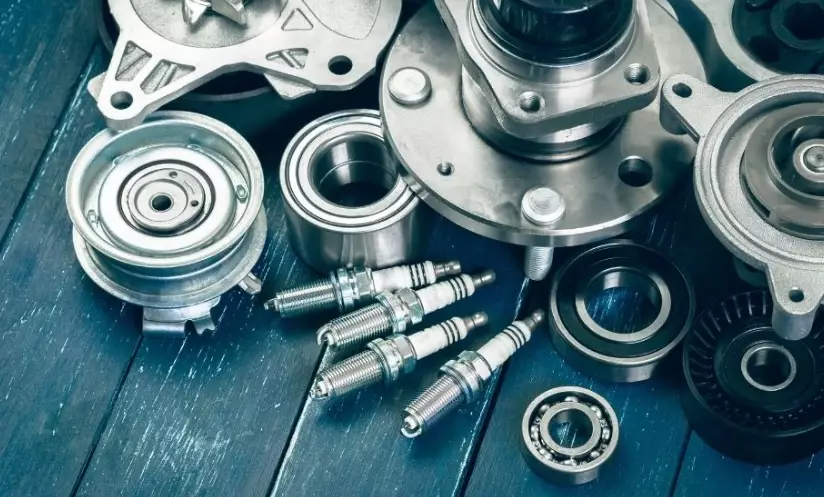
If you're here, you're probably in the same boat I was. You love your car, but you want a bit more from it. Maybe you want it to sound meaner, handle sharper corners, or just get off the line a tiny bit quicker. That's where these parts come in. But diving in without a map is a sure way to waste money or, worse, mess up your daily driver.
Let's cut through the marketing speak and forum arguments. This isn't about turning your grocery-getter into a race car overnight. It's about making smart, informed choices that actually improve your driving experience without breaking the bank or your warranty.
What Exactly Are We Talking About Here?
Aftermarket performance parts are basically any component you buy to replace the factory-installed parts on your vehicle, with the goal of improving some aspect of its performance. The key word is aftermarket – they're made by companies other than your car's original manufacturer (like Ford, Toyota, etc.). These companies range from massive, household names to small shops run by enthusiasts in a garage.
We're not talking about fuzzy dice or a new stereo head unit (though those are aftermarket too). We're talking about the stuff that changes how the car behaves.
Why do people bother? The reasons are all over the place. Some folks are chasing every last horsepower for track days. Others just want their truck to sound more robust when towing. For many, it's a hobby – the joy of personalizing a machine and understanding how it works. And let's be real, sometimes it's just about the look. A set of lowering springs or a new exhaust tip can completely change a car's attitude.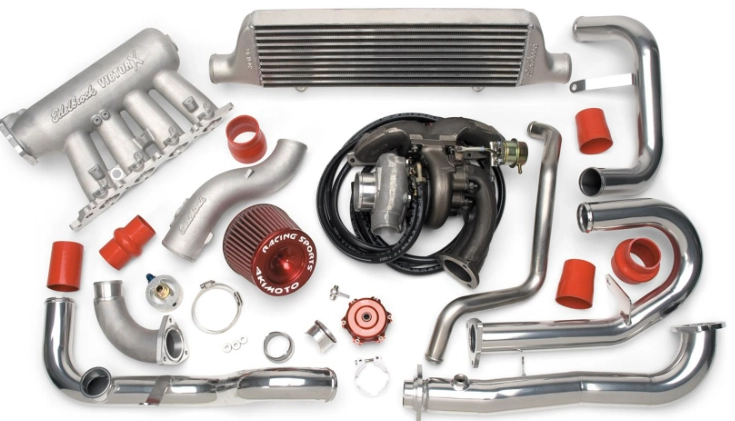
Before You Open Your Wallet: The Critical First Steps
This is the part everyone skips, and it's the biggest mistake. You see a flashy ad for a turbo kit or a "performance chip" and hit buy. Stop. Your first part shouldn't be a part at all – it should be a plan.
Figure Out Your "Why" and Your Budget
What's the actual goal? Be brutally honest with yourself.
- Is it more power for highway merging?
- Better grip and less body roll on winding roads?
- A more aggressive exhaust note?
- Improving braking performance for safety?
Your goal dictates everything. A guy wanting a sportier sound has no business buying a high-lift camshaft, and someone wanting better lap times shouldn't start with underglow lights.
Then, the budget.
And I don't just mean the cost of the part. You have to factor in installation (are you doing it yourself?), any necessary supporting mods (a big turbo might need better fuel injectors and a tune), and potential changes to your insurance or registration fees. A good rule I learned the hard way: take your initial parts budget and add 30% for the unexpected. Tools you need to buy, a gasket you ripped, professional tuning time – it adds up fast.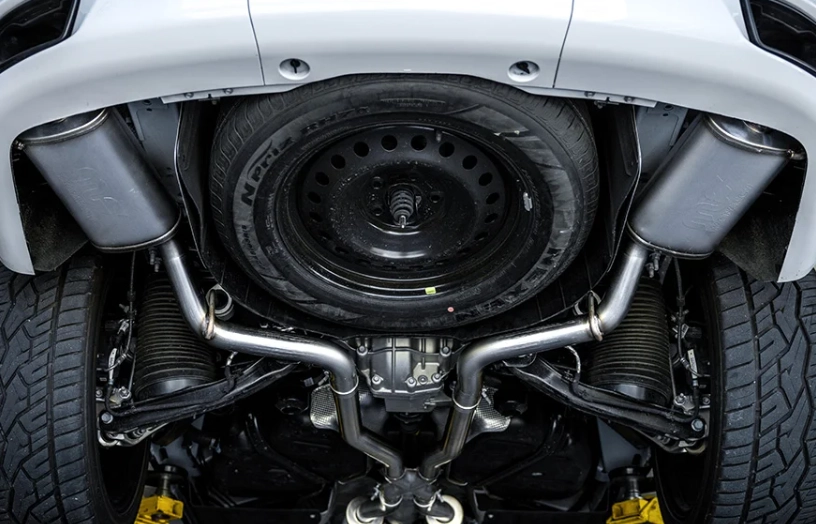
Do Your Homework on Brands and Fitment
The brand landscape is a jungle. You've got the legendary, expensive brands (think Brembo, Öhlins, Borla), the massive mainstream performance brands (like K&N, Eibach, MagnaFlow), and a sea of cheaper, often direct-from-overseas options on eBay or Amazon.
My take? You usually get what you pay for. That $80 cat-back exhaust might rust through in a year and sound like a busted lawnmower. A reputable brand might cost $600, but it'll be made from better-grade stainless steel, have precise fitment, and a sound that's aggressive but not obnoxious. Research is key. Don't just look at the product page. Dig into forums for your specific car model. Read reviews on retailer sites. Watch YouTube installation videos – you'll quickly see which brands have parts that bolt right up and which ones require cutting, welding, and a whole lot of swearing.
Fitment is the golden word. "Universal" parts are almost always more trouble than they're worth for a beginner. You want a part listed specifically for your car's exact year, make, model, and engine. Trust me on this.
The Big Categories: What Does What?
Let's break down the main types of aftermarket performance parts. This isn't an exhaustive list, but it covers 90% of what people start with.
Engine and Power Adders
This is what most people think of first. The goal here is to help your engine breathe better, manage fuel more efficiently, or simply force more air into it.
- Cold Air Intakes (CAI): Replace the stock airbox with a less restrictive pipe and a high-flow filter. The theory is they draw in cooler, denser air. The reality is they often make great induction noise and offer a minor throttle response bump, but significant power gains usually require a tune. Watch out for "hot air intakes" that just suck in engine bay heat.
- Exhaust Systems: This is a huge category. You can replace just the muffler (for sound), the mid-pipe (often removing resonators), or the entire system from the catalytic converter back (cat-back) or even from the engine manifold back (header-back). Less restriction can free up power, but too little backpressure can kill low-end torque. The sound is a big factor here – listen to clips of systems on cars like yours.
- Engine Tuning/ECU Reflashes: This is often the best bang-for-your-buck power mod. Companies like Hondata (for Hondas/Acuras) or Cobb Tuning (for many turbocharged cars) sell devices that let you upload new software maps to your car's Engine Control Unit. This can optimize ignition timing, fuel delivery, and turbo boost for more power. A "stage 1" tune on a turbo car with no other mods can be transformative. But do your research on tuners – a bad tune can hurt your engine.
- Forced Induction (Turbo/Supercharger Kits): The big leagues. These bolt-on kits force massive amounts of air into the engine for huge power gains. They are complex, expensive, and put immense stress on every other part of your drivetrain. Not for the faint of heart or thin of wallet.
Here's a quick comparison of some popular cold air intake brands to show what I mean about the spectrum:
| Brand | Typical Price Range | Common Materials | Known For | My Quick Take |
|---|---|---|---|---|
| K&N | $$ | Oiled Cotton Gauze, Polished Aluminum | Classic design, reusable filters, widespread availability. | The safe, reliable choice. Gains are modest, but fitment is usually perfect. |
| aFe Power | $$$ | Oiled/Dry Synthetic Media, TIG-welded Aluminum | Aggressive designs, often dyno-proven gains, dry filters for less mess. | Great performance, but you pay for it. Their "dry" filters are a nice feature. |
| Injen | $$ | Polished or Wrinkle-Finished Aluminum | Distinctive look, often one of the more affordable "name" brands. | Good value. Some early models had fitment quirks, but they've improved. |
| "eBay Special" | $ | Thin Aluminum, Cheap Filter | Extremely low price. | You're gambling. The filter media might be poor, the piping might not seal well, and the bracket might not line up. Fine for a beater project car, risky for your daily. |
Suspension and Handling
This is where you connect the car to the road. For many, handling mods are more satisfying than straight-line power.
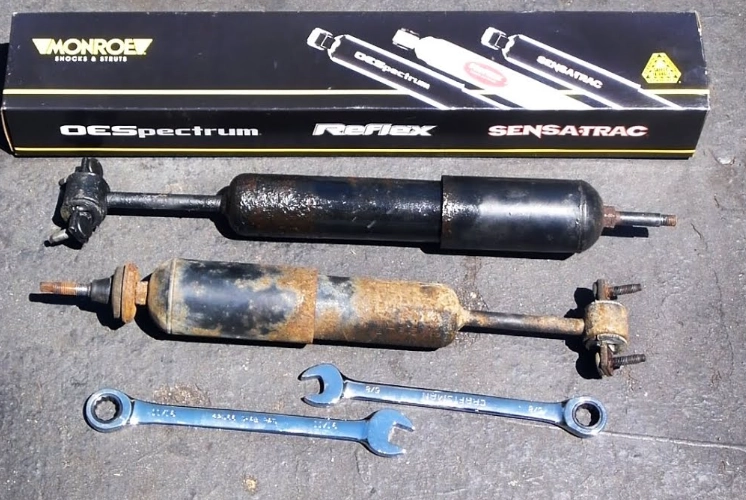
- Lowering Springs/Coilovers: Springs lower the car's center of gravity, reducing body roll and improving looks. Coilovers are a complete replacement of spring and shock, offering height and often damping adjustability. Lowering too much can ruin ride quality and cause scraping.
- Sway Bars (Anti-Roll Bars): These connect the left and right wheels. A thicker rear bar can reduce understeer (the car plowing forward in a turn), making the car feel more nimble. One of the most effective handling mods for the money.
- Bushings and Mounts: The factory uses soft rubber for comfort. Replacing them with polyurethane or solid metal bushings sharpens up steering response and reduces slop, but transmits more vibration and noise into the cabin. It's a trade-off.
Wheels, Tires, and Brakes
Never underestimate tires. The best suspension mod in the world is useless on cheap, hard tires. A high-performance summer tire is the single best upgrade for grip. Lighter wheels reduce unsprung weight, improving acceleration, braking, and ride quality.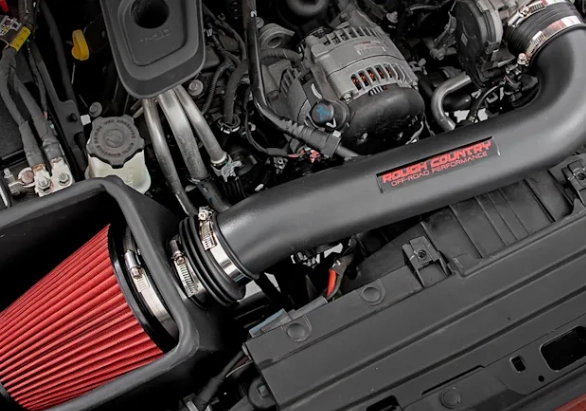
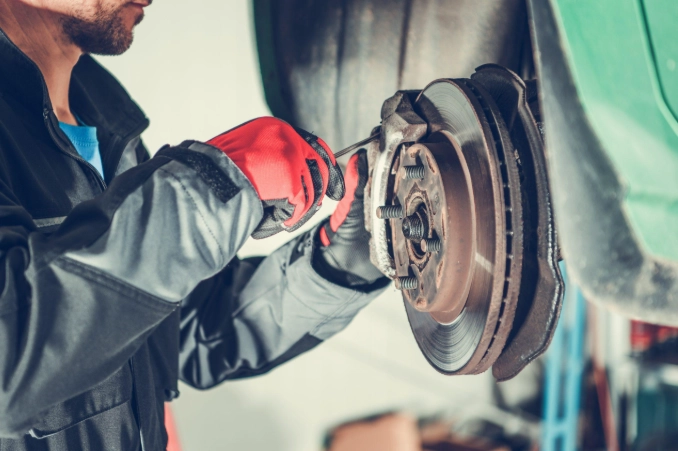
Brakes are about stopping power and resisting fade. Upgraded pads (like Hawk HPS or EBC Redstuff) offer better bite and performance. Slotted/drilled rotors help with heat dissipation and gas clearing. Big Brake Kits (BBKs) with larger calipers and rotors are the ultimate upgrade for serious track use but are overkill for the street.
The Installation Question: DIY or Pay a Pro?
This is a huge fork in the road. Wrenching yourself is rewarding and saves a ton of money. But it can also lead to stripped bolts, broken parts, and a car stuck on jack stands.
Some jobs are very DIY-friendly with basic tools: air filters, cabin filters, some sway bars, cat-back exhausts (if the bolts aren't rusted solid – a big "if" in some areas).
Others are best left to professionals: engine tuning (unless you're following a proven, off-the-shelf map), alignments after suspension work, internal engine work, and anything involving critical safety components like steering or brake lines.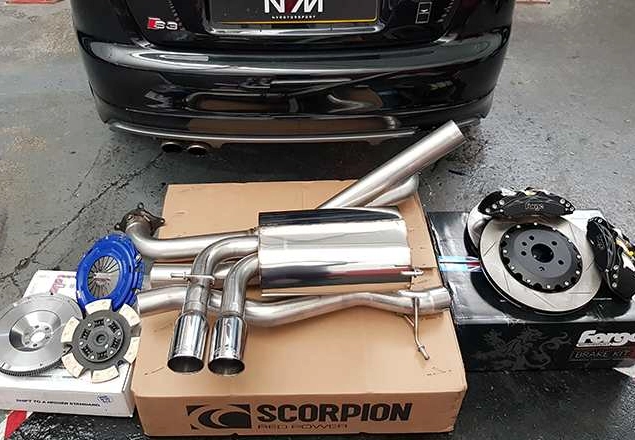
Your skill level, tool collection, and workspace are the deciding factors.
I've done both. I'll swap my own springs but pay for the alignment. I installed my own cat-back exhaust but had a shop do the header install because it required lifting the engine. Be realistic about your time and patience, too. A job that takes a pro 2 hours might take you a full weekend.
The Stuff No One Likes to Talk About (But You Must)
Warranty and Legality
This is critical. The Magnuson-Moss Warranty Act in the US says a dealer can't void your warranty simply for using an aftermarket part. However, they can deny a warranty claim if they can prove the aftermarket part directly caused the failure. Put a cheap turbo on your engine and it blows up? Yeah, the powertrain warranty on that engine is likely gone. A cold air intake probably won't affect your transmission warranty. It's a gray area, but be aware.
Legality is another minefield, especially regarding emissions. In the US, removing or tampering with your catalytic converter ("decatting" or installing "test pipes") is a federal offense under the Clean Air Act. It's also illegal in all 50 states. The same goes for removing diesel particulate filters (DPFs). Some states like California have even stricter rules (CARB). If an aftermarket part is CARB-exempt, it will have an Executive Order (EO) number. If you don't live in a place with emissions testing, you might get away with it, but it's something you need to know you're doing.
Noise ordinances are a thing too. An overly loud exhaust can get you a ticket in many municipalities.
Insurance
You should generally inform your insurance company about significant modifications. Some companies have policies against certain mods. Others may charge a higher premium. If you don't declare them and have an accident, they might not cover the cost of the aftermarket parts, or in a worst-case scenario, could dispute the claim entirely. It's a hassle, but call and ask.
Common Questions I Get (And Used to Have Myself)
Wrapping It Up: Start Small, Learn, and Enjoy the Process
Diving into aftermarket performance parts shouldn't be about instant gratification. It's a journey. Start with a simple, well-regarded mod you can install yourself. Feel the difference (or don't – that's a lesson too). Learn how that part interacts with the car. Talk to other owners. The community, when you find a good one, is half the fun.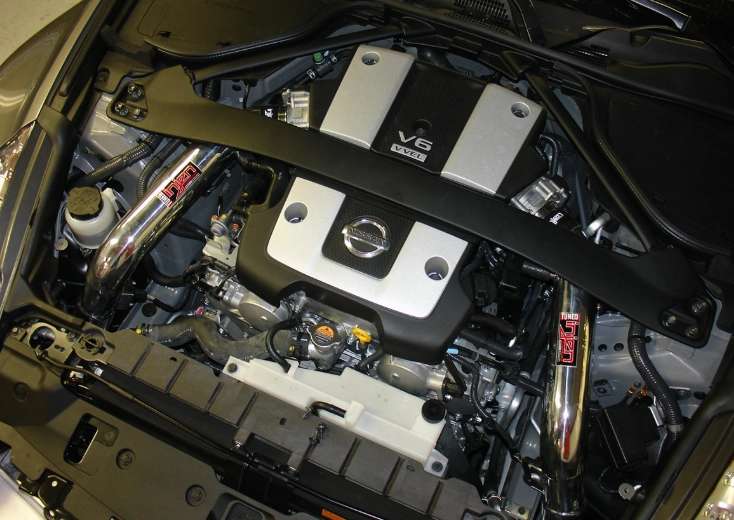
Don't get sucked into the "mod list" peer pressure. Build the car for you, for how you drive and what you enjoy. A well-sorted car with a few thoughtful upgrades is infinitely better than a hacked-together mess with every part under the sun.
And remember, the most important performance part is the nut behind the wheel. A driving school or track day in a completely stock car will teach you more about performance than any bolt-on part ever will. Resources like the Specialty Equipment Market Association (SEMA) site can be a great portal to the industry, and for technical specifics, sometimes the best info comes from the Environmental Protection Agency (EPA) or your state's DMV site regarding regulations.
So grab a wrench, do your research, and have fun making your car truly yours. Just maybe start with something easier than that universal short shifter.