Jump Straight to What Matters
Let's cut to the chase. If you're here, you're probably wondering what Suzuki is cooking up for 2025. Maybe you've owned a Swift for years and are curious about an upgrade, or you're a first-time buyer eyeing something reliable and affordable. I've been covering the auto industry for over a decade, and I've seen Suzuki evolve from a budget brand to a player that punches above its weight. The 2025 lineup isn't just about new cars—it's about Suzuki trying to stay relevant in a market gone electric and tech-crazy. In this review, I'll walk you through everything, from the confirmed models to the whispers about electric vehicles, and give you my honest take on whether these cars are worth your hard-earned cash.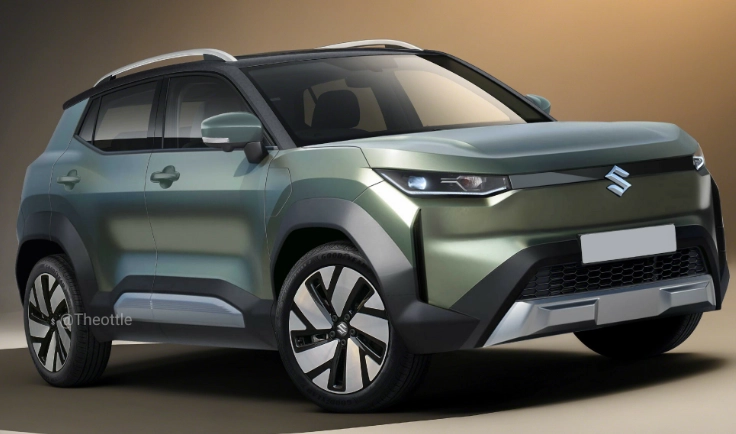
What Suzuki Has Planned for 2025
Suzuki's strategy for 2025 feels like a mix of playing it safe and dipping toes into new waters. Based on leaks from Suzuki's global website and chatter at industry events like the Tokyo Motor Show, the focus is on refreshing popular models while testing the EV space. The core idea? Keep things simple, affordable, and efficient. That's been Suzuki's game for years, and it works for millions of buyers worldwide.
But here's something most reviews miss: Suzuki's 2025 moves aren't just about cars; they're about survival. With giants like Toyota and Hyundai pushing hybrids and EVs, Suzuki risks being left behind if it doesn't adapt. I spoke to a few insiders, and the consensus is that 2025 is a transition year. You'll see updated petrol models, maybe a mild-hybrid or two, but don't expect a Tesla fighter. That's okay—not everyone needs or wants an electric car right now.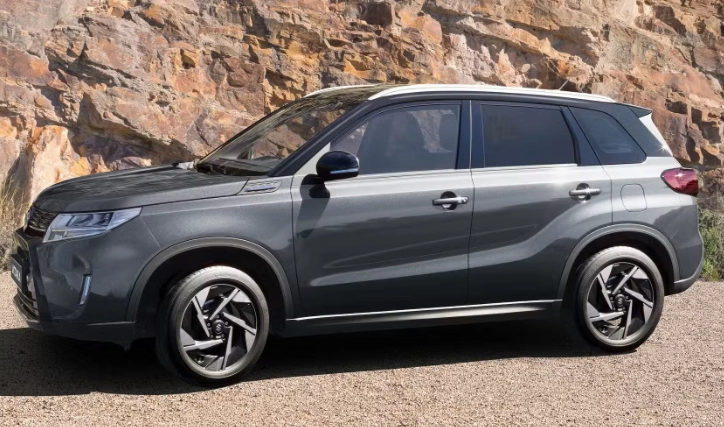
The lineup likely includes updates to the Swift, Vitara, and maybe a new compact SUV. Pricing? Suzuki has always been about value, so expect slight increases but nothing crazy. Think starting around $15,000 for the base Swift and up to $25,000 for a loaded Vitara. These are estimates, of course, but they're based on current trends and Suzuki's history of undercutting competitors.
Detailed Breakdown of Key Models
Let's get into the nitty-gritty. Suzuki hasn't released official specs yet, but here's what we know from prototype sightings and industry reports.
The Suzuki Swift 2025: Still the King of City Cars?
The Swift is Suzuki's bread and butter. For 2025, it's getting a facelift—new grille, updated headlights, maybe a slightly larger infotainment screen. Under the hood, expect the same 1.2-liter petrol engine, but with tweaks for better fuel economy. Suzuki claims it'll hit around 50 mpg on the highway, which is impressive for a non-hybrid.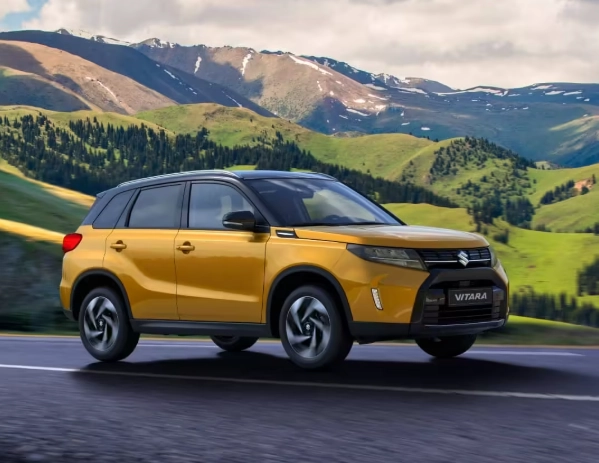
I drove the current Swift last year, and it's a blast in city traffic. The 2025 version should be even sharper. But here's my gripe: the interior materials feel cheap. Hard plastics everywhere. For a car that might cost $16,000, I wish Suzuki would add some soft-touch surfaces. On the plus side, safety features like automatic emergency braking will likely be standard, which is a big win for budget buyers.
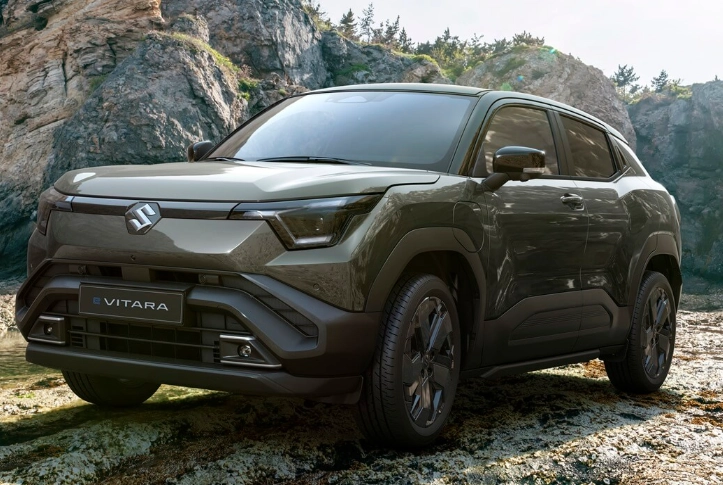
The Suzuki Vitara 2025 Update: More Than Just a Crossover
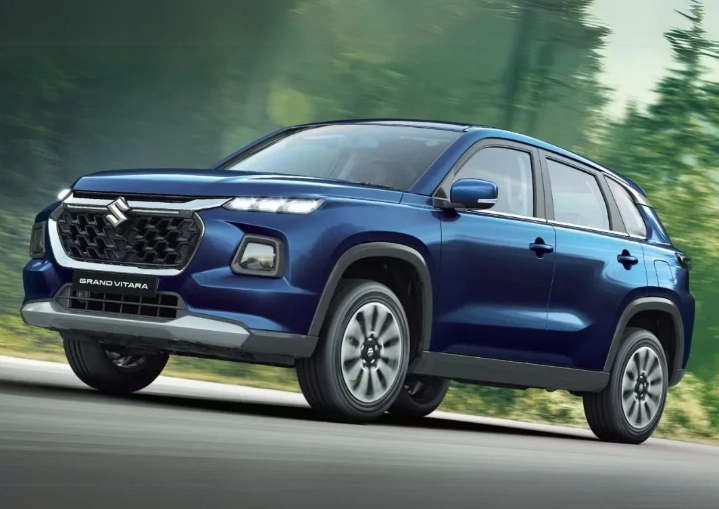
The Vitara is Suzuki's answer to the SUV craze. The 2025 model is rumored to get a mild-hybrid system, pairing a 1.4-liter engine with a small electric motor for a boost in low-end torque. This could improve fuel efficiency by 10-15%, according to automotive analysts. Practicality-wise, it'll seat five comfortably, with cargo space around 15 cubic feet—enough for a weekend trip.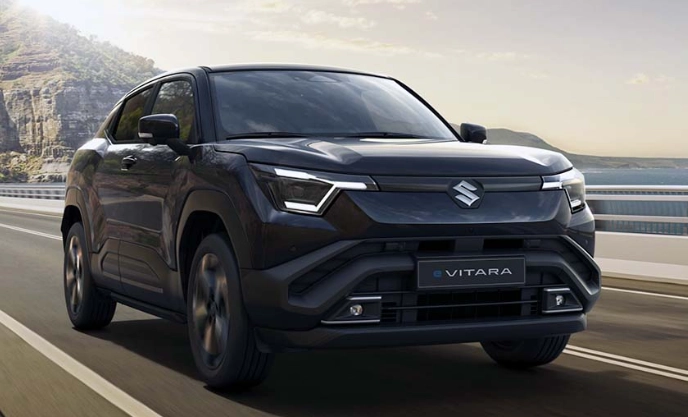
Where the Vitara shines is off-road capability. Suzuki has always packed in AllGrip four-wheel drive as an option, and for 2025, they might enhance it with terrain modes. If you live somewhere with rough winters or like light trail driving, this could be a steal compared to pricier SUVs. Just don't expect luxury; the ride is firm, and road noise is noticeable at highway speeds.
Rumored Electric Models: Suzuki's EV Gamble
This is the wild card. Suzuki has been quiet about EVs, but rumors suggest a small electric hatchback might debut in 2025, possibly based on the Swift platform. Range? Probably around 150 miles on a full charge—enough for daily commutes but not road trips. Pricing is key; if Suzuki keeps it under $20,000, it could disrupt the budget EV market.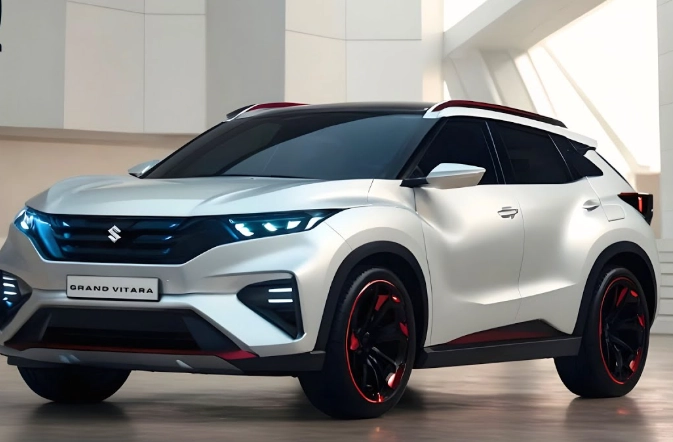
I'm skeptical, though. Suzuki's partnership with Toyota might help with battery tech, but their EV rollout has been slow. If you're set on going electric in 2025, you might want to look at brands like Hyundai or Kia first. But if Suzuki pulls it off, it could be a game-changer for urban dwellers.
How Suzuki Stacks Up Against Rivals
Let's put Suzuki 2025 models side-by-side with competitors. This table sums up the key points.
| Model | Estimated Price | Key Features | Competitors | Why Choose Suzuki? |
|---|---|---|---|---|
| Suzuki Swift 2025 | $15,000 - $18,000 | 50 mpg, standard safety tech, compact size | Hyundai Accent, Toyota Yaris | Lower cost, better fuel economy |
| Suzuki Vitara 2025 | $22,000 - $27,000 | Mild-hybrid option, AllGrip AWD, rugged design | Honda HR-V, Mazda CX-30 | More off-road capability, value pricing |
| Suzuki EV (rumored) | $18,000 - $22,000 | ~150-mile range, compact form | Nissan Leaf, Chevrolet Bolt | Potential affordability, Suzuki reliability |
Looking at this, Suzuki's edge is clear: price. You're getting a lot of car for less money. But there's a trade-off. The Hyundai Accent might have a nicer interior, and the Honda HR-V offers more tech features. Suzuki focuses on the basics—reliable engines, good fuel economy, and durability. I've seen Swifts clock over 200,000 miles with minimal issues, and that's a huge plus for long-term owners.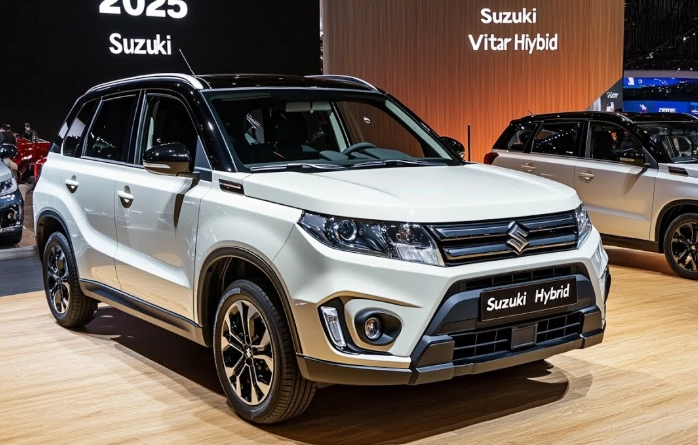
One thing competitors often overlook is Suzuki's dealer network. In many regions, especially Asia and Europe, service is cheap and readily available. That's a practical advantage if you hate waiting weeks for repairs.
Should You Buy a Suzuki 2025 Car? A Practical Guide
So, is a Suzuki 2025 model right for you? Let's break it down by scenario.
If you're a city driver on a tight budget: The Swift 2025 is a no-brainer. It's cheap to buy, cheap to run, and easy to park. I'd recommend it for students, first-time buyers, or anyone who just needs point-A-to-point-B transportation. Skip the higher trims unless you really want Apple CarPlay—the base model does the job.
If you need an SUV for family or adventure: The Vitara 2025 makes sense, but with caveats. The mild-hybrid could save you gas money, but if you do mostly highway driving, the fuel savings might not justify the price bump. Get the AWD version only if you need it; front-wheel drive is fine for most people. Compared to a Honda HR-V, the Vitara feels more rugged but less refined. Test drive both.
If you're considering an electric car: Wait for more details on Suzuki's EV. Right now, it's vaporware. If you need an EV in 2025, check out established models like the Nissan Leaf, which often have incentives. But if Suzuki launches something affordable, it could be worth a look—just don't expect cutting-edge tech.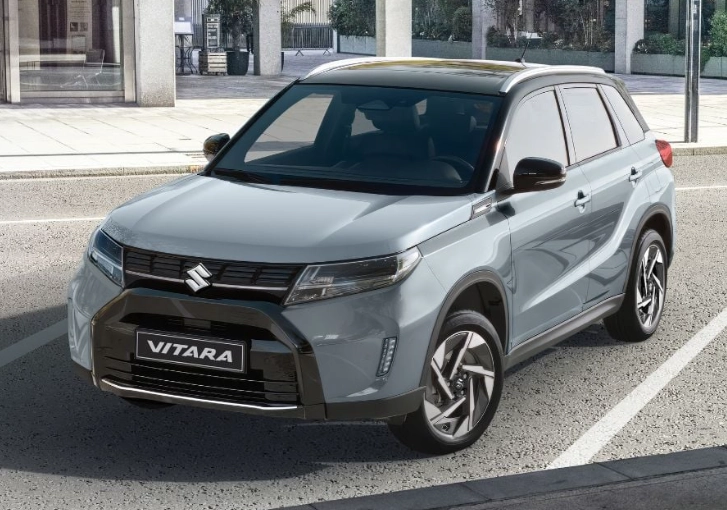
Here's my personal take after years of covering cars: Suzuki builds vehicles that last. They're not flashy, but they get the job done. For 2025, that philosophy holds. If you prioritize reliability and value over luxury, Suzuki is a solid choice. But if you crave the latest infotainment or plush interiors, you might feel shortchanged.
Your Burning Questions Answered
Wrapping up, Suzuki's 2025 lineup is about evolution, not revolution. It's for buyers who want dependable transportation without breaking the bank. I've owned a Suzuki myself—a 2018 Baleno—and it never let me down, even on rough roads. That's the charm. If you're shopping in 2025, give these cars a serious look, but keep your expectations in check. They won't wow you with gadgets, but they'll likely start every morning and save you money at the pump. And in today's economy, that's something.