Quick Navigation
- What Determines Your Coolant Flush Price? Breaking Down the Bill
- Coolant Flush Cost: DIY vs. Professional Service
- How Often Do You Really Need a Coolant Flush? (This Affects Your Long-Term Cost)
- Getting a Fair Price: How to Shop for a Coolant Flush
- Common Questions About Coolant Flush Cost and Service
- The Final Verdict on Coolant Flush Cost
Let's talk about coolant flush cost. It's one of those car maintenance items that always seems to pop up when you least expect it, and the quote from the shop can sometimes make you do a double-take. Is it really that expensive? Can you do it yourself? Why does the price seem to change every time you ask?
I remember the first time I got quoted for a coolant flush. I was driving an old sedan, and the mechanic said I was looking at nearly two hundred bucks. My immediate thought was, "For some colored liquid?" It felt like a lot. But after digging into it (and yes, after a failed DIY attempt I'll tell you about later), I learned there's more to it. The coolant flush cost isn't just about the fluid—it's about the labor, the equipment, and preventing a four-figure repair down the line.
This guide is here to cut through the confusion. We're going to break down exactly what goes into the price, give you real numbers you can expect to pay, and lay out all your options. Whether you're just curious, trying to budget, or standing in a service center right now wondering if the quote is fair, you'll find what you need here.
What Determines Your Coolant Flush Price? Breaking Down the Bill
You don't just pay for a bucket of antifreeze. When a shop gives you a coolant flush cost estimate, they're bundling a few things together. Understanding these pieces is the first step to knowing if you're getting a fair deal.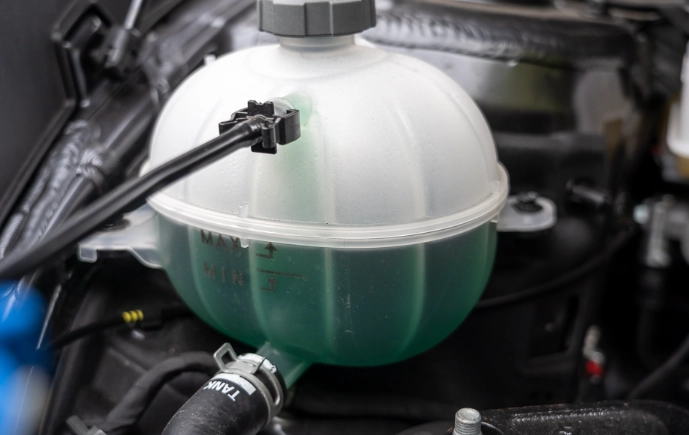
The Big Three Cost Factors
1. Labor (The Biggest Chunk)
This is usually 50-70% of your total coolant flush cost. A mechanic isn't just draining and filling. A proper flush uses a machine to push out all the old coolant, along with any rust, scale, or debris, from the engine block, radiator, and heater core. It's a process that takes time—typically 1 to 1.5 hours of labor. Shop labor rates vary wildly, from $80/hour at a local independent garage to $150+/hour at a dealership. That labor rate difference alone can swing your total cost by $50 or more.
2. Coolant/Antifreeze (It's Not All the Same)
You can't just use the green stuff in every car anymore. Modern vehicles use specific, often proprietary, coolant formulations. There's the traditional green IAT (Inorganic Additive Technology), the newer orange or yellow OAT (Organic Acid Technology) and HOAT (Hybrid OAT) types. Using the wrong one can cause serious damage.
3. Your Vehicle (The X-Factor)
This is huge. A compact car with a simple, easy-to-access cooling system is a mechanic's dream. A turbocharged luxury SUV with a complex, sealed system and a coolant reservoir tucked under the intake manifold? That's a different story. More complex systems take longer to flush and burp (remove air pockets), which adds labor time. Some high-end or hybrid vehicles have separate coolant loops for the battery pack or turbochargers, effectively doubling the coolant flush cost.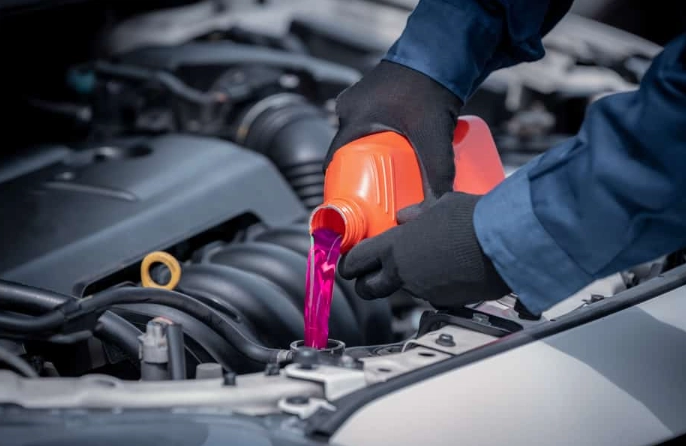
Let's put some concrete numbers on this with a table. These are estimated total costs (parts and labor) based on common vehicle categories.
Higher shop rates, expensive coolant, and often more complex procedures to avoid air locks.
May involve multiple cooling systems (engine, battery, inverter). Requires specialized knowledge and safety procedures.
| Vehicle Type | Typical Coolant Type | Estimated Coolant Flush Cost Range (Professional) | Notes |
|---|---|---|---|
| Standard Compact/Sedan (e.g., Honda Civic, Toyota Corolla) | Conventional or Specific OAT | $90 - $160 | Most straightforward job. Lowest parts and labor cost. |
| Full-Size SUV/Truck (e.g., Ford F-150, Chevy Tahoe) | Specific OAT/HOAT | $120 - $220 | Larger coolant capacity (more fluid cost). Engine bay may be more crowded. |
| European Luxury (e.g., BMW 3-Series, Mercedes C-Class) | Brand-Specific Formula | $150 - $300+ | |
| Hybrid/Electric Vehicle (e.g., Toyota Prius, Tesla) | Specialized Long-Life | $200 - $400+ |
See the spread? Your car's make and model is the single biggest predictor of your final coolant flush price.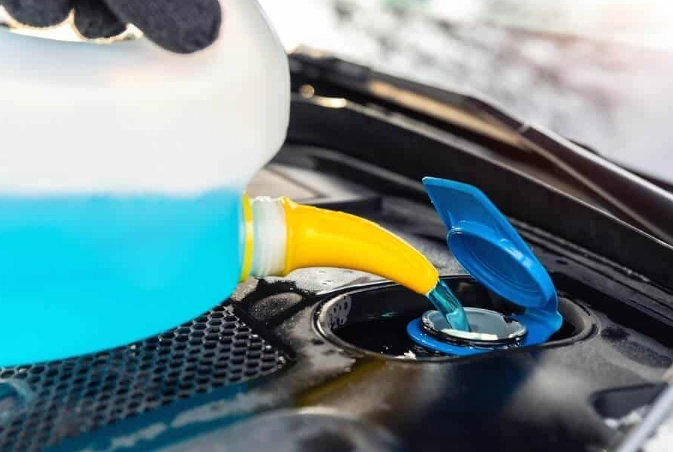
Coolant Flush Cost: DIY vs. Professional Service
This is the million-dollar question, or rather, the hundred-dollar question. Should you save money and do it yourself, or pay for peace of mind? I've done both, and I'll give you the honest pros and cons.
The DIY Coolant Flush Route
I tried this on my old Civic. The allure is obvious: a potentially huge reduction in your coolant flush cost. You're basically paying for fluid and maybe a $10 funnel.
- Coolant/Antifreeze: $30 - $80 (for 2-3 gallons of the correct type, pre-mixed 50/50 is easier).
- Tools/Supplies: $0 - $50 (if you need to buy a drain pan, funnel, and maybe some basic wrenches).
- Disposal: $0 - $5 (most auto parts stores take used coolant for free; some towns have hazardous waste collection).
The process isn't rocket science, but it's messier than an oil change. You need to locate the radiator drain plug or lower hose, drain the old stuff, flush the system with distilled water (ideally using a flushing tee kit), drain that completely, and then refill with the correct coolant mix. The hardest part? Getting all the air out of the system. An air pocket (a "vapor lock") can lead to overheating and a damaged engine.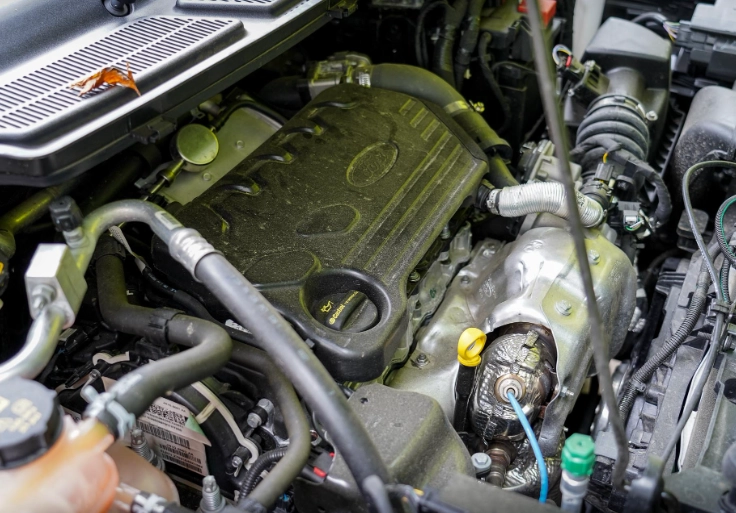
The Professional Coolant Flush Service
So why pay the professional coolant flush cost? For the machine and the guarantee.
Good shops use a coolant exchange machine. This machine hooks into your cooling system and uses a pump to push out virtually all the old coolant and contaminants while simultaneously filling it with new fluid. It's faster, more thorough than a garden hose flush, and minimizes air introduction. They also have the experience to handle the burping procedure on your specific car model.
You're also paying for convenience, proper disposal, and usually a warranty on the work. If they mess up and your car overheats, it's on them to fix it.
How Often Do You Really Need a Coolant Flush? (This Affects Your Long-Term Cost)
The interval is the other half of the coolant flush cost equation. Flush too often, you're wasting money. Flush too rarely, you risk corrosion and a catastrophic repair.
The old rule of "every 2 years or 30,000 miles" is largely obsolete. Modern coolants are designed to last much longer.
- Traditional Green IAT Coolant: Still often on a 2-3 year / 30,000-50,000 mile schedule. If you have an older car using this, the coolant flush cost is a more frequent budget item.
- OAT/HOAT (Orange, Yellow, Pink, Blue): These are typically labeled as "extended life" or "long life." Intervals can be 5 years or 100,000 miles, and sometimes up to 10 years/150,000 miles for some newer formulas.
But here's the catch.
If you live in a place with extreme temperatures, do a lot of stop-and-go driving, or have a minor leak that's been topped off with water or the wrong coolant, the interval shortens. The coolant degrades.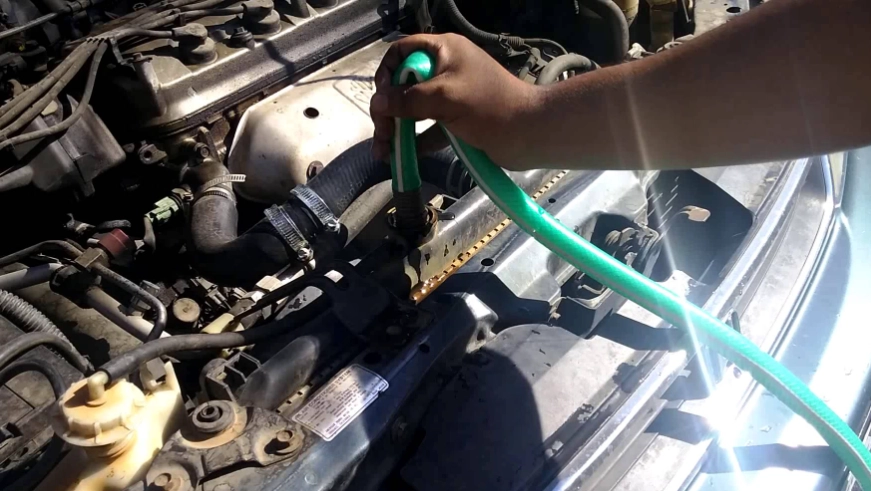
The absolute best practice? Check your owner's manual. It has the definitive answer for your car. Not the quick-lube shop's sticker, not your buddy's advice—your manual. Following the factory schedule is the most cost-effective way to manage your long-term coolant flush cost and avoid engine damage.
For authoritative guidance on maintenance schedules, you can often reference materials from Consumer Reports, which aggregates data and provides general best practices for vehicle upkeep.
Getting a Fair Price: How to Shop for a Coolant Flush
You've decided to go to a pro. How do you make sure you're not overpaying on your coolant flush cost? It's not just about picking the cheapest quote.
- Get Multiple Quotes, But Compare Apples to Apples. Call two independent shops and the dealership. Ask specifically: "What is your total out-the-door price for a coolant flush on a [Your Year, Make, Model]? Does that include the machine flush, all necessary coolant, and the labor to bleed the system?" A lowball quote might be for a simple drain-and-fill, which is not as effective.
- Ask About the Coolant. A good shop will tell you the brand and specification they'll use (e.g., "We'll use Zerex G-48 that meets the MB 325.5 standard for your Mercedes"). If they just say "universal coolant," be wary. Many modern cars don't play well with universal formulas.
- Check Reviews for Specifics. Look for reviews that mention cooling system work. Do people say the shop explained things well? Did they have problems afterward?
- Beware the Upsell Based on Color. A mechanic showing you dirty coolant in a drain pan is normal. A mechanic telling you you need a $300 flush right now because your coolant is "the wrong color" might be scaremongering. Know what color your coolant should be (check your reservoir when it's clean). A color change can indicate mixing of incompatible types, which is serious, but it needs proper diagnosis.
Common Questions About Coolant Flush Cost and Service
In common parlance, yes. Technically, a "radiator flush" might just mean draining and cleaning the radiator. A proper "coolant flush" or "cooling system flush" services the entire system: engine block, heater core, radiator, hoses, and reservoir. When you get a quote, confirm they are flushing the whole system.
You can, and it's better than nothing if the coolant is ancient. But a simple drain-and-fill typically only replaces about 40-60% of the old fluid. The rest stays trapped in the engine block and heater core. Over several drain-and-fills, you'll refresh it, but you'll use more coolant total, which might eat into your coolant flush cost savings. A machine flush replaces over 90% in one go.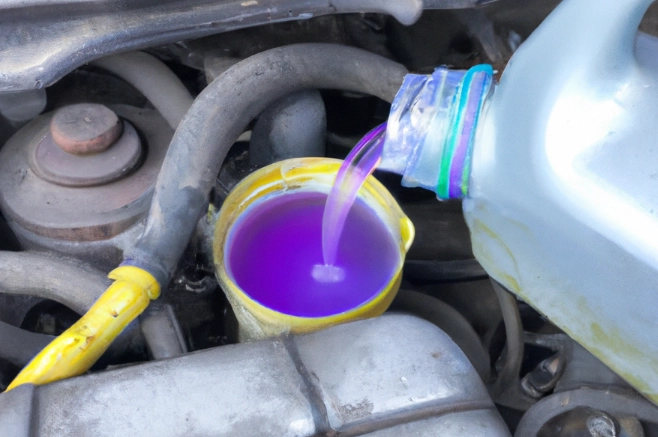
The corrosion inhibitors wear out. The coolant becomes acidic. It starts eating away at your aluminum radiator, water pump seals, and heater core—which is a notoriously expensive part to replace on many cars. It can also form abrasive silicate drop-out (sludge) that can kill your water pump. A $150 coolant flush cost is cheap insurance against a $1,200 heater core replacement job.
Dealerships have higher overhead (facilities, training, manufacturer-specific tools) and almost always use the OEM-branded coolant, which carries a premium. You're also paying for a technician who (theoretically) works on your brand of car every day. For complex or newer models, that expertise can be worth the premium. For an older, common car, an independent specialist might be the better value.
"Lifetime" is a marketing term that usually means the expected lifetime of the powertrain warranty (e.g., 10 years/100k miles). It's not forever. Most manufacturers with "lifetime" fill still recommend inspection and possible replacement at very high mileages or after a certain number of years. Again, your manual is the final word. Ignoring it could turn a manageable coolant flush cost into a major repair bill.
The Final Verdict on Coolant Flush Cost
So, what's the answer? What should you do about your coolant flush cost?
If you're handy, have a simple car, a place to work, and the patience to follow the procedure meticulously (especially the burping), a DIY flush can save you a significant amount of money. Buy the right coolant, have plenty of rags and a big drain pan, and take your time. Watch a few videos specific to your car model first.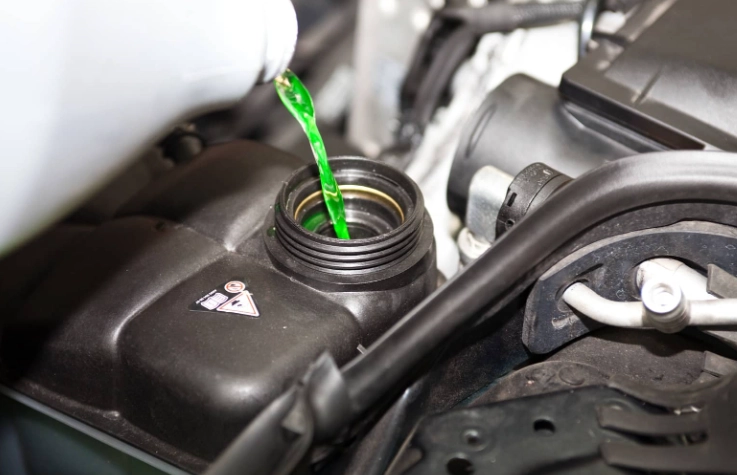
For most people, though, paying the professional coolant flush cost is the smarter play. You're buying a thorough job done with professional equipment, a guarantee against air pockets and overheating, and the correct disposal of the old toxic fluid. The peace of mind has real value.
The key is to be an informed consumer. Know what your car needs, know what a fair price range looks like for it, and choose a shop that communicates clearly and uses the right materials. Don't let the cost scare you into indefinite postponement. Think of it as a relatively small investment that protects a very large one—your engine.
Get a couple of quotes. Look at your maintenance schedule. Then make the call. Your cooling system will thank you for years to come.