Quick Navigation
- Is Your BMW Fuel Pump Failing? The Tell-Tale Signs
- Why Do BMW Fuel Pumps Fail? It's Not Always Old Age
- The Replacement Showdown: DIY vs. Professional Mechanic
- The Cost Breakdown: Parts, Labor, and the "BMW Tax"
- Choosing the Right Replacement Fuel Pump for Your BMW
- Your BMW Fuel Pump Questions, Answered
- Final Thoughts and My Personal Take
Let's talk about something that can turn your smooth-driving BMW into a frustrating, sputtering mess overnight: the fuel pump. It's one of those parts you never think about until it fails, and when it does, it's almost always at the worst possible time. I remember being stranded once in my old E90 3 Series, hearing that dreaded whining sound turn into a sad groan before silence. Not fun. That little electric motor buried in the fuel tank is the absolute heart of your car's fuel delivery system. No fuel pressure, no go. It's that simple.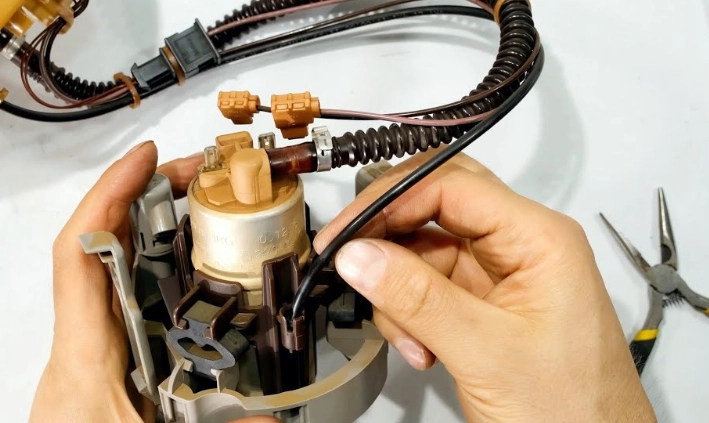
Whether you're driving a classic E30, a modern G20, or a powerful X5, understanding your BMW fuel pump is crucial. This guide isn't just a list of symptoms. We're going to dig into why these pumps fail, how to tell if yours is on the way out, what it really takes to replace one (DIY or pro), and how much you should expect to pay. We'll also tackle the big question: OEM, aftermarket, or performance? By the end, you'll know exactly what to listen for, what to look for, and how to make the best decision for your car and your wallet.
Is Your BMW Fuel Pump Failing? The Tell-Tale Signs
BMWs are communicative cars. They tell you when something's wrong, sometimes in dramatic fashion (hello, check engine light), sometimes with subtler hints. A fuel pump issue usually starts with the subtle stuff before a full-blown failure.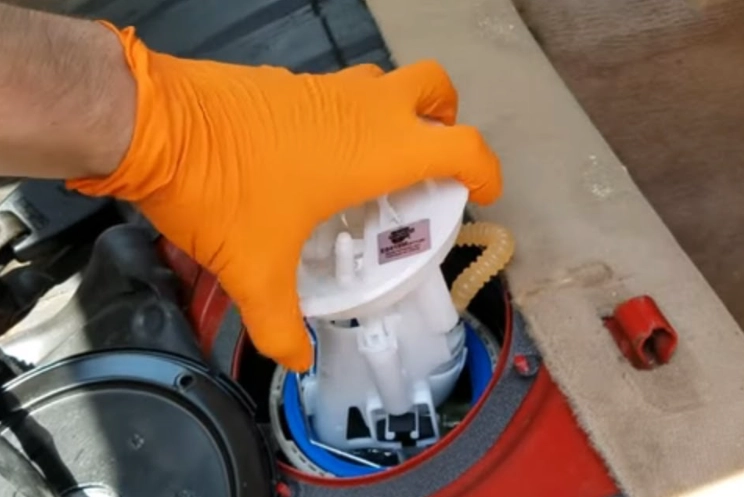
The most classic symptom is engine hesitation or stumbling under load. You're trying to merge onto the highway, you floor it, and instead of a smooth surge of power, the car stutters, jerks, or feels like it's hitting a wall. That's often the pump struggling to maintain the required fuel pressure when demand is highest. It's not always constant, which makes it tricky. It might run fine at idle or light throttle, then fail when you ask for more.
Then there's the long crank. You turn the key, and the engine turns over for what feels like an eternity before finally catching. This happens because the fuel pump's check valve, which maintains pressure in the lines when the car is off, is leaking. The system has to rebuild pressure from scratch every time you start the car. My neighbor's X3 did this for weeks before the pump finally gave up.
Listen to your car. A healthy fuel pump emits a steady, low hum for a few seconds when you first turn the key to the "ON" position (before starting). A failing one might whine, screech, or groan loudly from the rear seat/tank area. That's the sound of a tired electric motor or contaminated bearings.
Other signs can be more indirect. Loss of power, especially at high RPMs. A rough idle that comes and goes. In modern turbocharged BMWs (like the N54, N55, B58 engines), a weak fuel pump can cause misfires under boost and trigger a plethora of fault codes. The car's computer is very sensitive to fuel delivery issues.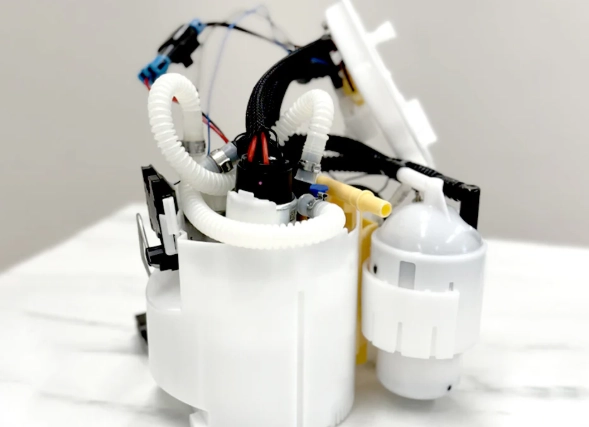
Don't Just Guess: How to Properly Diagnose a Bad Fuel Pump
Before you spend a dime on a new pump, do some basic diagnostics. It could be a clogged fuel filter, a bad fuel pressure sensor, or even a wiring issue. The most straightforward check is fuel pressure. You'll need a fuel pressure test gauge that connects to the fuel rail's Schrader valve (looks like a tire valve). You can find the specific pressure specs for your BMW model in the factory repair information. For many models, it's around 50-70 psi for port injection and over 500 psi for direct injection high-pressure pumps.
No pressure? The pump isn't running. First, check for power and ground at the pump's electrical connector (located on top of the fuel tank under the rear seat) with a multimeter when the key is turned to ON. If there's power and ground but the pump is silent, the pump is dead. If there's no power, you're chasing a fuse, relay, or wiring fault. The fuel pump relay is a common failure point and a much cheaper fix!
For a more in-depth look at automotive electrical diagnostics, the SAE International website is a fantastic resource for understanding the engineering principles, though it's more technical.
Why Do BMW Fuel Pumps Fail? It's Not Always Old Age
People think it's just wear and tear, and often it is. The pump's electric motor brushes wear down over years of service. But several things accelerate its death.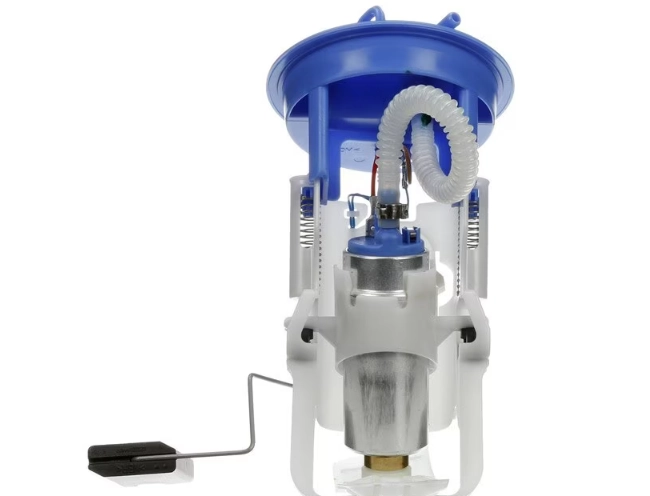
Running on fumes. This is a big one. The electric fuel pump is submerged in gasoline, which cools and lubricates it. When you constantly drive with the fuel light on, the pump runs hotter and the lubrication suffers. I'm guilty of this, trying to stretch a tank. It's a bad habit. Try to keep at least a quarter tank of fuel.
Contaminated fuel. Dirty gas, water in the tank, or debris can clog the pump's intake sock filter or damage its internal components. This is why using quality fuel from reputable stations matters, even if it costs a few cents more per gallon.
Electrical issues. Voltage spikes, poor connections, or a failing alternator can stress the pump's motor. A weak battery can also cause the pump to labor during cranking.
For certain BMW models, there are known issues. The high-pressure fuel pumps (HPFP) on the N54 engine (found in 135i, 335i, 535i from ~2007-2010) were notorious for premature failure, leading to a class-action lawsuit and extended warranty from BMW. If you own one of those, you've probably heard the stories. Later revisions improved reliability.
The Replacement Showdown: DIY vs. Professional Mechanic
This is the crossroads. Replacing a BMW fuel pump can range from a moderately challenging DIY job to a significant undertaking, depending on your model and skill level.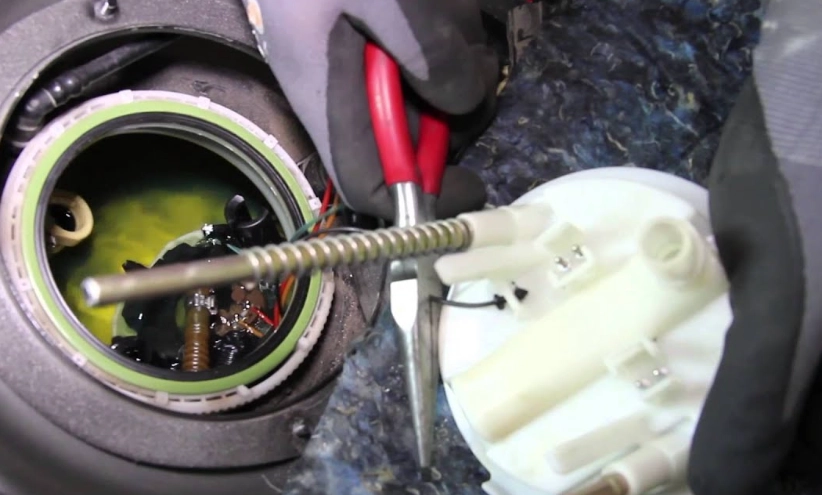
Can You Do It Yourself?
On many BMWs, especially sedans and coupes from the 3, 5, and 7 Series (like E90, E60, F10 generations), the fuel pump access is under the rear seat bench. This is the "easy" scenario. You disconnect the battery, carefully pry up the rear seat cushion (it's usually just clipped in), unscrew an access panel, and you're looking at the pump assembly. You'll need to relieve fuel pressure, disconnect electrical and fuel lines, unscrew a large locking ring, and lift the assembly out.
Sounds simple, right? Well, it can be. But there are pitfalls. The locking ring can be stubborn. The plastic fuel lines can become brittle. Dropping a screw into the open fuel tank is a nightmare. And you MUST be meticulous about cleanliness. You do not want dirt falling into the tank.
On SUVs like the X5 or X3, or on models where the pump is accessed through the trunk floor, it can be more involved, sometimes requiring you to drop the fuel tank. That's a pro job for most people.
If you're considering the DIY route, I strongly recommend consulting the official repair procedures. You can find legitimate technical information for your specific BMW Vehicle Identification Number (VIN) on the official BMW TIS (Technical Information System) website or through reputable automotive data providers. Don't rely on vague forum posts alone.
What a Professional Mechanic Does (And Why It Might Be Worth It)
A good shop brings experience, proper tools, and a lift. They can handle stuck locking rings without breaking them. They know the tricks to avoid spills and contamination. They will also perform a proper pre- and post-installation check: verifying fuel pressure, checking for leaks with a smoke machine, and clearing any fault codes. They also assume liability if something goes wrong.
The trade-off is cost, which we'll get to next. But for many, the peace of mind and time saved is worth the premium.
The Cost Breakdown: Parts, Labor, and the "BMW Tax"
Let's talk numbers, because this is where the pain is real. The cost to replace a BMW fuel pump varies wildly based on the model, the type of pump, and who does the work.
First, the part itself. You're not just buying a little motor. You're usually buying a complete fuel pump module or "sender unit," which includes the pump, the fuel level sensor, the filter, and the housing.
| Part Type | Average Price Range | Pros | Cons | Best For |
|---|---|---|---|---|
| Genuine BMW (OEM) | $300 - $800+ | Perfect fit, guaranteed quality, latest revisions. | Very expensive. The "BMW tax" is full price. | Purists, under warranty, or if you plan to keep the car forever. |
| OEM Supplier (e.g., VDO/Siemens, Bosch) | $150 - $400 | Often the exact same part as Genuine BMW without the logo. Great value. | Need to verify part numbers carefully. | Smart shoppers. This is my usual go-to. |
| Quality Aftermarket (e.g., Delphi, Spectra) | $100 - $300 | Good quality, significant savings. | Fitment can occasionally be slightly off. Long-term reliability *may* vary. | Budget-conscious owners with older, high-mileage cars. |
| High-Performance Pump (e.g., Walbro, Fuel-It) | $200 - $600 | Higher flow capacity for tuned/modified engines. Often more robust. | Overkill for stock cars. Can be louder. May require wiring upgrades. | BMWs with engine software tunes, turbo upgrades, or ethanol blends. |
The high-pressure fuel pump (HPFP) on turbocharged direct-injection engines is a different beast altogether. It's a precision mechanical pump driven by the camshaft, located on the engine. These are much more expensive, often ranging from $500 to $1500 for the part alone.
Now, add labor. A straightforward in-tank pump replacement on a sedan with easy access might take a skilled mechanic 1.5-2.5 hours. Book rates are typically $100-$200 per hour at independent BMW specialists, and higher at dealerships. So, labor could add $150 to $500+.
Total Job Estimate:
- DIY with OEM Supplier Part: $150 - $400 (parts only).
- Independent Shop with OEM Supplier Part: $400 - $900.
- Dealership with Genuine BMW Part: $800 - $1,800+.
Choosing the Right Replacement Fuel Pump for Your BMW
Don't just buy the cheapest one on eBay. Here's a quick decision flow I use:
- Identify your exact model and engine code. A fuel pump for a 328i is different from a 335i. Use your VIN to be 100% sure.
- Is your car stock or modified? Stock? Stick with an OEM supplier part (Bosch, VDO). Modified with more power? Seriously consider a higher-flow performance fuel pump.
- Check reviews and community feedback. Forums like BimmerPost or specific model forums are goldmines. See what brands others have used successfully for your exact car.
- Buy from a reputable auto parts retailer. Places like FCP Euro, ECS Tuning, or even RockAuto (for older models) often carry good quality parts with warranties. FCP Euro's lifetime replacement guarantee is legendary in the BMW community.
Your BMW Fuel Pump Questions, Answered
Final Thoughts and My Personal Take
Dealing with a BMW fuel pump problem is rarely convenient, but it's a manageable repair. The key is awareness. Listen to your car. Pay attention to those small changes in behavior. Diagnose before you replace.
If you're DIY-inclined and have a model with good access, tackling the fuel pump replacement can be a rewarding weekend project that saves you a bundle. Just take your time, be clean, and watch a few good videos specific to your chassis first. If not, find a trusted independent BMW specialist. The dealership should be your last resort for this job unless it's under warranty.
As for part choice, I almost never buy "Genuine BMW" for this component. The OEM supplier parts (Bosch, VDO) have been flawless in my experience and cost half as much. It's one of the few places where the "BMW tax" is easily avoidable without sacrificing quality.
Remember, that humble fuel pump is what feeds the incredible engine BMW is famous for. Keep it healthy, and your Ultimate Driving Machine will keep delivering that driving pleasure it's known for. Ignore it, and you might be left wondering why your ultimate driving machine won't drive at all.