Your Polish Journey Starts Here
- Polish vs. Wax vs. Compound: Getting the Terminology Straight
- The Main Types of Car Polish: Abrasives, Fillers, and Technology
- Choosing the Best Polish: A Practical Decision Matrix
- The Step-by-Step: How to Actually Polish Your Car (The Right Way)
- Addressing Your Specific Questions & Concerns
- My Personal Experience & What's in My Garage Right Now
You wash your car, you wax it, but that deep, glossy shine just isn't there. The paint looks dull, maybe you can see fine scratches when the sun hits it just right. So you start searching, and you're hit with a wall of products all screaming they're the best. Polish? Compound? Pre-wax cleaner? It's enough to make your head spin. I've been there, standing in the auto parts aisle completely overwhelmed. The short, and frustrating, answer is that there's no single "best" polish for every single car. It depends. It depends on your car's paint, its age, the defects you're trying to fix, and how much elbow grease you're willing to put in.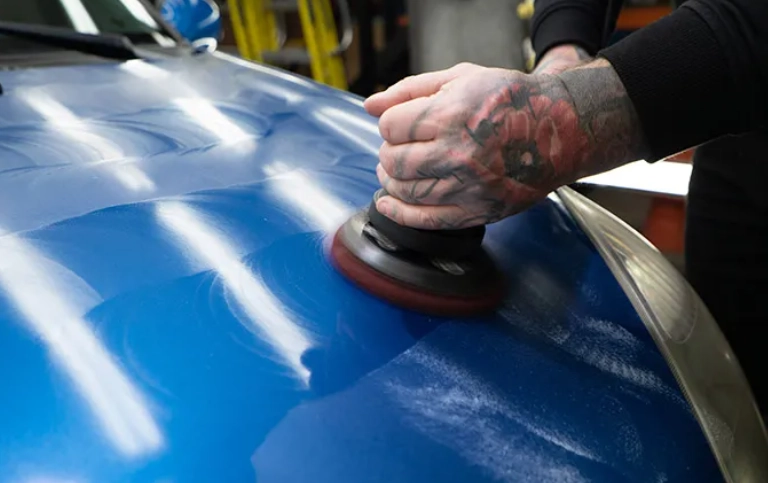
But that's not a helpful answer when you just want a shiny car. So let's break it down. This isn't about pushing a specific brand's latest marketing miracle. It's about understanding what car polish actually is, how it works, and how to match the right product to your specific situation. By the end of this, you'll know exactly how to answer the question "what is the best polish to use on your car?" for your own vehicle.
Polish vs. Wax vs. Compound: Getting the Terminology Straight
This is where most people get tripped up. Using these terms interchangeably is the first step towards a disappointing detail. They are different tools for different jobs.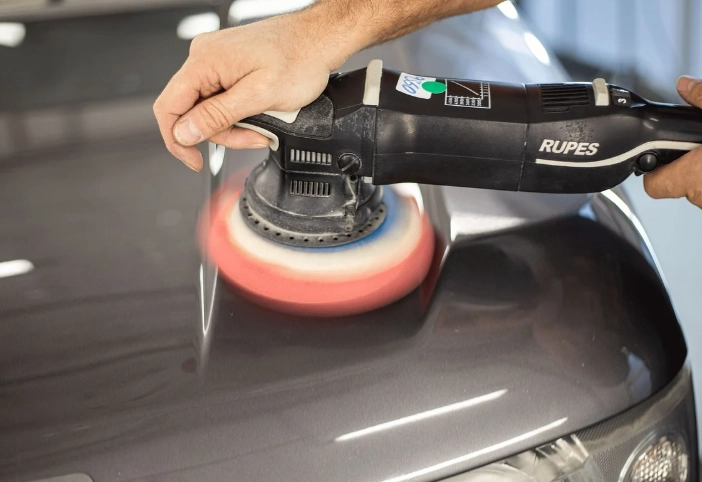
Think of your car's clear coat like a piece of wood. Over time, it gets scuffed and scratched.
- Compound (or Cutting Compound): This is your coarse sandpaper. It's aggressive. Its job is to remove deeper scratches, heavy oxidation, or significant paint defects. It will leave a hazy finish because it makes relatively large scratches in the clear coat to remove deeper ones.
- Polish (or Finishing Polish): This is your fine-grit sandpaper. It follows compound. Its job is to refine the surface, removing the haze and micro-scratches left by the compound to bring back clarity and gloss. For cars with only light swirls and no major defects, a good polish might be all you need.
- Wax/Sealant/Ceramic Coating: These are your varnish or polyurethane. They provide zero correction. They are purely protective layers laid down on top of your perfectly prepared (polished) surface to shield it from UV rays, water, and contaminants.
So when you ask "what is the best polish to use on your car?", you're really asking about that fine-grit sandpaper step. You need to know if you need to "sand" at all, or if you need to start with the coarse stuff first.
The Main Types of Car Polish: Abrasives, Fillers, and Technology
Not all polishes are created equal. The "grit" of that fine sandpaper varies wildly. Here’s the breakdown of what you'll find on the shelf or online.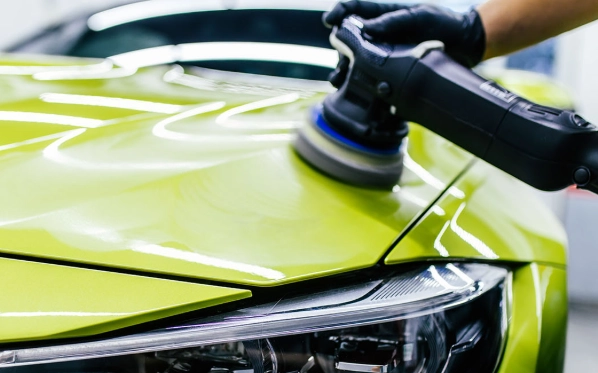
1. Abrasive Polishes (My Personal Go-To)
These contain actual microscopic abrasives (like aluminum oxide or diamonds) that physically cut and level the clear coat. They truly remove defects, not hide them. The result is long-lasting because you've removed the damaged layer. These are what most enthusiasts and pros use. They require a bit more skill but give a genuine, durable correction.
2. Cleaner Polishes (or "All-in-Ones")
These are the jack-of-all-trades, master-of-none option. They contain very mild abrasives for a tiny bit of cut, plus chemical cleaners to dissolve grime, and usually some protective polymers or wax. They're fantastic for maintenance on already-decent paint. They'll clean up light contamination and add a bit of protection in one step. Think of them as a strong cleaner with a hint of polish and a dash of wax. Great for beginners or quick touch-ups. For a heavily swirled car, they'll disappoint you.
3. Filler Polishes (The "Quick Fix" with a Catch)
These use oils and polymers to temporarily fill in and mask scratches and swirls. They make the paint look fantastic... for a few weeks. Once those fillers wash away, the defects are right back. Some abrasive polishes also have light fillers to enhance gloss immediately, which is fine. But a pure filler polish is a band-aid, not a cure. I'm not a fan for long-term care.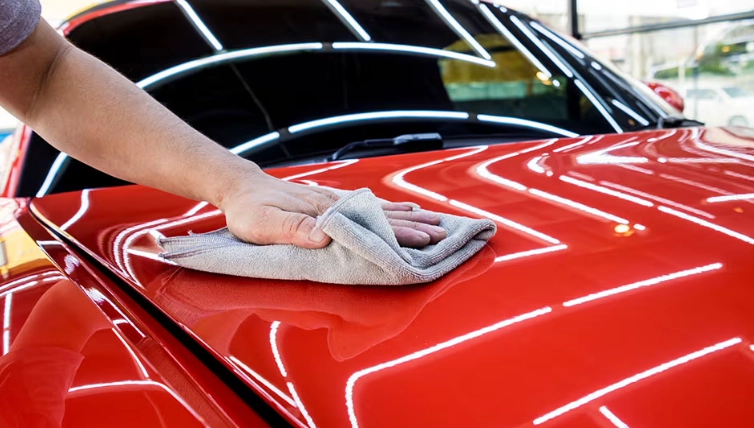
4. Ceramic-Infused or SiO2 Polishes (The Modern Hotness)
These are abrasive or cleaner polishes that also deposit a layer of silicon dioxide (the base of ceramic coatings) as you work. They correct and leave behind a semi-permanent protective layer. This is a fantastic technology for the DIYer. You polish and get 6-12 months of ceramic-like protection in one go. They've made traditional waxing almost obsolete for me. The key is to ensure they still have enough cut for your needs.
Choosing the Best Polish: A Practical Decision Matrix
Okay, theory is fine. Let's get practical. How do you actually choose? Ask yourself these questions.
What is the condition of my car's paint? Run your hand over the clean paint. Can you feel any roughness? Look at it in direct sunlight or under a bright LED light. Do you see spider-web-like swirls everywhere? Deep scratches?
- Heavy defects (deep scratches, heavy oxidation): You likely need a compound first, then a polish. Don't start with just a polish.
- Light to moderate swirls, water spots, minor dullness: A good abrasive polish is your starting point. This is the most common scenario.
- Paint is smooth and glossy, just lacking depth/protection: A cleaner polish or a pure sealant is all you need. You might not need to polish at all.
What tools am I using? This is huge. The best polish for a dual-action polisher is different from the best polish for hand application.
- By Hand: You need a polish with more "bite" or chemical cleaners. Your arm doesn't generate much heat or friction. Look for "hand application" on the label. Abrasive polishes meant for machines will be frustratingly ineffective by hand.
- With a Dual-Action (DA) Polisher (Recommended for DIY): This is where you have the most options. Most modern polishes are formulated for DA use. They have a longer "work time" and are forgiving.
- With a Rotary Polisher (Pro territory): These require specific polishes that can handle high heat without drying out or burning the paint.
What is my end goal? A concours-level show car finish? Just make the daily driver look respectable? A one-step cleanup before selling? Your ambition dictates the process and product.
To make this visual, here’s a table to help you narrow down your search when figuring out what is the best polish to use on your car.
| Your Paint's Condition | Recommended Polish Type | Tool Needed | Realistic Outcome |
|---|---|---|---|
| Heavy swirls, light scratches, oxidation | Medium-Cut Abrasive Polish | DA Polisher | 80-95% defect removal, high gloss |
| Fine swirls, water spots, minor haze | Fine/Finishing Abrasive Polish | DA Polisher or Vigorous Hand | Excellent clarity and reflective gloss |
| Decent paint, just needs cleaning & protection | Cleaner Polish (All-in-One) | DA Polisher, Orbital, or Hand | Enhanced gloss, light cleaning, added protection |
| Deep scratches, severe oxidation | Compound (then follow with Polish) | DA or Rotary Polisher | Major correction, requires follow-up polish |
| Seeking long-term protection with correction | Ceramic-Infused Polish | DA Polisher (best) | Correction + 6-12 months of water beading |
The Step-by-Step: How to Actually Polish Your Car (The Right Way)
Let's say you've picked your potion. Now, how do you use it? Skipping prep is like performing surgery without sterilizing the tools.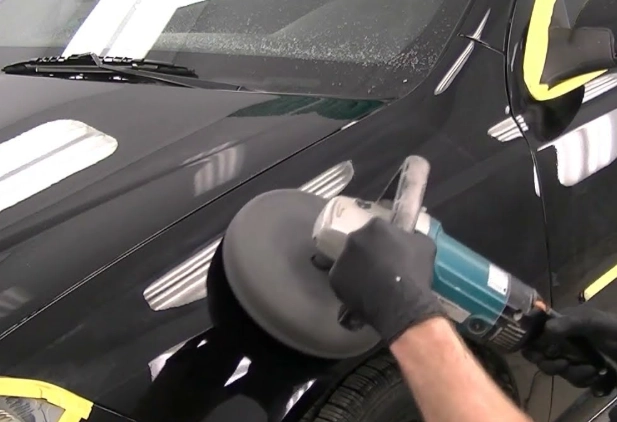
Step 1: The Critical Wash & Decontamination
This isn't a regular wash. You must remove all bonded contaminants (rail dust, industrial fallout) that feel like grit on the paint. If you polish over this grit, you're just sanding it into your paint, creating more scratches. Use a dedicated iron remover spray (it turns purple as it reacts with iron) and a clay bar or synthetic clay mitt. This step is non-negotiable. After this, the paint should feel as smooth as glass.
Step 2: Tape It Up
Use painter's tape to mask off plastic trim, rubber seals, and edges you don't want to hit. Polish will stain porous black plastic, turning it white. It's a pain to fix. Just tape it.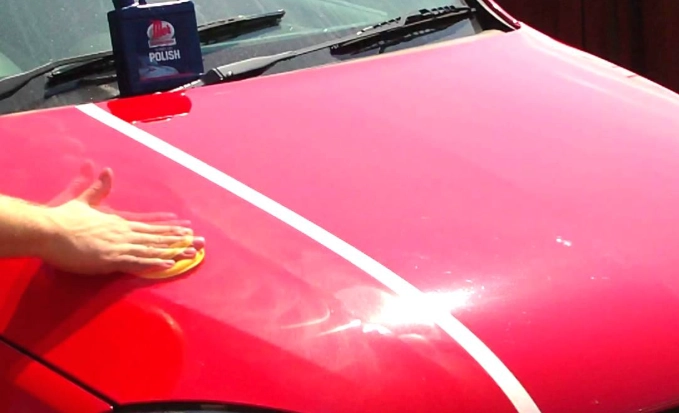
Step 3: The Polishing Process (Machine Recommended)
If using a DA polisher, start with a polishing pad (usually white or black, less aggressive than a cutting pad). Apply 3-4 small dots of polish in a circle on the pad. Spread the product on a 2x2 foot section at low speed first. Then, turn the speed up (usually setting 4-5 on a 6-speed DA) and apply firm, even pressure. Make slow, overlapping passes, moving the machine about 1 inch per second. Let the polish and machine do the work. You'll see the polish turn clear or slightly dusty as it breaks down. This is called "working the product to completion." Wipe off the residue with a clean microfiber towel before it fully dries.
Step 4: Inspection and Decision Point
After polishing a test section, inspect it under your light. Are the swirls gone? If yes, great! Continue with that polish/pad combo. If not, you may need to step up to a more aggressive pad or a compound first. This is the "test spot"—it saves you from doing the whole car with the wrong method.
Step 5: Final Wipe & Protection
Once the whole car is polished, do a final wipe-down with a clean microfiber and a spray detailer or isopropyl alcohol diluted with water (10-15% mix) to remove any residual oils or fillers. This ensures a perfectly clean surface. Now, immediately apply your protective layer—a synthetic sealant, ceramic spray, or traditional wax. You've just exposed fresh, unprotected clear coat. Don't leave it bare.
Addressing Your Specific Questions & Concerns
You can, but manage your expectations. Hand polishing will only address the very finest defects and is more about applying a cleaner polish. For true swirl removal, the consistent speed and pressure of a machine are almost essential. I've tried hand-polishing a hood once. My arm was sore for days, and the results were mediocre at best. A basic DA polisher is a game-changer and isn't as scary as it looks.
It removes *clear coat* scratches. If you can feel the scratch with your fingernail, it's likely through the clear coat and into the color layer or primer. No polish or compound can truly fix that; it needs touch-up paint. Polish works on shallow scratches that are only in the top layer of the clear coat.
As little as possible. Every time you polish, you remove a tiny bit of clear coat (about 1-3 microns). Modern clear coats are thick, but they're not infinite. A full correction polish might only be needed once every 2-5 years. Maintenance with a gentle cleaner polish or just a good sealant is the way to go in between.
Not always, but usually. Cheap polishes often use inferior abrasives that don't break down smoothly, can leave hazing, or have poor lubrication. The mid-range professional brands (think Meguiar's Mirror Glaze, Sonax, Koch-Chemie, Griot's Garage) offer the best balance of performance, consistency, and value for the DIYer. You don't need the absolute most expensive boutique brand.
Those are almost always spray waxes or detail sprays with a bit of cleaning agent. They are not true polishes. They're for enhancing gloss between washes, not for correction. Good marketing, misleading naming.
My Personal Experience & What's in My Garage Right Now
I like to try different stuff. Here’s a quick, honest rundown of a few polishes I've used recently, so you get a real opinion, not just a theoretical list.
- For a one-step correction/protection combo: I've been really impressed with Griot's Garage BOSS Perfecting Cream paired with their BOSS Finishing Sealant. It's incredibly easy to use, finishes down almost perfectly, and the sealant is fantastic. It's my go-to for friends' cars I'm helping with.
- For a dedicated, no-filler finishing polish: Sonax Perfect Finish is legendary for a reason. On a fine polishing pad, it removes light haze and leaves an insanely reflective, deep gloss. It's a pure abrasive polish that works brilliantly.
- The ceramic-infused option I trust: Jescar Ultra Lock is a polish and sealant in one. It corrects well for a one-step and leaves behind a seriously durable SiO2 layer. Beading lasts for months. It's become my favorite for my own daily driver.
- The "meh" experience: I tried a popular consumer-grade "ultimate polish" from a big box store. It was mostly fillers. The car looked great for two weeks, then all the swirls reappeared after a few rains. Felt like I did nothing. I won't name it, but it taught me to read labels and buy from dedicated detailing suppliers.
For deeper research into product chemistry and professional techniques, the forums at Autogeek Online are an incredible resource. It's where pros and obsessed hobbyists (like me) hang out. Also, checking the official technical guides from manufacturers like Meguiar's can provide trustworthy, brand-specific application advice.
Look at your paint. Decide on your goal. Pick the type that matches. Start with a test spot. The "best" polish is the one that safely and effectively gets *your* car's paint to where *you* want it to be. It's the polish you use correctly. Because the right product with the wrong technique will always lose to a decent product with the right technique. Now you have the knowledge for both. Go get that shine.