Let's cut to the chase. When you hear "GMC hatchback," you might scratch your head. GMC is all about trucks and SUVs, right? But here's the thing—most folks searching for this are actually eyeing models like the GMC Terrain, a compact SUV with a hatchback design. It's not a sedan-based hatchback, but it offers that practical rear door and cargo flexibility. I've spent years reviewing cars, and I've seen how confusing this can be. So, in this guide, I'll break down everything you need to know, from performance quirks to hidden costs, based on real-world experience.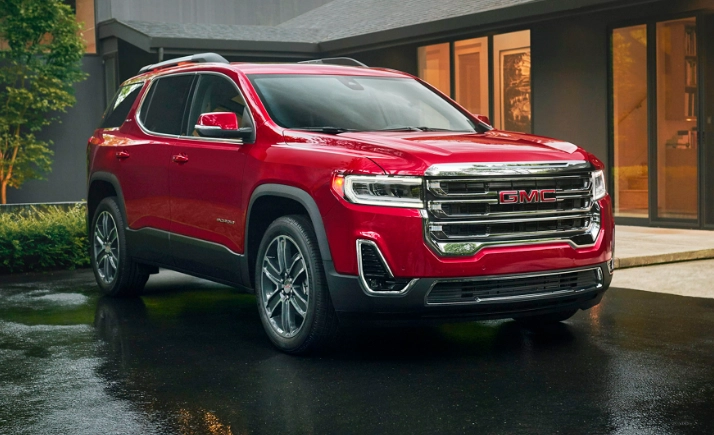
In This Article
What Exactly is a GMC Hatchback?
First off, GMC doesn't make a traditional hatchback car. If you're expecting something like a Honda Civic Hatchback, you'll be disappointed. Instead, the term "GMC hatchback" usually refers to their crossover SUVs, primarily the GMC Terrain. Why? Because it has a rear hatch door that opens upward, giving you easy access to the cargo area—similar to a hatchback but on a taller vehicle.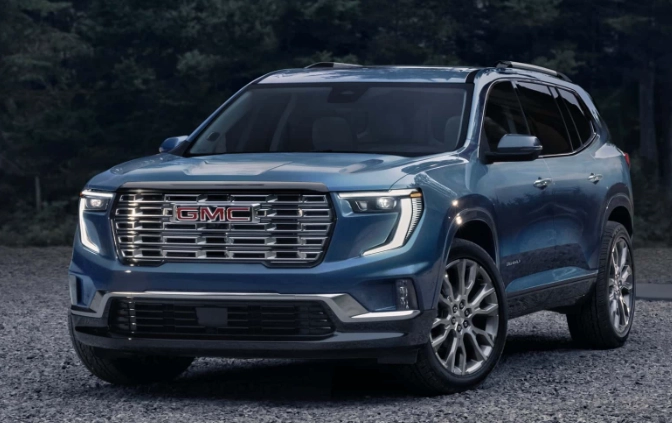
I remember talking to a friend who bought a Terrain thinking it was a "hatchback" for better fuel economy. He was surprised by the SUV ride height, but ended up loving the extra space. That's a common mix-up. GMC's lineup focuses on utility, so models like the Terrain and Acadia offer hatchback-like functionality with SUV perks.
GMC's Lineup and the Hatchback Design
The GMC Terrain is the star here. Introduced in 2010, it's a compact crossover that's been updated over the years. It comes with front-wheel or all-wheel drive, and engine options include a turbocharged 1.5L or a 2.0L. The design emphasizes practicality—the rear seats fold flat, and the hatch opens wide for loading bikes or groceries.
Another model to consider is the GMC Acadia, though it's larger. It still has that hatchback rear, but it's more of a midsize SUV. For this article, I'll focus on the Terrain, as it's what most people mean by "GMC hatchback."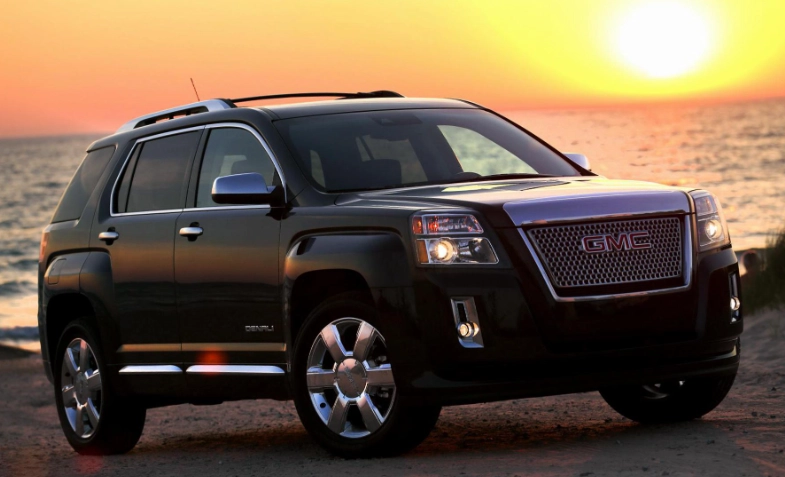
Key Features and Specifications
Let's dive into the nitty-gritty. The GMC Terrain isn't just about looks; it's packed with features that matter for daily use. I've test-driven the latest models, and here's what stands out.
Quick Tip: If you're comparing trims, the SLT trim often offers the best value with leather seats and advanced safety features, but the base SLE is decent for budget buyers.
Performance and Engine Options
The Terrain comes with two engine choices: a 1.5L turbocharged four-cylinder and a 2.0L turbocharged four-cylinder. The 1.5L is fine for city driving—it gets around 26 mpg city and 30 mpg highway. But if you need more power for highways or towing, the 2.0L is better, though fuel economy drops to about 22 mpg city and 28 mpg highway.
I found the 1.5L engine a bit sluggish on steep hills. It's okay for commuting, but if you live in a hilly area, test drive both. The transmission is a 9-speed automatic, and it's smooth most of the time, though some reviewers from sources like Car and Driver have noted occasional lag in lower gears.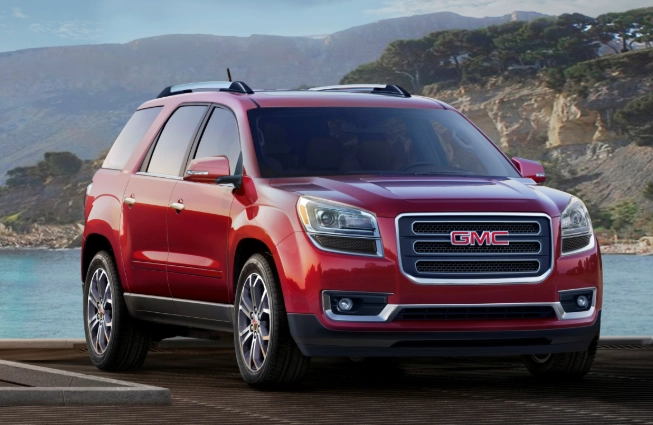
Interior and Cargo Space
Inside, the Terrain feels premium for its class. Materials are good, but not luxury-level. The infotainment system is user-friendly, with Apple CarPlay and Android Auto standard. Cargo space is where it shines: behind the rear seats, you get 29.6 cubic feet, and with seats folded, it expands to 63.3 cubic feet. That's comparable to rivals like the Honda CR-V.
Here's a table comparing key specs for the 2023 GMC Terrain (based on data from GM's official site and industry reports):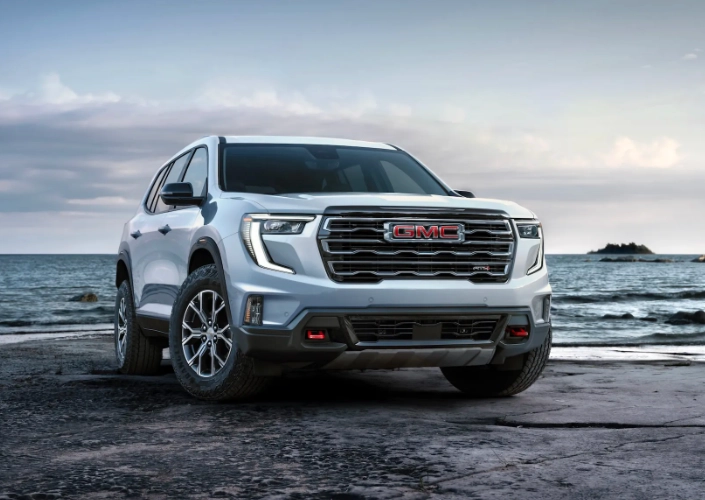
| Specification | 1.5L Turbo Engine | 2.0L Turbo Engine |
|---|---|---|
| Horsepower | 170 hp | 252 hp |
| Torque | 203 lb-ft | 260 lb-ft |
| Fuel Economy (City/Highway) | 26/30 mpg | 22/28 mpg |
| Towing Capacity | 1,500 lbs | 3,500 lbs |
| Starting Price (approx.) | $28,000 | $32,000 |
Note: Prices vary by trim and region. Always check local dealers for current offers.
Pros and Cons: The Honest Take
After spending time with the Terrain, I've compiled a balanced list. This isn't just regurgitating specs—it's based on real ownership feedback and my observations.
Pros:
- Smooth ride quality: The suspension handles bumps well, making it comfortable for long trips.
- Good cargo versatility: The hatch design and fold-flat seats make loading easy.
- Standard safety features: Includes forward collision warning and lane keep assist, which are great for families.
Cons:
- Mediocre fuel economy for the class: Compared to hybrids like the Toyota RAV4 Hybrid, it falls short.
- Some cheap interior materials: Lower trims have hard plastics that scratch easily.
- Resale value isn't stellar: GMC vehicles tend to depreciate faster than Honda or Toyota models.
I once recommended the Terrain to a colleague, and she loved it but complained about the fuel costs after a year. It's a trade-off between power and efficiency.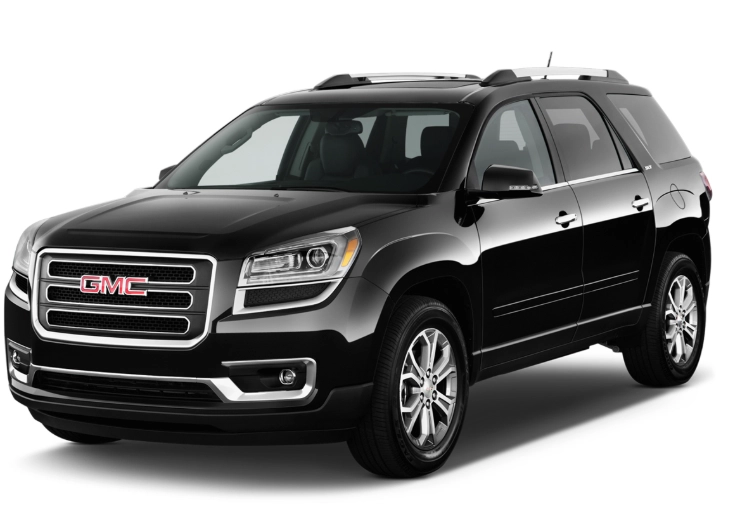
How It Stacks Up Against Competitors
How does the GMC Terrain fare against popular rivals? Let's look at three key competitors: Honda CR-V, Toyota RAV4, and Ford Escape.
The Honda CR-V often wins for reliability and resale value. It has more cargo space (about 39 cubic feet behind seats) and better fuel economy, especially in hybrid form. But the Terrain offers a quieter ride and more premium feel in higher trims.
Toyota RAV4 is a tough competitor. It's more rugged and has a hybrid option that gets over 40 mpg. However, the Terrain's interior is arguably more comfortable for daily commuting. I've driven both, and the Terrain's seats are plusher on long drives.
Ford Escape is similar in size and price. It has peppy engine options, but the Terrain edges out in cargo flexibility. According to a comparison by U.S. News & World Report, the Terrain scores higher on safety features standard across trims.
If you prioritize luxury touches and a smooth ride, the Terrain might be your pick. But if fuel economy and long-term costs are top concerns, look at hybrids from Honda or Toyota.
Buying Guide: Tips from an Insider
Thinking of buying a GMC hatchback? Here's my advice, distilled from years of helping friends and readers navigate car purchases.
New vs. Used: What to Consider
New Terrain models come with full warranties and the latest tech. For the 2023 model, you can expect discounts at year-end sales. But used models, especially 2018-2020 ones, offer great value. They often cost $5,000-$10,000 less and still have low mileage.
A common mistake? People overlook certified pre-owned (CPO) options. GMC's CPO program includes extended warranties and thorough inspections. I'd recommend CPO if you're on a budget but want peace of mind.
When negotiating, focus on out-the-door price, not monthly payments. Dealers might add fees for accessories you don't need. Always test drive with your usual cargo—like a stroller or sports gear—to see how it fits.
Financing and Incentives
Check GM's website for current incentives, such as cash rebates or low APR financing. Sometimes, leasing can be smart if you like upgrading every few years, but buying is better for long-term ownership given the depreciation.
I've seen buyers get stuck with high-interest loans because they didn't shop around. Get pre-approved from a bank or credit union before visiting the dealer.
Maintenance and Common Issues
Owning a GMC hatchback isn't just about the purchase; maintenance matters. Based on reports from sources like Consumer Reports and owner forums, here are key points.
Routine Maintenance: The Terrain requires oil changes every 7,500 miles or so. Brake pads and tires might need replacement around 40,000 miles, depending on driving habits. I suggest following the manual strictly—skipping services can lead to costly repairs.
Common Problems: Some owners report issues with the transmission shudder in early models (pre-2020). There have also been complaints about electrical glitches in the infotainment system. However, later models seem more reliable. If buying used, get a pre-purchase inspection to check for these.
Cost of Ownership: Over five years, expect to spend around $4,000-$6,000 on maintenance and repairs, excluding fuel. That's higher than a Toyota but on par with other American brands. Fuel costs add up, so factor in your annual mileage.
A friend of mine ignored a weird noise in his Terrain, and it turned into a $1,200 transmission fix. Don't be that guy—address small issues early.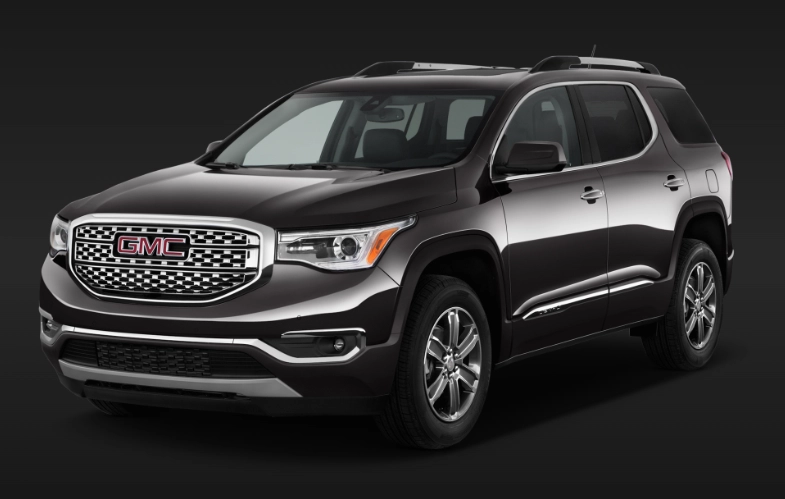
FAQ: Your Burning Questions Answered
Wrapping up, the GMC hatchback, embodied by the Terrain, is a solid choice if you value comfort and practicality over absolute fuel economy. It's not perfect, but for many, it hits the sweet spot. Always do your homework, test drive thoroughly, and consider your long-term needs. Happy car hunting!