Your Reading Roadmap
- The Straight Answer: Breaking Down the Clock
- What Slows Things Down? The Speed Bumps You Can (Sometimes) Avoid
- How to Prepare for the Fastest Possible Test
- What Happens If You Fail? The "Time After" Nobody Talks About
- Special Cases & Nuances
- Answers to Your Burning Questions (FAQs)
- The Bottom Line: Your Time-Smart Strategy
Alright, let's cut to the chase. You're staring at that notice in the mail or that reminder on your dashboard, and the big question pops into your head: how long is an emissions test going to steal from my already packed day? Is it a 10-minute in-and-out thing, or am I looking at a half-day saga at some bleak testing facility?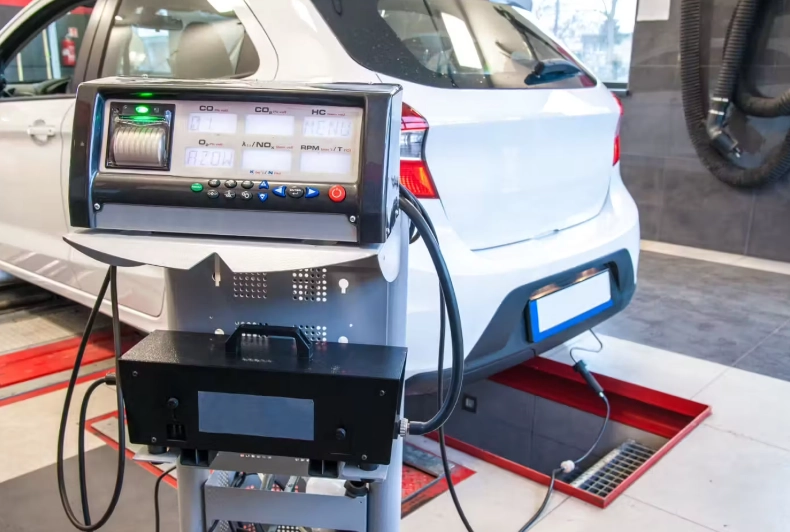
I've been there. Sitting in my old sedan, engine idling in a line of cars that doesn't seem to move, wondering if I should have just taken the afternoon off. The answer, like most things with cars, is "it depends." But don't worry, we're going to unpack all of it. Not just the textbook answer, but the real-world, from-the-trenches truth about the time commitment, the wait, the paperwork, and how to make the whole process as painless as possible. By the end of this, you'll know exactly what to expect, how to prepare, and maybe even save yourself some serious hassle (and time).
The Straight Answer: Breaking Down the Clock
Most people just want a number. Fine. For the vast majority of gasoline-powered cars and light trucks (model year 1996 and newer with OBD-II systems), the actual testing procedure itself is incredibly fast.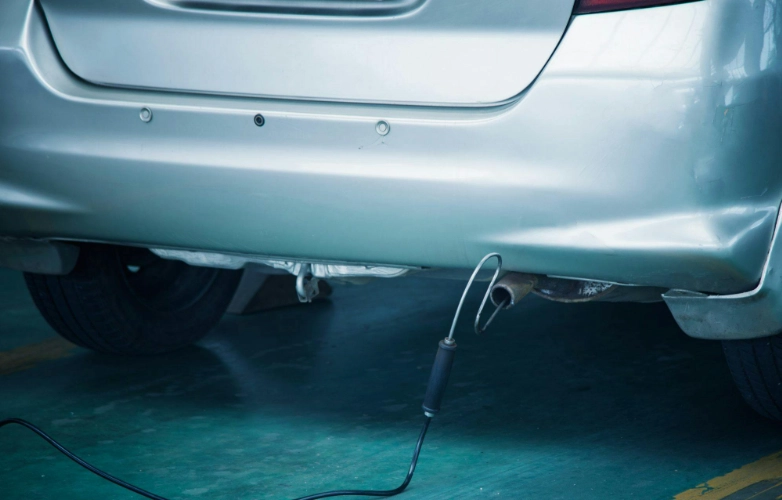
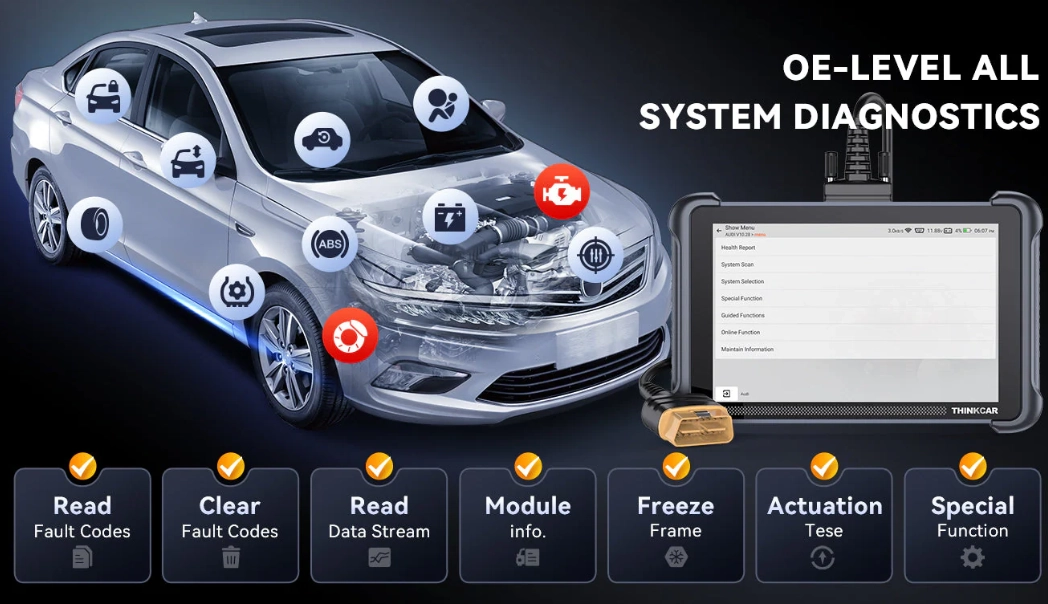
The Core Test Time: When your car is finally in the bay and hooked up, the technician is often done in 15 to 20 minutes. Sometimes even less. For modern cars, it's primarily a computer scan. They plug a device into your car's OBD-II port (usually under the dash near the steering wheel), the car's computer spits out a report on its emissions systems, and that's that. No more tailpipe probes for most vehicles.
But—and this is a huge "but"—that's just the hands-on time. Asking "how long is an emissions test" and only counting those 20 minutes is like asking how long a doctor's appointment is and only counting the time the stethoscope is on your chest. It ignores the real time-sinks.
The Three-Part Time Equation You Need to Know
To truly estimate your total time commitment, you need to think in three chunks:
- The Wait Time: This is the wild card. This is you in line at the testing station. It can be 10 minutes on a Tuesday morning or over an hour on a Saturday afternoon or the last day of the month. This often dwarfs the actual test time.
- The Test Time: The 15-20 minute procedure we just talked about.
- The Admin Time: Checking in, handing over your registration, paying the fee, getting your paperwork. Usually 5-10 minutes.
So, a more honest total answer to "how long does an emissions test take" is anywhere from 30 minutes to 2 hours, with the average falling around 45 minutes to an hour for the whole trip. The variability is almost entirely in the waiting.
What Slows Things Down? The Speed Bumps You Can (Sometimes) Avoid
Now, why might your specific experience take longer than that 20-minute ideal? A bunch of factors come into play. Some you control, some you don't.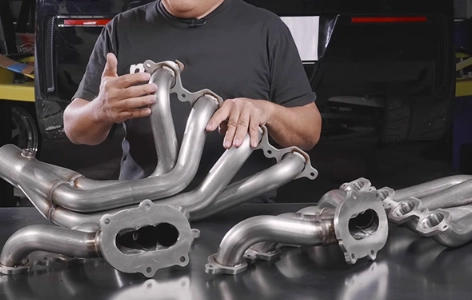
Vehicle Factors That Add Minutes (or Headaches)
- Older Vehicles (Pre-1996): If your car doesn't have an OBD-II port, it likely needs a "dynamometer" test where the drive wheels spin on rollers and a probe goes in the tailpipe. This is more involved and can take 25-35 minutes for the test alone.
- Diesel Vehicles: Diesel tests, especially for older models, can be a different, sometimes longer, process involving opacity meters to measure soot.
- Check Engine Light Is On: This is the big one. If that little orange light is glowing on your dash, you will almost certainly fail instantly. More critically, the testing computer often can't communicate properly with your car's computer to run the test until the underlying issue is fixed. This can turn your quick visit into a hard stop. Get that light diagnosed and fixed before you go.
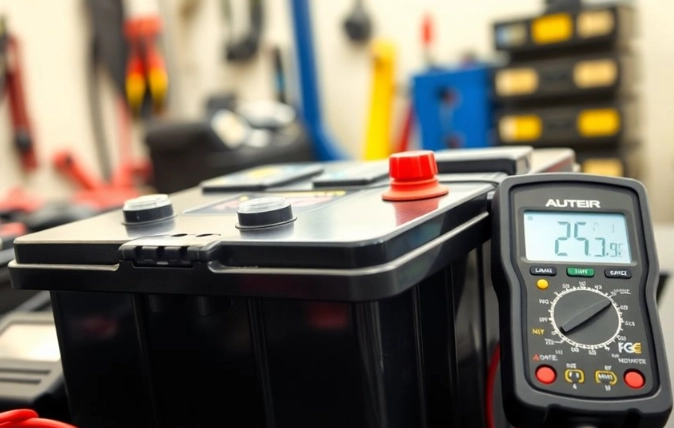
- Recent Battery Disconnect: If you've recently disconnected your car battery, the car's computer's "monitors" may be reset. The test requires these monitors to be "ready." A few days of normal driving (a mix of city and highway) usually sets them. If they're not ready, the test can't be completed, and you'll be sent away to drive more.
Testing Station & Timing Factors
Where and when you go makes a massive difference.
| When You Go | Typical Wait Time | Our Recommendation |
|---|---|---|
| Weekday Mid-Morning (10am) or Mid-Afternoon (2pm) | Shortest (10-20 min) | Best time. Avoids rush hour commuters and lunch rushes. |
| Saturday Morning | Long (30-60+ min) | Everyone's day off. Gets busier as the day goes on. |
| First or Last Day of the Month | Very Long (60+ min) | Avoid if possible. Deadline panic creates huge lines. |
| Lunch Hour (12-1pm) | Variable, often slow | Staffing might be reduced, slowing processing. |
| Right After a Holiday | Long | Backlog of people who put it off. |
I learned the "end-of-the-month" lesson the hard way. Never again. The line wrapped around the building. What should have been a 45-minute errand took over two and a half hours. Check your registration deadline and go at least a week or two early.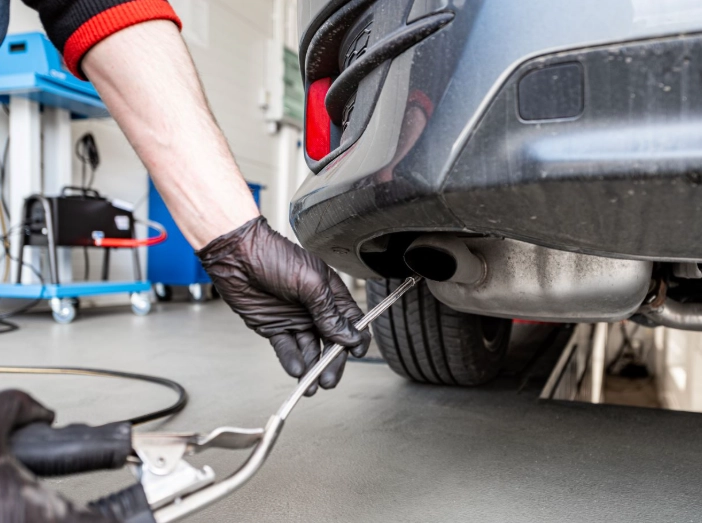
How to Prepare for the Fastest Possible Test
A little prep shaves minutes off your visit and prevents a failed test that would cost you hours later. Think of it as pre-boarding for your emissions test.
Your Pre-Test Checklist: The Night Before or Morning Of
- Documents: Have your vehicle registration card (the one from the DMV) ready. Some states require your driver's license too. Don't be that person rummaging through the glove box for ten minutes.
- Check the Dashboard: No check engine light. If it's on, cancel your plans and visit a mechanic first.
- Drive It Warm: Take your car for a 20-minute drive before you get to the test center. A fully warmed-up engine and catalytic converter perform better and give more accurate readings. It also ensures the computer monitors are active. A cold start and a 2-minute drive to the station is not ideal.
- Know Your Vehicle: Is your gas cap loose or broken? A faulty seal can cause a failed test for an "evaporative system" leak. Tighten it properly.
- Tire Pressure: If you have an older car needing a dynamometer test, proper tire pressure is important for safety on the rollers.
Doing these things answers the question "how long is an emissions test" in the best way possible: by making the actual event smooth and swift.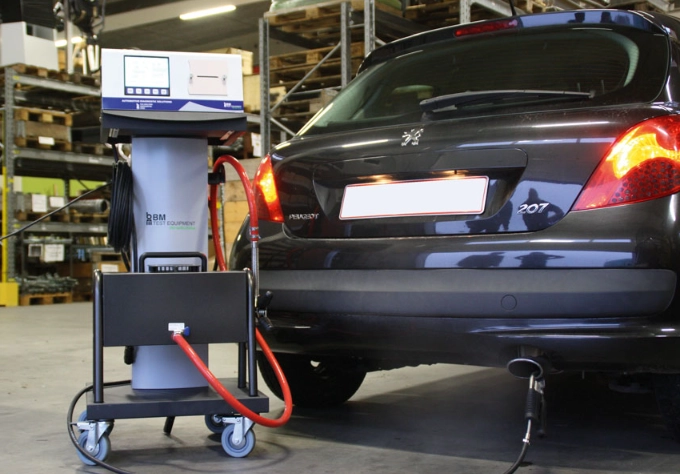
What Happens If You Fail? The "Time After" Nobody Talks About
Most guides stop after the pass/fail. But if you fail, the real clock starts ticking. Understanding this is crucial.
You'll get a report (VIR – Vehicle Inspection Report) detailing why you failed. Common reasons include that check engine light (for issues like a bad oxygen sensor or catalytic converter), faulty gas cap, or unready monitors.
My Experience: I once failed for an oxygen sensor in a beater truck I used to own. The test itself was fast, maybe 25 minutes. But then I had to: 1) Drive to a mechanic (20 min), 2) Wait for diagnosis and repair (they had to order the part – 2 days), 3) Go back for the retest (another 45 minutes). That "30-minute test" turned into a multi-day project. The point is, budget mental time for potential repairs.
The Retest Process & Time
After repairs, you need a retest. Good news: many states offer a free or discounted retest within a certain window (e.g., 30 days) if you go to the same station. You'll still have to wait in line again, though some facilities have dedicated retest lanes that are quicker.
The retest itself focuses on the problem area, so it might be even faster than the initial test. But you're still looking at that total trip time of 30-60 minutes, plus the repair time.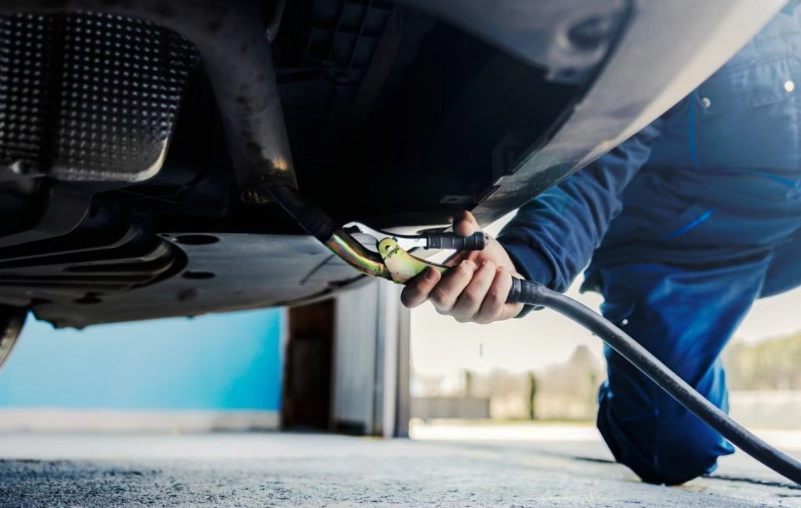
Special Cases & Nuances
Not every vehicle fits the standard mold. Here's how time plays out for other situations.
Electric Vehicles (EVs) and Emissions Tests
A common question emerging now. The answer is beautifully simple: Most pure Battery Electric Vehicles (BEVs) do not require an emissions test at all, as they have zero tailpipe emissions. If you drive a Tesla, Nissan Leaf, or similar, you can often skip this entire process, saving yourself all the time. However, you should always verify with your local DMV or air quality board, as registration requirements vary. Plug-in hybrids (PHEVs) usually do require testing, as they have a gasoline engine. The test for them is standard OBD-II, so the time is the same as a regular car.
New Cars & Waivers
Many states exempt new vehicles from testing for the first 2-4 years. Again, check your local rules. If your car is exempt, your "test time" is zero minutes spent at a station.
Answers to Your Burning Questions (FAQs)
The Bottom Line: Your Time-Smart Strategy
So, let's wrap this up with a game plan. To minimize the time you spend dealing with the question of how long an emissions test takes:
- Go Early (In the Month): Don't wait for the deadline. Aim for the middle of the month your registration is due.
- Go Off-Peak: Target a weekday mid-morning or mid-afternoon. Avoid Saturdays and month-ends.
- Prep Your Car: Drive it for 20+ minutes to get it hot. Ensure no check engine light. Tighten the gas cap.
- Bring Your Paperwork: Registration in hand.
- Plan for an Hour: Mentally block off 60 minutes for the entire round trip. If it's faster, it's a bonus.
- Check for Exemptions: See if your new car or EV is even required to test.
The physical act of testing is a brief inconvenience. The real investment is in the preparation and the waiting. With the right strategy, you can turn a potentially frustrating half-day into a manageable, predictable errand. Get it done, get your sticker, and forget about it for another two years.
And remember, if you're ever unsure about the specific requirements or test types in your area, always refer to your state's official DMV or environmental agency website. They have the final, authoritative word, which beats any blog post (even a thorough one like this). For a deeper dive into the technology and policy behind these tests, organizations like the International Council on Clean Transportation (ICCT) publish detailed research that shapes these very regulations.