That chunk of metal between your rear wheels (or in the middle of your 4x4) isn't just a solid piece. Inside, gears are spinning, grinding, and transferring power to your tires. They need lubrication. Forget about it, and you're looking at a repair bill that can easily hit $2,000. Differential fluid, often called gear oil, is the lifeblood of that system. This isn't just another fluid change to check off; it's critical preventative maintenance that most people ignore until it's too late.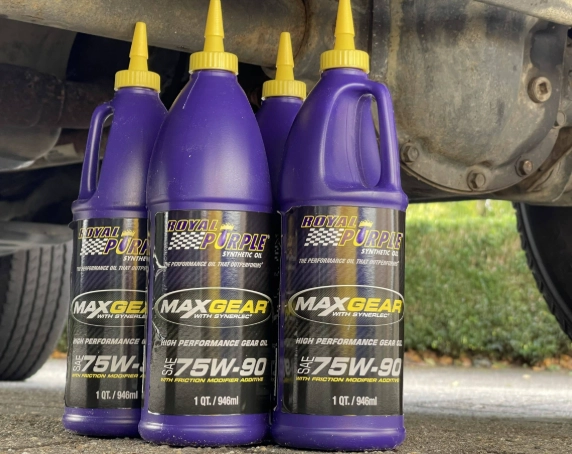
What You'll Learn Inside
What is Differential Fluid and Why Does It Matter?
Think of your differential as the middleman between your driveshaft and your wheels. It allows the wheels to rotate at different speeds when you turn. All that metal-on-metal contact generates heat and friction. Differential fluid, a thick gear oil, has one job: keep those gears cool and separated under extreme pressure.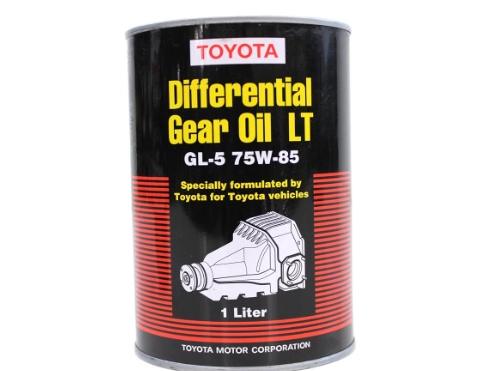
Here's the part most guides gloss over. It's not just oil. It's packed with extreme-pressure (EP) additives, usually containing sulfur and phosphorus. These additives form a sacrificial layer on the gear teeth, preventing them from welding together under the insane loads they experience. Without these additives, your gears would literally tear themselves apart.
There are different types for different diffs. An open differential in a sedan has different needs than a locking or limited-slip differential in a truck or performance car. Get it wrong, and you'll know soon enough from the noise.
When Should You Change Differential Fluid?
Open your owner's manual. Seriously, go get it. The manufacturer's recommendation is your starting point, usually between 30,000 and 60,000 miles for "normal" service.
But what's "normal"? If your driving matches any of these points, you are in the "severe" service category and should halve that interval:
- Towing a trailer, boat, or camper
- Frequent off-road driving (mud, sand, water crossings)
- Driving in prolonged stop-and-go traffic or extreme temperatures
- Short trips where the differential never fully warms up
I learned this the hard way with my own truck. I followed the 60,000-mile schedule while doing light towing. At 50,000 miles, the fluid that came out was dark, glittery with metal, and smelled like a burnt clutch. The mechanic said I was a few thousand miles away from a noisy failure.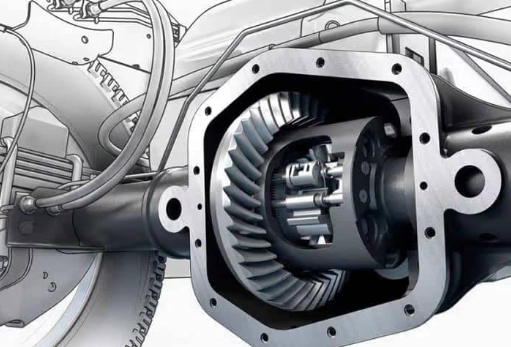
How to Check Your Differential Fluid
Most modern cars have sealed units, but many trucks and SUVs have a fill plug. To check:
- Park on a level surface and let the diff cool.
- Wipe clean the area around the fill plug (usually a square head or Allen bolt on the front or side of the housing).
- Remove the fill plug. The fluid level should be right at the bottom of the hole.
- Dip a clean screwdriver or finger in. Check the color and smell. New gear oil is usually amber or light brown and has a distinct, pungent smell. Old fluid is black or dark brown. If you see a milky consistency, you have water contamination. If it smells acrid and burnt, it's breaking down. If you see shiny metallic flakes on the plug's magnet, wear is happening.
If it's low, top it up with the correct fluid until it just starts to seep out of the fill hole.
Choosing the Right Differential Oil: A Buyer's Checklist
Walking into an auto parts store can be overwhelming. Here’s how to cut through the noise. Your decision hinges on three things: type, viscosity, and additives.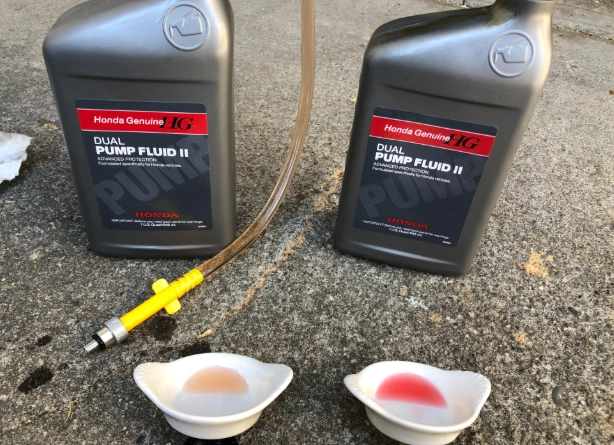
| Fluid Type | Best For | Key Spec to Look For | Notes |
|---|---|---|---|
| Conventional Mineral Gear Oil | Older vehicles, basic open differentials with mild use. | API GL-5 | The budget option. Adequate for standard driving but breaks down faster under heat. |
| Full Synthetic Gear Oil | Modern vehicles, high-performance cars, towing, off-roading, extreme temperatures. | API GL-5 (or specific OEM approval) | Handles heat much better, offers superior wear protection. Worth the extra cost for severe service. |
| Limited-Slip Differential (LSD) Fluid | Cars and trucks with clutch-type LSDs (e.g., many rear-wheel-drive performance cars, trucks). | API GL-5 plus mention of "Limited-Slip" or friction modifier compatibility. | Contains special friction modifiers to prevent LSD clutch chatter. Using regular oil can cause binding and noise during turns. |
Viscosity (e.g., 75W-90, 80W-140): This is the oil's thickness. The "W" stands for winter. 75W-90 is the most common. Thicker oils like 80W-140 are for heavy-duty towing or extreme heat. Always use the viscosity specified in your manual. Thicker isn't always better—it can cause drag and reduce fuel efficiency.
The Final Authority: Your owner's manual. It will state the exact specification, something like "API GL-5, 75W-90." For some luxury or performance brands (BMW, Mercedes, certain Fords), they require a specific OEM fluid. Ignoring this can void warranties and cause operational issues.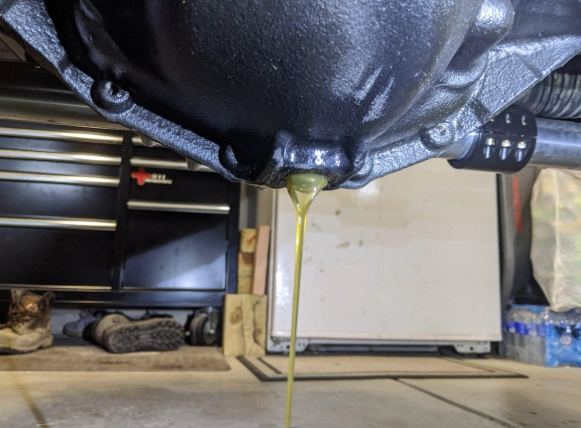
How to Change Differential Fluid: A Step-by-Step Guide
This is a messy but straightforward job. The satisfaction of seeing that old, nasty fluid drain out is pretty good. You'll need about an hour and some basic tools.
- Correct gear oil (check capacity in manual, usually 2-3 quarts)
- Socket set, ratchet, and extensions (sizes for your drain/fill plugs)
- Fluid transfer pump (the hand-pump type is essential)
- Drain pan (wider than you think – it splashes)
- Gloves and safety glasses
- Jack and jack stands (or ramps) – vehicle MUST be level
- Funnel
- Shop towels/rags
The Step-by-Step Process
1. Prep and Safety: Drive the car for 10 minutes to warm the fluid slightly (it drains easier). Park on a level surface, apply parking brake, and chock the front wheels. Lift the rear end securely on jack stands. This is non-negotiable.
2. Locate the Plugs: Find the differential housing. There will be a drain plug at the bottom and a fill plug halfway up the side or on the front. Critical step: Try to loosen the fill plug first. I've seen people drain the fluid only to find the fill plug seized, leaving them with an empty diff and no way to refill it. Avoid that panic.
3. Drain the Old Fluid: Place the drain pan underneath. Loosen the drain plug, then unscrew it by hand the last few turns, pushing it away quickly as fluid rushes out. Let it drain completely.
4. Inspect and Clean: Wipe the magnetic drain plug clean of any metal sludge. This tells you a story about internal health. A little fine fuzz is normal. Large chunks or shavings are a red flag. Clean the plug threads and the drain hole, then reinstall the drain plug tightly.
5. Pump in the New Fluid: This is where the pump earns its keep. Insert the pump tube into your new gear oil bottle. Thread the pump's nozzle into the fill hole. Pump until clean fluid begins to seep out of the fill hole. Wait a moment for it to settle, then add a tiny bit more until it's exactly level with the bottom of the hole.
6. Final Steps: Reinstall and tighten the fill plug. Lower the vehicle. Start the engine and drive slowly around the block, making a few gentle turns. Check for leaks around the plugs. You're done.
Diagnosing Common Differential Problems
Sometimes, a fluid change is preventative. Sometimes, it's a diagnostic step. Here’s how to connect the dots between symptoms and causes.
The Whine or Howl: A constant whining noise that changes pitch with speed is the classic sign of worn gears, often from old or low fluid. It usually starts faint and gets louder. If the noise changes when you let off the throttle versus accelerating, it points to specific gear wear patterns.
Clunking or Chattering on Turns: This is a hallmark of a limited-slip differential with the wrong fluid (lacking friction modifiers) or worn clutch packs. The clutches can't engage smoothly, causing the inside wheel to bind and release.
Leaking Fluid: Look for thick, dark oil on the inside of your rear wheels or a puddle under the center of the axle. Common leak points are the drain/fill plugs, the pinion seal (where the driveshaft connects), or the axle seals. A small seep might be okay for a while, but a drip needs fixing soon to prevent fluid loss.
Vibration: A worn differential can cause a humming vibration felt through the floorboard or seat, often confused with a tire or driveshaft issue.
If you experience any of these, a fluid change might help if caught early. If the noise persists after fresh fluid, the damage is likely done, and internal repair is needed.
Your Differential Fluid Questions, Answered
How often should I change my differential fluid?
Can I use transmission fluid in my differential?
What are the symptoms of bad or low differential fluid?
Is it difficult to change differential fluid yourself?