Quick Navigation
- Wait, What Does This Belt Even Do?
- The Top Symptoms of a Failing Serpentine Belt
- How to Check Your Serpentine Belt Yourself (The 2-Minute Inspection)
- What Happens if You Ignore the Symptoms?
- Serpentine Belt Replacement: Cost & DIY vs. Professional
- Common Questions People Ask (That Other Guides Skip)
- A Quick Symptom Summary Table
Let's talk about that one car noise everyone dreads. You know the one. It's a high-pitched squeal that seems to come from under the hood, usually when you start the car or turn the steering wheel. Your first thought might be, "What on earth is that?" More often than not, you're hearing the classic cry for help from a worn-out serpentine belt.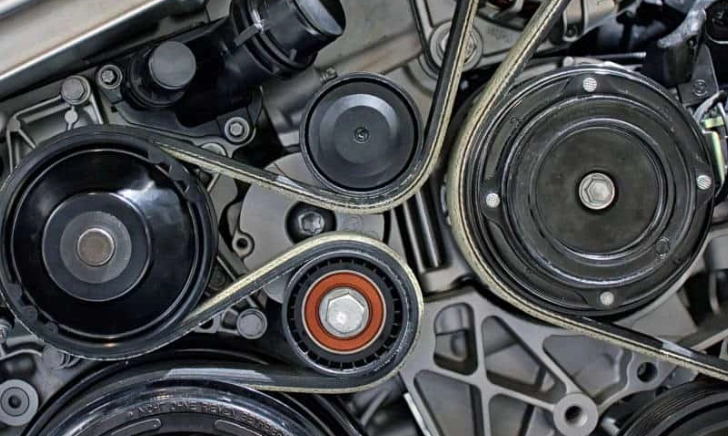
I remember the first time I heard it in my old sedan. I ignored it for a week, thinking it was just the cold morning air. Big mistake. That ignorance led to a dead battery and a very expensive tow truck ride. So, let's not do that. Let's figure out what are the symptoms of a bad serpentine belt together, before your car decides to teach you a costly lesson.
The Bottom Line Up Front: The serpentine belt is a single, long, snaking belt that powers almost every critical accessory in your engine. If it fails, your battery won't charge, your power steering goes heavy, your air conditioning stops, and your engine can overheat. Knowing the symptoms early is the difference between a simple $150 fix and a $1000+ repair bill.
Wait, What Does This Belt Even Do?
Before we jump into the bad stuff, let's get our bearings. The serpentine belt (sometimes called a drive belt or accessory belt) is a workhorse. It's a single, continuous rubber belt with grooves on one side that winds its way around several pulleys connected to your engine's front.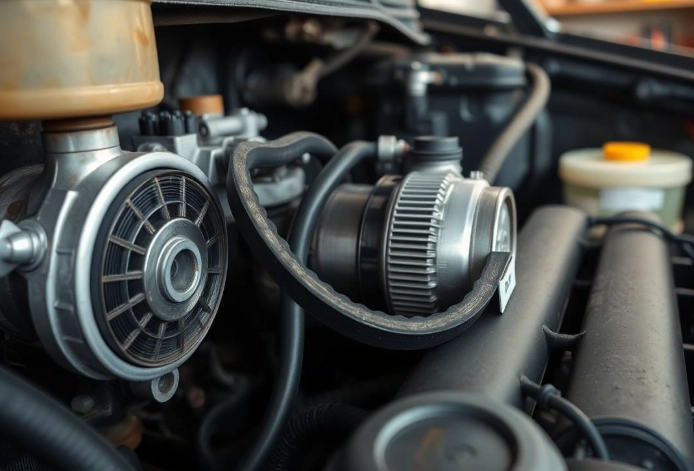
Think of it as the main power transmission cable for your car's accessories. It's driven by the engine's crankshaft pulley and, in turn, spins the pulleys for:
- The alternator (charges the battery)
- The power steering pump (makes steering easy)
- The air conditioning compressor (blows cold air)
- The water pump (circulates coolant to prevent overheating)
- Sometimes, the air pump or other accessories
No belt, no spin. No spin, no function. It's that simple, and that critical. The Society of Automotive Engineers (SAE) has tons of technical papers on belt design and standards, which just goes to show how engineered this simple-looking part is. You can dig into the material science of it on the SAE website if you're curious.
The Top Symptoms of a Failing Serpentine Belt
Okay, down to business. These signs don't always appear in order, and sometimes you might only get one. But if you notice any of these, it's time to pop the hood.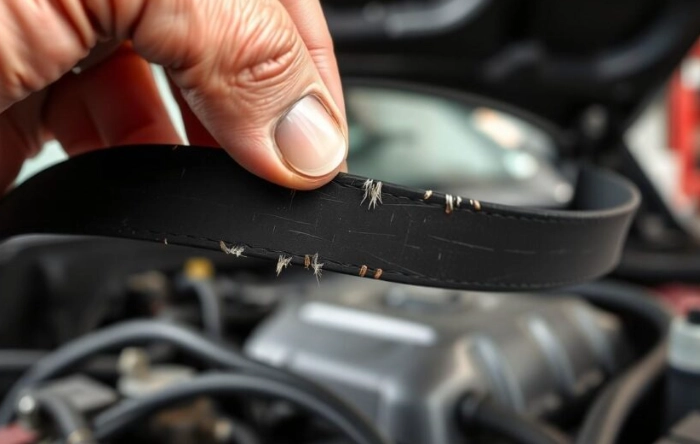
1. That God-awful Squealing or Squeaking Noise
This is the superstar, the most common symptom by far. It's a sharp, high-pitched sound that usually happens:
- On a cold start: The rubber is stiff and can't grip the pulleys properly.
- When turning the steering wheel: This puts a heavy load on the power steering pump, which the belt struggles to turn.
- When turning on the A/C: The compressor clutch engages, adding another heavy load.
- During acceleration: The engine revs faster, and a glazed or loose belt will slip.
The noise is caused by the belt slipping on a pulley. The grooves on the belt aren't meshing with the grooves on the pulley, so it's just rubber screeching against metal. Sometimes it's because the belt is loose (a tensioner issue), but more often, the belt itself is worn smooth, glazed, or contaminated with oil or coolant.
A quick squirt of belt dressing might quiet it down temporarily, but that's just a band-aid. It doesn't fix the underlying wear.
2. Visible Cracks, Fraying, or Glazing on the Belt
This is the visual check. When your car is off and cool, locate the belt. It's usually right at the front of the engine. Look closely at the ribbed side (the side with grooves).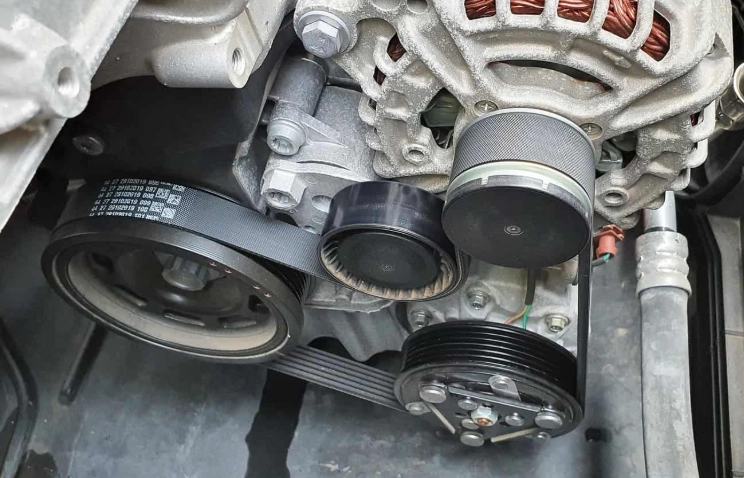
What to look for:
- Cracks in the ribs: Small, hairline cracks across the grooves are normal with age. But if you see chunks missing, deep cracks, or the cracks are all over multiple ribs, it's time. The old "three cracks per inch" rule is a decent guideline, but honestly, if it looks dry and cracked, don't push your luck.
- Fraying or chunks missing: This is a red alert. The belt's internal cords are showing, or pieces have torn off. It could snap at any moment.
- Glazing: The ribs look shiny and smooth, like they've been polished. This means the belt has been slipping and overheating, losing its grip.
- Contamination: Is the belt soaked in oil, grease, or coolant? Fluids eat rubber. Even if it looks okay, the material is compromised.
3. Power Steering Becomes Stiff or Heavy
This one can sneak up on you. You might notice it's a bit harder to parallel park or turn the wheel at low speeds. If the belt is slipping badly on the power steering pump pulley, it's not spinning the pump fast enough to build proper hydraulic pressure. The result is steering that feels old-school—muscle required.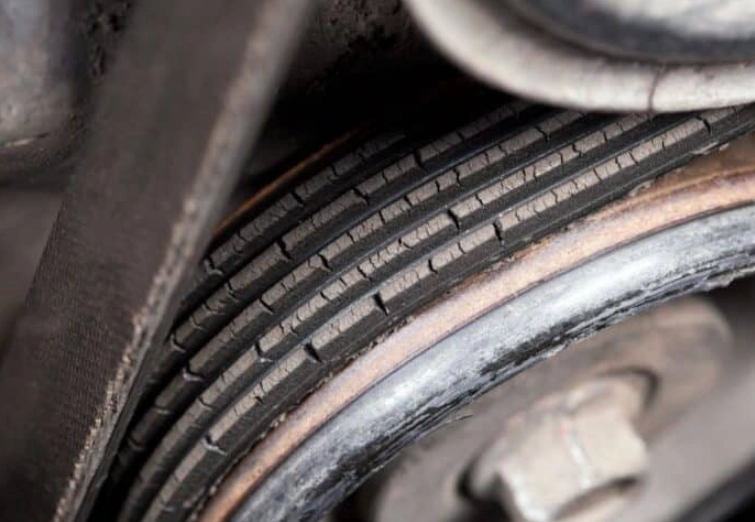
Now, this could also be a failing power steering pump or low fluid, but a bad belt is a common and cheaper culprit to check first.
4. The Battery Warning Light Comes On
This is a serious one. If your alternator isn't spinning properly because the belt is slipping or broken, it's not generating electricity. Your car starts running solely on battery power, which drains quickly. The dashboard battery light will illuminate to tell you the charging system has failed.
If you see this light and hear squealing, the belt is suspect #1. Driving like this will leave you stranded with a dead battery very soon.
5. Air Conditioning Stops Blowing Cold Air
You turn on the A/C and get lukewarm or ambient air. The A/C compressor clutch needs the belt to spin it. If the belt is broken or slipping too much, the clutch can't engage or spin fast enough to compress the refrigerant. No compression, no cooling.
6. Engine Overheating
This is the most dangerous symptom. The water pump is responsible for circulating coolant through the engine block and radiator. Guess what drives it? Yep, the serpentine belt. If the belt fails, the water pump stops. Coolant stops moving, heat builds up, and your engine temperature gauge will climb into the red zone frighteningly fast.
STOP IMMEDIATELY if your temperature gauge goes into the red. Driving an overheating engine for even a few minutes can cause catastrophic damage—warped cylinder heads, blown head gaskets, seized pistons. The repair bill jumps from hundreds to thousands of dollars. The National Highway Traffic Safety Administration (NHTSA) lists cooling system failure as a contributing factor in many roadside breakdowns. It's no joke.
7. A Loud Slapping or Thumping Sound
This is different from a squeal. It's a rhythmic *thwap-thwap-thwap* sound that increases with engine speed. This usually means a chunk has torn off the belt, or it's so loose it's flopping around and hitting other parts of the engine bay. It's a final warning before a complete break.
How to Check Your Serpentine Belt Yourself (The 2-Minute Inspection)
Don't be intimidated. You don't need to be a mechanic for this.
- Park on a level surface, turn the engine OFF, and let it cool. Safety first.
- Open the hood and locate the belt. It's a long, black, ribbed belt snaking around several pulleys at the front/side of the engine. Consult your owner's manual for a diagram if you're lost.
- Do the visual check. Look for the cracks, fraying, glazing, and contamination we talked about above. Use a flashlight.
- Check the tension (the push test). Find the longest straight run of the belt between two pulleys. Press down on the belt firmly with your thumb. It should deflect (move) about 1/2 inch (13 mm). If it moves more than an inch, it's way too loose. If it doesn't budge, it might be too tight (less common). A loose belt is a slipping belt.
Pro Tip: While you're in there, spin the idler pulley and tensioner pulley by hand (when the engine is off!). They should spin smoothly with little to no noise. A grinding or rumbling bearing in one of these pulleys can also cause belt misalignment and wear, mimicking belt symptoms.
What Happens if You Ignore the Symptoms?
Let's be real. We all procrastinate. But this is one area where it's a terrible gamble. The belt doesn't just "get a little worse." It fails. And when it fails completely, everything it powers stops instantly.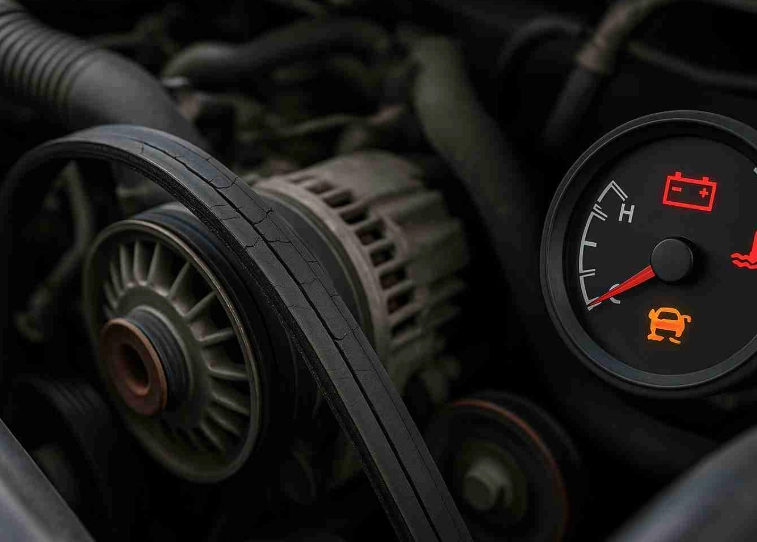
You'll lose power steering immediately, which can be dangerous in a tight maneuver. Your battery light will come on, and you have maybe 20 minutes of drive time before the battery is dead and the car shuts off. Most critically, your engine will start overheating within a minute or two in traffic.
I've seen the aftermath. A friend ignored a squeal until the belt snapped on the highway. The sudden loss of the water pump caused the engine to overheat before he could safely pull over. The result? A cracked cylinder head. The belt replacement was $200. The engine repair was over $3,000. The math is painfully simple.
Serpentine Belt Replacement: Cost & DIY vs. Professional
So, you've diagnosed a bad belt. What's next?
Cost Breakdown
The cost has two parts: the part and the labor.
- The Belt Itself: A quality aftermarket belt (Gates, Dayco, Continental) typically costs between $30 and $80. OEM (from the car dealer) will be more, maybe $80-$150.
- Labor: This varies wildly. On most common cars, it's a 0.5 to 1.5-hour job. At a shop rate of $100-$150/hour, you're looking at $50-$225 in labor.
Total Professional Replacement Cost: A fair ballpark is $150 to $300 for most standard vehicles. Luxury or exotic cars with complicated engine access can be much more.
What often happens: Mechanics will usually recommend replacing the belt tensioner and idler pulleys at the same time, especially if the car has high mileage (over 80,000 miles). These are wear items too. A failing tensioner will kill a new belt quickly. This "kit" adds $100-$250 to the parts cost but is often very smart preventive maintenance.
Can You Do It Yourself?
Maybe. It's often considered a moderate DIY job. The challenge isn't the belt routing (there's usually a diagram under the hood), it's access and leverage.
You need basic socket wrenches and a breaker bar or special tool to relieve tension on the belt tensioner. The tensioner is a spring-loaded pulley that keeps the belt tight. You have to pivot it to slacken the belt. On some cars, this is easy. On others, the tensioner is buried behind other components, or you need to remove a motor mount and jack up the engine slightly to get to it. Not fun in your driveway.
My advice? Search on YouTube for "[Your Car Year, Make, Model] serpentine belt replacement." Watch the video. If it looks like the person is just moving a few plastic covers and turning one bolt, you can probably handle it. If the video involves removing the wheel, the inner fender liner, and a motor mount, pay the professional. It's worth it.
Common Questions People Ask (That Other Guides Skip)
A Quick Symptom Summary Table
| Symptom | What's Happening | Urgency Level |
|---|---|---|
| Squealing/Squeaking Noise | Belt slipping on pulleys due to wear, glazing, or low tension. | High - Schedule repair soon. |
| Visible Cracks, Fraying, Glazing | Physical deterioration of the rubber belt material. | High - Replace as soon as possible. |
| Stiff Power Steering | Belt not spinning power steering pump effectively. | Medium-High - Address quickly for safety. |
| Battery Warning Light | Alternator not charging due to belt slip or break. | Very High - You will be stranded soon. |
| A/C Not Cooling | A/C compressor not engaged/spinning. | Medium - An inconvenience, but not immediately critical. |
| Engine Overheating | Water pump has stopped circulating coolant. | STOP IMMEDIATELY - Catastrophic engine damage risk. |
| Slapping/Thumping Noise | Belt is loose, damaged, or a chunk is missing. | Very High - Imminent failure. |
Look, cars are complicated, but some things are straightforward. Figuring out what are the symptoms of a bad serpentine belt is one of those things. It's about listening to your car and taking a quick peek under the hood now and then. That squeal isn't just an annoying sound; it's your car's way of asking for a relatively cheap fix before it turns into a very expensive problem.
Ignoring it is a bet where the odds are heavily stacked against you. Get it checked, get it replaced if needed, and enjoy the quiet, smooth operation of a car that's not about to leave you on the side of the road. Trust me, your wallet (and your future self) will thank you.