What You'll Find Here
- Why Do Car Accidents Happen? Breaking Down the Usual Suspects
- Your Action Plan: What to Do Immediately After a Car Accident
- Navigating the Aftermath: Insurance, Lawyers, and Your Health
- Prevention is Power: How to Drastically Lower Your Risk
- Your Car Accident Questions, Answered
- The Long Road: Emotional and Physical Recovery
Let's be honest, nobody gets behind the wheel thinking they're going to be in a crash today. We all have that feeling of invincibility, that "it won't happen to me" mentality. I used to be the same way. But after seeing a close friend go through the physical and emotional wringer following a pretty serious rear-end collision, my perspective shifted completely. It's not just about the bent metal; it's about the lingering whiplash, the insurance headaches that dragged on for months, and the anxiety he felt every time he approached an intersection afterward.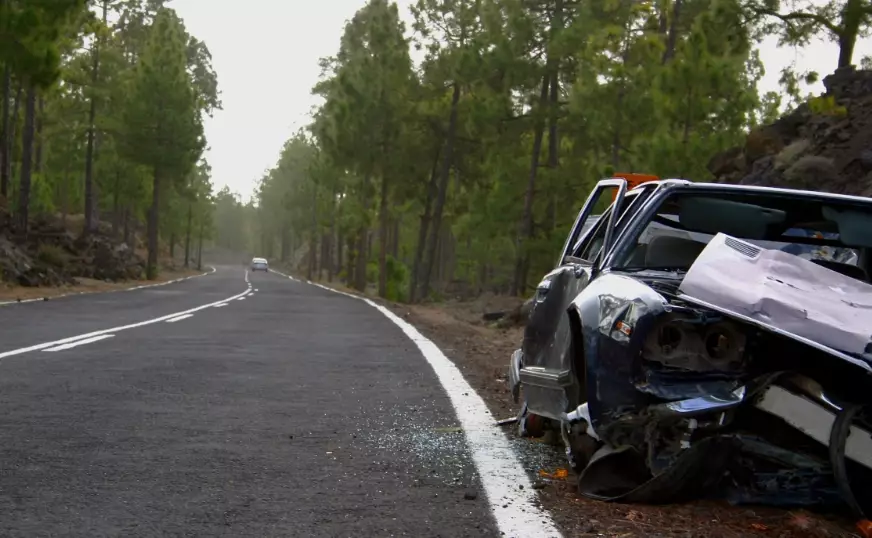
That's why I wanted to put this guide together. It's not a dry, technical manual. Think of it as a conversation with someone who's spent too much time researching this stuff and talking to people who've been through it. We're going to walk through the whole messy journey of car accidents—from the common reasons they happen (some might surprise you), to the crucial steps you need to take in the chaotic moments after impact, all the way to dealing with insurance companies and finding your way back to normal driving again.
Because knowing what to do can make a world of difference.
Why Do Car Accidents Happen? Breaking Down the Usual Suspects
If you want to avoid car accidents, you first have to understand what causes them. It's rarely just "bad luck." There's almost always a specific, preventable behavior at the root of it. The data from sources like the National Highway Traffic Safety Administration (NHTSA) paints a very clear, and frankly, frustrating picture.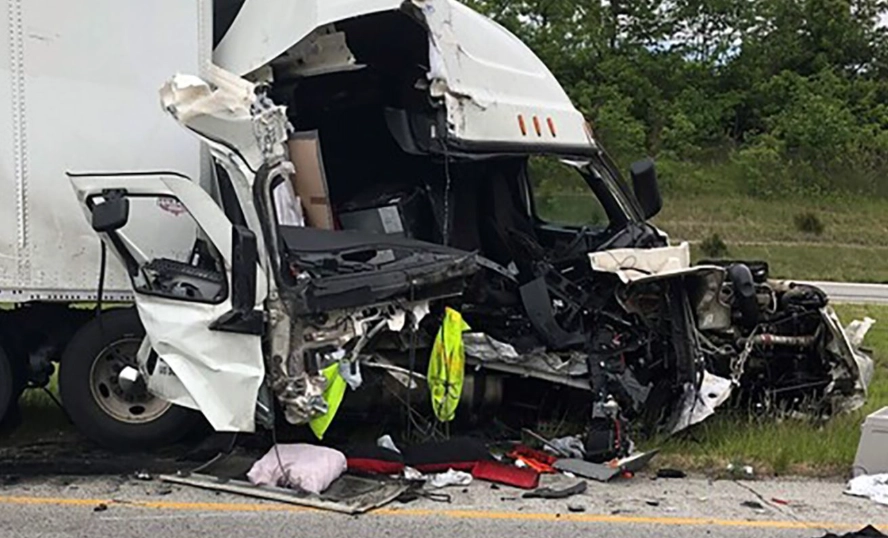
The top causes aren't secrets. They're choices we make, or conditions we ignore.
The Big One: Distracted Driving
This is the monster in the room. It's not just texting anymore, though that's still a huge part of it. It's scrolling through playlists, checking notifications, using in-car touchscreens, even eating a messy burger. Your brain simply cannot focus on two complex tasks at once. When you look down at your phone for just five seconds while going 55 mph, you've traveled the length of a football field completely blindfolded.
Driving Under the Influence
It goes without saying, but it still needs saying. Alcohol, cannabis, certain prescription medications—they all impair your reaction time, judgment, and coordination. The legal limits are there for a reason, but even being "buzzed" is dangerous. The CDC has tons of sobering statistics on this. There's just no excuse with ride-sharing apps available at our fingertips.
Speed, and Not Just the Obvious Kind
Yes, speeding down the highway is a major cause of fatal car accidents. But it's also about driving too fast for the conditions. A speed limit of 45 mph might be safe on a dry, sunny afternoon, but it's recklessly fast during a heavy downpour, in dense fog, or on an icy road. Your stopping distance increases dramatically, and your control evaporates.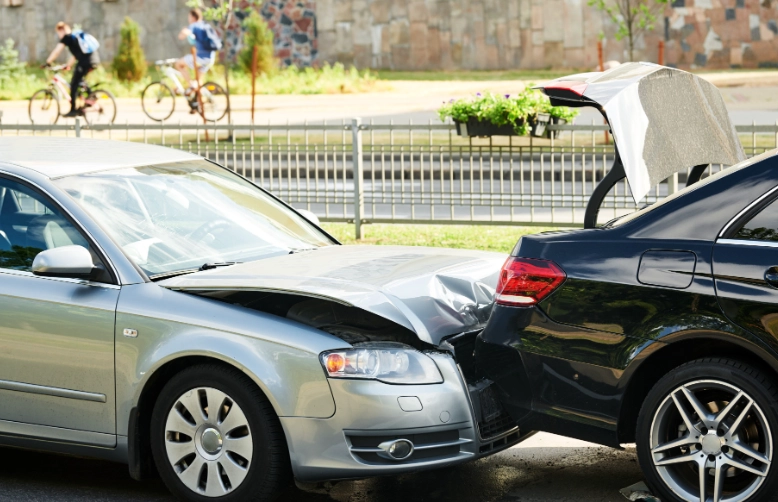
Aggressive Driving & Road Rage
Tailgating, weaving in and out of lanes, running red lights, angry gesturing—this kind of behavior turns a vehicle into a weapon. It's impatience boiled over into aggression. I find that leaving just 10 minutes earlier for appointments completely removes the temptation to drive aggressively. You're not in a hurry, so you don't mind letting someone merge.
The Often-Forgotten Factor: Drowsy Driving
This one is sneaky. The NHTSA compares drowsy driving to drunk driving in terms of impairment. Your eyelids get heavy, your attention drifts, and you might even experience micro-sleeps—brief moments where you fall asleep without realizing it. Driving late at night, after a long work shift, or on a monotonous highway are prime scenarios for drowsy driving crashes.
To make this clearer, here's a breakdown of how these factors often play out:
| Cause of Accident | What It Looks Like | Typical Outcome |
|---|---|---|
| Distracted Driving | Driver looking at phone, head down. Car drifts out of lane or fails to stop. | Rear-end collisions, sideswipes, running off the road. |
| Speeding (for conditions) | Car going too fast on a wet curve or in heavy traffic. | Loss of control, spin-outs, multi-vehicle pile-ups. |
| Failure to Yield | Driver runs a stop sign or turns left in front of oncoming traffic. | T-bone collisions, often at intersections. |
| Drunk/Drugged Driving | Erratic speed, swerving, delayed reactions to traffic signals. | High-impact, often head-on or off-road crashes. |
| Aggressive Driving | Tailgating, unsafe lane changes. | Chain-reaction rear-end accidents or sideswipe collisions. |
Your Action Plan: What to Do Immediately After a Car Accident
Okay, let's talk about the moment everyone dreads. That sickening crunch. The airbag smell. The adrenaline spike. Your mind goes blank. This is why having a mental checklist is so powerful—it gives your panicked brain a script to follow.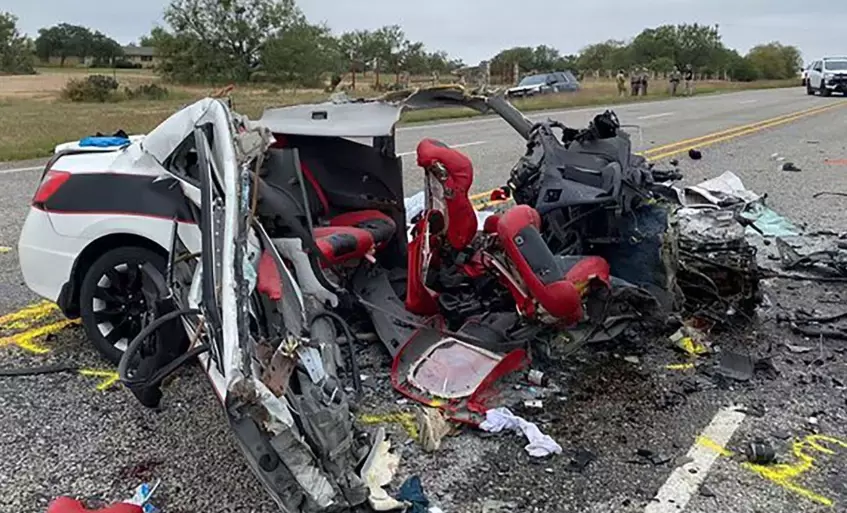
First 60 Seconds: Don't just jump out. Take a breath. Check yourself for pain. Can you move? Check your passengers. If the cars are driveable and you're in the middle of traffic, turn on your hazard lights. If it's serious, if there's smoke, or if you're in a dangerous spot (like a blind curve), and you can move, get yourself and others to the side of the road, behind a barrier if possible.
Call 911. Even for a fender-bender. You need an official police report. It's the single most important piece of paper for your insurance claim. Tell the dispatcher the location, if anyone is hurt, and the number of vehicles involved.
Never admit fault at the scene. Not to the other driver, not to the police in a definitive way.
Stick to the facts: "I was heading north, the light turned green, and I proceeded. The other car came from my left." Let the evidence and the insurance companies figure out liability.
The Information Exchange (And What to Collect)
Once everyone is safe, exchange info. Use your phone camera for everything. It's faster and more accurate than scribbling on a napkin.
- Driver & Vehicle Info: Name, license number, address, phone number. Make, model, year, color, and license plate of all vehicles involved.
- Insurance Details: Company name and policy number. Snap a picture of their insurance card if you can.
- Police Report: Get the officer's name, badge number, and the report number. Ask when and how you can obtain a copy.
- Witnesses: If anyone stops, get their name and contact info. Their unbiased account can be gold later.
Document the Scene Like a Pro
This is where most people are too flustered to do a good job. Take a systematic series of photos and videos.
- Wide shots showing the positions of all cars relative to the intersection, lane markings, or traffic signs.
- Close-ups of all damage to every vehicle involved, from multiple angles.
- Skid marks, debris on the road, traffic light colors (if you can safely capture them).
- Any relevant road conditions—potholes, obscured signs, weather conditions.
- Injuries, however minor (a cut on your hand, a bruise on your knee).
I can't stress this enough. The memory of the accident will fade and change. These photos are your objective truth.
Navigating the Aftermath: Insurance, Lawyers, and Your Health
The crash itself is just the beginning. The following days and weeks are a maze of phone calls, paperwork, and decisions. This is where people feel most overwhelmed.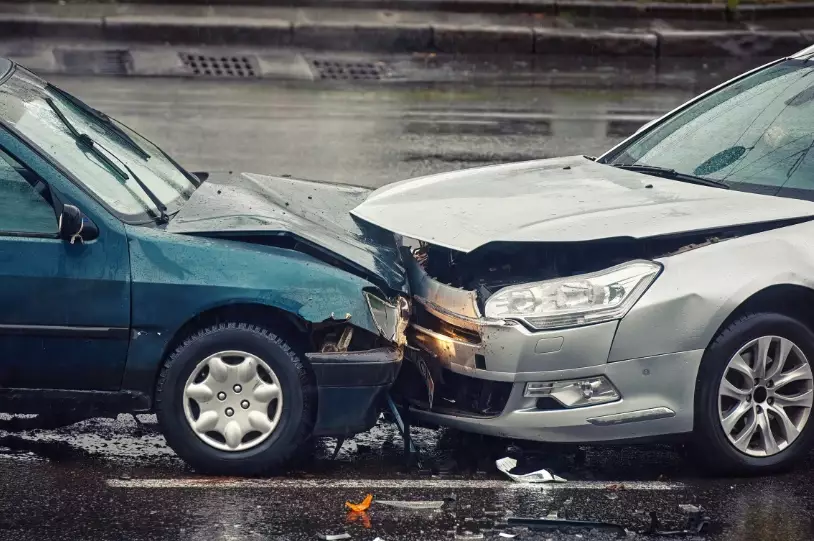
Dealing with the Insurance Company (Yours and Theirs)
Notify your own insurance company as soon as possible, even if the accident seems minor and you think the other driver is at fault. Check your policy—you often have a contractual obligation to report it. Be factual and concise in your statement.
Be very cautious with recorded statements for the *other* driver's insurance company. Their job is to minimize what their company pays. You are not required to give them one immediately. It's perfectly okay to say, "I'm still gathering information and will have my representative contact you." Your representative could be your own insurance agent or an attorney.
When Should You Consider a Lawyer?
This is a big question. For a minor bumper tap with zero injuries and clear liability, you probably don't need one. But here are the bright red flags that scream "get a consultation":
- You or your passengers are injured, even if it's just stiffness and soreness the next day (that's how whiplash often starts).
- The accident was severe, involving significant vehicle damage.
- Liability is disputed—the other driver is telling a different story.
- The other driver is uninsured or underinsured.
- The insurance company is denying your claim or offering a settlement that seems too low to cover your repairs and rental car.
The Medical Side: Don't Tough It Out
Adrenaline is a powerful painkiller. You might feel "fine" at the scene, only to wake up the next morning unable to turn your head. Always get a medical evaluation after an accident. Go to the ER, an urgent care, or see your doctor. This does two critical things: 1) It ensures you get proper treatment, and 2) It creates a medical record that directly links your injuries to the car accident. A gap in treatment is the first thing an insurance adjuster will use to argue your injuries aren't serious.
Follow your doctor's advice. Go to physical therapy if it's prescribed. Keep a simple journal noting your pain levels, what activities are difficult, and how the injury affects your daily life and sleep. This personal account is powerful evidence of your recovery journey.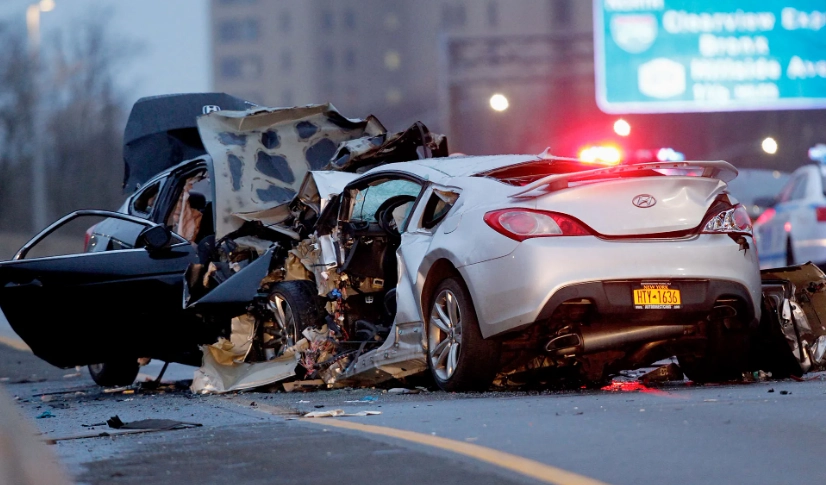
Prevention is Power: How to Drastically Lower Your Risk
All this talk about what happens after a crash can feel heavy. Let's flip the script. What can you actively do to avoid being in one in the first place? This is the most empowering part.
Become a Defensive Driving Master. This isn't about driving slowly; it's about driving awarely. Constantly scan the road 10-15 seconds ahead. Check your mirrors every 5-8 seconds. Assume other drivers might make a mistake. Look at the wheels of a car in an adjacent lane—if they start to turn, they're probably coming over, even if their blinker isn't on. The National Safety Council has great resources on defensive driving principles.
Make Your Car a Phone-Free Zone. Seriously. Before you start the car, put your phone in the trunk, the glove box, or the back seat. Use your phone's driving mode to auto-respond to texts. If you need navigation, set it up before you move.
Maintain Your Vehicle. Bald tires won't grip in the rain. Worn brake pads increase stopping distance. A burnt-out taillight makes you invisible from behind. Simple, regular checks are a cheap form of insurance.
Adjust for Conditions. Rain, fog, snow, darkness—they all demand slower speeds, greater following distance, and full headlight use (not just daytime running lights).
Never Drive Drowsy. If you feel tired, get off the road. Drink caffeine, take a 20-minute nap at a rest stop, or just call it a night. It's not worth the risk.
Your Car Accident Questions, Answered
What if the accident was my fault?
First, stay calm. Do not admit fault at the scene, but do cooperate with the police and exchange information. Report it to your insurance company immediately. Your liability coverage is designed for this. Your rates will likely go up, but that's why you have insurance—to handle the financial burden for the other party's repairs and medical bills. Be honest with your insurer about what happened.
What if the other driver doesn't have insurance?
This is a nightmare scenario, but that's why you have Uninsured/Underinsured Motorist (UM/UIM) coverage on your own policy. It's not always mandatory, but it's some of the most important coverage you can buy. It steps in to cover your injuries and sometimes vehicle damage if the at-fault driver has no insurance or not enough. Check your policy to see if you have it.
How long do I have to file a claim or lawsuit?
This is governed by your state's statute of limitations. It's a strict deadline. For property damage, it might be a few years. For personal injury, it's often 1-3 years from the date of the accident. This is a critical legal timeline. Do not wait until the last minute. The complexity of investigating an accident means you need to start the process well before the deadline.
My neck hurts but the insurance company says it's a "soft tissue" injury and won't pay much. What can I do?
This is the most common fight. Insurance companies often downplay soft tissue injuries (like whiplash, sprains, strains) because they don't show up on an X-ray. This is where documentation is key: consistent medical treatment, a doctor's diagnosis, physical therapy notes, and your own pain journal. An attorney is particularly helpful here to argue the true impact of the injury on your life and to counter the insurance company's playbook.
Can I get a rental car while mine is being fixed?
Yes, typically. If the other driver is at fault, their property damage liability should pay for a comparable rental. If you're at fault, you'll need to have rental reimbursement coverage on your own policy to get one covered. Check with your adjuster for the daily limit and total number of days allowed.
The Long Road: Emotional and Physical Recovery
The final piece that often gets ignored is the emotional toll. Car accidents are traumatic events. It's normal to feel anxious, jumpy, or afraid to drive again, especially where the accident happened. Some people develop a form of post-traumatic stress.
Talk about it. With friends, family, or a professional counselor. Don't bottle it up. Start driving again in small, low-stress steps—short trips in daylight, with a trusted passenger. Gradually rebuild your confidence.
Physically, listen to your body. Recovery from even minor injuries takes time. Don't rush back to full activity because you feel pressured. The goal is to heal completely, not just quickly.
Look, car accidents are chaotic, stressful, and often life-disrupting. But they're also a stark reminder of the responsibility we take on when we drive. By understanding the causes, having a clear plan for the aftermath, and adopting proactive, defensive habits on the road, you take back a huge amount of control. You become a safer driver, a more prepared individual, and you're in a much stronger position to protect yourself and your loved ones if the unexpected ever does happen.
Drive safe out there.