Quick Navigation
- What Exactly Does Roadside Assistance Cover? (The Real List)
- Who's Offering Roadside Help? A Clear Breakdown
- How to Pick the Best Plan for You (No Upselling, I Promise)
- Your Roadside Assistance FAQ (Real Questions, Real Answers)
- The Future of Getting Help: Apps and Connected Cars
- Final Thoughts: Is It Worth It?
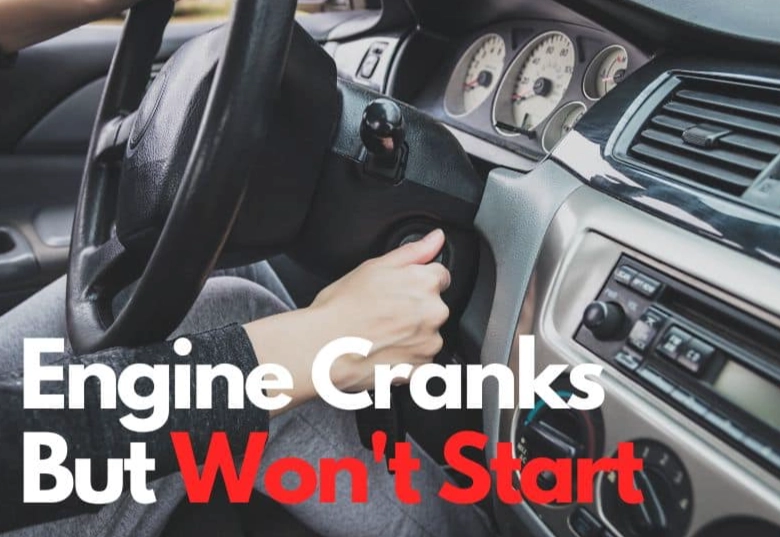
Let's be honest, we've all been there. You're running late, you jump in the car, turn the key... and nothing. Just a sad little clicking sound. Or maybe you're on a highway at night and you hear that dreaded thump-thump-thump of a flat tire. Your heart sinks. Now what? This is the exact moment the idea of having roadside assistance goes from being a "maybe nice to have" to an "oh my goodness I need this right now" essential.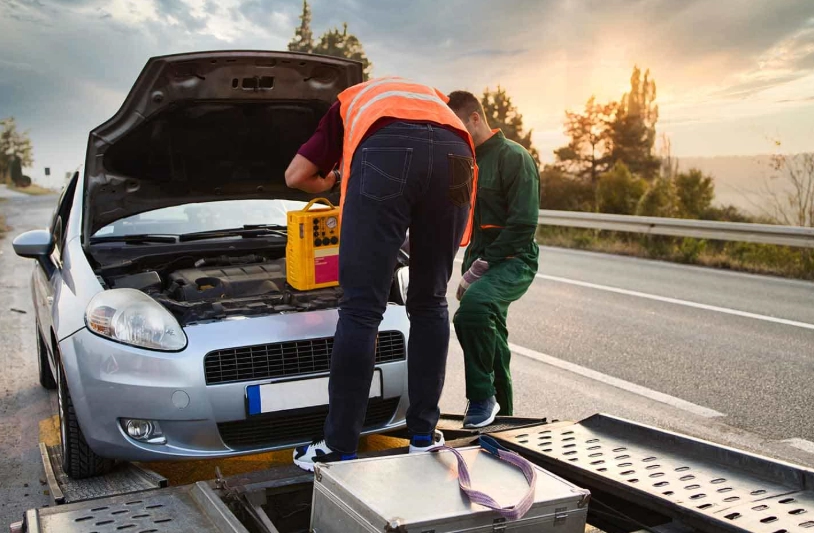
But here's the thing most blogs don't tell you: not all roadside assistance is created equal. I learned this the hard way a few winters ago when my old sedan decided to give up the ghost in a supermarket parking lot during a snowstorm. The membership card in my wallet gave me a false sense of security. The reality was a 3-hour wait for a tow truck that was only covered for 5 miles. I ended up paying over $150 out of pocket for the extra distance to a mechanic I trusted. It was a miserable experience that taught me to look past the marketing.
So, is it worth it? Absolutely. But you need to know what you're buying. This guide is going to strip away the fluff and give you the straight talk on what roadside assistance really covers, who offers the best service (and who to avoid), and how to make sure you're never left stranded and overcharged. We're talking about real peace of mind here, not just a checkbox on your insurance form.
What Exactly Does Roadside Assistance Cover? (The Real List)
When you see "24/7 roadside assistance" advertised, it sounds like a magic wand for car trouble. The reality is a specific menu of services. Understanding each one is crucial because this is where providers get sneaky with limits.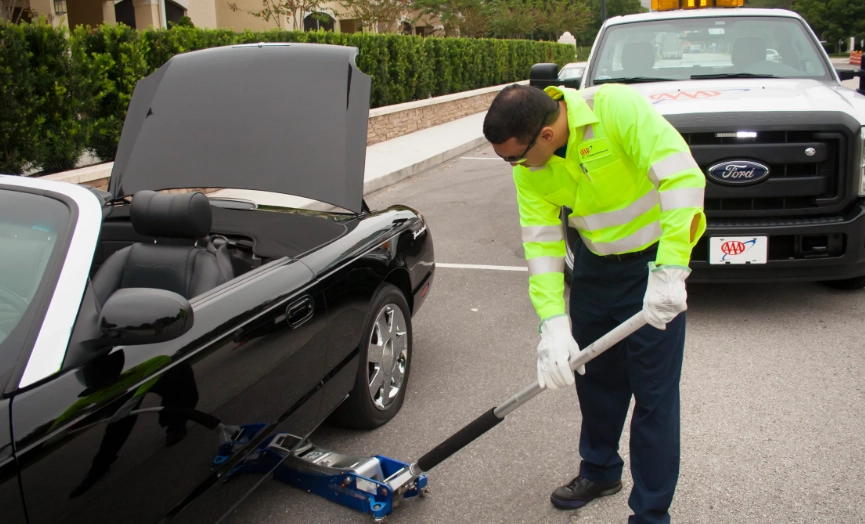
The Core Services You Can Count On
These are the standard offerings you'll find from almost any reputable provider. Think of them as the basics.
- Towing: This is the big one. Your car won't move, so they move it for you. But here's the critical question: how far? Standard plans often offer tows to the nearest qualified repair facility. The distance is key—common limits are 3, 5, 10, 25, or 100 miles. If your trusted mechanic is 15 miles away and you have a 5-mile plan, you're paying the difference. I always recommend opting for a plan with at least a 25-mile tow; it covers most urban and suburban scenarios.
- Battery Jump-Starts: A dead battery is the single most common call for roadside assistance. A service vehicle will come, connect cables, and get your car started. Simple, right? Usually. But if your battery is truly dead and won't hold a charge, they won't replace it. They just get you going so you can drive to a shop.
- Flat Tire Service: If you have a spare tire (don't get me started on cars that come without spares these days), the service technician will put it on for you. If you don't have a usable spare, you're looking at a tow. They typically won't patch or plug your tire on the spot.
- Lockout Service: Locked your keys in the car? They can usually get you back in, often using non-destructive methods like inflatable wedges and long reach tools. For modern keyless systems, it can be trickier, but they manage.
- Fuel Delivery: Ran out of gas? They'll bring you enough to get to the nearest gas station (usually 1-3 gallons). You typically pay for the fuel cost, but the delivery service is free. A lifesaver, but also a bit embarrassing.
The "Extra Mileage" Services (Pun Intended)
Better plans throw in these additional benefits, which can be incredibly valuable.
- Winching/Extrication: If you're stuck in a ditch, mud, sand, or snow (like my unfortunate supermarket incident), they'll pull you out. This is often a separate service or has specific conditions.
- Mechanical First Aid: Minor fixes on the spot, like replacing a broken belt or hose if it's a simple job and they have the part. Don't expect an engine rebuild.
- Trip Interruption Benefits: This is a golden feature. If you break down more than 100 miles from home, some premium plans will cover a rental car, hotel, or meals while your car is being repaired. This transforms a nightmare scenario into a manageable inconvenience.
Look, the value of a roadside assistance plan isn't just in the list of services. It's in the network. A provider with a large, vetted network of service providers means faster response times and more reliable help, whether you're in downtown Chicago or on a backroad in Nebraska. A cheap plan with a thin network is almost worse than no plan at all—it gives you false hope.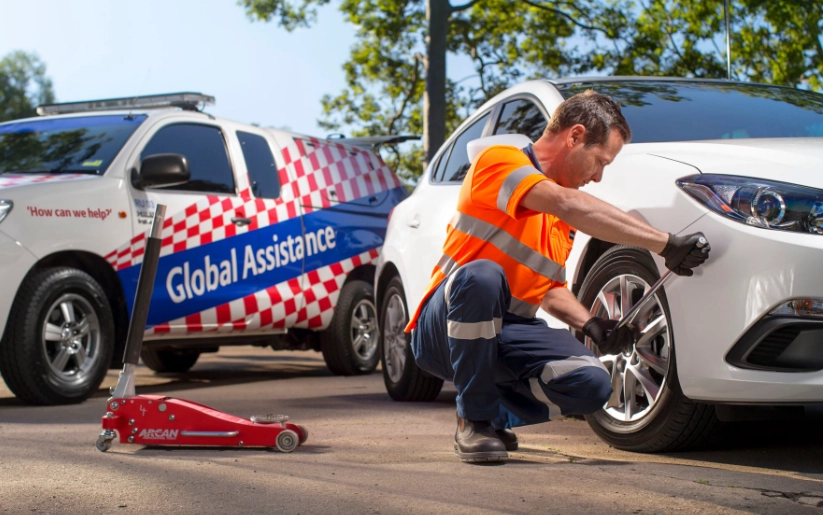
Who's Offering Roadside Help? A Clear Breakdown
You have more options than you think. Each has its own pros, cons, and weird quirks. Let's lay them out side-by-side so you can see who might fit your life.
| Provider Type | Typical Pros | Typical Cons & Quirks | Best For... |
|---|---|---|---|
| Automobile Clubs (AAA, CAA) | Extensive, trusted network. Additional perks (maps, discounts, trip planning). Often longer towing distances. | Can be more expensive. Membership is for the person, not the car, which is good if you have multiple vehicles. | Drivers who want the most reliable, full-service experience and travel benefits. |
| Car Insurance Companies | Convenient add-on to your existing bill. Often cheaper. | Service may be subcontracted, leading to variable quality. Using it might be logged as a claim (ask your agent!). | Someone looking for a simple, low-cost add-on without shopping elsewhere. |
| Car Manufacturers | Often free for the first few years on new cars. Technicians familiar with your brand. | Expires! Don't forget when it runs out. Coverage may be limited to dealer networks. | New car owners leveraging the included warranty period. |
| Credit Card Companies | Can be a "free" perk with premium cards. No separate bill. | Strict limits, often secondary coverage (you must try other methods first). Service can be slow. | A bare-minimum backup plan for cardholders who already have the card. |
| Standalone Apps & Services (Honk, Urgent.ly) | Pay-per-use, no membership. On-demand via app, see driver ETA. | Costs can add up fast if you use it frequently. Dynamic pricing during high demand. | Infrequent drivers or those who want a modern, on-demand option as a backup. |
My personal take? I've used both AAA and an insurance add-on. AAA's service was consistently faster and the drivers were more professional. The insurance add-on felt like I was calling a dispatcher who was shopping for the cheapest local tow truck, and I waited longer. The peace of mind with a dedicated auto club was worth the extra $50 a year for me. But if you're on a tight budget, the insurance route is a valid safety net.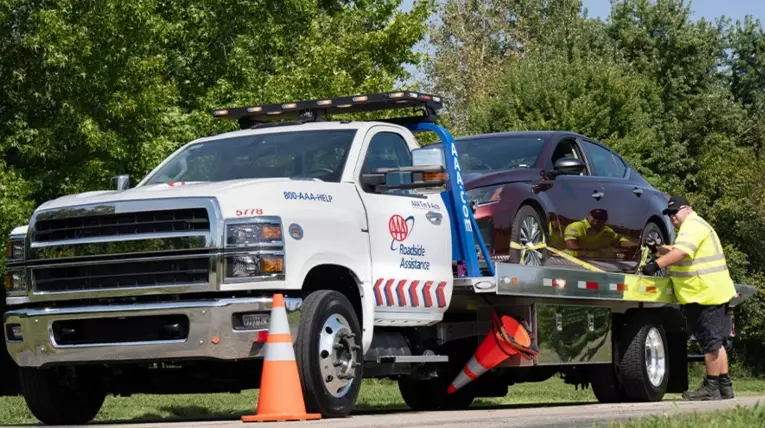
How to Pick the Best Plan for You (No Upselling, I Promise)
Don't just pick the cheapest option. Think about your actual life and driving habits. Asking yourself these questions will point you in the right direction.
Key Factors to Judge Any Plan
- Your Vehicle(s): Do you have an older car that's more prone to issues? Do you drive a heavy-duty truck or RV? Standard plans might not cover larger vehicles. Do you have multiple cars in the household? Some memberships cover the person, so you're covered in any car you're driving (even as a passenger!). Others cover only one specific vehicle.
- Your Driving Radius: Be brutally honest. Do you mostly commute within 10 miles of home? Or do you regularly take 200-mile road trips? Your towing distance needs to match your reality. A 5-mile tow is useless if you break down 50 miles from your trusted garage.
- Response Time & Network: This is huge. What's the average wait time in your area? Some providers publish this data. A provider with a poor network in rural areas is a major risk if you ever leave the city. You can sometimes check reviews for local service providers in your area.
- The Fine Print on Limits: We touched on this. How many service calls per year? Does towing count as one or two? Is there a dollar limit on fuel delivery or lockout services? Read the Terms of Service document. It's boring, but it's where the truth lives.
- Extra Perks: Are you a traveler? Trip interruption coverage, hotel discounts, free passport photos (AAA is famous for this), and DMV services can add tremendous value beyond the core roadside assistance.
Here's a little hack: Call the provider's customer service line with a hypothetical. Say, "Hi, if I were a member and my car broke down at [a nearby intersection], what's the typical process and wait time right now?" Their answer (and how helpful they are) tells you a lot.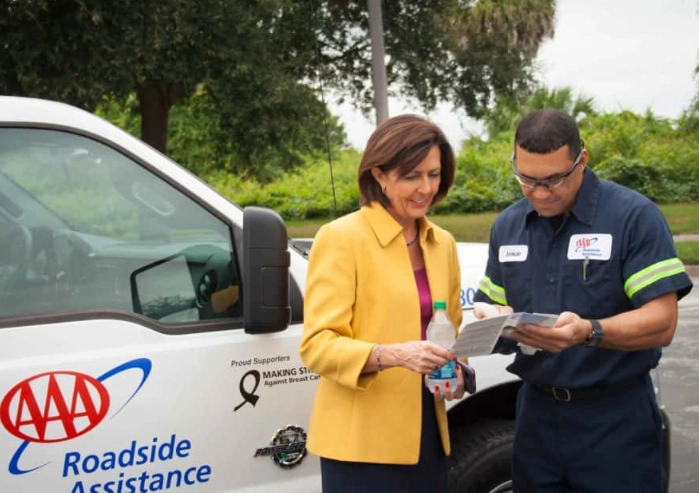
Your Roadside Assistance FAQ (Real Questions, Real Answers)
Let's tackle the stuff people are actually searching for but can't always find a straight answer to.
The Future of Getting Help: Apps and Connected Cars
The old model of calling an 800 number is still there, but technology is changing the game. Many services now have apps where you can request help with your location pre-populated, see a map with the service driver's ETA, and get text updates. It cuts down on the "I'm by the big oak tree" confusion dramatically.
More interesting is the integration with your vehicle itself. Modern connected cars can automatically detect a crash or, in some cases, a diagnostic fault, and initiate a call for help without you touching a button. Services like General Motors' OnStar have done this for years. This is moving beyond traditional roadside assistance into active safety and prognostics. The National Highway Traffic Safety Administration (NHTSA) has resources on vehicle safety technologies that are beginning to incorporate these features. It's not just about getting help after a breakdown, but potentially preventing it with early diagnostics sent directly to your phone.
But a word of caution: don't let the flashy tech make you forget the basics. A fancy app is useless if the network of service providers behind it is small or slow. The core value is still a qualified human showing up at your car with the right tools in a reasonable time.
Final Thoughts: Is It Worth It?
Let's cut to the chase. For the vast majority of drivers, yes, a roadside assistance plan is worth every penny. The math is simple: one tow without coverage can cost $75 to $150 or more. A basic annual membership often costs less than that. You're buying predictability and reducing stress.
My advice? Don't treat it as an afterthought. Actively choose a plan that fits your driving life. Consider it part of your car's operating cost, like oil changes. The best plan is the one you have before you need it. When that key turns and nothing happens, or you see a tire going flat on a rainy night, the feeling of knowing exactly who to call and that the cost is already handled is... priceless, honestly.
Start by checking what you might already have through your car warranty, credit card, or insurance. Then, compare it to a dedicated provider like AAA. Look at the towing distance, the service limits, and the network. Think about where you drive.
Safe driving out there. And hopefully, you'll never need to use this guide for a real emergency—but if you do, you'll be ready.