Jump to Section
- First Things First: Is It Really Your Transmission?
- The Telltale Signs You Can't Ignore
- Understanding the Beast: What Actually Breaks in There?
- The Big Decision: Repair, Rebuild, Replace, or Swap?
- How to Find a Transmission Shop You Can Actually Trust
- Surviving the Repair Process: What to Expect
- Your Transmission Repair Questions, Answered
Let's be real for a second. The words "transmission repair" are enough to make any car owner's heart sink. It's one of those dreaded, expensive repairs that always seems to happen at the worst possible time. You might be noticing a slight hesitation, a weird hum, or maybe your car just won't go into gear like it used to. The anxiety starts to build. How bad is it? Is this going to cost me $500 or $5000? Should I even fix it, or is it time to ditch the car?
I've been there. Staring at a quote that looked more like a down payment on a new car than a repair bill. I've also talked to countless mechanics and shop owners over the years, trying to separate the facts from the fear-mongering. This guide is what I needed back then. We're going to cut through the jargon, explain what's actually happening inside that metal case, and give you a clear roadmap for dealing with transmission problems. No scare tactics, just practical information to help you make a smart decision.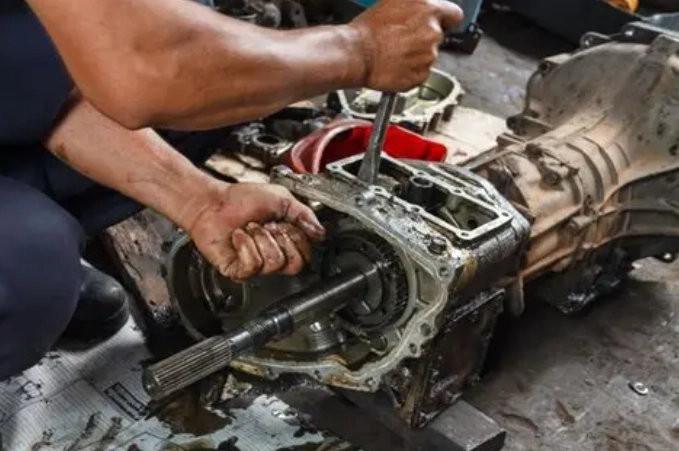
First Things First: Is It Really Your Transmission?
Before you panic and assume you need a full rebuild, let's rule out some simpler (and cheaper) possibilities. A lot of symptoms that scream "transmission!" can actually be caused by other issues. I once paid a diagnostic fee for a transmission scare that turned out to be a $150 sensor. Learn from my mistake.
Common Transmission Imposters:
- Engine Performance Issues: A misfiring engine can cause jerking and hesitation that feels like a transmission slip.
- Faulty Speed Sensors: These tell your car how fast it's going. A bad one can cause erratic shifting and speedometer problems.
- Low or Old Engine Oil: Surprisingly, this can affect overall performance in a way that mimics transmission trouble.
- Worn Motor Mounts: If the engine is moving around too much, the shift linkage can be affected, making gear changes feel clunky.
So, the first step is a proper diagnosis. A good mechanic won't just say "your transmission is shot." They should be able to connect a scanner, check for trouble codes, and do a road test to pinpoint the issue. Don't let anyone skip this step.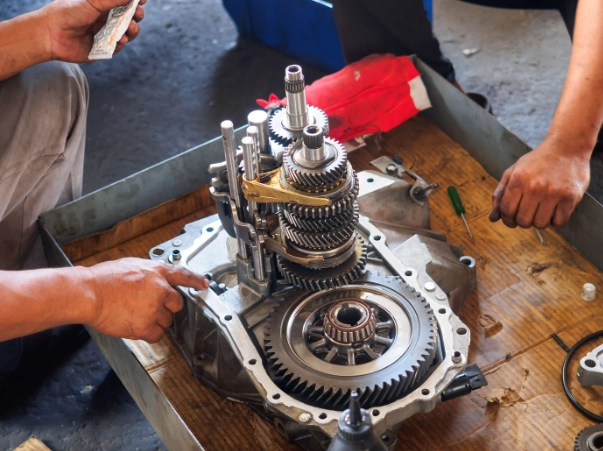
The Telltale Signs You Can't Ignore
Okay, let's say the simple stuff is ruled out. Here are the classic red flags that point directly to a genuine transmission problem. If you're experiencing more than one of these, it's time to get serious about finding a repair shop.
The Sound of Trouble
Transmissions aren't supposed to be noisy when they're happy. Listen for:
- Whining or Humming: This often points to worn bearings or a pump issue. It might change pitch with speed.
- Clunking or Grinding: Heard when shifting gears? That's rarely a good sign. It could be anything from worn gears to a failing synchronizer.
- A constant buzzing sound that wasn't there before.
The Feel of Slipping Gears
This is the big one. You're driving along, the engine revs up suddenly (like you stepped on the gas), but the car doesn't accelerate. Or it feels like it's shifting in and out of gear on its own. That "slipping" sensation means the transmission isn't fully engaging, usually due to worn clutches, bands, or low fluid pressure. It's a major warning sign that needs immediate attention.
Shifting Delays and Jerks
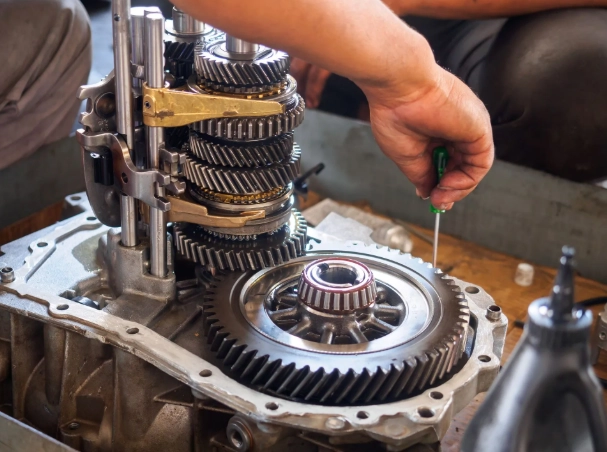
When you shift from Park to Drive (or Reverse), is there a long pause—sometimes with a solid *thunk*—before it engages? Does the car jerk violently when it shifts up or down? Modern automatics should be smooth. Rough or delayed shifts are a clear signal something's off inside the transmission or its control systems.
The Dreaded Check Engine Light & Fluid Issues
Modern cars have sensors everywhere. Transmission problems often trigger the check engine light. Don't ignore it. Get the codes read. Also, check your transmission fluid. It should be a clear red or pinkish color. If it's dark brown or black, smells burnt, or has metal flakes in it, that's a sign of serious internal wear and likely means a major transmission repair is in your future. Low fluid level can also cause many of these symptoms, so check that first (with the engine running and warmed up, on level ground—check your owner's manual for the exact procedure).
Understanding the Beast: What Actually Breaks in There?
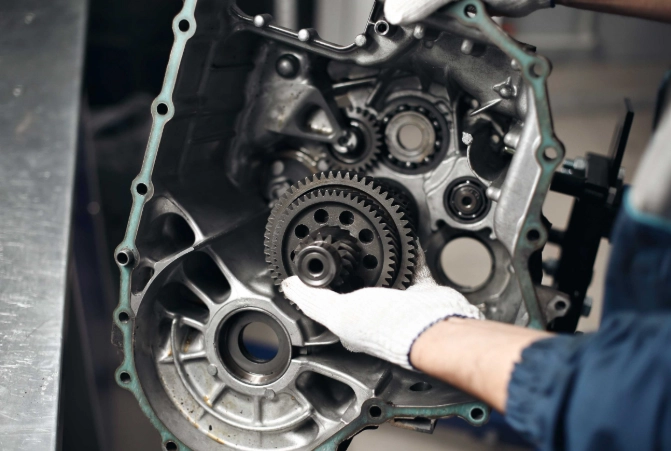
To make a good decision about repair, it helps to know what you're dealing with. An automatic transmission is a complex symphony of hydraulic pressure, planetary gear sets, clutches, bands, valves, and a torque converter. It's a masterpiece of engineering, but all those moving parts can wear out.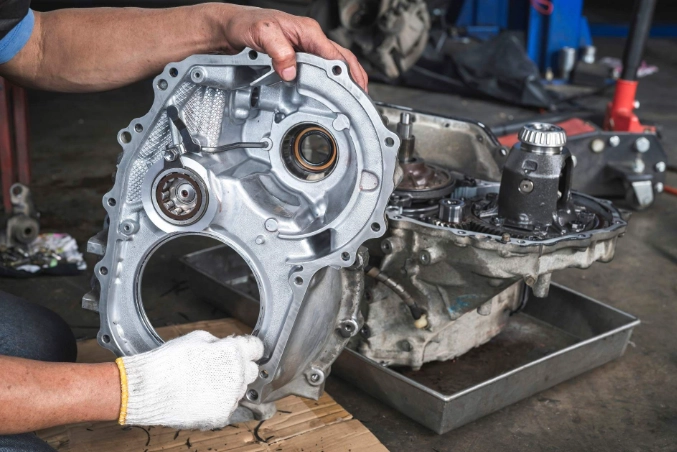
The most common failures I've seen boil down to a few key culprits:
- Worn Clutch Packs and Bands: These are the components that physically engage the gears. They wear down over time, leading to slipping.
- Failed Solenoids: These are little electronic valves that control the flow of transmission fluid. When they fail, you get erratic shifting. Sometimes this is a relatively simple fix.
- Torque Converter Issues: The part that connects the engine to the transmission. If it fails, you might get shuddering, overheating, or a loss of power.
- Valve Body Wear: The "brain" of the hydraulic system. Worn valves or passages can cause all sorts of shifting problems and pressure issues.
Knowing which component failed can mean the difference between a $800 repair and a $4000 one. A thorough diagnosis is worth every penny.
The Big Decision: Repair, Rebuild, Replace, or Swap?
This is where most people get overwhelmed. The shop throws terms at you, and the price tags vary wildly. Let's break down what each option really means.
| Option | What It Means | Typical Cost Range | Best For... | My Honest Take |
|---|---|---|---|---|
| Minor Repair/Service | Fixing one external part (solenoid, sensor, seal) or doing a fluid/filter change. | $200 - $1,500 | Catching a simple electronic failure early, or addressing minor leaks and fluid issues. | If this fixes it, you just won the car repair lottery. Always try the simple, cheaper fixes first if the diagnosis supports it. |
| Overhaul (Rebuild) | Taking the transmission apart, replacing all worn clutches, seals, gaskets, and any obviously damaged hard parts. The core is reused. | $2,500 - $4,500+ | A transmission with general wear and tear, but no catastrophic damage to major gears or cases. | This is the most common "major" transmission repair. Quality depends 100% on the skill of the rebuilder. Warranty is key. |
| Remanufactured Unit | A transmission rebuilt to like-new specs by a specialist company, often with updated parts to fix known flaws. You get a complete, warrantied unit. | $3,000 - $6,000+ (with install) | Complex failures, hard-to-find parts, or when you want the peace of mind of a factory-style warranty. | Often the most reliable long-term choice, but the upfront cost is high. The warranty is usually the best you'll get. |
| Used/Junkyard Unit | A transmission pulled from a wrecked car. Installed "as-is." | $1,000 - $2,500 (with install) | A very old car where a rebuild costs more than the car's value. A pure gamble to buy time. | This is a huge roll of the dice. You have no idea how it was treated. I've seen it work, and I've seen it fail in 6 months. Budget for it failing. |
See the spread? That's why getting multiple quotes is non-negotiable. One shop might see a rebuildable core, another might see a paperweight and recommend a reman unit. Ask them to explain *why* they are recommending a particular path.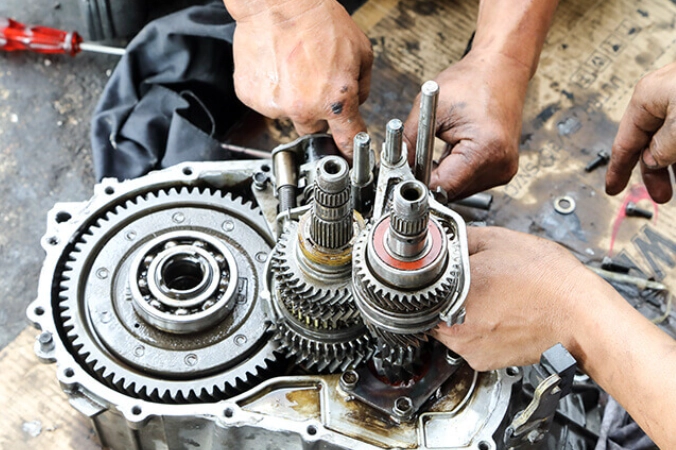
The Fluid Change Trap: If your transmission is already slipping or shifting poorly, a fluid change will NOT fix it. In fact, with severely worn clutches, new fluid (which has more friction modifiers) can sometimes make the slipping worse. A fluid change is preventative maintenance, not a cure for mechanical failure.
How to Find a Transmission Shop You Can Actually Trust
This is the most important part of the whole process. A good shop saves you money and stress. A bad one can leave you stranded. Here's my personal checklist, born from good and bad experiences.
Look for a Specialist, Not a Generalist. While your local mechanic is great for oil changes and brakes, a complex transmission repair is different. Look for a shop that does transmissions day in, day out. They've seen your problem a hundred times and have the specialized tools and parts sources.
Ask About the Warranty. In Detail. "We have a warranty" isn't enough. Is it 12 months/12,000 miles? 3 years/unlimited? Most importantly, what does it cover? Parts and labor? Just parts? Is it in-house or through a third party? A strong, in-house warranty shows the shop stands behind its work. The Automatic Transmission Rebuilders Association (ATRA) is a major industry group, and many reputable shops are members. While not a guarantee, it's a good sign of professionalism.
Get Everything in Writing. The estimate should be detailed. Not just "rebuild transmission - $3200." It should list the major components being replaced (clutch packs, seals, gaskets, solenoid pack, etc.), the labor hours, and the cost of parts. A vague quote is a red flag.
Check Reviews, But Be Smart About It. Look at Google, Yelp, and the Better Business Bureau. Don't just look at the star rating. Read the negative reviews. Do they complain about communication? Cost overruns? Comebacks? How does the owner respond? A pattern of similar complaints is a warning. I also like to check if they have any certifications, though experience often trumps a certificate on the wall.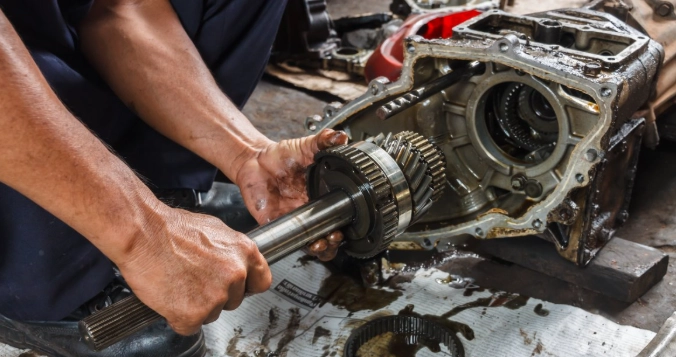
A Quick Test Call: When you call, describe your symptoms. Do they immediately give you a price over the phone? (Bad sign—they can't know). Or do they say, "That could be a few things, you should bring it in for a diagnosis"? (Good sign). Ask if there's a charge for diagnosis and if it's waived if you do the repair with them. Most honest shops do this.
Trust your gut. If the place feels dirty, disorganized, or the person you talk to is evasive or talks down to you, walk away. This is a big-ticket item; you deserve clear communication.
Surviving the Repair Process: What to Expect
You've picked a shop, gotten a quote, and given the go-ahead. Now what?
First, ask how long it will take. A simple solenoid job might be a day. A full rebuild is usually 3-5 business days, sometimes longer if they find unexpected damage or have to order special parts. Get a loaner car or rental car situation figured out beforehand.
During the teardown, a good shop will call you if they find something that changes the quote. For example, "We found a cracked planetary gear set we couldn't see before. That adds $400 to the bill. Do you want us to proceed?" This is normal. You should approve any significant cost increase.
When you pick up the car, take it for a test drive with the technician if possible. Make sure the shifts feel smooth, there are no new noises, and all gears engage properly. Get all the final paperwork, including the detailed invoice and the warranty documentation. Ask about the break-in procedure—some rebuilds recommend gentle driving for the first 500 miles.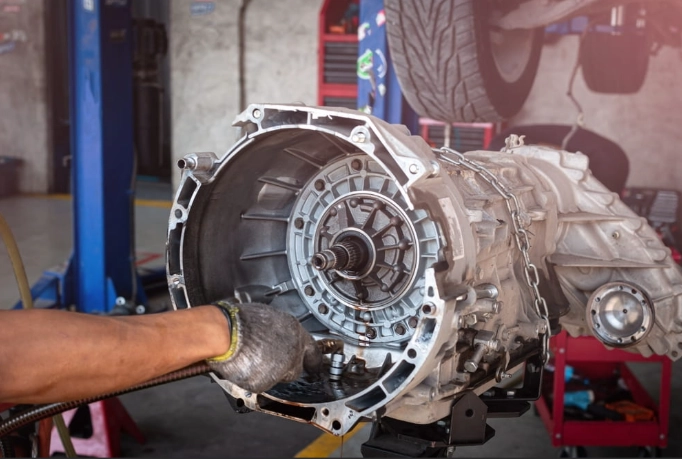
Your Transmission Repair Questions, Answered
I get asked these all the time. Let's tackle them head-on.
It's a math and sentiment problem. If the rest of the car (engine, suspension, body) is in great shape and you love the car, a $3000 repair might be cheaper than a $25,000 new car payment. But if the car has 200,000 miles, is rusting, and needs brakes and tires too, pouring money into a transmission repair might be throwing good money after bad. Add up all the upcoming repairs and compare it to the car's value and your budget.
You can, but you absolutely shouldn't. Driving with a slip creates immense heat from the friction of the worn clutches. That heat cooks the remaining fluid and damages other components (like the valve body and torque converter). A small, $1000 repair can quickly turn into a $4000 rebuild if you ignore it. Get it looked at immediately.
Maintenance is everything. Check your owner's manual. Many modern cars claim "lifetime" fluid, but most mechanics (myself included) think that's a bad idea for long-term health. A transmission fluid and filter change every 60,000-100,000 miles (sooner for severe use like towing or city driving) is cheap insurance. It gets rid of contaminants and worn-out friction material suspended in the old fluid. Also, avoid "power braking" (holding the car on a hill with the gas while in gear) and come to a complete stop before shifting between Drive and Reverse.
Think of a rebuild as a skilled mechanic fixing *your specific* transmission in their shop. A remanufactured unit is your old core sent to a factory-like facility, completely disassembled, machined, and rebuilt to strict specifications, often with improvements over the original design. Reman units usually come with a better, nationwide warranty. The Federal Trade Commission has guidelines on what "remanufactured" should mean, which adds a layer of consumer protection.
Dealerships have factory-trained techs and use OEM parts, which is great. But you often pay a premium for it. For common models, a reputable independent transmission specialist can often do the same (or better) work for less money and offer a longer warranty. For a rare or very new car, the dealership's expertise and direct access to technical bulletins might be worth the extra cost. Always get quotes from both.
Look, dealing with a transmission failure is never fun. It's a significant expense and a major inconvenience. But armed with the right information, you can navigate it without feeling helpless or getting taken advantage of. Start with a proper diagnosis. Understand your repair options and what they really cost. Take your time to find a specialist you trust. Get everything in writing.
A good transmission repair can give your car a new lease on life for years to come. It's an investment in the machine you depend on. Do your homework, ask the tough questions, and you'll get through it. And maybe, just maybe, you'll save enough to not have to skip your next vacation.