Your Wiper Journey
Let's be honest. Most of us don't think about our wiper blades until we're caught in a downpour and suddenly the windshield looks like a modern art painting made of smears and streaks. You're leaning forward, squinting, trying to see between the blurry lines. Not exactly safe, right? So you Google it: how often should you change wiper blades? And you get the classic answer: "every six to twelve months." But is that really it? That's like saying "eat food" as dietary advice. It's not wrong, but it's not helpful.
The truth is, telling everyone to change their wipers on a strict calendar schedule is a bit silly. My car that sits in the Arizona sun 365 days a year has very different wiper needs than my sister's car in rainy Seattle. A set schedule ignores how you use your car, where you live, and what you park under.
So, let's ditch the overly simplistic answers. This guide is about understanding why wipers fail and learning how to see the signs yourself. We'll move beyond just "how often" and into "how to know when." Because the best interval for changing wiper blades is the one based on your car's actual condition, not a date on your phone.
Forget the Calendar, Listen to Your Windshield
The official, textbook recommendation from places like the American Automobile Association (AAA) is that 6-12 month range. It's a good starting point, a safe average. But they, and every mechanic I've ever talked to, always follow it up with a huge "but." The real answer depends on a cocktail of factors.
Think of the rubber squeegee part of the blade as a little superhero cape for your windshield. Its job is to flex and conform to the glass, pushing water away with a clean, even swipe. Now imagine what attacks that cape daily:
- Sun (UV Radiation): This is the #1 killer in most climates. UV rays bake and crack the rubber, making it hard and brittle. It loses its flexibility. Ever had your wipers chatter or jump across a dry windshield? That's hardened rubber.
- Extreme Temperatures: Both heat and cold are brutal. Heat accelerates rubber rot. Cold makes the rubber stiff, and ice can literally tear the edge of the blade. Freezing your wipers to the glass and then yanking them free? That's a great way to ruin the sealing edge instantly.
- Dirt and Grime: Your windshield isn't clean. It has a fine layer of dust, pollen, road film, and bug guts. Your wipers drag all that back and forth. That abrasive action slowly wears down the smooth, precise edge of the blade, turning it ragged.
- Ozone and Pollution: Just being exposed to air, especially in urban areas, causes the rubber to oxidize and break down over time. It's a slow, inevitable process.
- Simple Use: Every single swipe causes microscopic wear. More rain, more wear.
So, when you ask how often you should change your wiper blades, you're really asking how long that rubber can fight off sun, dirt, temperature swings, and friction. And that battle's intensity changes with your location.
The Location-Based Reality Check
- Southwest (Arizona, Nevada, SoCal): Intense, year-round sun. The 6-month mark is often the maximum here. UV damage is relentless.
- Pacific Northwest & Northeast: More rain and snow means more use, plus winter freeze-thaw cycles. 9-12 months might be okay, but winter prep is non-negotiable.
- Midwest & Mountain States: Harsh winters with ice, snow, and road salt are the main concern. Spring is a critical check-up time after winter's abuse.
- Garaged vs. Street-Parked: This is huge. A car parked in a garage is shielded from nightly moisture, UV, and temperature extremes. Its wipers can easily last twice as long as those on a car baking on asphalt all day.
See? A single time recommendation is almost meaningless without context.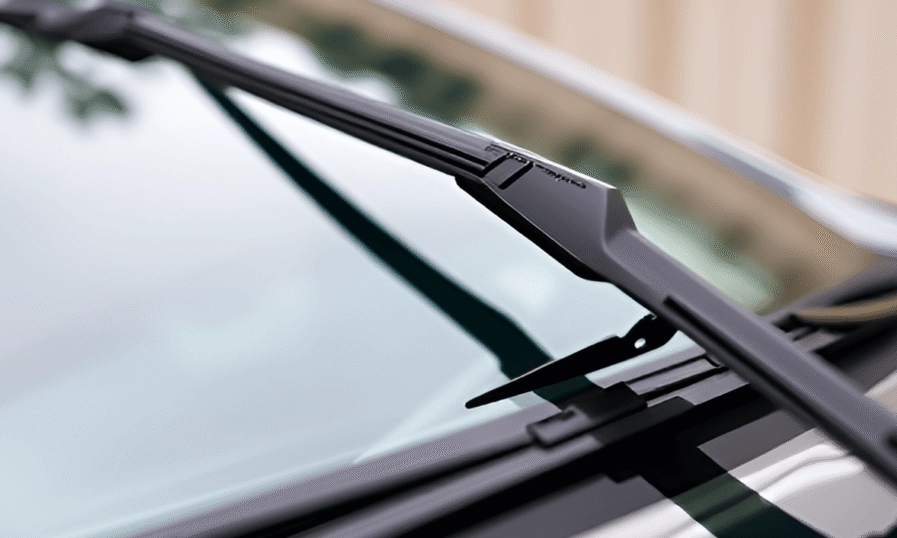
The 5-Second Test: How to Actually Know If You Need New Wipers
Instead of marking your calendar, make this visual and functional check part of your monthly routine, like checking your tire pressure. Do it on a dry day. You'll need a bottle of windshield washer fluid and your wiper controls.
The "Do I Need New Wipers?" Checklist
- The Visual Inspection: Lift the wiper arms away from the windshield (carefully!). Run your finger along the rubber edge. It should feel completely smooth, pliable, and springy. If you feel any of these, it's time:
- Cracks or splits in the rubber (sun damage).
- A rough, jagged, or uneven edge (abrasive wear).
- The rubber is hard and won't flex easily.
- You see bent or damaged frames (from ice or manual mishandling).
- The Performance Test (Dry): This sounds weird, but do it. On a dry, clean windshield, spray a generous amount of washer fluid and run the wipers for 2-3 cycles. Listen and watch.
- Good Sign: A smooth, quiet, almost silent sweep.
- Bad Signs: Chattering, squeaking, jumping, or skipping. This means the rubber isn't flexing correctly and is dragging. It's also a surefire way to scratch your glass over time.
- The Performance Test (Wet): Wait for the next light rain or simulate it with a hose. Turn on the wipers.
- Good Sign: A clear, uniform swipe with no thin films, streaks, or hazy patches left behind.
- Bad Signs:
- Streaking: Clear lines or arcs left behind. Often means a worn spot or tear in the rubber edge.
- Smearing/Blurring: A wide, hazy band that doesn't clear. The rubber is either contaminated (with wax, oil) or is so worn it can't squeegee properly.
- Missed Spots: Entire sections where water isn't cleared. The blade isn't making contact, likely due to a bent frame or extreme wear.
If you fail any part of that checklist, it's time. Don't wait.
Honestly, the performance test is the ultimate decider. I've had blades that looked okay visually but chattered like angry squirrels. They were done. The question of how often should you change wiper blades is answered right there on your glass.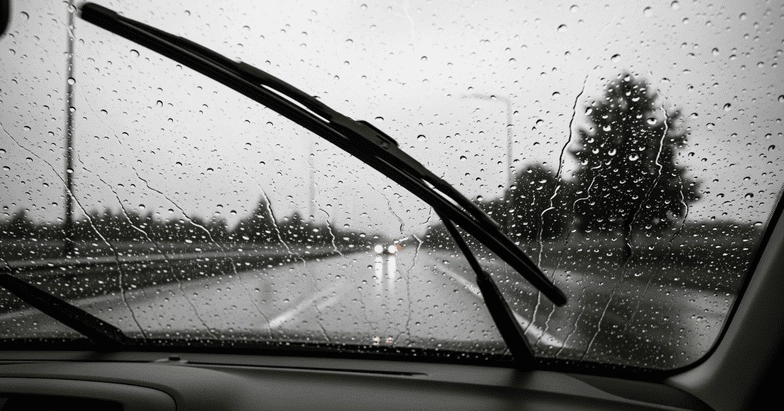
Navigating the Wiper Blade Jungle: A Buyer's Guide
So you've decided it's time. You walk into an auto parts store or go online, and you're hit with a wall of options: Conventional, Beam, Hybrid, Silicone, different connectors. It's confusing. Let's break it down in plain English.
| Type | How It Works | Pros | Cons | Best For... |
|---|---|---|---|---|
| Conventional (Frame) | Classic metal frame with multiple pressure points holding the rubber insert. | Inexpensive, widely available. | Frames can ice up, collect snow, and get bent. More parts to fail. | Budget buyers in mild climates; older car models. |
| Beam (Flat) Blade | A single, sleek piece of rubber-coated steel that flexes evenly along the windshield curve. | Sleek design resists ice/snow buildup, often quieter, better performance on modern curved glass. | More expensive than conventional. | Most modern cars; areas with snow and ice; drivers wanting the best performance. |
| Hybrid Blade | A mix – has a spoiler/shell like a beam blade but a internal frame structure. | Good balance of cost and performance; often more aerodynamic. | Can still have some ice buildup issues. | A solid middle-ground choice for many. |
| Silicone Rubber | Made from silicone compound instead of natural/synthetic rubber. | Extremely long lifespan (2-4 years), handles extreme temps better, can actually re-coat glass with a water-repellent layer. | Significantly higher upfront cost. | Long-term value seekers, extreme climates, those who hate changing wipers often. |
My take? For most people driving cars from the last 10-15 years, beam blades are the way to go. The performance jump is noticeable, especially in winter. I switched to a mid-range beam blade and the difference in noise and clearing ability was real. Silicone is a fantastic investment if you plan to keep the car for years. You pay more now, but you forget about them for a long, long time.
Buying Trap: Don't Just Get the "Exact Fit" for Your Car
Auto parts store systems are great, but they're not perfect. Always, always physically check the connector on your car's wiper arm before you buy, or buy from a retailer with a great return policy. Take a photo with your phone. There are a handful of common types (J-hook, side pin, bayonet), but some cars have weird proprietary ones. Nothing's worse than getting home with a box of "perfect fit" wipers that don't actually click on.
 Installation: It's Easier Than You Think (Usually)
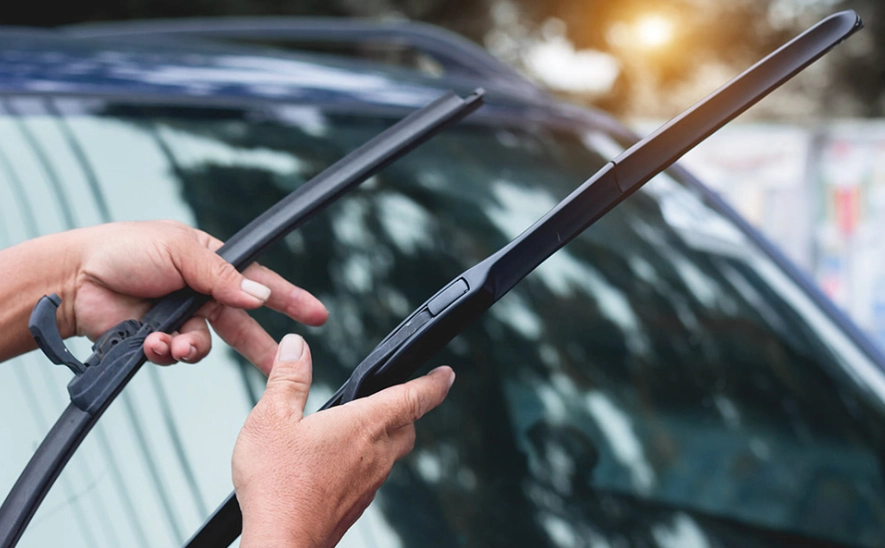
Changing wiper blades is a 5-minute job. Seriously. You don't need tools 95% of the time. The key is safety first.
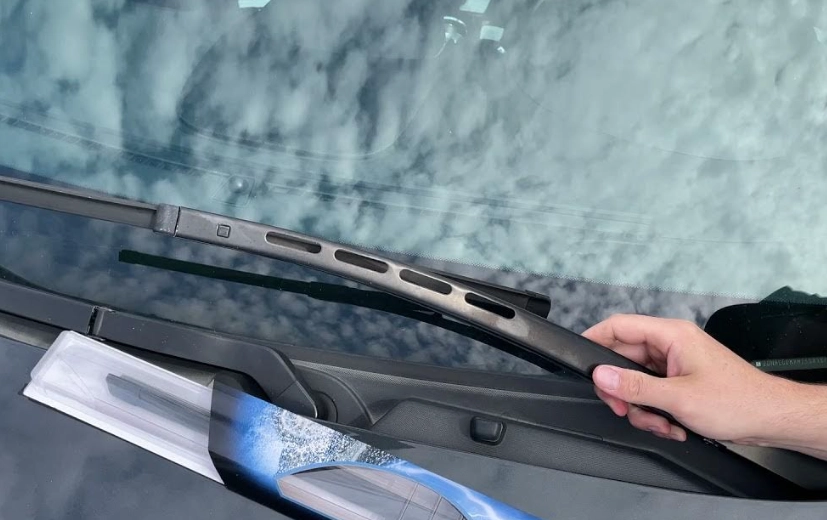
- Prep: Pull the wiper arms away from the windshield until they lock in the "service position." To be super safe, put a folded towel or a piece of cardboard where the metal arm would hit the glass if it slipped. That glass is expensive.
- Remove the Old Blade: Find the small release tab or button on the connector where the blade meets the arm. Press it and slide the blade down the arm (towards the base of the windshield) to detach it. It should come off with a firm wiggle. Don't just yank.
- Attach the New Blade: Take the new blade, line up the new connector with the wiper arm hook or pin, and slide it up until you hear a definitive, solid CLICK. Give it a gentle tug to confirm it's locked. A loose wiper flying off at highway speed is a disaster.
- Gently lower the arm back onto the windshield. Don't let it snap back.
Repeat for the other side. Done. Some higher-end blades have adapters you need to snap in first – just follow the included instructions. It's Lego-level difficulty.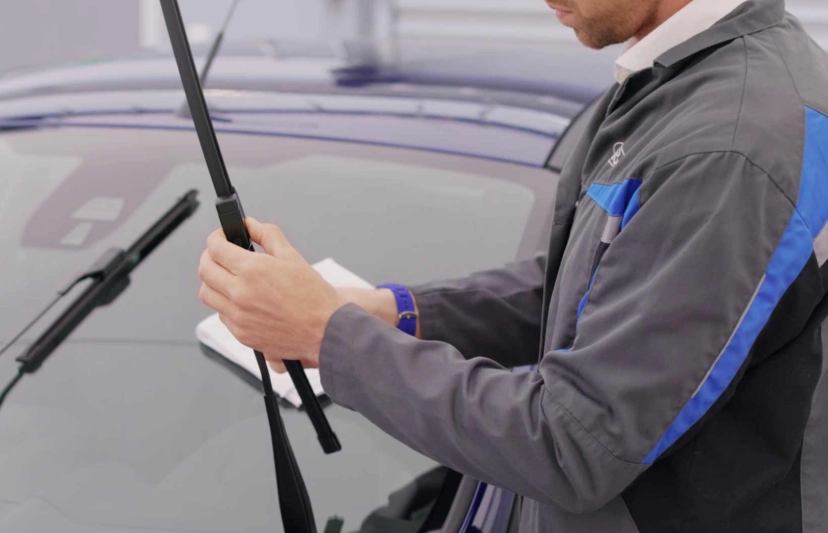
Answers to the Questions You're Actually Searching For
Let's tackle the specific things people wonder after they ask the main question.
Putting It All Together: Your Action Plan
So, let's circle back to the original, burning question: How often should you change wiper blades?
Here's the non-robotic, practical answer:
- Start with the 12-month mental check-in. When you do your annual insurance review or get your yearly inspection, think about your wipers.
- But let the seasons be your real guide. Make a habit of doing the 5-second visual and performance test at the start of spring (to assess winter damage) and the start of fall (to prepare for rain and winter). These are the two most critical times.
- Listen to your windshield. Streaks, chatter, missed spots, or reduced clarity are your car screaming for new blades. Don't ignore it for "a few more weeks."
- Factor in your environment. Be brutal with replacements if you're in extreme sun, heat, or salted winter roads.
At the end of the day, wiper blades are a cheap, easy, and critical safety item. You wouldn't drive with bald tires. Don't drive with bald wipers. Clear visibility is non-negotiable. Knowing when to replace windshield wipers isn't about memorizing a number; it's about becoming attuned to one more simple aspect of your car's health. It takes two minutes to check. Those two minutes could make the difference between seeing a hazard in time and not.
Go lift those wiper arms and give them a feel. Your windshield (and your safety) will thank you.