Quick Guide
So your brake warning light came on, or you peeked at the reservoir and saw the level was low. Your first thought? "Can you just add brake fluid?" It seems like the obvious fix, right? Top it off like windshield washer fluid and you're good to go. I used to think exactly the same way. Let me tell you about the time I did just that on my old pickup truck – poured in some DOT 3 without a second thought. It solved the low level warning for about a week. Then the brake pedal started feeling spongy, and a month later, I was looking at a much bigger repair bill for a corroded brake line.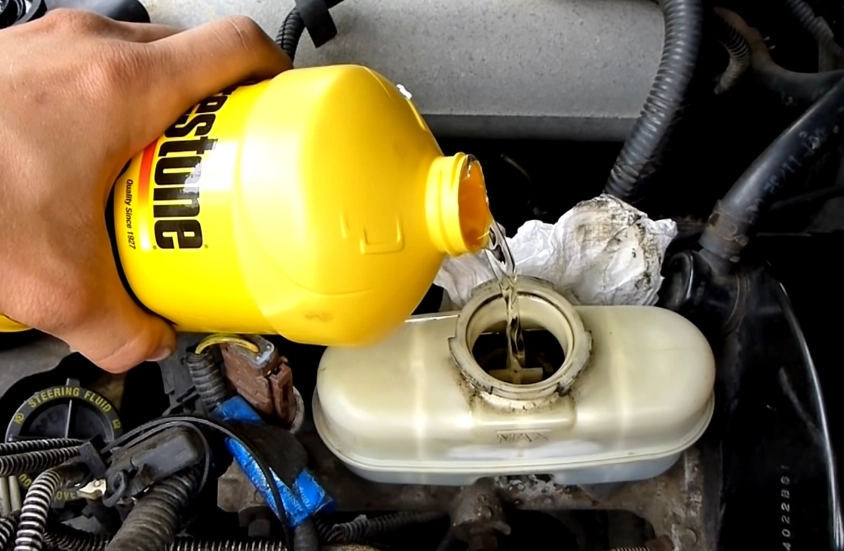
That experience taught me a hard lesson. Asking "can you just add brake fluid?" is like asking "can you just put a bandage on a deep cut?" Sometimes it's a temporary cover-up for a more serious problem. The short, overly simplistic answer is technically yes, you can physically pour fluid into the reservoir. But the correct answer, the one that keeps you safe, is almost always: No, you shouldn't just add brake fluid without understanding why it's low and following a specific procedure. Topping it off blindly is one of the most common DIY mistakes, and it can mask serious issues that compromise your entire braking system.
Stop Right There
If your brake fluid is significantly low, your first action should not be to grab a bottle. Your first action should be to ask: Where did the fluid go? Brake systems are closed loops. Fluid doesn't get "used up" like engine oil. A low level almost always means there's a leak, or your brake pads are so worn that the caliper pistons are extended out further, holding more fluid in the lines and less in the master cylinder. Adding fluid without fixing the leak is dangerous. Adding fluid because of worn pads just postpones the pad replacement until you eventually run out of fluid and brakes.
Why "Just Adding" Brake Fluid is Usually a Bad Idea
Let's break down why the simple act of topping off can lead to complex problems. It all comes down to the nature of the brake fluid itself and the design of the hydraulic system.
Brake Fluid is Hygroscopic (It Absorbs Water)
This is the big one. Most common brake fluids (DOT 3, DOT 4, DOT 5.1) are hygroscopic. They actively absorb moisture from the air through the reservoir's vent and even through the rubber hoses. This is their job – to keep that water suspended and prevent it from pooling and boiling separately in your calipers. But over time, the fluid becomes saturated.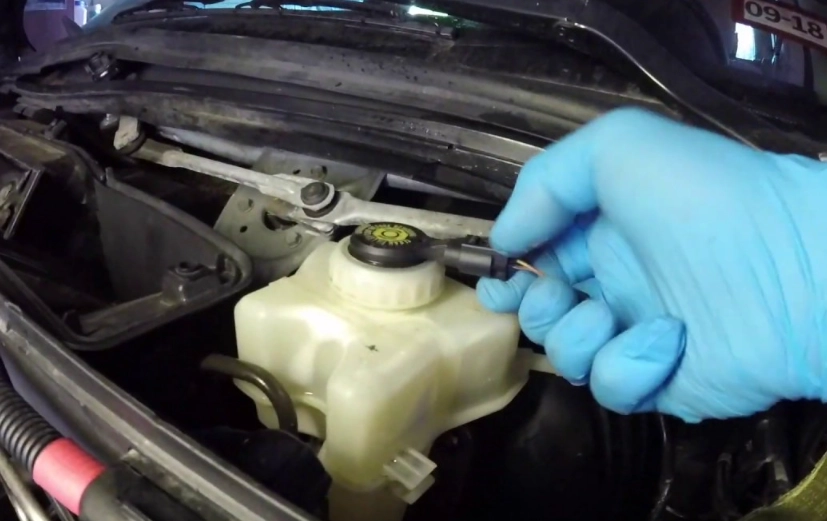
When you just add brake fluid to an old, contaminated reservoir, you're mixing fresh fluid with a brew that's already full of water. You're not fixing the core problem of degraded fluid. That water lowers the fluid's boiling point. Under hard braking, that water can vaporize into compressible steam, causing a soft or disappearing brake pedal – a terrifying experience known as "brake fade." The water also causes internal corrosion in your brake lines, calipers, wheel cylinders, and the expensive ABS modulator.
It Masks Serious Underlying Problems
As I hinted at earlier, a dropping fluid level is a symptom. The most common causes are:
- Worn Brake Pads/Shoes: This is the one "normal" cause. As the friction material wears down, the caliper or wheel cylinder piston moves further out to maintain contact. This takes more fluid volume from the master cylinder to fill the expanded space behind the piston. The fluid hasn't leaked; it's just relocated in the system. Adding fluid here is a temporary fix until you replace the pads. If you keep adding and never replace, you'll eventually max out the reservoir and still have no pads left.
- A Leak: This is the dangerous one. Leaks can occur at fittings, brake hoses, calipers, wheel cylinders, or the master cylinder itself. A slow leak might just cause a gradual drop. A sudden leak leads to immediate brake failure. If you just add brake fluid to a leaking system, you're essentially refilling a bucket with a hole in it. You'll have to keep adding it, and eventually, the leak will win.
Pro Tip: A great way to check if low fluid is from pad wear is to look at your brake pads through the wheel. If they look thin (less than 1/4 inch of material), that's likely the culprit. If pads look fine, suspect a leak. Always check the ground under your car for any oily, clear-to-yellowish puddles.
Mixing Different Types Can Cause Big Trouble
Not all brake fluids are the same. Pouring the wrong type into your system can damage rubber seals and create a gel-like substance that clogs your ABS pump. I've seen the aftermath of a DIYer who poured DOT 5 (silicone-based) into a system designed for DOT 3. It was a costly flush and seal replacement job.
| Brake Fluid Type | Base | Dry Boiling Point (Min.) | Wet Boiling Point (Min.) | Key Characteristics & Compatibility |
|---|---|---|---|---|
| DOT 3 | Glycol Ether | 401°F (205°C) | 284°F (140°C) | Most common, affordable. Hygroscopic. Can mix with DOT 4 and 5.1, but always refer to your vehicle's manual first. |
| DOT 4 | Glycol Ether/Borate Ester | 446°F (230°C) | 311°F (155°C) | Higher performance, common in European cars and vehicles with ABS. Hygroscopic. Often recommended over DOT 3 for its higher boiling point. |
| DOT 5 | Silicone | 500°F (260°C) | 356°F (180°C) | NOT hygroscopic (doesn't absorb water). CANNOT mix with DOT 3, 4, or 5.1. Used in some classic cars and military vehicles. Can be prone to air entrapment. |
| DOT 5.1 | Glycol Ether/Borate Ester | 500°F (260°C) | 356°F (180°C) | High-performance, non-silicone fluid. Hygroscopic. Can mix with DOT 3 and DOT 4. Offers high boiling point of DOT 5 but with glycol-ether compatibility. |
See the compatibility notes? If you're standing in an auto parts store wondering "can you just add brake fluid" of any type, the answer is a resounding no. You must know what's already in there. The safest bet is to check your owner's manual and use exactly what the manufacturer specifies. For a deeper dive into the standards behind these fluids, organizations like SAE International set the engineering guidelines that define their properties.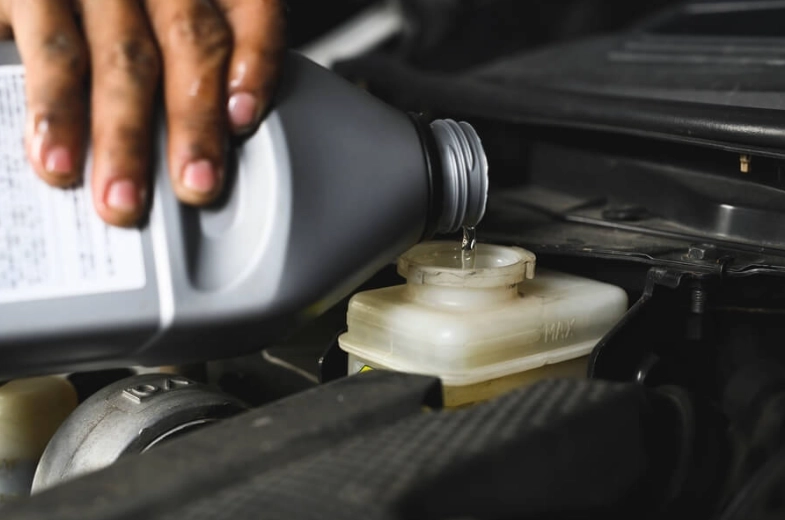
The Right Way: How to Check and Add Brake Fluid Safely
Okay, so you've checked your pads (they're fine), looked for leaks (none found), and the fluid is just a bit below the "MAX" line. Maybe it's been two years since any service. Here's the correct procedure for when adding fluid is appropriate. This isn't just pouring and forgetting; it's an inspection and maintenance step.
The Safe Topping-Off Procedure (If You Must)
Step 1: Park on a Level Surface & Cool the Car. Don't check right after a drive. Hot components and fluid expand, giving a false reading.
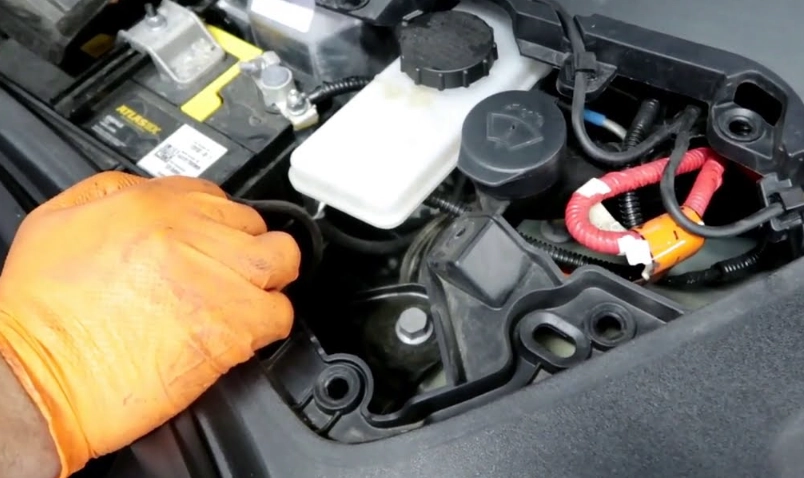
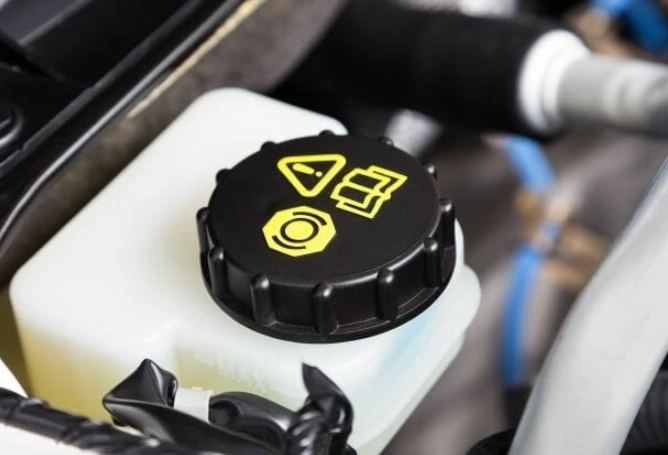
Step 2: Locate the Reservoir. It's a small, usually translucent plastic tank on the driver's side, mounted on the master cylinder at the back of the engine bay. The cap will often have a brake symbol.
Step 3: Clean the Area. Wipe any dirt or grime from the top of the reservoir and cap. The last thing you want is contaminating your brake system with debris.
Step 4: Inspect the Fluid Condition. Look at the color. New brake fluid is almost clear with a slight yellow tint. Old, contaminated fluid turns dark brown or black, like dirty motor oil. If it's dark, adding new fluid is a band-aid. A full flush is what it really needs.
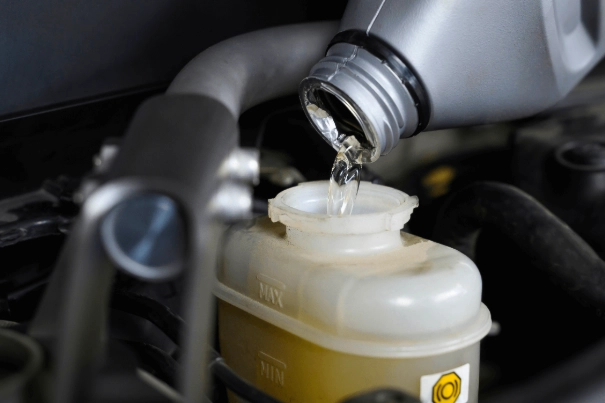
Step 5: Check the Level. There will be "MIN" and "MAX" lines on the side. If it's between or just below MAX, you might not need to do anything. If it's at or near MIN, proceed.
Step 6: Use the Correct Fluid. Consult your owner's manual. Open a fresh, sealed container. Brake fluid starts degrading as soon as it's exposed to air, so don't use an old, half-empty bottle from your garage.
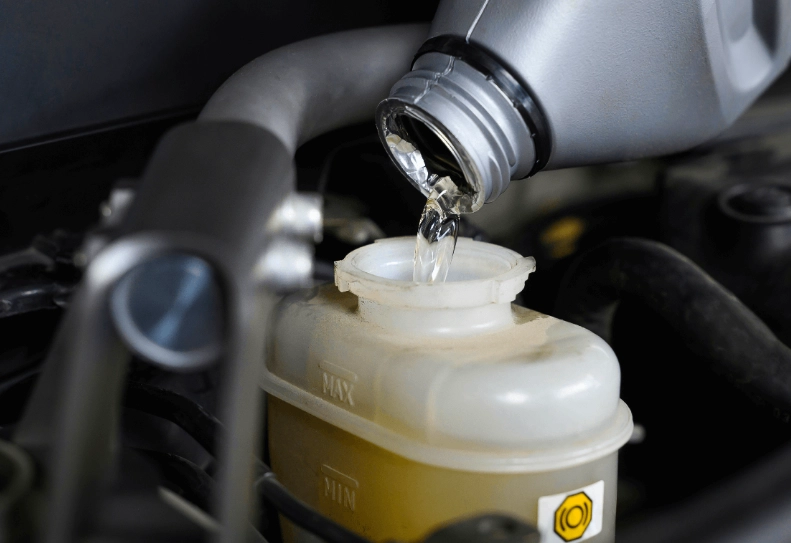
Step 7: Add Fluid Slowly. Unscrew the cap carefully. Using a funnel (a clean one!) to avoid spills, slowly add fluid until it reaches the "MAX" line. Do not overfill. Spilled brake fluid is corrosive and will eat your car's paint instantly.
Step 8: Securely Replace the Cap. This is crucial. The cap has a vent to allow for fluid expansion and contraction, but it must be tight to minimize moisture ingress.
Step 9: Monitor Closely. This is the most important step. After topping off, check the level again in a few days, then a week. If it drops again, you absolutely have a leak that needs professional diagnosis.
Following these steps turns the simple act of adding fluid into a proper diagnostic check. You're not just filling a hole; you're gathering data on the health of your braking system.
When Adding Isn't Enough: The Critical Need for a Brake Flush
Let's be honest. For most cars over 3 years old, simply asking "can you just add brake fluid" is addressing the wrong need. The real need is fluid replacement, not addition. This is called a brake flush or brake fluid change.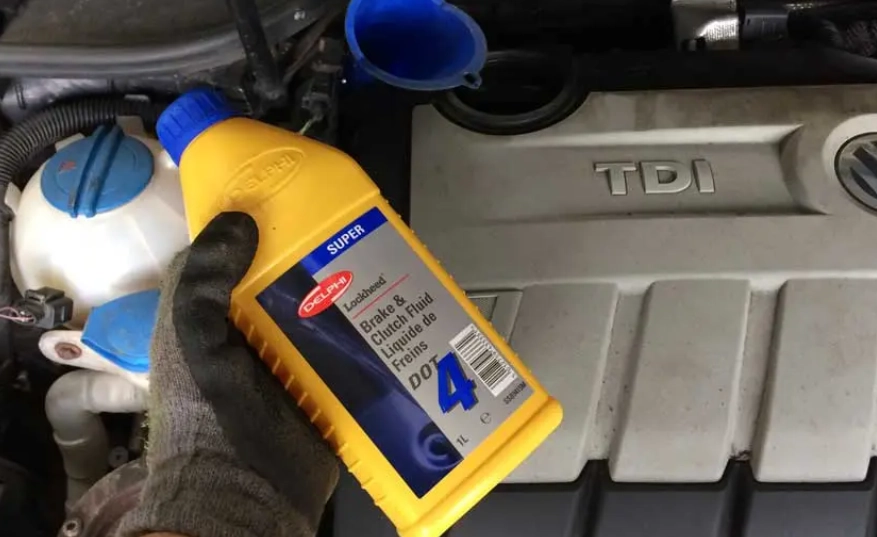
A flush involves completely removing all the old, contaminated fluid from the entire system (master cylinder, lines, calipers, ABS unit) and replacing it with fresh, clean fluid. It's not a DIY task for everyone, as it requires bleeding the brakes at each wheel to remove air, but it's the single best brake maintenance you can do outside of replacing worn pads and rotors.
How often? Most manufacturers recommend every 2 years or 30,000 miles, whichever comes first. Some high-performance cars call for it yearly. It's one of the most neglected services because the brakes often still seem to work fine. But the damage from water-contaminated fluid is silent and internal.
Signs You Need a Flush, Not Just a Top-Off
- Your brake fluid is dark brown or black in the reservoir.
- The brake pedal feels soft or "spongy" when pressed.
- You can't remember the last time it was changed (most people can't).
- You're experiencing brake fade (pedal sinks lower) during repeated or hard stops.
- Your vehicle's maintenance reminder or manual specifies it's time.
Government transportation safety bodies, like the National Highway Traffic Safety Administration (NHTSA), don't mandate specific flush intervals but consistently categorize brake system failure due to poor maintenance as a safety-critical issue. Following manufacturer intervals is your best defense.
Answering Your Burning Questions
Final Verdict: To Add or Not to Add?
Look, I'm not here to scare you away from simple car maintenance. Checking and maintaining your brake fluid level is important. But the mindset needs to shift from "can you just add brake fluid" to "should I just add brake fluid, and what is this fluid level telling me?"
Here’s my personal rule of thumb, born from that expensive lesson with my old truck:
- If the fluid is at or above MIN and looks fairly clean (light amber): You're probably fine. Just keep an eye on it.
- If the fluid is just below MIN but looks clean, and your brake pads are new-ish: Top it off correctly using the steps above, then monitor like a hawk for a week. Any drop means find the leak.
- If the fluid is low AND dark: This is your car crying for help. Don't just add. Schedule a brake inspection and a full fluid flush. The cost of a flush is far less than replacing corroded calipers or an ABS unit.
- If the fluid is very low (well below MIN) regardless of color: Assume a leak until proven otherwise. Find and fix the leak first, then bleed/flush the system to remove any air that entered.
Brakes are the one system on your car where "good enough" isn't good enough. They need to work perfectly, every single time. So next time you pop the hood and wonder, "can you just add brake fluid?" – pause. Look at the color. Think about where the old fluid might have gone. That moment of reflection could be what keeps your brakes firm and reliable for years to come.