The electric vehicle rumor mill is buzzing, and one name keeps popping up: the Hyundai Ioniq 3. It's not officially announced, but everyone from industry insiders to hopeful buyers is talking about it. If you're in the market for a compact electric SUV and the Ioniq 5 feels a bit too large or expensive, the Ioniq 3 could be your perfect match. Let's cut through the speculation and piece together what this highly anticipated model might look like, when it could arrive, and whether it should be on your radar.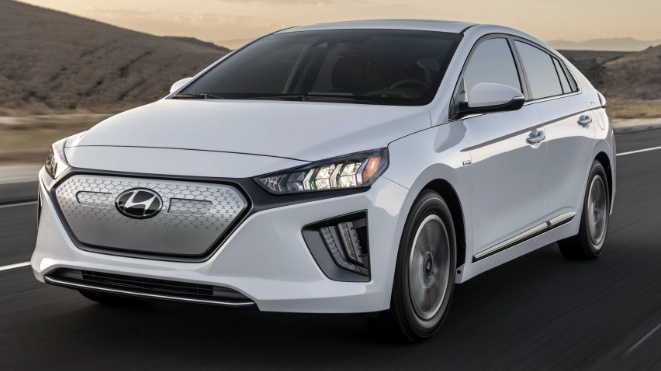
What's Inside This Guide
What Do We Know About the Hyundai Ioniq 3?
First things first, Hyundai hasn't released a press kit for the Ioniq 3. But we're not completely in the dark. The logic is straightforward: Hyundai's Ioniq sub-brand started with the Ioniq 5 (midsize crossover), then the Ioniq 6 (sedan), and the massive Ioniq 9 (large SUV) is confirmed. A smaller, more affordable model to slot below the Ioniq 5 is the obvious next step to complete the lineup and compete in the hottest segment of the market.
Spy shots from automotive publications like Motor1 and Carscoops have shown heavily camouflaged Hyundai test mules that don't match any current model. These prototypes are clearly smaller than the Ioniq 5, riding on a shorter wheelbase, but they retain the sharp, angular body lines that define the Ioniq family's "Parametric Dynamics" design language. It's a safe bet this is our first glimpse of the Ioniq 3.
The timeline? Most industry analysts, citing Korean automotive reports, point to a potential unveiling in late 2024 or early 2025, with sales starting later in 2025 as a 2026 model year vehicle. Hyundai's aggressive EV roadmap suggests they want to fill every niche quickly.
My take: The wait feels long, but it makes sense. Hyundai is likely using this time to refine two crucial things: bringing down the battery cost to hit a lower price point and integrating their next-generation NCM battery chemistry for better range and charging. Rushing it out with last year's tech would be a mistake.
Ioniq 3 Expected Specs and Features
Let's talk about what really matters—the numbers and the stuff you'll use every day. Based on the platform (likely a shortened version of the E-GMP that underpins the Ioniq 5 and Kia EV6) and competitive benchmarks, here's a realistic projection.
Key Interior FeatureDual 12-inch screens, flat floor, movable center console (like Ioniq 5)
| Feature | Expected Specification / Detail |
|---|---|
| Platform | Modified/shortened Hyundai E-GMP (Electric Global Modular Platform) |
| Expected Range | 250 - 300 miles (EPA estimate) for the long-range variant |
| Battery Size | Around 58 kWh (standard), ~78 kWh (long-range) |
| Charging Speed | 800V architecture capable of 18-minute 10-80% charges (on capable chargers) |
| Powertrain | Single-motor RWD (standard), dual-motor AWD (optional) |
| Unique Selling Point | Vehicle-to-Load (V2L) - power devices from the car |
The design will be the big draw. Imagine the pixelated LED lights and sharp creases of the Ioniq 5, but on a more compact, nimble-looking body. Interior space should be impressive thanks to the skateboard platform—no transmission tunnel means lots of legroom. I expect Hyundai to carry over the brilliant movable center console from the Ioniq 5; it's a small feature that makes the cabin feel incredibly versatile.
One feature I really hope they include is the Vehicle-to-Load (V2L) adapter. It turned my Ioniq 5 into a giant power bank for camping trips and during a brief home power outage. In a compact SUV aimed at active lifestyles, it's a killer app.
What Might Be Missing (The Compromises)
To hit a lower price, some features from the Ioniq 5 might get dialed back. The panoramic glass roof might become an option rather than standard. The premium Bose audio system? Probably reserved for higher trims. The most significant compromise will be in rear cargo space. It'll be decent for the class, but don't expect the almost-Tardis-like volume of the Ioniq 5's rear hatch.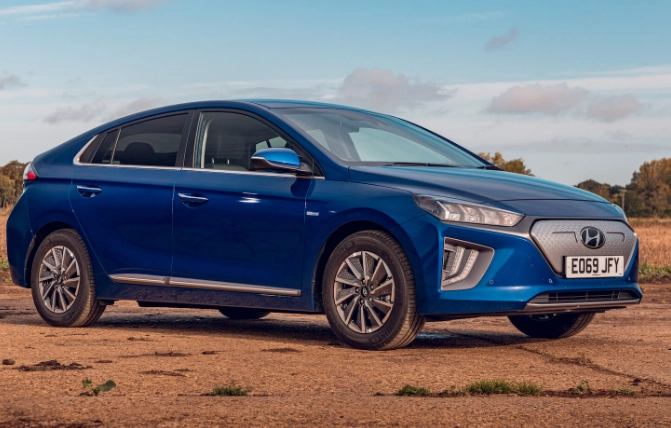
How Will the Ioniq 3 Compare to Its Rivals?
This is where the Ioniq 3's mission becomes clear. It won't exist in a vacuum. Its success hinges on beating some established and upcoming players.
Vs. Tesla Model Y: The Model Y is the elephant in the room. The Ioniq 3's main advantage will be design freshness, potentially better build quality, and a more engaging driving experience (Hyundai's tuning is generally less robotic). Its challenge will be matching Tesla's supercharger network and its often-aggressive pricing. The Ioniq 3 needs to undercut the Model Y on price to pull buyers away.
Vs. Kia EV4: This is the sibling rivalry. The Kia EV4, expected around the same time, will share the same platform and bones. The difference will be styling (Kia's more futuristic vs. Hyundai's retro-futuristic) and tuning. Kia might skew slightly sportier, Hyundai slightly more comfort-oriented. It'll come down to which design you prefer and what deals your local dealers offer.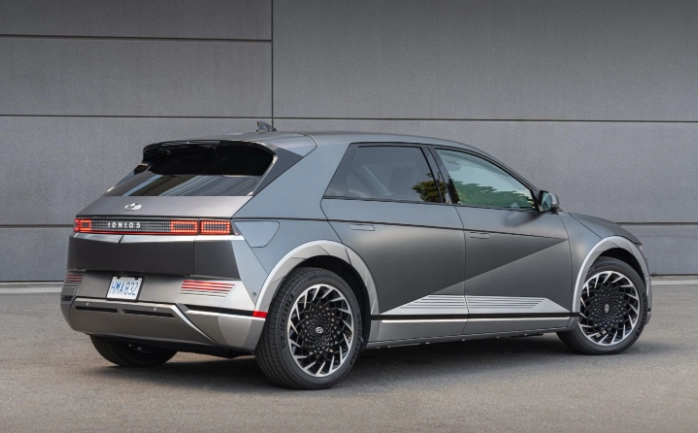
Vs. Volkswagen ID.4 & Ford Mustang Mach-E: These are the direct segment benchmarks. The Ioniq 3's 800V charging is a massive technical advantage over both, meaning much faster stops on road trips. Its interior tech and design are also likely to feel a generation ahead of the current ID.4. Against the Mach-E, it'll offer a different flavor—more daily practicality and efficiency vs. the Ford's muscle-car persona.
The wildcard? Chinese brands like BYD. If they enter your market with models like the BYD Atto 3, the pressure will be on Hyundai to deliver exceptional value, not just good specs.
Should You Wait for the Ioniq 3? A Buying Guide
This is the million-dollar question. Let's break it down into scenarios.
Wait for the Ioniq 3 if:
- You're not in a desperate rush to buy a car in the next 6-9 months.
- You love the Ioniq 5's style but find it too big or too expensive.
- Ultra-fast charging is a top priority for your long-distance travel.
- You want the latest EV technology and are willing to pay near the start of a model's lifecycle.
Buy something else now if:
- Your current car is dying, and you need a replacement immediately.
- You find a fantastic deal on a current model (like a discounted 2024 Ioniq 5, a lease deal on an ID.4, or inventory-clearance Model Y). The savings could outweigh the "newness" of the Ioniq 3.
- You absolutely need maximum cargo space; a current Ioniq 5 or a Model Y will serve you better.
My personal strategy? If I were in the market today, I'd test-drive the current Ioniq 5 and Kia EV6 to see if the size and price work. If they don't, and I could manage with my current car for another year, I'd wait. The first model year of any new car can have quirks, but Hyundai has been relatively solid with its E-GMP rollouts.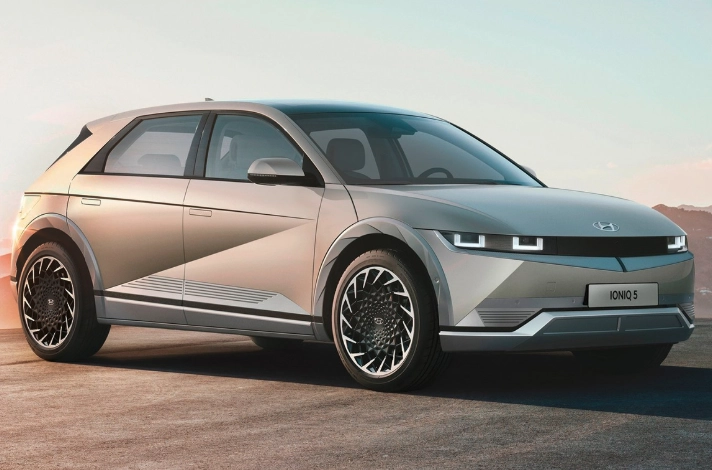
Your Ioniq 3 Questions Answered
What's a realistic starting price for the Hyundai Ioniq 3?
Don't expect it to be "cheap." Given the technology (800V architecture, advanced battery), a starting price in the mid-$30,000s (USD) for a base model is a realistic target. Think $35,000 to $38,000 before any federal or local incentives. That undercuts the Ioniq 5's starting point and positions it directly against the base Model Y and ID.4. A well-equipped dual-motor version will easily push into the mid-$40,000s.
Will there be a high-performance Ioniq 3 N version?
Almost certainly. Hyundai is deeply committed to its N performance brand for EVs. The Ioniq 5 N is a masterpiece of engineering. A smaller, lighter Ioniq 3 N would be an absolute riot—think 400+ horsepower, a tuned AWD system, and aggressive styling. It would be a direct competitor to the upcoming electric hot hatches. Expect it 12-18 months after the standard model's launch.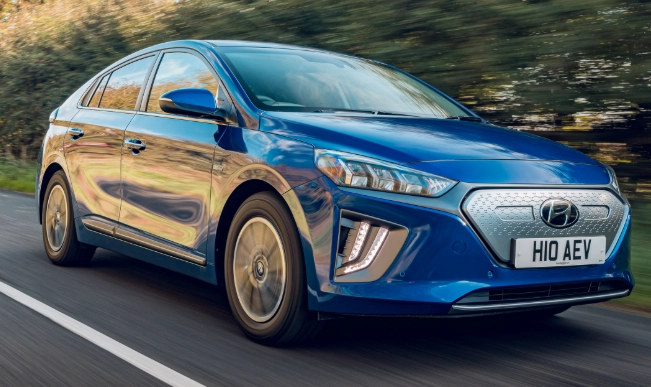
What's the one potential downside reviewers might criticize?
Based on trends, the most common critique will likely be rear visibility. Those sharp, angular C-pillars that look so cool in photos often create massive blind spots in person. The Ioniq 5 and 6 have this issue. The Ioniq 3's more compact dimensions might exaggerate it. Always, always test the sightlines during a test drive. The digital rearview mirror (if offered) will be a must-have option for many.
I need a car now. What's the best "placeholder" EV if I want an Ioniq 3 later?
Look for a short-term lease (24-36 months) on a mainstream EV with high residual value. The Kia Niro EV or the Chevrolet Bolt EUV (if available) are often leased very competitively because their predicted resale value is strong. This gets you into an EV now with lower monthly payments than a purchase, and you can walk away cleanly when the Ioniq 3 arrives. Avoid locking yourself into a 5-year loan on a car you plan to ditch in two.