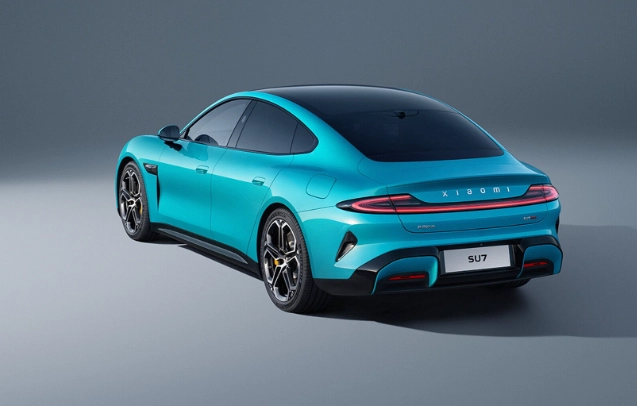
Let's cut to the chase. When Xiaomi, the Chinese tech giant known for affordable smartphones and air fryers, announced it was building an electric car, the collective eye-roll was almost audible. Another tech company thinking it can waltz into the brutally difficult auto industry? Please.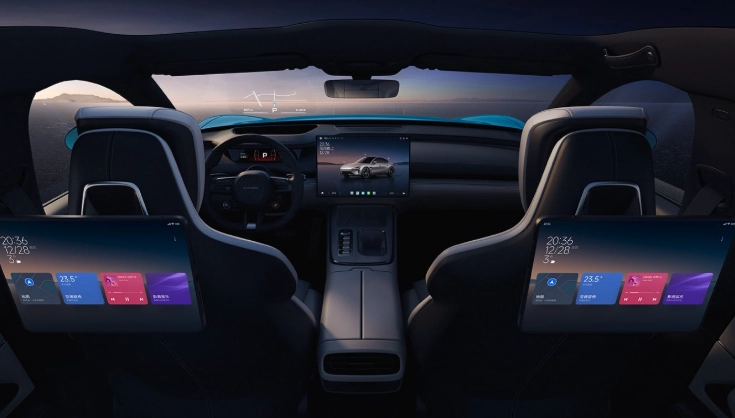
Then they revealed the Xiaomi SU7. And the laughter stopped.
I've spent the last few weeks digging into every spec sheet, watching every hands-on review from China, and talking to industry contacts. This isn't a half-baked concept car. The SU7 is a direct, calculated shot across the bow of Tesla, Porsche, and every legacy automaker still figuring out their EV software. It's a sedan that packs staggering performance, a hyper-connected cabin, and a price tag that makes you do a double-take. But is it all too good to be true? Can you actually live with a car from a smartphone maker?
What You’ll Find in This Review
The Price Shock: How Much, Really?
This is the SU7's secret weapon. Forget the concept car talk; the starting price is the headline.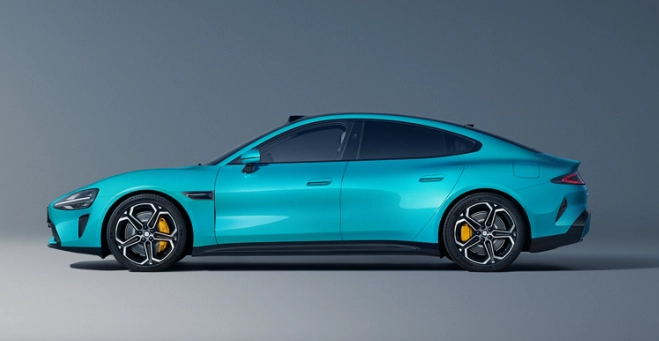
In China, the Xiaomi SU7 Standard starts at approximately 215,900 RMB. That's roughly $30,000 USD. For that, you get a rear-wheel-drive electric sedan with a 73.6 kWh battery (from BYD's Blade), a 295 hp motor, a 0-100 km/h (0-62 mph) time of 5.28 seconds, and a CLTC-rated range of 700 km (435 miles).
Let that sink in. A five-second sedan with over 400 miles of claimed range for thirty grand.
The mid-tier Xiaomi SU7 Pro bumps the battery to 94.3 kWh (CATL Shenxing), keeps it RWD, extends the range to 830 km CLTC, and costs about $34,000.
The flagship Xiaomi SU7 Max is where things get silly. For around $41,000, you get dual motors (AWD), 673 hp, a 101 kWh CATL Qilin battery, a 2.78-second 0-100 km/h time, and an 800V architecture capable of adding 390 km of range in 15 minutes. It also gets laser radar and the full suite of advanced driver-assist hardware.
The Bottom Line: The value is absurd. A similarly specced Tesla Model 3 Long Range or Performance would cost you thousands more. Xiaomi is clearly using its supply chain mastery and willingness to operate on razor-thin hardware margins (a smartphone tactic) to buy market share. It's working.
Under the Hood: Performance That Embarrasses Supercars
I need to be clear: these aren't just numbers on a page. Early test drives from publications like Car and Driver China confirm the SU7 Max is brutally, instantly fast. The dual-motor setup delivers power with a ferocity that feels more like a $100,000 performance EV.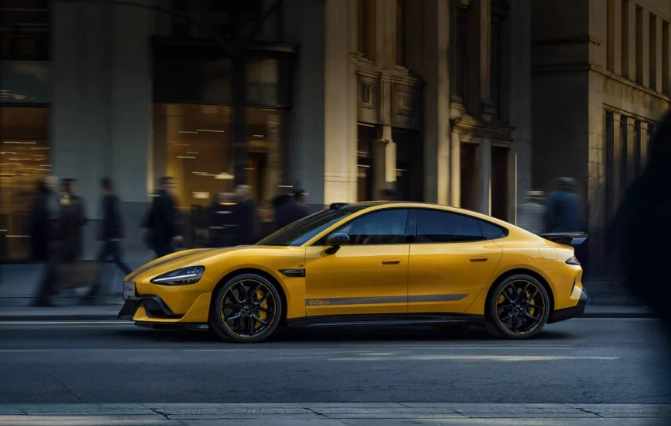
But speed is cheap in the EV world. Handling is harder.
Xiaomi didn't just throw batteries in a tub. They developed a modular platform (dubbed "Modena") with a focus on chassis rigidity and a low center of gravity. They hired engineers from legacy sports car makers. The result? Reviews consistently praise the steering feel and body control, noting it's more engaging and less video-game-like than a Tesla Model 3. The SU7 uses adaptive dampers, and in its sportiest mode, it feels planted and direct.
Here’s a quick breakdown of what you get for your money:
| Model | Xiaomi SU7 Standard | Xiaomi SU7 Max | Tesla Model 3 RWD |
|---|---|---|---|
| Starting Price (Est. USD) | ~$30,000 | ~$41,000 | ~$39,000 |
| Drivetrain | RWD | AWD | RWD |
| Horsepower | 295 hp | 673 hp | 271 hp |
| 0-100 km/h | 5.28s | 2.78s | 5.8s |
| Battery / Range (CLTC) | 73.6 kWh / 700 km | 101 kWh / 800 km | 57.5 kWh / 513 km |
| Charging (Max) | 400V / 150 kW | 800V / 486 kW | 400V / 250 kW |
That charging figure for the Max is a game-changer. 486 kW is among the highest in the world, meaning on a compatible ultra-fast charger, you're looking at a 10-80% charge in about 15 minutes. The catch, as always, is finding a charger that powerful.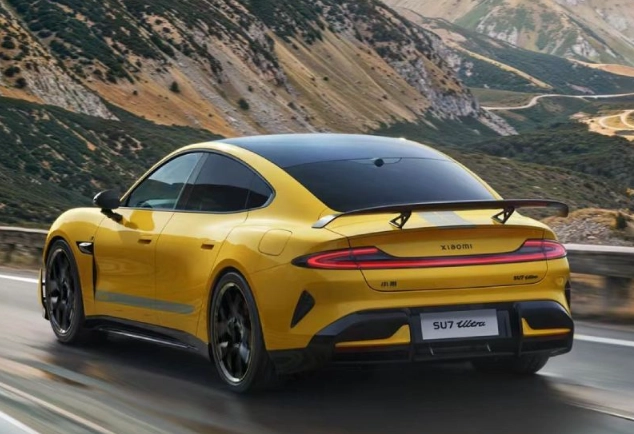
The Cabin & HyperOS: Your Car is Now a Smartphone
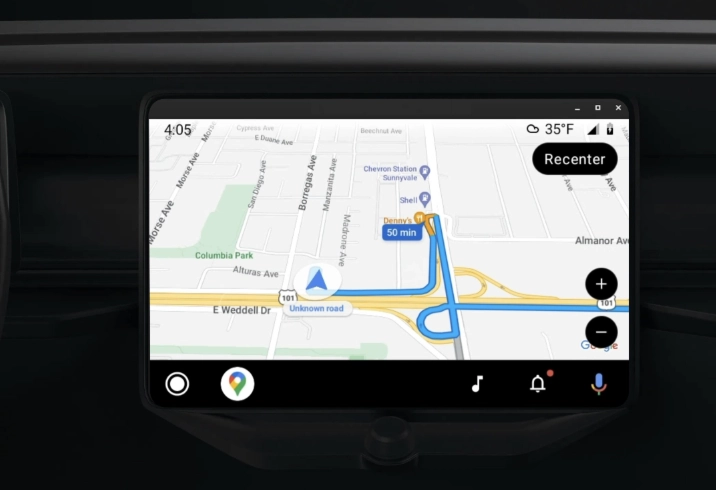
Step inside, and the Tesla influence is clear: a massive 16.1-inch central touchscreen and a 7.1-inch rotating instrument cluster. But the execution feels more premium. There's real leather, alcantara, and soft-touch materials everywhere. It's quieter at highway speeds than a Model 3, thanks to better sound insulation and double-glazed glass.
But the party trick is Xiaomi HyperOS. This isn't just an infotainment system; it's the same operating system that runs Xiaomi phones, tablets, and smart home devices. The integration is staggering.
- Your phone key works flawlessly. Walk up, the car unlocks. Walk away, it locks.
- You can pin any app from your Xiaomi phone directly to the car's screen. Need to finish a video call? Hand it off to the car.
- The voice assistant is scarily good. It understands natural, continuous speech and can control nearly every function of the car, plus your connected smart home. "Hey Xiaomi, I'm 10 minutes from home, turn on the AC and start the robot vacuum" is a real command.
- There are physical buttons for climate control and a head-up display. Thank goodness.
The downside? If you're not in the Xiaomi ecosystem, you miss half the magic. And like any v1.0 software, there are reports of minor bugs and menus that could be simpler. But the foundation is arguably more ambitious and integrated than anything else on the market.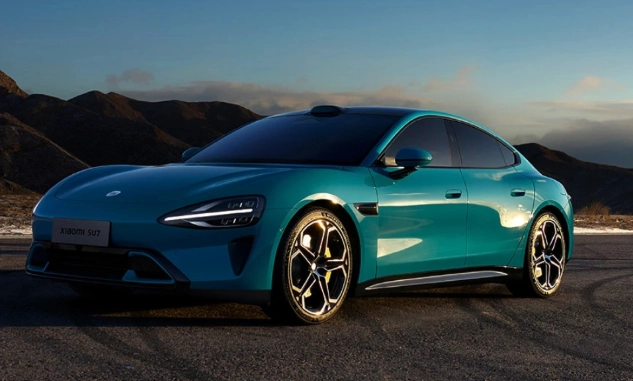
The Tesla Model 3 Comparison: No More Default Choice
For years, if you wanted a tech-forward, performance-oriented EV sedan, the Tesla Model 3 was the default, often the only, answer. The SU7 ends that monopoly.
Where the SU7 wins: Price (by a mile), interior material quality, cabin quietness, charging speed (on the Max), and ecosystem integration. It feels more like a luxury car.
Where the Model 3 still holds an edge: Software polish and stability, a mature and vast Supercharger network (a colossal advantage for travel), proven (if minimalist) driver-assist features, and global brand recognition/service.
The choice is no longer obvious. If you live in a region where the SU7 is sold and value a plush, quiet cabin and insane tech integration, it's a compelling alternative. If road-tripping across a continent is a regular activity, Tesla's network is still king.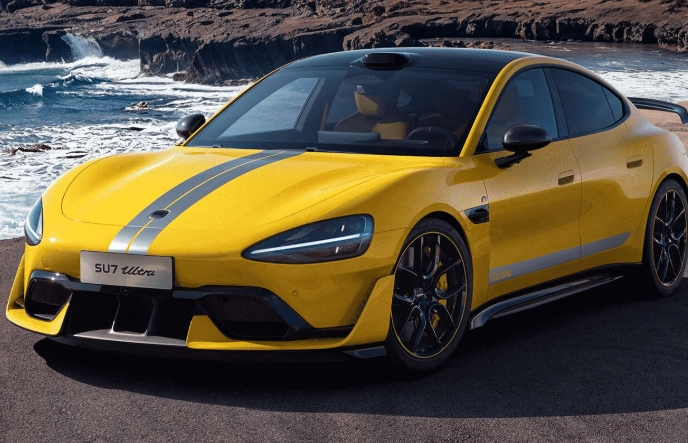
The Verdict: Should You Buy One?
Let's be real. The Xiaomi SU7 is the most exciting EV debut in years. It's not a copycat; it's an evolution, pushing the boundaries on value, charging, and digital life integration.
The Pros are undeniable:
- Unbeatable performance-for-dollar ratio.
- A genuinely luxurious and tech-saturated cabin.
- Class-leading fast charging capability.
- HyperOS makes other car software feel dated.
The Cons give me pause:
- First-generation risks. Xiaomi has never built a car before. Long-term reliability, battery degradation, and build quality consistency are complete unknowns. Remember the early Tesla Model S panel gaps?
- Unproven autonomy. The hardware suite for self-driving is extensive, but the software is untested. I wouldn't trust it over Tesla's or GM's systems yet.
- Limited availability. Initially, it's a China-focused car. Global expansion will be slow and service networks will take years to match established brands.
- Resale value mystery. Who knows what a 5-year-old Xiaomi car will be worth?
My take? If you're an early adopter who loves tech, wants staggering value, and is okay being a bit of a beta tester for a new automotive brand, the SU7 is a thrilling, no-brainer choice. It's the car that finally makes the established players look complacent.
If you need proven reliability, a seamless long-distance charging experience, and the peace of mind that comes with a known quantity, stick with Tesla or a legacy brand's EV for now. But watch Xiaomi closely. They've just changed the game.
Your Burning Questions Answered