What's Inside?
You know that moment. A light drizzle starts, you flip the wipers on, and instead of a clean sweep, you get a smeared, chattering mess that's worse than the rain itself. It's infuriating, and more importantly, it's dangerous. Suddenly, you're online searching, bombarded by brands, types, and promises, all asking for your money. Bosch, Rain-X, Michelin, Valeo, TRICO... the list goes on. Which one is actually worth it? Which is the best wiper blades, not just on paper, but on your windshield at midnight in a downpour?
I've been there. I've bought the cheap $9.99 specials that fell apart in three months. I've also splurged on the "premium" ones that squealed like a stuck pig from day one. It took me years of trial, error, and talking to actual mechanics to figure this out. So, let's skip the marketing fluff. This isn't about declaring one magical "best" blade for everyone—that doesn't exist. It's about finding the best wiper blades for your specific car, your climate, and your budget. We'll dig into the technology, pit the top brands against each other, and I'll even share some hard-learned lessons so you don't make the same mistakes I did.
It's Not Just Rubber on Glass: Understanding Wiper Blade Tech
Before we compare brands, you need to know what you're comparing. The old-school wiper you probably grew up with is the conventional frame (or traditional) blade. It's a metal skeleton with several pressure points holding a rubber refill. They're cheap and work okay on fairly flat windshields. But they have a big weakness: in ice and snow, the frame can get clogged, freeze up, and lose contact with the glass. The multiple pressure points can also cause uneven wiping, leading to streaks.
Then came the revolution: the beam blade (or flat blade). This is what you see on most modern cars from the factory. It's a single, sleek piece of rubber encased in a spring-steel frame with a spoiler. The pressure is distributed evenly along the entire length. This design is better at conforming to the complex curves of today's windshields, resists snow and ice buildup better, and generally provides quieter, more consistent contact. Almost every "premium" wiper today is a beam blade design.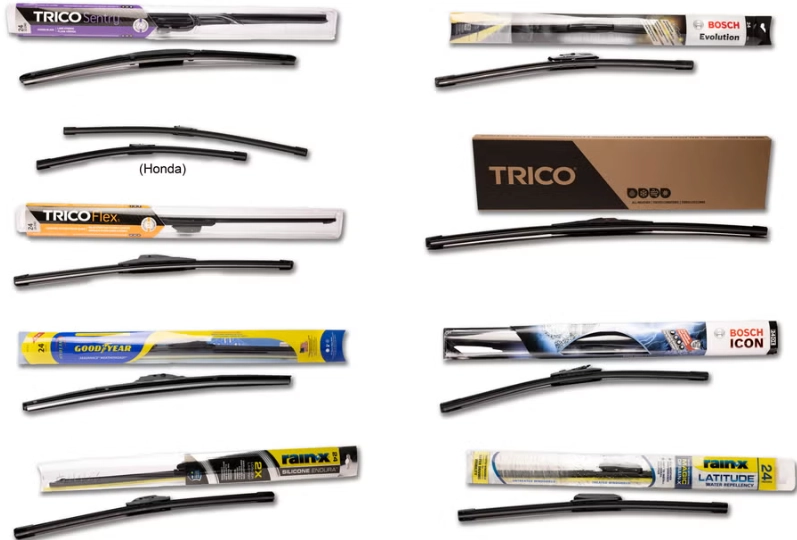
But wait, there's more to it than just shape.
The Rubber (or Silicone) is Where the Magic Happens
The squeegee material is the heart of the blade. Most are made from natural or synthetic rubber compounds.
- Standard Rubber: Does the job but degrades fastest from ozone, UV rays, and road grime. That's where the cracking and hardening comes from.
- Graphite/Treated Rubber: Many premium blades (like Rain-X Latitude) coat the rubber in graphite or other treatments. This is supposed to reduce friction for smoother operation and add a layer of protection. In my experience, it helps, but it's not a forever fix.
- Silicone: This is the gold standard for longevity. Silicone blades (like PIAA Super Silicone) resist heat, cold, and chemical degradation far better than rubber. They can last 2-3 times longer. The catch? They're usually more expensive upfront, and some users find they can be a bit noisier on some windshields until they're "broken in."
The Big Question: How Do You Actually Pick?
So, which is the best wiper blades? The answer starts with questions for you, not the product.
- What's Your Climate? Blizzards in Minnesota? Relentless sun in Texas? Constant rain in Seattle? Your environment is the top dictator. Silicone excels in extreme heat and cold. Beam blades are kings for snow. Some blades have heavy-duty frames for ice.
- What's Your Car's Wiper Arm Connection? This is critical. You have J-hook, side pin, bayonet, or maybe a proprietary clip. Get this wrong, and the blade won't fit, no matter how "best" it is. Your car's manual or a quick look at your current wiper arm will tell you. Most online retailers have fit guides—use them.
- What's Your Windshield Like? Is it highly curved? Many beam blades handle this better. Is it coated with a rain-repellent treatment (like the factory coating on some new cars)? Some blade materials work better with these than others.
- What's Your Priority: Longevity or Performance? Are you looking for the absolute clearest wipe for safety, or do you want to install and forget for years? Silicone wins on longevity; some high-end rubber beams might have a slight edge in initial quietness.
See? It's personal.
Head-to-Head: A Real-World Look at Top Contenders
Let's put some names on the table. I've used or tested most of these, and I've compiled feedback from mechanics and auto enthusiast forums. Remember, "best" is situational. Here’s a breakdown of the usual suspects when people ask, "Which is the best wiper blades?"
| Brand & Model | Type | Key Material/Feature | Best For | Where It Can Disappoint |
|---|---|---|---|---|
| Bosch Icon | Beam Blade | Dual Rubber Compound, Steel Frame | All-weather performance, snow, quiet operation. Often cited as the OEM-style benchmark. | Premium price. Some find the connector system a bit fiddly on certain arms. |
| Rain-X Latitude | Beam Blade | Graphite-Infused Rubber, Water-Repellent Treatment | Users who apply Rain-X washer fluid or treatment. Very smooth, quiet glide. | The water-repellent coating wears off over time (like all coatings). Can be pricey. |
| Valeo Ultimate | Beam Blade | Dual Rubber (one hard, one soft), Aerodynamic Spoiler | High-speed stability, European cars. Excellent OEM-quality alternative. | Less brand recognition in the US, but a massive OE supplier globally. |
| Michelin Stealth Ultra | Hybrid (Beam-like) | Silicon-Fortified Rubber, Frameless Design | Value-for-money, good all-around performance. Often a top pick in budget-to-midrange tests. | Longevity may not match pure silicone or top-tier beams in harsh conditions. |
| PIAA Super Silicone | Silicone Beam Blade | Pure Silicone Rubber | Extreme longevity (2-5 years), UV/ozone resistance. The go-to for longevity seekers. | Highest upfront cost. Can have a break-in period and may not be the absolute quietest initially. |
| TRICO Ice | Heavy-Duty Frame Blade | Rubber, Ice-Shedding Design | Specifically for severe winter/snow belt conditions. Built to handle ice buildup. | Overkill and potentially noisy for mild climates. Not a year-round blade for most. |
Looking at that table, you can start to see how the "best" shifts. For a daily driver in mixed weather where you just want reliable, quiet performance, the Bosch Icon is incredibly hard to beat—it's the consistent A-student. If you live in the desert or near the coast and hate changing blades, the investment in PIAA silicone makes a ton of sense. On a budget but still want modern beam performance? Michelin or store-brand beams from a reputable auto parts store are a solid bet.
Installation: The Make-or-Break Moment
You can buy the best wiper blades in the world and ruin them in five minutes with a bad install. The most common mistake? Not lifting the wiper arm properly before trying to remove the old blade. Let the arm swing all the way up and then change the blade. If you let the arm snap back against a bare metal hook, you can crack your windshield. I've seen it happen. It's a $1000 mistake.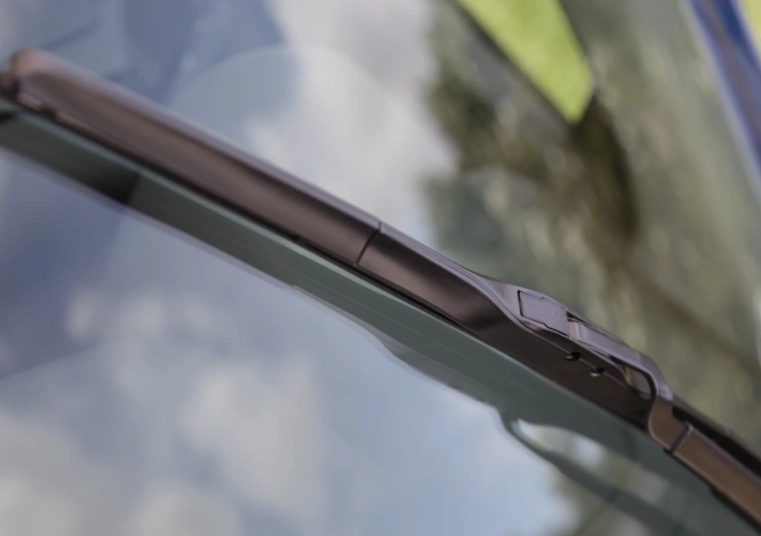
Most modern blades come with a booklet of adapters. Take two minutes to match the correct one to your wiper arm. It should click firmly into place with no play. A loose connection causes chatter and ruins the wipe. After installing, run the wipers on a wet windshield (use washer fluid) to seat them properly. If they skip or chatter, the installation might be wrong, or the windshield might just be very dirty or coated with old wax.
The Wiper Blades FAQ: Stuff You Actually Want to Know
How often should I really change my wiper blades?
The standard advice is every 6-12 months. That's a good guideline, but your eyes and ears are the best gauge. If they streak, chatter, squeak, or leave unwiped patches, it's time. Don't wait for a road trip in a storm to find out.
Can I just replace the rubber refill?
For traditional frame blades, often yes, and it's cheaper. For most beam blades, no—you replace the whole unit. Some high-end beam brands (like PIAA) do sell silicone refills, which is a great cost-saving feature of their system.
Why do my new, expensive wipers still chatter or streak?
This drives people crazy. First, clean your windshield thoroughly with glass cleaner and a razor blade scraper to remove invisible traffic film, wax, or old water repellent. If that doesn't work, the wiper arm tension might be weak (a spring wears out). Or, the windshield might have tiny imperfections or pitting you can't see. Sometimes, unfortunately, a particular blade design just doesn't agree with your particular windshield glass. It's rare, but it happens.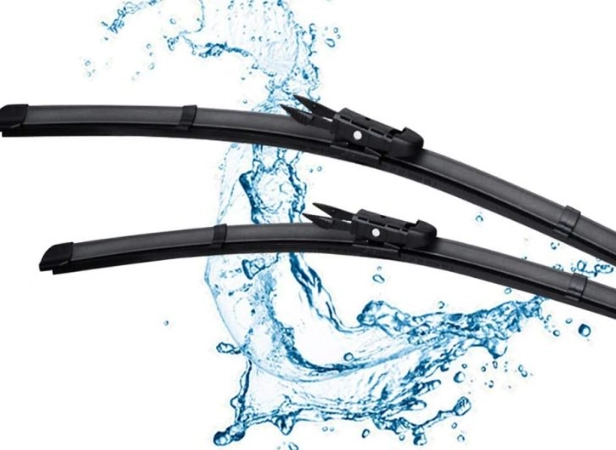
Are the wiper blades that come with the car (OEM) the best?
They're usually very good, specifically engineered for that car's windshield and arm. But they're also expensive from the dealer. Brands like Bosch, Valeo, and DENSO are the OEM suppliers for many carmakers. Buying their aftermarket equivalent is often the exact same part in different packaging for half the price.
What about rear wiper blades?
They're often forgotten until they're a streaky mess. The same rules apply—beam style is usually better. Fit is even more specific, so check your manual or a fit guide carefully.
The Final Verdict: Cutting Through the Noise
So, after all this, which is the best wiper blades? I'll give you my honest, no-BS conclusion.
For 80% of drivers, a quality beam-style blade from a major brand like Bosch, Valeo, or Rain-X is the sweet spot of performance, noise, and value. You're getting modern technology that works with modern cars. Among those, the Bosch Icon has earned its reputation for relentless consistency.
If you live where the sun bakes everything or you simply despise maintenance, jump straight to silicone blades (PIAA). The math on cost-per-year works out, and you get peace of mind.
And for heaven's sake, ignore the rock-bottom priced mystery brands. Your safety is worth more than saving $15.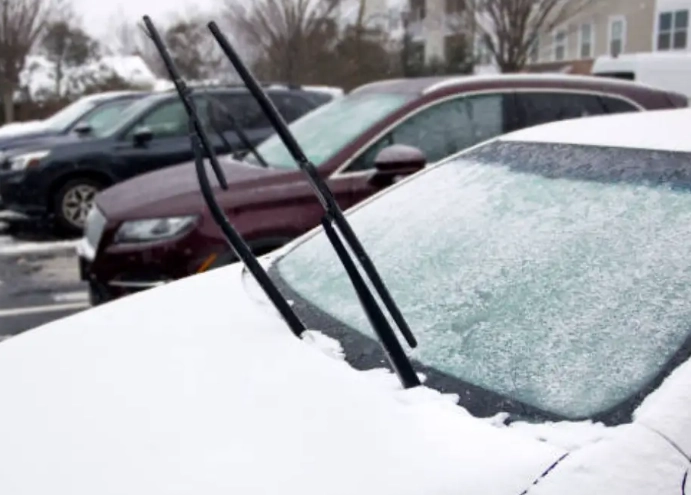
Now, go check your wipers. Are they clearing cleanly, or are they leaving those tell-tale hazy lines? Maybe it's time. Your future self, driving home in an unexpected summer storm, will thank you.