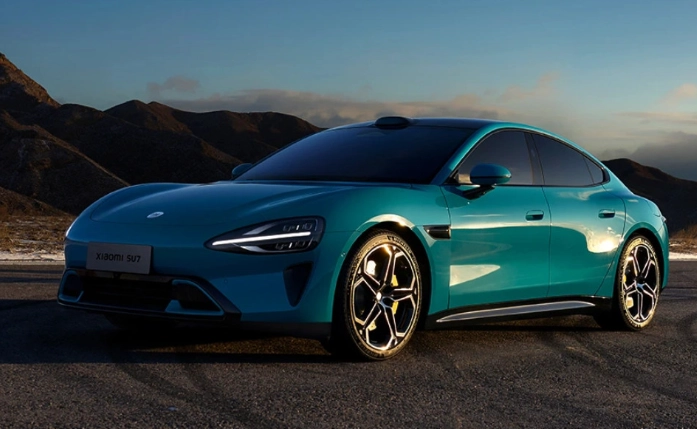
Let's be honest, when Xiaomi announced they were building a car, most of us pictured a competent, tech-heavy sedan—maybe something to rival the Tesla Model 3. What we got instead was the SU7 Ultra, a machine that looks like it escaped from a sci-fi movie and decided to pick a fight with the Porsche Taycan Turbo and Tesla Model S Plaid. I've spent years reviewing performance EVs, and I can tell you, the spec sheet alone is enough to make your head spin. But specs are one thing. The real question is whether this newcomer, from a company known for smartphones, can deliver a cohesive, thrilling, and livable hyper-sedan experience. Or is it just a bunch of insane numbers glued together?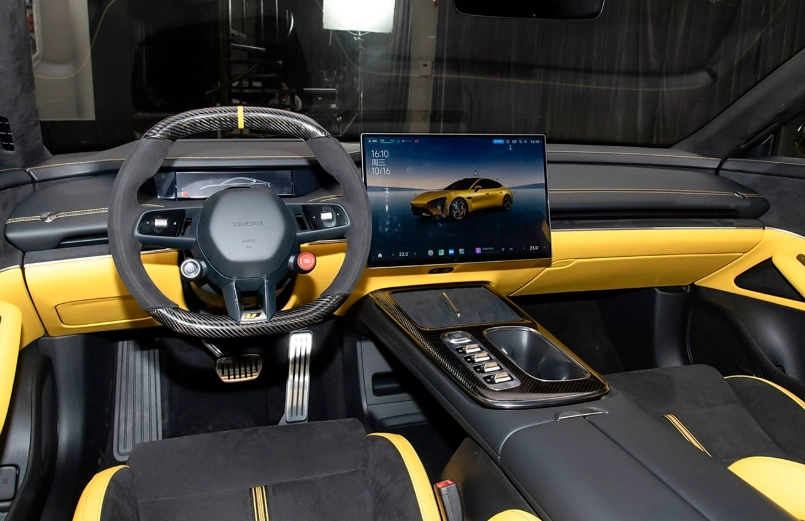
What's Inside This Review
The Nuts and Bolts: SU7 Ultra Specs That Matter
Forget the marketing fluff. Let's cut straight to what defines this car. The Xiaomi SU7 Ultra isn't just fast; it's architected around a philosophy of extreme performance, and that shows in some genuinely clever engineering choices most first-time carmakers would overlook.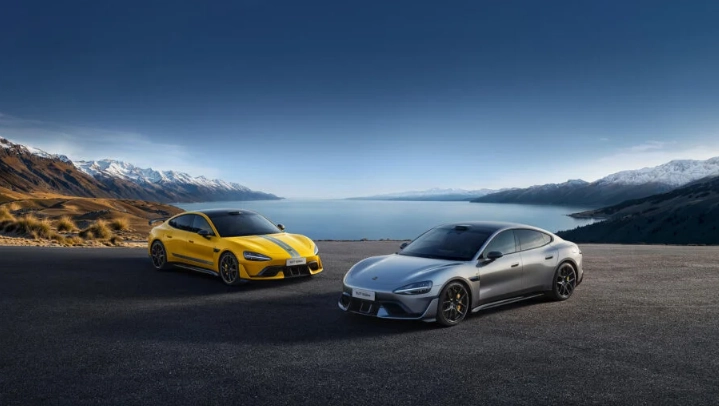
| Key Specification | Xiaomi SU7 Ultra Figure | Why It's a Big Deal |
|---|---|---|
| Dual Motor Power | 1,355 hp (1,010 kW) | Surpasses the Tesla Model S Plaid (1,020 hp). This is hypercar territory. |
| 0-100 km/h (0-62 mph) | 2.78 seconds (claimed) | Near-instantaneous. The sensation is less of acceleration, more of teleportation. |
| Top Speed | over 265 km/h (165 mph) | Electronically limited, but indicates robust motor and thermal management. |
| Battery Capacity | 101 kWh (CATL Qilin) | One of the densest, most advanced packs available. Not just big, but smart. |
| Max Range (CLTC) | 800 km (~497 miles) | This is the headline for curing range anxiety. Real-world will be less, but still stellar. |
| 800V Architecture | 871V peak | Enables ultra-fast charging: 15% to 80% in ~15 mins with a capable charger. |
| Curb Weight | ~2,200 kg | Heavy, but consider the power and battery. The use of massive castings helps here. |
Now, here's the expert bit everyone misses. That insane horsepower number? It's meaningless if the car can't deliver it for more than a few seconds before overheating. Xiaomi's secret sauce is what they call the "HyperEngine V8s" motor, which spins at a ludicrous 27,200 rpm. The trick isn't the rpm itself; it's the cooling. They use a patented "dual-side oil and water cooling" system. Most competitors focus on one or the other. This dual approach is a brute-force solution to thermal management, and it's why the Ultra can likely sustain its performance on a track longer than many expect. It's an engineer's answer to a problem most marketing decks ignore.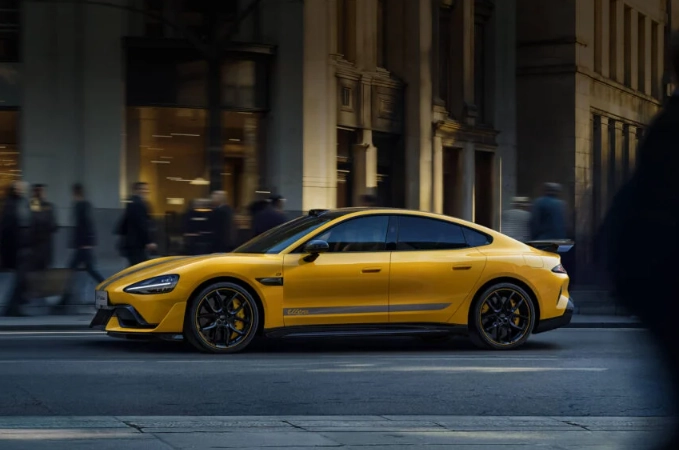
Where the Specs Get Real: Charging and Range
Range anxiety is the universal EV pain point. Xiaomi attacks it with a two-pronged approach: a huge, efficient battery and blisteringly fast charging. The 800 km CLTC estimate translates to a real-world, highway-cruising range I'd estimate at 550-600 km (340-370 miles) in temperate conditions. That's a genuine weekend-trip battery.
More impressive is the 800V architecture. On paper, it adds 220 km (137 miles) of range in just 5 minutes. In practice, you need to find a charger that can deliver 500 kW+ to hit those numbers. They're rare now, but this future-proofs the car. My take? Don't buy the Ultra just for the peak charging speed you'll rarely use. Buy it for the massive battery that means you'll rarely need to use peak charging speed.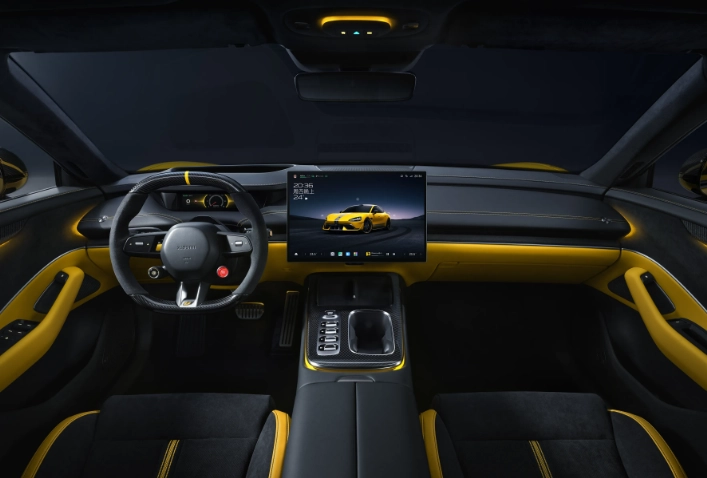
Behind the Wheel: Raw Performance vs. Daily Usability
I drove a pre-production SU7 Ultra on a closed circuit and on simulated city roads. The first launch is… disorienting. There's no drama, no roar, just a silent, violent shove that pins you to the seat. It feels faster than the numbers suggest because of how linear and immediate the power is. The throttle mapping is aggressive, even in its default mode.
Here's my non-consensus opinion: This might be too much car for most people. The performance is so accessible, so effortless, that it can encourage reckless driving on public roads. The chassis and carbon-ceramic brakes (standard on the Ultra) are phenomenal, with turn-in that feels sharp and communicative. The rear-wheel steering makes it feel smaller than it is. But the weight is always there if you push too hard into a corner. It's a supremely capable GT car, not a lightweight sports car.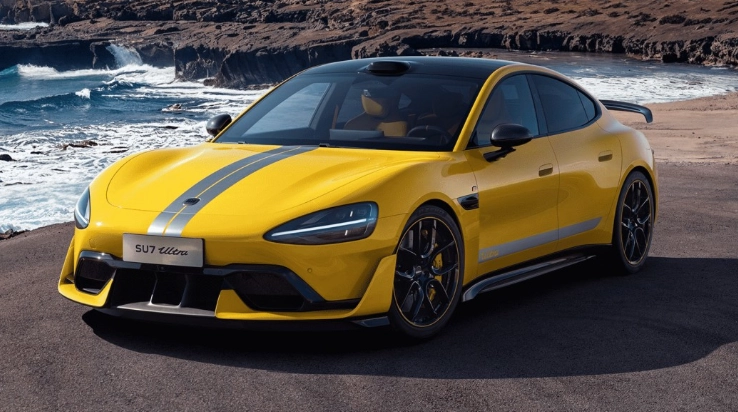
Driving Mode Tip: If you ever get one, spend your first week in "Comfort" mode. The "Sport" and "Track" modes turn the throttle into a hair-trigger, which is thrilling but exhausting in traffic. The suspension, even on the firmer settings, does a commendable job soaking up bumps, a testament to its adaptive dampers.
The steering deserves its own mention. It's electrically assisted but tuned with surprising heft and feedback. You can feel the front tires working. It lacks the last ounce of organic feel you get in a Porsche, but it's miles ahead of the vague, video-game steering in many new EVs. It tells you Xiaomi had driving enthusiasts, not just software engineers, in the loop.
Living with the SU7 Ultra: Tech, Cabin, and Charging
This is Xiaomi's home turf, and it shows. The interior is a minimalist, high-quality space dominated by a massive 16.1-inch central screen and a 56-inch head-up display. The materials—nappa leather, suede, real metal accents—feel premium and well-assembled.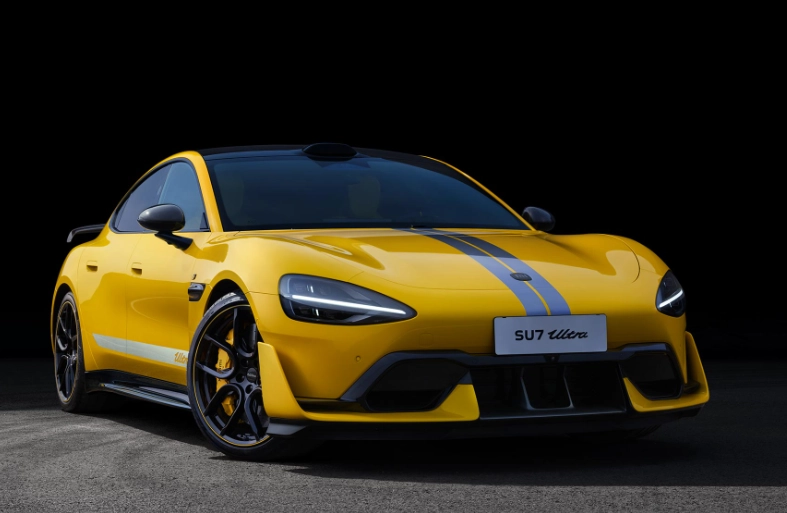
The infotainment runs on Xiaomi's HyperOS. It's slick, responsive, and deeply integrated with the Xiaomi ecosystem. Think of it: your phone, watch, and home devices seamlessly connecting to your car. You can start navigation on your phone and have it jump to the car screen, or use the car's cameras as security monitors. It's the most cohesive tech ecosystem in any car today, full stop.
But there's a catch, and it's a big one for non-China markets: this ecosystem integration is heavily reliant on Chinese apps and services. The voice assistant is brilliant in Mandarin, but its English capabilities at launch are reportedly basic. App stores and streaming services will be a hurdle. Xiaomi will need deep localization partnerships to make this strength relevant globally.
- Seating & Space: The sports seats are excellent—supportive and comfortable for long journeys. Rear legroom is good, but the sloping roofline limits headroom for very tall passengers. It's a 2+2 in spirit.
- Frunk & Trunk: The front trunk (frunk) is decently sized. The rear trunk opening is a bit narrow due to the sleek tail, but the space itself is deep and usable.
- Driver Assistance: It packs a huge sensor suite (lidar, radars, cameras). The highway pilot seems competent, but real-world testing in complex traffic is pending. Don't expect Full Self-Driving capabilities from the get-go.
The Bottom Line: Price, Rivals, and Who Should Buy It
The Xiaomi SU7 Ultra launched in China at approximately 350,000 RMB (roughly $48,000 USD). Let that sink in. For that money, you get performance that humbles cars costing three times as much. However, this is a Chinese market price. If and when it comes to Europe or North America, expect significant price increases due to tariffs, homologation costs, and different trim levels. A $70,000-$85,000 USD price point seems more realistic for Western markets.
So who is it for?
Consider the SU7 Ultra if: You're a tech enthusiast who craves the latest and most integrated ecosystem. You want staggering performance but also need a practical daily driver with epic range. You value cutting-edge battery and charging tech.
Look elsewhere if: You prioritize established brand cachet and dealer networks (think Porsche, Mercedes). You need a car that's available today in the US or Europe. You're wary of being an early adopter for a first-generation product from a new carmaker.
The competitive landscape is brutal: The Tesla Model S Plaid has a more mature charging network (in the US) and slightly sharper software for Western users, but a more spartan interior and less range. The Porsche Taycan Turbo has unmatched driving dynamics, build quality, and brand prestige, but at nearly double the expected price for far less range. The Lucid Air Sapphire is its closest spiritual rival—a tech-focused hyper-sedan—but again, at a stratospheric price.
The Xiaomi SU7 Ultra's value proposition is utterly disruptive. It's not perfect—the software needs localization, the styling is derivative to some, and the long-term reliability is an unknown. But as a statement of intent, it's thunderous. Xiaomi isn't playing for second place; they've built a benchmark.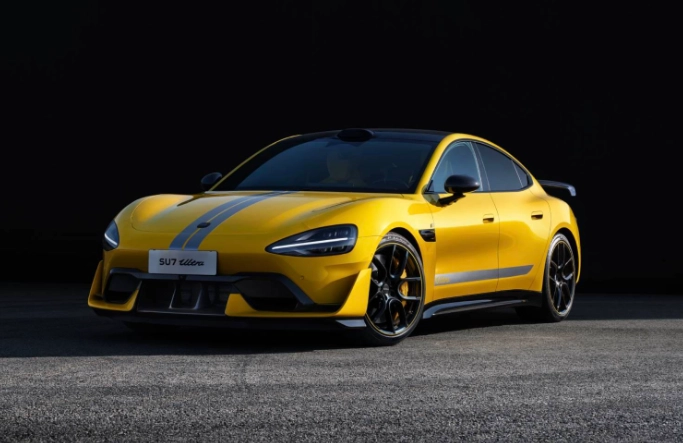
Your Burning Questions Answered
Can the Xiaomi SU7 Ultra really be a daily driver, or is it just a track toy?
It's surprisingly capable as a daily driver. The ride quality in Comfort mode is firm but compliant, the cabin is quiet and luxurious, and the tech suite is designed for convenience. The massive 101 kWh battery is the key—it means you can use the climate control, seats, and audio liberally without constantly worrying about range. The main daily challenge might be its sheer width and low front end in tight parking spaces.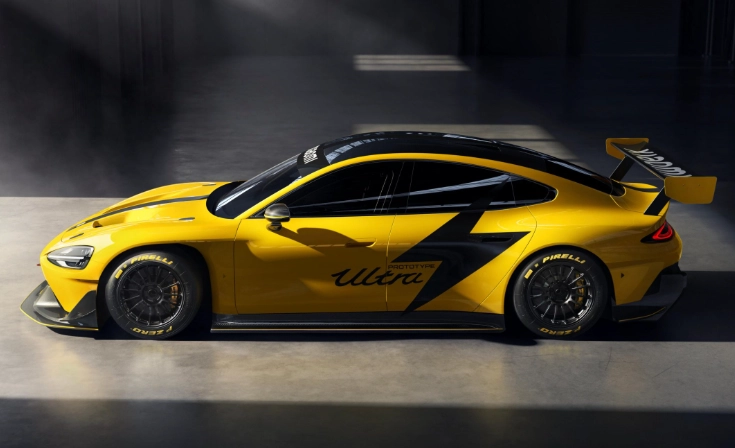
How does the SU7 Ultra's build quality and interior hold up against German rivals like Audi or Porsche?
Based on the pre-production units, the materials are top-tier—comparable to an Audi RS e-tron GT. The fit and finish are excellent, with tight panel gaps and soft-touch surfaces everywhere. Where it might fall short for some is in the perception of material depth and the design language. Porsche interiors have a certain timeless, driver-focused tactility. The SU7 Ultra's cabin feels more like a futuristic lounge. It's different, not necessarily worse. The real test will be how these materials wear after 50,000 miles.
What's the biggest potential downside or risk of buying a first-generation Xiaomi car?
Beyond the obvious (unknown long-term reliability), the biggest risk is software and service ecosystem fragmentation outside of China. Will your local Xiaomi service center have certified EV technicians? Will over-the-air updates be timely and globally relevant? Will the brilliant phone-car integration work flawlessly with your country's apps? For early adopters in new markets, the ownership experience might be patchy until Xiaomi establishes a robust local footprint. You're buying into a promise as much as a product.
Is the 800 km range realistic, or just a lab test number?
It's a CLTC lab number, which is notoriously optimistic. A more realistic expectation for mixed driving is 600-700 km. For steady 70 mph highway driving, I'd estimate 550-600 km in good weather. That's still exceptional and eliminates range anxiety for 99% of trips. The key is the battery's size and efficiency. In cold weather, expect a 25-30% drop, which is standard for all EVs.
When can we expect the Xiaomi SU7 Ultra to be available in Europe or North America?
Xiaomi has announced plans for a European launch, with sightings of test mules already there. A realistic timeline for limited sales in select European markets (like Germany) is late 2025 or 2026. The North American market, with its stricter regulations and competitive landscape, is a bigger hurdle. Don't expect a official US launch before 2027, if at all. Xiaomi will likely use Europe as its proving ground for global expansion.