What You’ll Learn in This Guide
So you're thinking about a blank slate truck. Maybe you've seen those builds online—trucks stripped down to the frame, ready for anything. It's tempting, right? But where do you even start? I've been there. My first project was a disaster because I jumped in without a plan. Let's avoid that.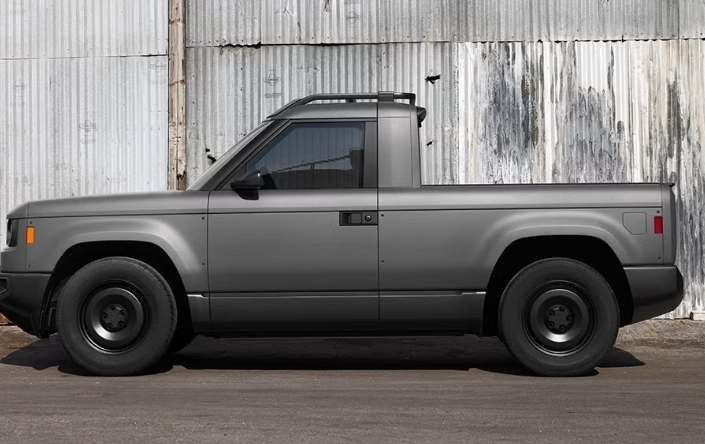
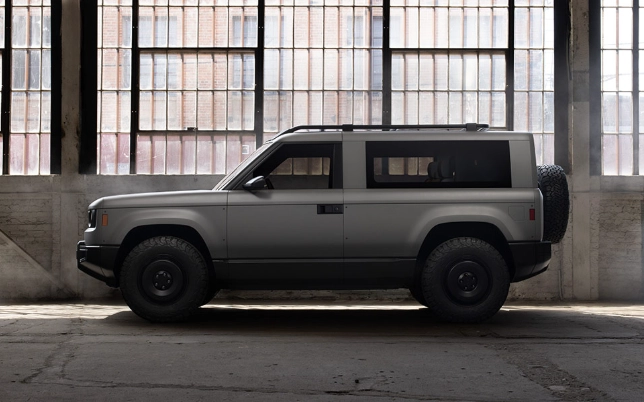
A blank slate truck isn't just any truck. It's usually a chassis or base model with minimal features, giving you a clean canvas to build on. Think of it as the foundation for your dream rig, whether for off-roading, towing, or just turning heads on the street.
What is a Blank Slate Truck?
In simple terms, a blank slate truck is a vehicle that comes with the basics—often just the chassis, engine, and cab—leaving everything else up to you. It's like buying a house shell and deciding on the interior yourself. These trucks are popular among enthusiasts who want full control over customization.
You might find them sold as "rolling chassis" or "base models" from manufacturers or through specialized dealers. The key is they're designed to be modified. According to industry reports from sources like Edmunds, the demand for customizable trucks has grown, especially among DIY builders.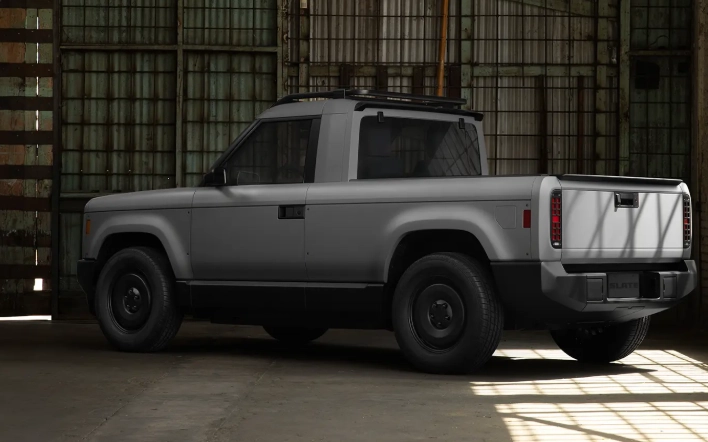
But here's a non-consensus point: many people assume a blank slate truck is cheaper. Not always. If you're not careful, customization costs can spiral. I learned that the hard way when I overspent on flashy rims before upgrading the suspension.
How to Choose the Right Blank Slate Truck for You
Choosing isn't just about picking the shiniest frame. You need to match the truck to your needs. Start by asking yourself: what will I use it for? Daily driver? Heavy towing? Weekend adventures?
Assessing Your Towing and Payload Requirements
If you're planning to tow, check the Gross Vehicle Weight Rating (GVWR). A common mistake is ignoring this and ending up with a truck that can't handle your trailer. For example, a half-ton chassis might not cut it for a large camper.
New vs. Used Blank Slate Trucks: Pros and Cons
New trucks offer warranty and latest features, but they're pricey. Used ones can save money, but watch for rust or hidden damage. I once bought a used chassis without inspecting the frame rails—big regret. Always get a mechanic's check.
Consider your budget realistically. A blank slate project can range from $10,000 to over $50,000 just for the base, before mods. List your priorities: engine power, durability, or tech features.
Blank Slate Truck Customization Options
This is the fun part. Customization lets you tailor every inch. But it's easy to get overwhelmed. Focus on core areas first.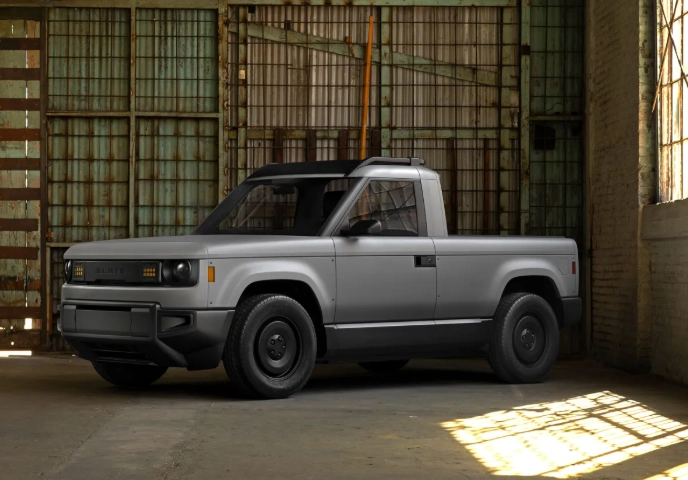
Here’s a quick breakdown of common upgrades:
| Category | Options | Estimated Cost |
|---|---|---|
| Engine & Performance | Turbochargers, exhaust systems, tuning chips | $1,000 - $10,000+ |
| Suspension | Lift kits, shock absorbers, air ride systems | $500 - $5,000 |
| Exterior | Body kits, paint jobs, LED lighting | $1,000 - $8,000 |
| Interior | Seats, audio systems, climate control | $500 - $7,000 |
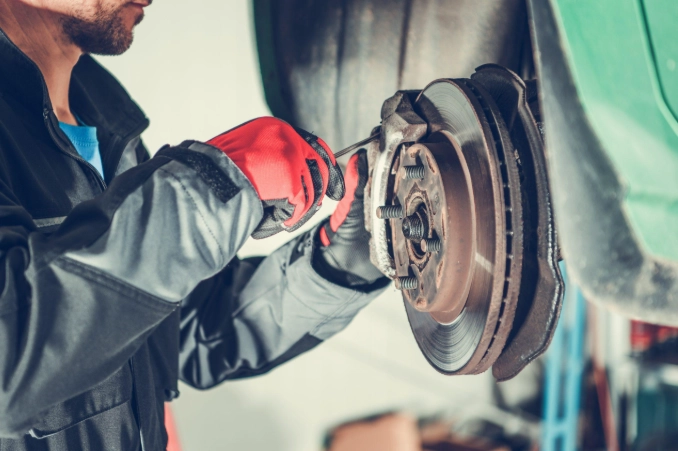
Don't just follow trends. I've seen builders prioritize looks over function, ending up with a truck that looks cool but drives poorly. Start with suspension and brakes—they're boring but essential for safety.
Another tip: plan your wiring early. Messy electrical work can cause headaches down the road. Use quality parts from reputable brands, even if it means saving up longer.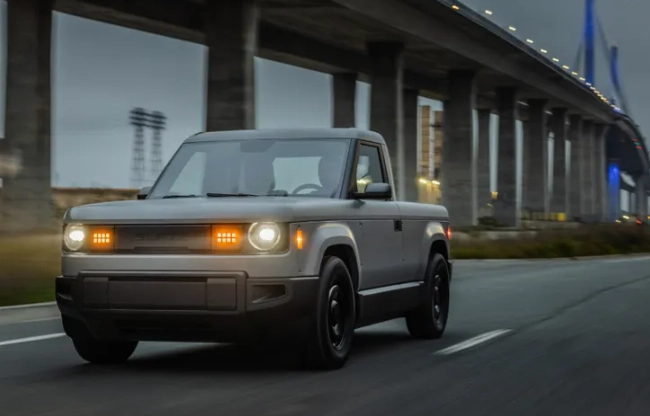
Step-by-Step Guide to Purchasing a Blank Slate Truck
Buying a blank slate truck isn't like walking into a dealership for a ready-made vehicle. It requires research and patience.
Step 1: Define your goals. Write down what you want the truck to do. Be specific—like "tow 5,000 lbs" or "fit 35-inch tires."
Step 2: Research models. Look for chassis that match your needs. Popular options include Ford F-Series base frames or Chevrolet Silverado chassis. Check forums and reviews; sites like Car and Driver have comparisons.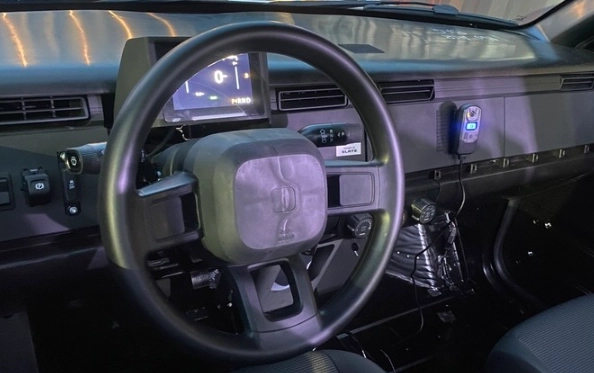
Step 3: Set a budget. Include not just the truck cost, but also tools, labor if you're hiring help, and unexpected expenses. Add a 20% buffer—trust me, you'll need it.
Step 4: Find sellers. You can buy from manufacturers, specialty dealers, or online marketplaces. Inspect in person if possible. I once bought a truck sight-unseen and found rust issues later.
Step 5: Negotiate and close the deal. Get everything in writing, including warranty details. Don't rush this step.
Step 6: Plan the build. Before you start customizing, have a detailed plan. Sketch it out or use software. This prevents costly changes mid-project.
Maintenance and Care for Your Custom Truck
Once your blank slate truck is built, maintenance is key to longevity. Custom parts often require special attention.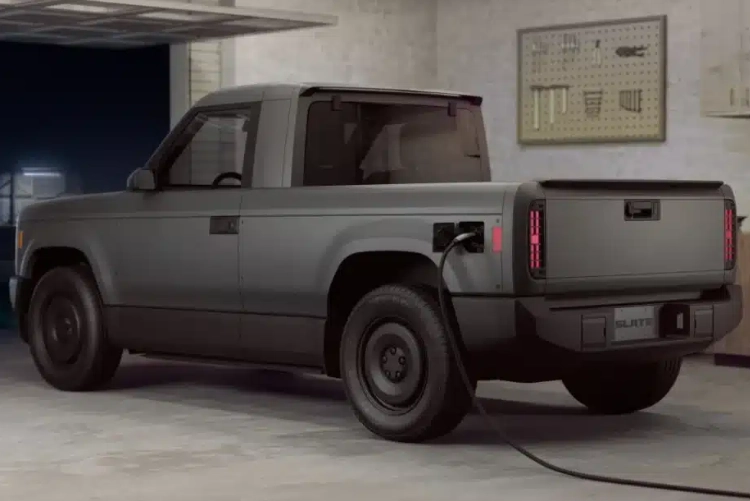
Regular checks are a must. Focus on:
- Suspension components: After lift kits, alignment can drift. Check every 5,000 miles.
- Electrical systems: Custom wiring can loosen. Inspect connections annually.
- Engine mods: Performance upgrades might need more frequent oil changes.
I learned to keep a logbook for maintenance. It helps track what's been done and when. Also, use quality fluids—cheap oil can ruin a built engine.
Storage matters too. If you're not driving daily, keep it in a dry place to prevent rust, especially if you've invested in a custom paint job.