Your Quick Guide to Fuel Pump Symptoms
Let's talk about something that can turn a normal day into a huge headache: a failing fuel pump. You're driving along, maybe listening to some music, and then your car starts acting weird. It sputters, it hesitates, it might even just... stop. If you've ever been stranded on the side of the road, you know the feeling. And more often than not, the culprit is that little electric motor hiding in your fuel tank.
So, what are the symptoms of a failing fuel pump, really? It's not always as dramatic as the car dying on the highway. Sometimes the signs are subtle, little whispers your car gives you weeks or even months before the final shout. Ignoring those whispers can be expensive. I learned that the hard way when my old pickup truck gave up the ghost in the middle of nowhere. The tow truck fee alone was a lesson in paying attention.
This guide is here to help you listen to those whispers. We'll break down every single warning sign, from the obvious to the easily missed. We'll also get into the "why" behind each symptom, because understanding what's happening makes you a smarter car owner. I'll share some simple ways you can check things yourself before calling a mechanic, talk about what the repair involves, and even how you might prevent the problem in the first place.
The Major Red Flags: Symptoms You Can't Ignore
These are the classic signs that scream "fuel pump problem." If you're experiencing any of these, it's time to pay serious attention.
Loss of Power Under Load (The "Sputter and Stall")
This is arguably the most common and telling symptom. Your car starts and idles just fine in the driveway. But when you demand more from the engine—like accelerating onto a highway, climbing a steep hill, or trying to pass another car—it stumbles, jerks, or feels like it's surging. You press the gas, but the car just doesn't go.
Why does this happen? A weak fuel pump can't keep up with the engine's thirst for fuel during high-demand situations. It might provide enough pressure at idle, but when the computer asks for more fuel, the pump can't deliver. The engine starves for a split second, causing that horrible hesitation or bucking sensation. It feels scary and unsafe, especially in traffic.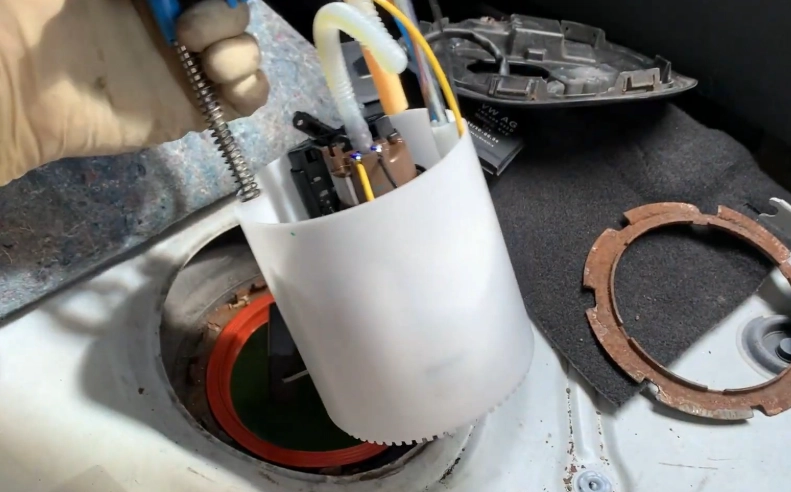
Difficulty Starting, or Extended Cranking
You turn the key, and the starter motor cranks the engine over... and over... and over. It takes much longer than usual to fire up. In severe cases, it won't start at all. This is often related to something called "low residual fuel pressure." A healthy fuel pump maintains pressure in the fuel lines even after the car is off. A failing one lets that pressure bleed down almost immediately. So when you go to start, the pump has to work from zero to build up enough pressure to start the engine, which takes extra cranking time.
Here's a personal tip: If your car has trouble starting first thing in the morning or after sitting for a few hours, but starts fine if you try again 10 minutes later, pay attention. That's a classic fuel pump moan.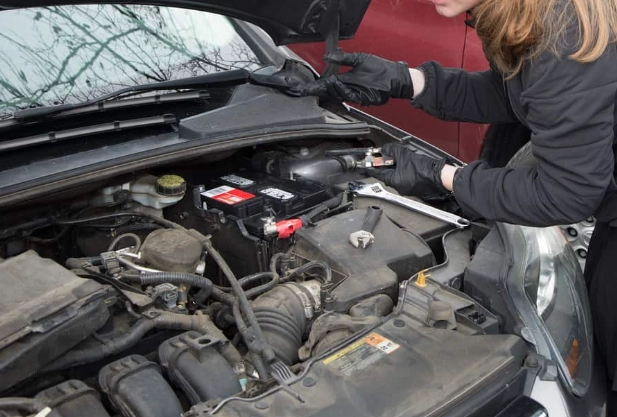
Engine Stalling at Random
The car starts, you drive for a bit, and then it just quits. It might restart after sitting for a few minutes, or it might not. This intermittent stalling is a huge clue. It often happens when the fuel pump gets hot. The electrical components inside wear out and can't handle the heat, causing a temporary failure. Once it cools down, it might work again for a little while. This is a frustrating and dangerous symptom because it's so unpredictable.
Whining or Humming Noise from the Fuel Tank
Listen when you first turn the key to the "ON" position (before starting the engine). You should hear a faint humming or buzzing sound from the rear of the car for about 2-3 seconds. That's the fuel pump priming the system. If that sound becomes a loud, high-pitched whine or groan, it's a sign the pump is working way too hard. The internal bearings or armature are wearing out. I once had a car that sounded like a supercharger was installed in the back seat—it was just a very angry, dying fuel pump.
Conversely, no sound at all when you turn the key to ON is also a major red flag. It could mean the pump has completely lost power or has failed electrically.
The Subtle Clues: Early Warning Signs
Before the major drama starts, your car often sends subtler signals. Catching these early can save you from a breakdown.
Decreased Fuel Economy
You find yourself visiting the gas station more often, but your driving habits haven't changed. A struggling fuel pump can disrupt the precise air/fuel ratio managed by the engine computer. If the pump isn't delivering fuel at the correct pressure, the computer might compensate by enriching the mixture (adding more fuel), which burns less efficiently. It's a slow drain on your wallet that you might not immediately connect to the pump.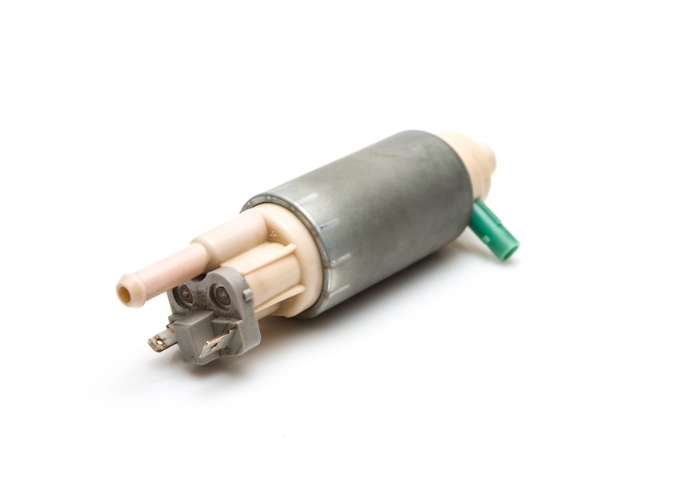
Poor High-Speed Performance
The car feels fine around town but feels sluggish or flat at sustained highway speeds. Again, this points to the pump's inability to maintain consistent high pressure under a steady, high-demand load.
Check Engine Light with Fuel-Related Codes
While a failing pump won't always trigger a check engine light immediately, it often will as performance degrades. Common diagnostic trouble codes (DTCs) related to fuel pump issues include:
- P0087: Fuel Rail/System Pressure Too Low. This is a direct hit.
- P0190: Fuel Rail Pressure Sensor Circuit Malfunction. (Could be sensor or pump).
- P0230: Fuel Pump Primary Circuit Malfunction. An electrical circuit code for the pump itself.
- Lean condition codes like P0171 or P0174 (System Too Lean). The engine is detecting not enough fuel.
A code scanner is a cheap and invaluable tool for any car owner. It won't tell you the pump is bad, but it points you directly to the fuel system.
How to Diagnose a Failing Fuel Pump (Beyond Guessing)
You shouldn't just throw a $300-$600 part at a problem based on a hunch. Here are ways to verify if the symptoms you're seeing truly point to the fuel pump.
The Fuel Pressure Test
This is the gold standard. A mechanic (or a confident DIYer with a rental tool) connects a fuel pressure gauge to the Schrader valve on the fuel rail. They check:
- Key-On/Engine-Off Pressure: Pressure when you first turn the key. It should hit a specific PSI (check your service manual) and hold steady.
- Idle Pressure: Pressure with the engine running.
- Pressure Under Load: Pressure when revving the engine or simulating load (pinching the return line, if applicable). A healthy pump will maintain steady pressure; a weak one will see a significant drop.
This test gives you hard data. If pressure is below specification or drops dramatically under load, you've found your culprit.
The Fuel Volume Test
Pressure is one thing, but volume is another. A pump might create decent pressure but not move enough fuel. This test measures how much fuel the pump can deliver in a set time (e.g., one pint in 30 seconds). It's another definitive check outlined in many service manuals.
Electrical Checks
Before condemning the pump, check if it's getting power. A blown fuse, a bad relay, or corroded wiring can mimic a dead pump. You can often hear the relay click when you turn the key. Checking for battery voltage at the pump's electrical connector (with the key on) is a solid step. Resources like the SAE International website, while technical, underscore the importance of proper electrical diagnostics in modern vehicle systems, which goes far beyond just swapping parts.
| Symptom | What It Feels/Looks Like | Likely Stage of Failure | Urgency Level |
|---|---|---|---|
| Power Loss Under Load | Jerking, surging, lack of acceleration when pressing gas hard. | Mid-Stage Failure. Pump is weakening. | High. Address soon to avoid stalling. |
| Long Cranking Times | Engine turns over 5+ seconds before starting, especially when cold. | Early to Mid-Stage. | Medium-High. Inconvenient and hard on starter. |
| Engine Stalling Intermittently | Car suddenly dies while driving, may restart later. | Late-Stage Failure. Often heat-related. | Very High. Dangerous. Stop driving. |
| Loud Whine from Fuel Tank | High-pitched noise when key is turned on or while driving. | Early Warning Sign. | Medium. Schedule diagnosis. |
| Decreased Fuel Economy | More frequent fill-ups without explanation. | Very Early Stage. | Low-Medium. Investigate cause. |
| Car Won't Start at All | Engine cranks but never fires. No fuel pump prime noise. | Complete Failure. | Immediate. Needs repair. |
What to Do If You Suspect a Failing Fuel Pump
Okay, so you've recognized one or more symptoms. What's the next step?
- Don't Ignore It. It will not get better on its own. It will only get worse, likely at the most inconvenient time possible.
- Perform or Get a Fuel Pressure Test. This is the most important diagnostic step. It confirms the problem and rules out other issues like a clogged fuel filter (which can cause similar symptoms) or a bad pressure regulator.
- Consider the Fuel Filter. A clogged in-line fuel filter can mimic many pump symptoms by restricting flow. On many cars, it's a cheap and easy part to replace. Some mechanics recommend replacing it when doing a pump as preventative maintenance anyway. For information on maintenance schedules, consulting your vehicle's official service manual or a trusted resource like the NHTSA website for vehicle maintenance guidelines is a good practice, as they emphasize the safety aspect of regular upkeep.
- Choose Quality Parts. If the pump needs replacement, don't buy the absolute cheapest option. The fuel pump is a critical component. OEM (Original Equipment Manufacturer) or reputable aftermarket brands (like Bosch, Delphi, Denso) are worth the extra investment. A cheap pump might fail prematurely.
- Understand the Repair. On most modern cars, the fuel pump is part of a "fuel pump module" or "sender unit" located inside the fuel tank. This means the repair typically involves dropping the fuel tank or, on some models, accessing it from under the rear seat. It's a labor-intensive job. The part itself might be $200-$400, but labor can easily match or exceed that.
Common Questions About Fuel Pump Failure
Let's tackle some of the other things people wonder when they're searching for what are the symptoms of a failing fuel pump.
Final Thoughts: Listen to Your Car
Figuring out what are the symptoms of a failing fuel pump is all about connecting the dots. Your car is a complex machine, but it communicates problems in fairly logical ways. A fuel pump issue almost always manifests as a fuel delivery problem—the engine isn't getting the gas it needs, when it needs it, and at the right pressure.
The key takeaway? The symptoms usually start small and get progressively worse. That whining noise or that one time it took a long crank on a cold morning is your car's way of asking for help. Addressing it then is always cheaper and less stressful than dealing with a tow from the fast lane during rush hour.
Use this guide as a checklist. If multiple boxes are ticked, especially the major ones, get it checked out. Get a fuel pressure test for a definitive answer. And remember, while not the cheapest repair, a new fuel pump is a definitive fix that will restore your car's performance and, more importantly, your peace of mind on the road.