Key Takeaways
- Why Getting the "What" Right Matters: It's All About Prevention
- How Do You Know It's Time? Symptoms and the Sacred Interval
- The Big Decision: Timing Belt vs. Timing Chain
- The Replacement Process: What You're Really Paying For
- Common Questions That Pop Up (The Stuff You Actually Search)
- Final Thoughts: Making Peace with the Inevitable
Let's be honest. Most of us pop the hood, see a tangle of belts and hoses, and just hope everything's working. We know the engine needs oil, the tires need air, but ask someone "what is the timing belt for?" and you might get a shrug. I was the same way, until mine snapped. That was a very expensive lesson—one I'm hoping you can avoid by reading this. So, let's cut through the jargon and talk about this crucial piece of rubber and fiber.
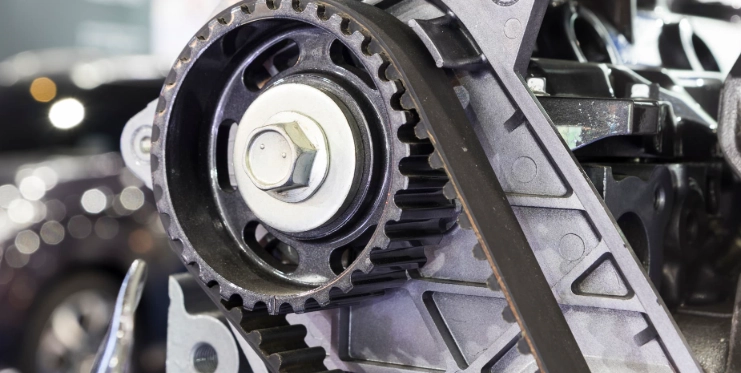
In the simplest terms, the timing belt's job is to be the orchestra conductor for your engine's internal dance. It's a reinforced rubber belt with teeth on the inside, and it synchronizes the rotation of the engine's crankshaft and camshaft(s). Why does that matter? The crankshaft is connected to the pistons (going up and down), and the camshaft controls the opening and closing of the valves (letting air/fuel in and exhaust out). If these two parts fall out of sync, the dance turns into a fight. The pistons and valves can collide, leading to what mechanics call "interference engine damage"—a fancy term for a repair bill that often totals the car.
Think of it like this: The crankshaft is the legs of a runner (pistons moving). The camshaft is the arms (valves opening/closing). The timing belt is the nervous system making sure the arms and legs move in perfect rhythm. If the rhythm is off, the runner trips and falls. In engine terms, that "trip" means bent valves, cracked pistons, and a world of hurt for your wallet.
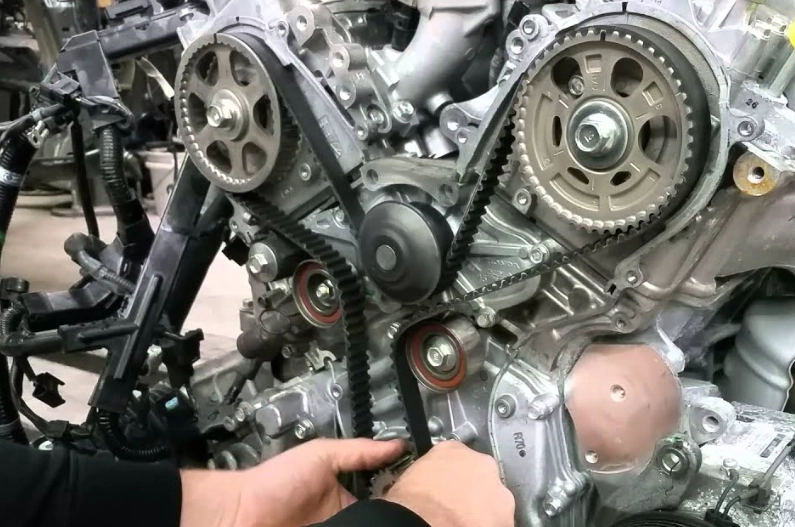
You won't find it easily; it's usually hidden behind a plastic cover on the front or side of the engine. Out of sight, out of mind—until it breaks. So, understanding what is the timing belt for isn't just trivia; it's preventative knowledge that can save you thousands.
Why Getting the "What" Right Matters: It's All About Prevention
Okay, so we know it synchronizes things. Big deal, right? Actually, it's a huge deal. Modern engines are precision machines. The tolerance between a piston at the top of its stroke and a valve fully open can be less than the thickness of a credit card. The timing belt is the only thing ensuring they never meet at the wrong time.
Here’s the kicker: the belt itself is relatively cheap. The labor to replace it is the main cost. But if you ignore it and it fails, you're not just paying for a new belt. You're paying for an engine rebuild or replacement. It's the ultimate "pay a little now or a lot later" scenario in car maintenance.
I learned this the hard way on an old Honda Civic I used to own. The manual said "inspect at 90,000 miles." I heard "inspect" and thought it was just a check. At 105,000 miles, on a highway on-ramp, the engine made a horrible clattering noise and died. The timing belt had shredded. In that particular interference engine, the valves and pistons had a meeting they shouldn't have. The repair cost was more than the car's value. That's the real answer to what is the timing belt for—it's for protecting your bank account from catastrophic failure.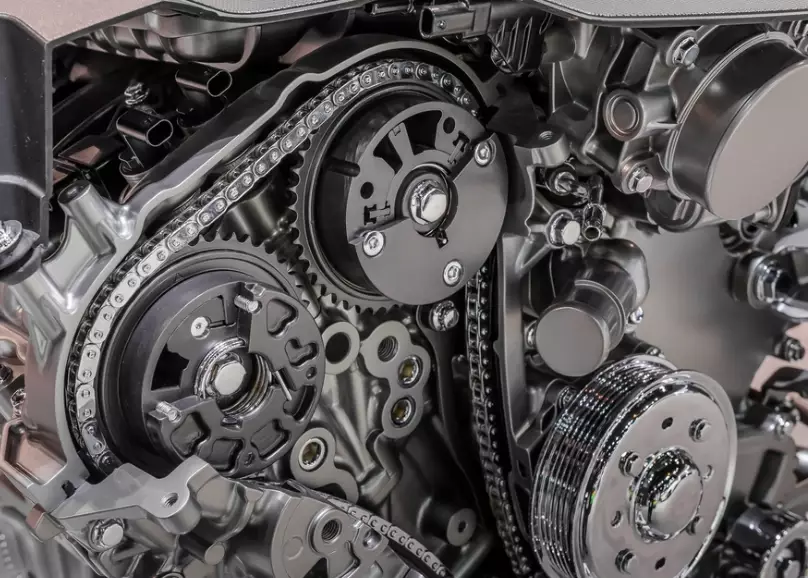
The Single Most Important Thing to Know: A timing belt shows almost no warning signs before it fails. Unlike brake pads that squeal or a tire that goes flat slowly, a timing belt typically works perfectly until the moment it snaps or jumps teeth. This is why adhering to the manufacturer's replacement interval is non-negotiable. It's not a suggestion; it's an expiration date.
How Do You Know It's Time? Symptoms and the Sacred Interval
Since catastrophic failure often comes without a loud warning, you have to be proactive. There are a few subtle hints, but mostly, you rely on mileage and time.
The Primary Sign: Your Car's Maintenance Schedule
This is your bible. Open your owner's manual. The replacement interval is usually between 60,000 and 100,000 miles. Some modern cars push it to 120,000 or even 150,000 miles. But here's a personal opinion based on my own paranoia: I wouldn't push past 100,000 miles no matter what the book says. Rubber ages, and heat cycles take their toll. High-mileage belts are a gamble.
Also, time is a factor. Most manufacturers recommend replacement every 5 to 7 years, regardless of mileage. Rubber degrades and gets brittle with age, even if the car just sits in a garage. A 10-year-old car with 40,000 miles likely needs its timing belt changed.
Secondary Symptoms (If You're Lucky)
Sometimes, you might get a heads-up. These signs mean stop driving and get it checked immediately.
- Ticking or clicking noise from the engine: This could be the belt starting to fray or a tensioner bearing going bad.
- Engine misfires or rough running: If the belt slips by even one tooth, the timing is off. The engine will run poorly because the valves are opening at the wrong time.
- Oil leaks from the front of the engine: The timing belt cover often shares a seal with the crankshaft. A leak here can soak the belt in oil, causing it to swell and deteriorate rapidly.
- Complete failure to start: If the belt breaks, the camshaft stops turning. No valves open, so the engine simply won't start. You'll just hear the starter motor cranking with no combustion.
The Big Decision: Timing Belt vs. Timing Chain
You might have heard some cars have a chain instead of a belt. What's the difference? A timing chain is made of metal, like a bicycle chain but heavier. It serves the exact same purpose—answering the core question of what is the timing belt (or chain) for—synchronization.
Here’s a quick comparison to clear things up:
| Feature | Timing Belt | Timing Chain |
|---|---|---|
| Material | Reinforced rubber with fiber cords | Metal links |
| Lifespan | 60,000 - 100,000+ miles / 5-7 years | Often designed to last the life of the engine (but not always) |
| Replacement Cost | Higher (major scheduled service) | Generally lower, but repair is complex if it fails |
| Noise | Quieter operation | Can be noisier (audible rattling if worn) |
| Common Failure | Sudden breakage or tooth jump | Stretching, guide wear, tensioner failure |
| Risk of Engine Damage | Very high if it breaks (in interference engines) | Lower, but still possible if it fails catastrophically |
Manufacturers use belts because they are cheaper, quieter, and lighter. They use chains for durability and perceived "lifetime" maintenance. The truth is, chains can and do fail, especially in some models known for guide issues. Don't assume a chain means you never have to think about it. Listen for unusual rattling from the front of the engine.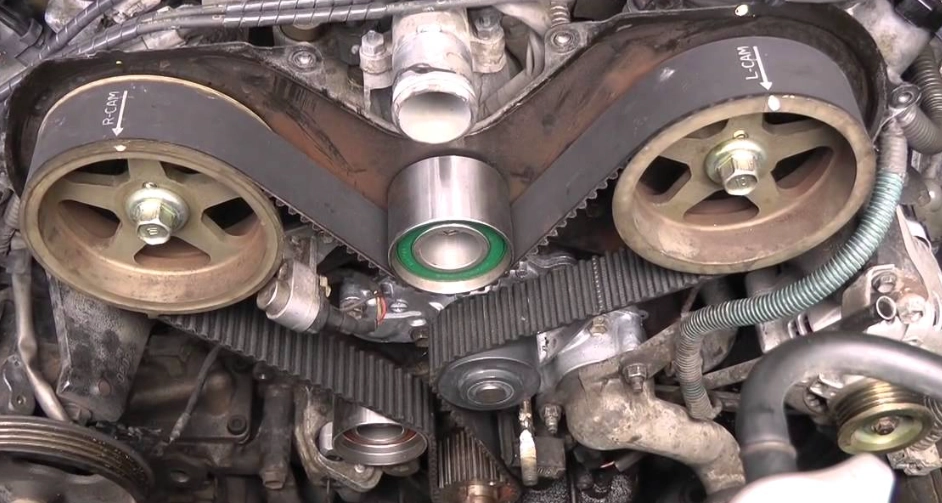
The Replacement Process: What You're Really Paying For
So, you've hit the mileage or seen a symptom. You call a shop and get a quote for $500, $800, even $1,200. Why so much for a belt that might cost $50? Because the job is labor-intensive and involves precision.
To get to the belt, the mechanic often has to remove:
- The accessory drive belts (for alternator, power steering)
- The engine mount(s) to create space
- The harmonic balancer/crankshaft pulley
- The entire timing cover
Then, they must lock the engine in time using special tools to ensure the camshaft and crankshaft are in the exact correct position before removing the old belt. Once the new belt is on, the tension must be set perfectly—too loose and it jumps teeth, too tight and it wears out prematurely.
The "While You're In There" List: This is critical. When the timing belt is off, several other components are exposed and just as old. Replacing them adds little to the labor cost since the mechanic is already there. Skipping them is a false economy. Always seriously consider replacing:
- Timing belt tensioner and idler pulleys: These bearings fail as often as the belt itself.
- Water pump: It's usually driven by the timing belt. If it fails later, you pay the same huge labor cost again to get back in.
- Front crankshaft and/or camshaft seals: Prevent future oil leaks onto your new belt.
This bundle is often called a "timing belt kit." Getting it all done at once is the smart play.
The cost varies wildly by car. A simple 4-cylinder economy car might be $400-$700. A transverse V6 where half the engine has to be dismantled can easily be $1,200-$2,000. It's not a cheap service, but compare it to a $4,000+ engine repair.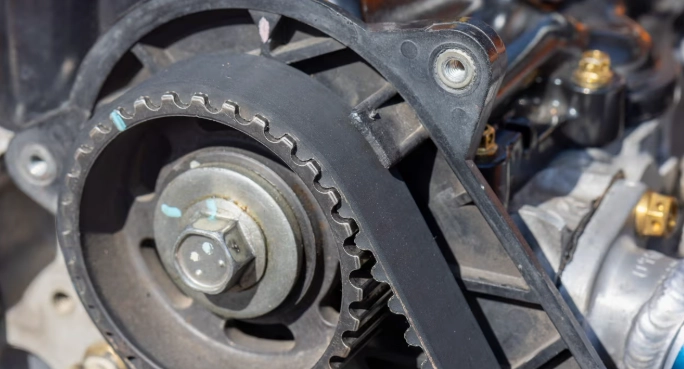
Common Questions That Pop Up (The Stuff You Actually Search)
Final Thoughts: Making Peace with the Inevitable
Understanding what is the timing belt for transforms it from a mysterious, expensive line item on a quote into a rational, essential part of responsible car ownership. It's not a scam. It's not a "maybe." It's the most important scheduled maintenance item on most cars.
My take? Budget for it. When you buy a used car with unknown history, assume it needs it done immediately and factor that into the price. Treat the replacement interval as law. The peace of mind knowing your engine's heartbeat is synchronized is worth every penny.
For ongoing maintenance tips and to understand how services like this fit into the bigger picture of car care, organizations like the Car Care Council provide great non-commercial resources and checklists. Remember, taking care of the unseen things, like the timing belt, is what keeps a car reliable for the long haul. Don't wait for the snap.