In This Guide
Let's cut straight to the chase. You're here because your car is acting up – maybe it's cranking but not starting, sputtering at high speeds, or just lost power altogether. You've Googled the symptoms, and everyone's pointing fingers at the fuel pump. Now the big question is staring you down: how much does it cost to replace a fuel pump?
The short, frustrating answer is: it depends. A lot. I wish I could give you one neat number, but in the world of car repairs, that's rarely how it works. I remember the first time I faced this with my old truck. The quotes I got were all over the map, and I had no idea why. Was someone trying to rip me off? Not necessarily.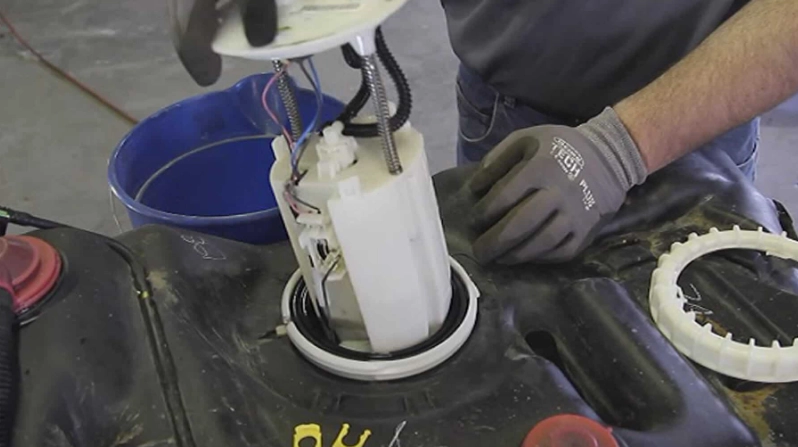
This guide is the deep dive I wish I'd had back then. We're not just going to throw a generic average at you. We're going to unpack everything that goes into that final number on the invoice. From the price of the part itself to the sometimes eye-watering labor charges, and all the little variables in between that mechanics know but customers often don't.
The Quick Range: For most common cars and trucks, the total cost to replace a fuel pump – parts and labor combined – typically falls between $400 and $1,200. On the very low end for a simple, older model where you do it yourself, you might see $200. On the high end for a luxury or performance vehicle at a dealership, it can soar past $2,000. The huge range is why understanding the breakdown is so crucial.
See, the fuel pump is this unsung hero buried in your fuel tank. It's working every second your engine is running. When it fails, it's a show-stopper. You're not going anywhere. So let's demystify the repair bill together.
Breaking Down the Bill: Parts vs. Labor
Every quote for a fuel pump replacement has two main components. Getting a handle on these is step one to not feeling lost.
The Fuel Pump Part Itself: A Game of Brands and Quality
This is where your first big decision comes in. The pump assembly isn't a generic, one-size-fits-all item. Prices vary wildly based on a few things.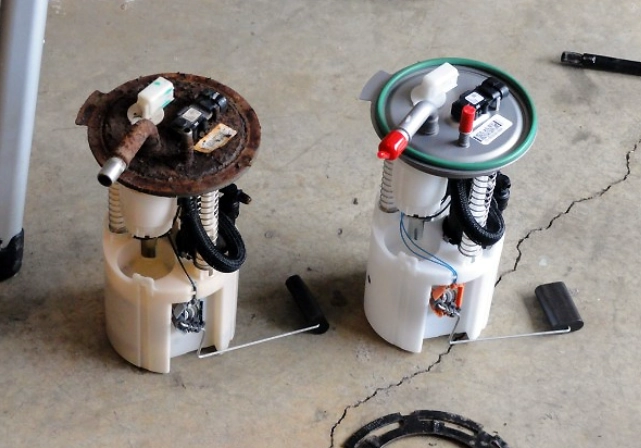
First, the brand. You have a spectrum:
- Original Equipment Manufacturer (OEM): This is the exact part that came with your car from the factory. It's sold through dealerships or their suppliers. It's the most expensive option, but it guarantees a perfect fit and performance. For a complex, safety-critical part like this, some people swear by OEM only.
- Premium Aftermarket (e.g., Bosch, Delphi, Denso): These are often the companies that actually supplied the OEM part to the carmaker! They sell the same or a very similar pump under their own brand, usually for 20-40% less. This is the sweet spot for many – high quality without the dealer markup.
- Standard Aftermarket/Economy: These are more affordable pumps that meet the specifications. Quality can be hit or miss. Sometimes they're perfectly fine for an older car you don't plan to keep forever. Other times, their lifespan is shorter. It's a bit of a gamble.
Second, what's included? Modern cars rarely have just a pump. It's usually a Fuel Pump Module Assembly. This includes the pump, the fuel level sender (that runs your gas gauge), the filter sock, and the plastic or metal housing that holds it all. Replacing the whole module is more expensive but often recommended, as the senders fail too. Some shops might offer just the pump “cartridge” if the housing is fine, which is cheaper.
Here's a rough table to give you an idea of part-only costs for different vehicle tiers. Remember, this is before any labor.
| Vehicle Type / Example | OEM Module (Part Only) | Premium Aftermarket (Part Only) | Economy Aftermarket (Part Only) |
|---|---|---|---|
| Common Sedan (e.g., Honda Civic, Toyota Camry) | $250 - $500 | $150 - $300 | $80 - $200 |
| Domestic Truck/SUV (e.g., Ford F-150, Chevy Tahoe) | $300 - $700 | $200 - $450 | $120 - $300 |
| European Luxury (e.g., BMW 3-Series, Audi A4) | $500 - $1,200+ | $350 - $800 | $200 - $500 (less common) |
| Performance Car (e.g., Mustang GT, WRX STI) | $400 - $1,000+ | $300 - $700 | Often not recommended |
The Labor Cost: It's All About Access (or the Lack Thereof)
This is the part that can make your jaw drop. Labor is frequently more than the part itself. Why? Because engineers often don't make mechanics' lives easy.
In many, many modern vehicles, the fuel pump is located inside the fuel tank. To get to it, a mechanic has to:
- Relieve the fuel system pressure (safely).
- Disconnect the battery (safety first).
- Often, drain or siphon out a significant amount of gasoline from the tank. Where does that fuel go? It has to be stored and disposed of properly, which adds a bit of time and environmental fee sometimes.
- Drop the entire fuel tank. This means supporting the tank, disconnecting fuel lines, electrical connectors, evap lines, and sometimes removing heat shields, exhaust components, or even parts of the rear suspension. It's a contortionist act on a lift.
- Unbolt and remove the pump assembly from the tank.
- Install the new unit and reverse the entire process, ensuring no leaks.
Book time for this job can range from 2.5 to 6+ hours of labor, depending on the vehicle. Multiply that by the shop's hourly rate ($80 to $150+ per hour, with dealerships at the top end), and you see how labor costs balloon.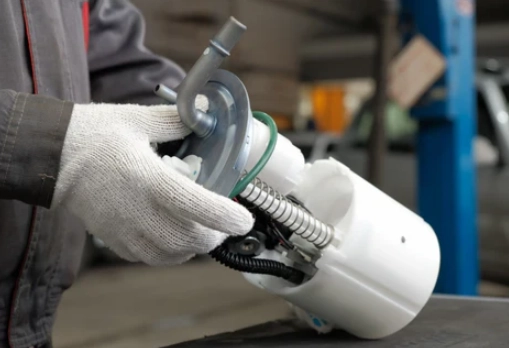
Some older cars or specific models have a service access panel under the rear seat or in the trunk floor. This is a mechanic's dream. It turns a 4-5 hour job into a 1-2 hour job, slashing the labor cost dramatically. Always ask if your car has one!
What Else Swings the Final Cost of Replacement?
Beyond the basic part and labor, several other factors can nudge that final number up or down.
Your Vehicle's Make, Model, and Year
This is the biggest variable. A pump for a common 2010 Honda Accord is mass-produced and cheap. A pump for a 2017 Land Rover with a special high-pressure direct injection system is a low-volume, complex part. It's simple economics. Also, newer cars often have more integrated electronics in the pump module, driving up cost.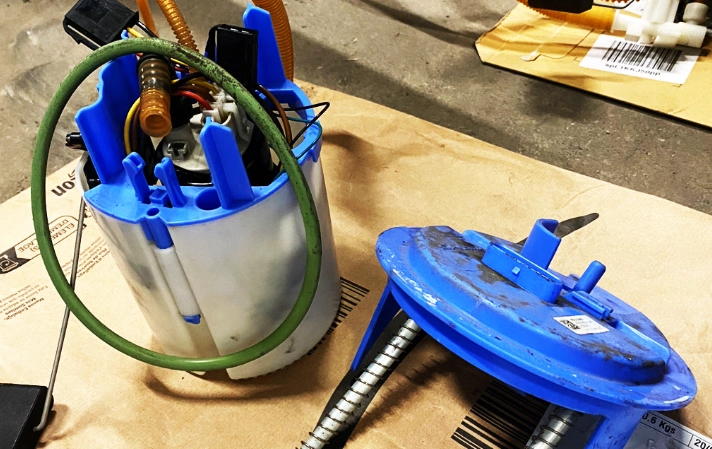
Where You Get the Work Done
- Dealership: Highest labor rates, OEM parts only. You're paying for factory-trained specialists and a guaranteed fit. The total cost to replace a fuel pump here is almost always the highest option.
- Independent Repair Shop: Usually the best balance. Lower labor rates, flexibility to use quality aftermarket parts, and experienced mechanics. This is where most people find the best value.
- National Chain (e.g., Meineke, Pep Boys): Prices can be competitive, and they often run coupons. Quality can vary by location. They may use specific branded aftermarket parts.
- DIY (Your Driveway): Cost = Parts + Tools + Your Time + Risk. If your car has an access panel, it's very doable for a seasoned DIYer. If you have to drop the tank, it's a major undertaking requiring jack stands, fuel line tools, and patience. A mistake with gasoline is no joke.
Geographic Location
Shop rates in downtown San Francisco or Manhattan are inherently higher than in a small town in the Midwest. Cost of living translates directly to cost of labor.
Additional Recommended Services
When the tank is open or down, it's smart (and often recommended) to replace other wear items. This adds to the bill but can save money later.
- Fuel Filter: If it's external and accessible, it should be replaced. If it's part of the pump module (common now), it's already new.
- Fuel Tank Seal/Gasket: The large O-ring that seals the pump to the tank. Always replaced with a new pump.
- “Why not?” Items: If you have an old car with a rusty fuel tank, the mechanic might discover the tank is compromised when it's out. A new tank adds several hundred dollars. It's a nasty surprise, but better to fix it while everything is apart.
Warning on “Too Good to Be True” Quotes: Be wary of a quote that seems drastically lower than others. They might be quoting for the pump cartridge only (not the full assembly), using the very cheapest part, or not factoring in all necessary labor (like fuel disposal). Always ask for a detailed, written estimate specifying the part brand and number and the labor operations included.
DIY vs. Professional: A Frank Comparison
So, should you try it yourself to save on labor? Let's lay out the reality.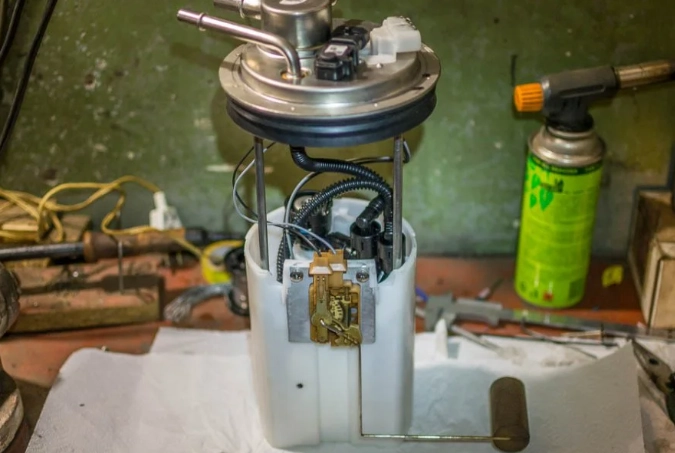
The DIY Case: If you're handy, have a good set of tools, and your vehicle has a service access panel, this job is very accessible. You can buy a quality aftermarket pump and do it for potentially under $300 total. The satisfaction is real. There are fantastic walkthroughs for specific models on forums and YouTube.
The Professional Case: For tanks that need dropping, the calculus changes. You need a safe, ventilated space, jack stands, a way to handle gallons of gasoline, and special tools for fuel line fittings (which can be plastic and brittle). The risk of causing a fuel leak or damaging other components is significant. Paying a pro for their expertise, warranty on labor, and liability insurance starts to look very reasonable.
I'll be honest: after my experience dropping the tank on my truck in my driveway—spilling a little gas, fighting with rusty bolts, and spending an entire Saturday—I now factor in the value of my time and frustration. For a complex job, I often call a pro.
Smart Ways to Save Money on This Repair
Even if you're not DIY-ing, you aren't powerless.
- Get Multiple Quotes: Not just prices, but detailed breakdowns. Ask: “Is this for the full assembly or just the pump? What brand part? Is there an access panel?” This makes you an informed customer.
- Source the Part Yourself (Carefully): Some shops allow you to bring your own part. You can shop online (RockAuto, reputable eBay sellers) for the best price on a Bosch or Delphi unit. Important: Clear this with the shop first, and understand their labor warranty will likely only cover their workmanship, not the part you supplied.
- Ask About Aftermarket Options: Simply saying, “Are there any quality aftermarket alternatives to the OEM part?” can open up a lower-cost option your mechanic trusts.
- Look for Coupons: National chains and some local shops regularly offer 10-20% off coupons or specials on fuel system services.
- Consider a Used Part? For very old or rare cars, a used pump from a salvage yard can be a last-resort option. It's a major gamble, as you have no idea of its remaining life. I generally don't recommend it for a pump.
Pro Tip: Before you commit, check for Technical Service Bulletins (TSBs) for your car. Sometimes a spate of fuel pump failures leads to a manufacturer's extended warranty or a revised part design. A quick search on the National Highway Traffic Safety Administration (NHTSA) website can tell you if your vehicle has any relevant recalls or investigations. It's a long shot, but worth 5 minutes.
Answers to Your Burning Questions (FAQs)
It's a big repair, but not a mysterious one.
Wrapping Up: Getting a Fair Deal
So, back to our central question: how much does it cost to replace a fuel pump? You now know it's a puzzle of part quality, labor complexity, and vehicle specifics. The national average might be $600-$800, but your situation is unique.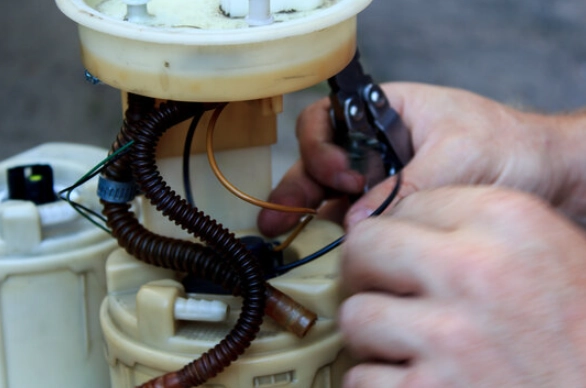
The key is to move from asking “how much?” to asking “why is it that much?”. Get a detailed estimate. Understand if you're paying for a 5-hour tank-drop labor or a 2-hour access panel job. Know whether the quote is for a full OE module or a basic pump.
It's a significant repair, but it's also a critical one for your car's health and your safety. A properly functioning fuel system is non-negotiable. By understanding the costs, you can have a confident conversation with your mechanic, choose the right balance of quality and value for your situation, and get back on the road without that sinking feeling that you might have overpaid.
Do your homework, ask the right questions, and you'll navigate this repair just fine.