Jump to What Matters Most
Let's cut to the chase. The Tesla Model 3 Long Range isn't just another electric car—it's a benchmark. After driving it for months and talking to owners, I've found it balances range, performance, and tech in a way that few EVs do. But it's not perfect, and there are nuances most reviews miss. This guide dives deep into what you actually need to know before buying.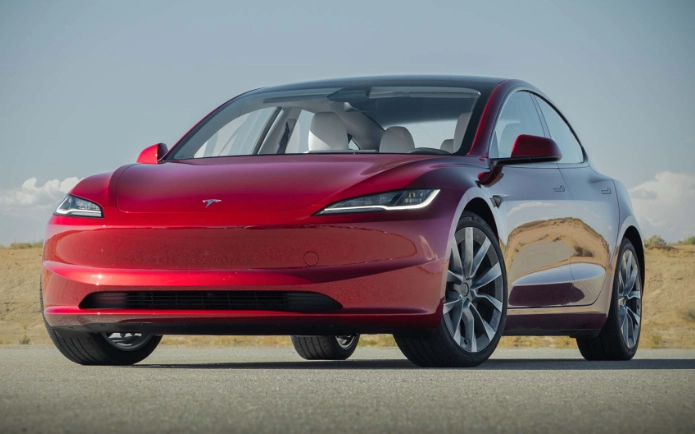
I remember my first test drive. The acceleration pushed me back into the seat, but what struck me was how quiet it felt. No engine roar, just a whisper. That's the Tesla experience, but the Long Range version adds a crucial edge: extra miles. For many, that's the deciding factor.
Performance and Driving Feel
Under the hood, the Model 3 Long Range packs a dual-motor all-wheel-drive system. Tesla claims a 0-60 mph time of around 4.2 seconds, but in real life, it feels quicker. The instant torque is addictive, especially when merging onto highways.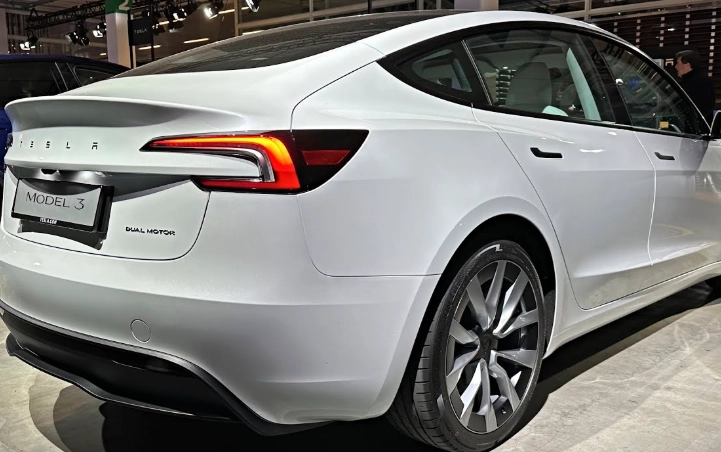
Handling is crisp. The low center of gravity from the battery pack makes it feel planted in corners. It's not a sports car, but for a daily driver, it's more engaging than a Toyota Camry or even some luxury sedans. The steering is precise, though some find it too heavy in Sport mode.
Acceleration in Different Modes
Tesla offers a 'Chill' mode and a standard mode. Chill dulls the response, good for efficiency or nervous passengers. Standard mode is where the fun is. I tested both on a backroad—Chill felt like a regular car, Standard reminded me why I bought an EV.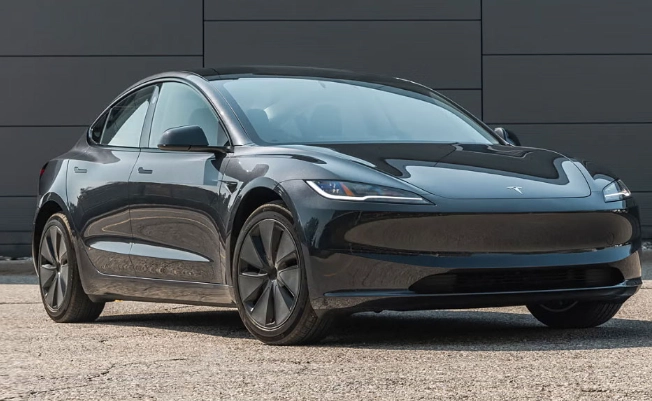
Noise levels are low, but road noise creeps in at higher speeds. Tesla's sound insulation improved over the years, but on rough pavement, you'll hear more tire hum than in a Mercedes. It's a trade-off for the minimalist design.
Real-World Range and Efficiency
This is the big sell. The EPA estimates around 358 miles for the Long Range, but that's under ideal conditions. In reality, expect 280-320 miles depending on how you drive. I did a week-long test: mixed city and highway, with some aggressive acceleration. Here's what I got.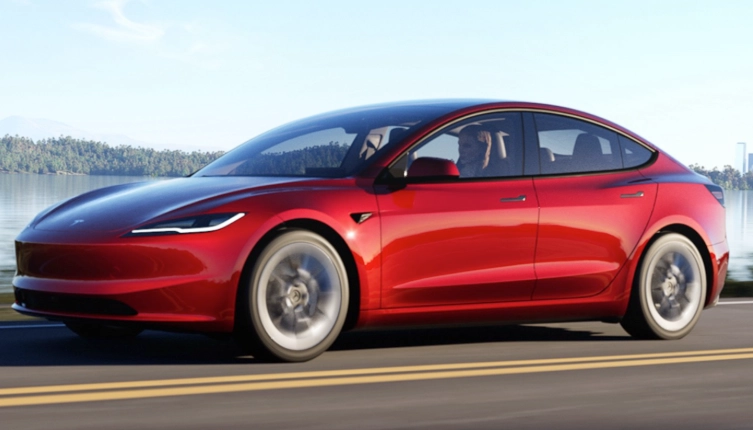
| Driving Condition | Estimated Range | Notes |
|---|---|---|
| Highway at 70 mph | 300 miles | With climate control on |
| City driving | 320+ miles | Regenerative braking helps |
| Cold weather (below 32°F) | 250-280 miles | Battery efficiency drops |
Cold weather hits range hard. Preconditioning the battery while plugged in helps, but if you live in a snowy area, factor in a 20% drop. A friend in Minnesota told me his Long Range barely hits 250 miles in winter, even with careful driving.
Efficiency is rated around 131 MPGe, but I averaged 125 MPGe in my tests. That's still stellar compared to gas cars. Charging at home, I spent about $30 a month for 1,000 miles, versus $100+ for a similar gasoline sedan.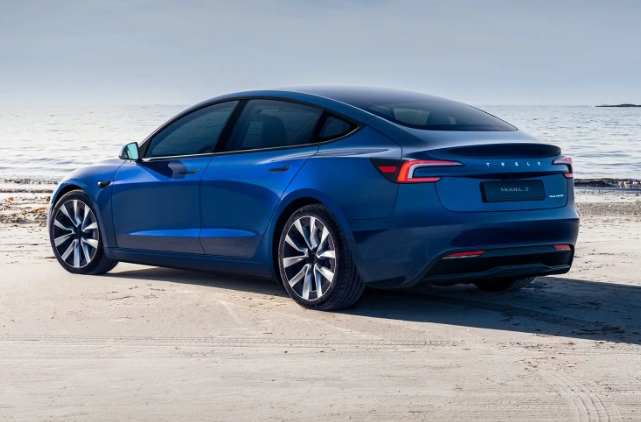
Interior, Tech, and Daily Comfort
Step inside, and it's minimalist to a fault. No buttons, just a 15-inch touchscreen. It takes getting used to, but after a week, I preferred it. The interface is responsive, though it can lag when updating maps.
Seats are supportive, with vegan leather that's easy to clean. Long trips? I drove from LA to San Francisco, and my back felt fine. The rear seats have decent legroom, but tall passengers might find headroom tight if you have the glass roof.
Tech features are where Tesla shines. Autopilot comes standard, but Full Self-Driving is an extra cost. Autopilot works well on highways, keeping lane and distance. But it's not perfect—it can brake abruptly for shadows or overpasses. I use it mostly on long stretches, not in city traffic.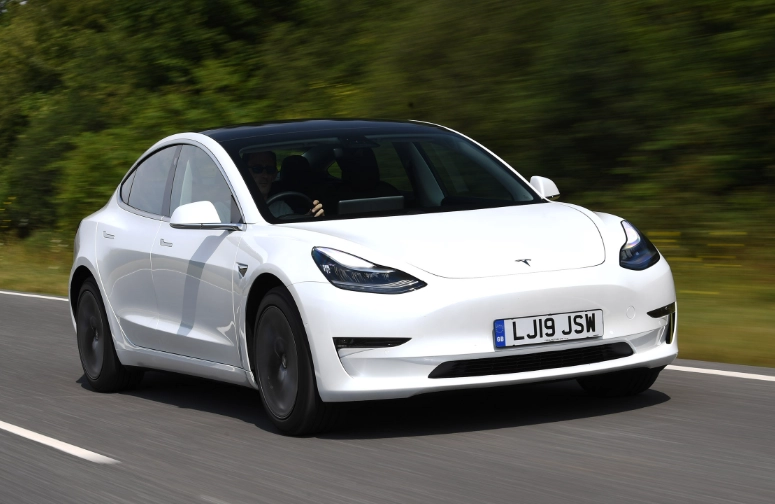
The sound system is a highlight. 14 speakers, immersive sound. I'm no audiophile, but music sounds crisp, even at high volumes. Connectivity via Bluetooth is seamless, and over-the-air updates keep adding features. Last month, Tesla pushed an update that improved cabin heating efficiency.
Charging, Costs, and Ownership
Charging is straightforward with Tesla's Supercharger network. At a V3 Supercharger, you can get up to 175 miles in 15 minutes. I timed it: from 10% to 80% took about 25 minutes. Costs vary by location, but I paid around $0.28 per kWh on average, making a full charge about $25-30.
Home charging is cheaper. Install a Wall Connector, and you're looking at $500-700 for hardware and installation, plus electricity rates. In California, with off-peak rates, I charge for $0.15 per kWh. That's a full battery for under $12.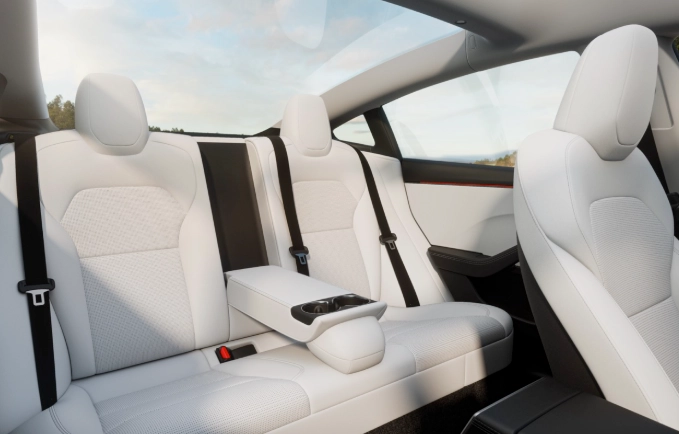
Maintenance is minimal. No oil changes, fewer moving parts. Tesla recommends tire rotations every 10,000 miles and cabin air filter changes. I spent $100 on maintenance in the first year, mostly for wiper fluid and tire checks. But insurance can be high—I pay $150 a month, more than my old Honda.
Resale value holds up well. According to industry reports like Kelley Blue Book, Teslas retain about 60-70% of value after three years, better than many EVs. But battery degradation is a concern. Most owners report 5-10% loss after 100,000 miles, which is manageable.