Your Tire Repair Roadmap
- Can Your Tire Actually Be Repaired? The Yes, No, and Maybe
- How a Professional Tire Repair is Done (The Right Way)
- Costs, Warranties, and What You're Really Paying For
- The Safety Angle: What the Experts and Regulators Say
- Your Tire Repair Questions, Answered
- Making the Decision: A Simple Flowchart for Your Brain
- Beyond the Repair: Keeping Your Tires Happy
- Wrapping It Up: Smart, Safe, and Savvy
Let's talk about that sinking feeling. You're driving along, maybe humming to the radio, and then you hear it. That dreaded thump-thump-thump or the sudden pull to one side. A flat tire. It’s one of the most common car problems out there, and honestly, it never happens at a good time. The immediate question that pops into your head isn't usually complex—it's simply, "Can this tire be fixed?"
I've been there. I once tried a DIY tire repair on an old sedan with a cheap gas station plug kit. Let's just say it didn't end well; the plug leaked slowly over a week until I was back to square one with a soft tire. That experience taught me the hard way that there's a right way and a very wrong way to handle a puncture.
This guide is everything I wish I'd known. We're going to cut through the marketing fluff and mechanic jargon. We'll look at when a tire repair is a smart, safe choice and when it's a gamble you shouldn't take. We'll break down the actual methods the pros use (and the ones they avoid), talk real costs, and answer the questions you're actually typing into Google at 10 PM when you're worried about your tire.
Can Your Tire Actually Be Repaired? The Yes, No, and Maybe
This is the million-dollar question. Not every puncture is created equal, and slapping a plug in every hole is a recipe for trouble. The repair industry and safety bodies have pretty clear guidelines on this.
The rule of thumb revolves around the "repairable zone." Imagine your tire's tread. Now, draw an imaginary line from the top of the tread down the sidewall. The repairable zone is the central 3/4ths of the tread area. Punctures here, if they're the right size, are usually good candidates.
When a Tire Repair is NOT an Option (The Hard No's):
- Sidewall Damage: Any cut, bubble (which indicates internal separation), or puncture in the sidewall. The sidewall flexes constantly, and a repair here will fail. It's a major safety risk.
- Shoulder Damage: The area where the tread meets the sidewall. It undergoes too much stress and flex for a reliable fix.
- Massive Damage: A gash or hole larger than 1/4 inch (about 6mm). Most reputable standards, like those from the Rubber Manufacturers Association (RMA), set this as the upper limit.
- Internal Damage: If the puncture caused damage to the internal belts or the tire's structure is compromised. A professional inspection is needed to determine this.
- Worn-Out Tires: If the tread is already near or below the legal wear limit (2/32 of an inch in most places), repairing a puncture is penny-wise and pound-foolish. The tire is due for replacement anyway.
So, what gets a green light? A clean, straight puncture (like from a nail or screw) smack in the middle of the tread, that's 1/4 inch or smaller. That's the ideal candidate for a proper tire repair.
How a Professional Tire Repair is Done (The Right Way)
Forget what you saw in a YouTube video of someone jamming a sticky string into a hole. A proper, long-lasting, and safe repair is a two-part process. It's often called a "plug-patch" or a "combination repair." Here’s what actually happens when you take your car to a reputable shop: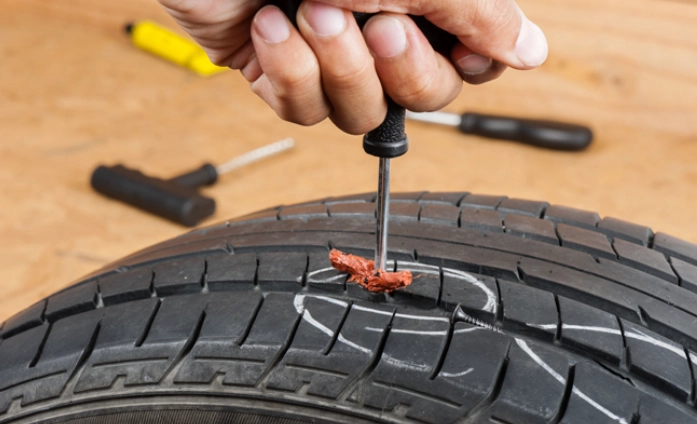
- The Tire Comes Off the Rim: This is non-negotiable. Any shop that says they can do a proper repair without demounting the tire is cutting corners. The interior must be inspected for hidden damage.
- Internal Inspection: The technician cleans the inner liner and thoroughly examines the area around the puncture. They're looking for any secondary damage, separation, or moisture contamination.
- The Hole is Prepared: A special rasp tool is inserted from the inside to clean and buff the puncture channel. This creates a clean surface for the repair material to bond to.
- The Plug-Patch is Installed: This is the key piece. It's a single unit with a stem (the plug) and a patch head. The stem is pulled through the puncture channel from the inside, and the patch head is vulcanized (chemically bonded) to the inner liner of the tire. This seals the channel and the inner surface.
- Re-inflation and Balancing: The tire is remounted, inflated to the proper pressure, and the wheel assembly is rebalanced. A puncture and repair can throw off the wheel's balance, causing vibration if not corrected.
This method addresses the leak from both inside and out. The RMA and other industry groups endorse this as the only reliable repair method for radial tires. You can read more about their specific guidelines on the U.S. Tire Manufacturers Association (USTMA) website.
DIY Kits vs. Professional Repair: A Frank Comparison
So, you're stranded with a flat and you have a $20 emergency kit from the auto parts store. Should you use it? Let's be real.
| Aspect | DIY "String" or "Bacon Strip" Plug Kit | Professional Plug-Patch Repair |
|---|---|---|
| Method | Insert a sticky rubber string into the puncture from the outside. No tire removal. | Tire is demounted. A combination plug-patch is applied from the inside after proper preparation. |
| Best For | Emergency, temporary get-you-home fixes. Short-term use on tread punctures. | Permanent, reliable, and safe repairs for qualifying punctures. |
| Longevity & Safety | Questionable. The seal is only in the puncture channel, which can leak or work loose over time. No internal seal. | Designed to last the life of the tire's remaining tread when done correctly. Seals internally and externally. |
| Cost | $10 - $30 for the kit. | Usually $20 - $50 per tire, plus potential balancing costs. |
| Verdict | A useful roadside band-aid, not a cure. Plan to get a proper repair ASAP. | The industry-standard, recommended method for a reason. It's the only repair many shops will guarantee. |
My take? A DIY plug kit is a fantastic thing to have in your trunk for emergencies. It can turn a tow truck call into a slow drive to the nearest shop. But it is not a substitute for a proper internal tire repair. If you use one, mark it on your calendar and get to a professional within a few days to have it assessed and likely replaced with a proper patch.
Costs, Warranties, and What You're Really Paying For
Let's talk money. The cost for a professional tire repair can vary wildly. A small independent shop might charge $15, while a dealership might ask for $50 or more. Why the difference?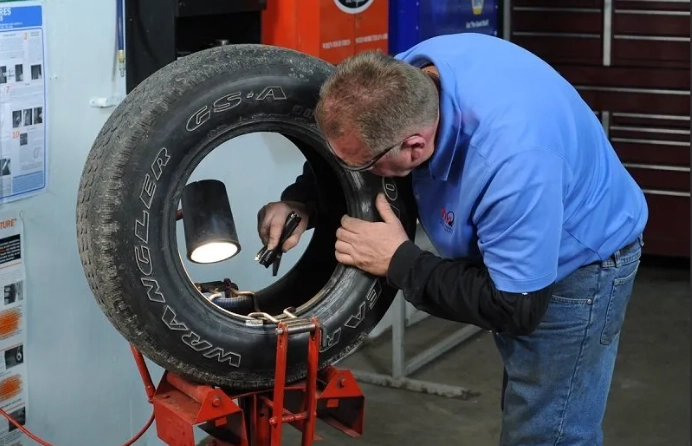
Usually, you're paying for the guarantee and the process. A shop doing it right (demounting, inspecting, using a proper plug-patch, balancing) has more labor and material costs. That $15 special might be just an external plug, which as we know, isn't the gold standard.
Pro Tip: Always ask, "Is this an internal patch repair?" when calling for a price. If they hesitate or say they just plug it from the outside, consider going elsewhere. A few extra dollars for the right repair is worth the peace of mind.
Many national tire chains (like Discount Tire/America's Tire) offer free flat repairs, even if you didn't buy the tires from them. It's a legendary customer service policy. They do this to inspect the tire properly and, of course, in the hopes of earning your future business. It's an amazing deal if you have one nearby.
What about warranties? A proper repair from a reputable shop should come with some guarantee—often matching the remaining tread life of the tire. A DIY plug? You're on your own.
The Safety Angle: What the Experts and Regulators Say
This isn't just about convenience; it's about safety. A failed tire repair can lead to a slow leak (leaving you stranded again) or, in a worst-case scenario, a sudden blowout at high speed.
Organizations like the National Highway Traffic Safety Administration (NHTSA) don't specifically regulate repair procedures, but they emphasize tire maintenance as critical for vehicle safety. Improper repairs are a form of poor maintenance.
The guidelines from the RMA/USTMA, which we've mentioned, are developed by the tire manufacturers themselves. They know the limits of their products. Following their guidelines isn't just a suggestion; it's the blueprint for a repair that won't compromise the tire's integrity.
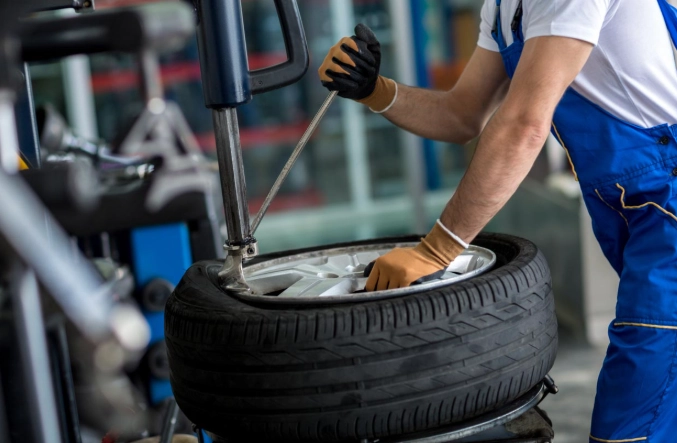 Think of it this way: you're trusting that patch to hold against 30+ pounds of pressure per square inch, thousands of times a minute, in all weather conditions. You want it done right.
Your Tire Repair Questions, Answered
Can I repair a tire with a nail in the sidewall?
No. This is the most critical rule. Sidewall repairs are not safe. The flexing forces are too great for any repair to handle reliably. The tire needs to be replaced.
How long can I drive on a DIY plug?
You shouldn't. A DIY plug is for emergency use only to reach a repair facility. I wouldn't trust one for more than 100 miles or a few days, max. Get it professionally evaluated immediately.
Is it better to repair a tire or just replace it?
If the puncture is in the repairable zone, the tire has sufficient tread left, and the damage is minor, a proper repair is absolutely the economical and sensible choice. Replacing a single tire can be expensive and cause issues with all-wheel-drive systems if the tread depth doesn't match the others.
Does a tire repair affect my speed rating or warranty?
A properly executed repair should not void the tire's manufacturer warranty for defects in workmanship or materials. However, the repair itself is only as good as the technician who performed it. Most manufacturers state that a proper repair does not necessarily affect the speed rating, but it's wise to avoid sustained high speeds on a repaired tire if you can help it.
Can run-flat tires be repaired?
This is a hot topic. Some tire manufacturers say yes, if specific procedures are followed. Others say no, due to the potential for internal damage after being driven deflated. Always check the tire manufacturer's specific policy. Many shops are hesitant to repair run-flats because of the liability.
Making the Decision: A Simple Flowchart for Your Brain
Okay, let's simplify all this. You've got a flat. What now?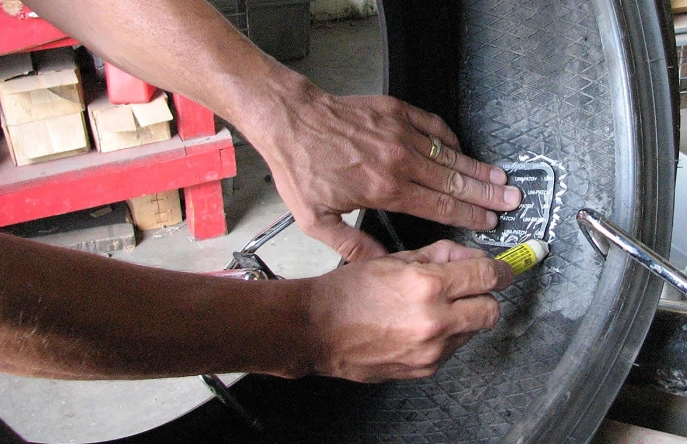
- Locate the Puncture: Find the nail, screw, or hole.
- Check the Location:
- Is it in the sidewall or shoulder? → Replace the tire.
- Is it a huge rip or gash? → Replace the tire.
- Is it a small hole in the central tread? → Proceed.
- Check Tread Depth: Is the tire already bald or nearly bald? → Replace the tire. If it's got plenty of life left...
- Choose Your Path:
- Emergency/Stranded: Use a DIY plug kit or inflator to get to a shop.
- At Home/Shop Nearby: Put on the spare or call for a tow to a professional tire shop.
- At the Shop: Request (and confirm they will perform) an internal plug-patch repair. Have them balance the wheel.
Beyond the Repair: Keeping Your Tires Happy
A good tire repair gets you back in action, but preventing the next one is even better. It's not just luck.
- Check Pressures Monthly: Underinflated tires run hotter, wear faster, and are more susceptible to damage from potholes and road hazards. Use the PSI number on your driver's door jamb, not the tire sidewall.
- Rotate Regularly: Every 5,000-8,000 miles. It promotes even wear, which means more miles before replacement.
- Visual Inspections: When you check air, give your tires a quick look. Check for nails, unusual wear patterns, cuts, or bulges. Catching a nail early before it works its way in can save you a repair.
- Mind the Road: Construction zones, areas with lots of debris, and poorly maintained roads are puncture hotspots. Slow down a bit if you can't avoid them.
Wrapping It Up: Smart, Safe, and Savvy
Dealing with a flat tire is frustrating, but it doesn't have to be a crisis or a huge financial hit. The key is knowledge. Knowing that a proper tire repair for the right kind of damage is a safe, standard, and cost-effective solution. Knowing that a sidewall puncture means a new tire, no matter how much you wish it weren't so. Knowing that the sticky string in your trunk is a temporary lifeline, not a permanent fix.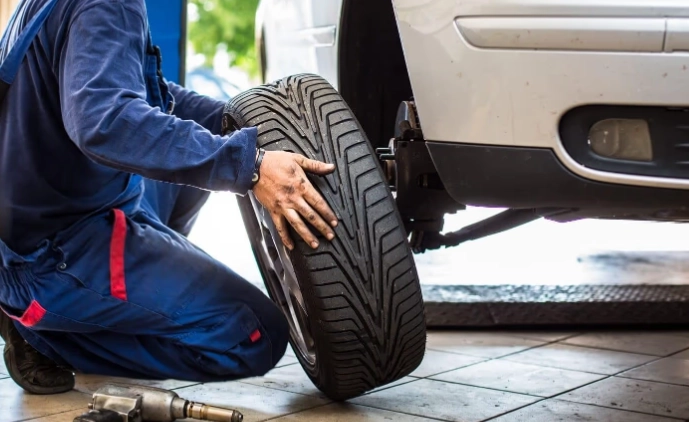
Your tires are the only part of your car touching the road. Their condition matters—for your wallet, your schedule, and most importantly, your safety. When in doubt, lean towards caution and consult a professional you trust. A good tire technician would rather tell you to replace a tire than risk putting you back on the road with an unsafe repair.
So next time you hear that ominous thump, take a breath. Assess the situation. Use the info here. You've got this.