Quick Navigation
- Why Bother? What Actually Happens During an Oil Change?
- The Million-Dollar Question: How Often Should I Change My Oil?
- Oil Types 101: Synthetic, Conventional, and the Blended Truth
- Top Signs You're Overdue for an Oil Change
- The DIY Oil Change: A Step-by-Step Reality Check
- Getting a Professional Oil Change: Where to Go and What to Expect
- Common Oil Change Myths Debunked (Once and For All)
- Beyond the Basics: Pro Tips from the Garage
- FAQs: Your Oil Change Questions, Answered
- The Final Word
Let's be honest. For most of us, an oil change is about as exciting as watching paint dry. It's one of those chores you know you gotta do, but you keep putting it off. I get it. I've been there. I once pushed an old Honda Civic way past its recommended interval, convincing myself the engine noise was just "character." Spoiler alert: it wasn't. That repair bill taught me a very expensive lesson.
So, I'm writing this guide not as a robotic manual, but as someone who's messed up, learned from mechanics who've seen it all, and now wants to save you the headache (and the cash). We're going to cut through the marketing fluff and the old wives' tales. Whether you're a new driver, a DIY enthusiast, or someone who just wants to understand what the mechanic is talking about, this is for you.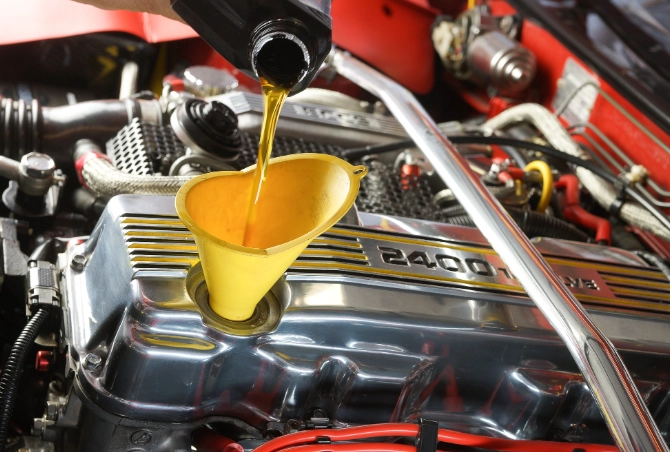
Think of this as your one-stop shop for everything oil change related. We'll cover the why, the when, the how, and the how much. We'll talk about doing it yourself versus paying someone, the different types of oil (and why it matters), and we'll bust some myths wide open.
Why Bother? What Actually Happens During an Oil Change?
Imagine your car's engine is like a giant, metal heart. It has dozens of metal parts moving at insane speeds, rubbing against each other thousands of times a minute. Friction creates heat. Heat destroys metal.
Engine oil is the blood. Its job isn't just to lubricate. It's a multi-tasking superhero:
- Lubrication: It creates a slippery film between moving parts, preventing metal-on-metal grinding.
- Cooling: It absorbs heat from the combustion chamber and critical components, carrying it away to the oil pan where it can dissipate.
- Cleaning: Detergents and dispersants in the oil grab onto soot, metal shavings, and combustion byproducts, holding them in suspension so they don't gun up your engine.
- Sealing: It helps seal the tiny gaps between piston rings and cylinder walls, maintaining compression.
- Protection: Additives fight corrosion and oxidation, keeping internal parts from rusting.
Over time, this superhero gets tired. The additives wear out. The oil gets dirty and sludgy. It breaks down and loses its viscosity (its thickness). When that happens, it can't do its jobs effectively. That's when wear accelerates. That's when you get expensive problems.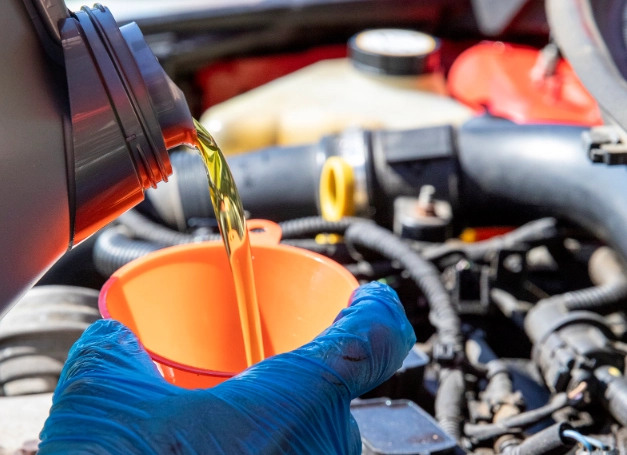
So, the oil change process is simple: you drain out this tired, contaminated, broken-down fluid and replace it with fresh, fully-formulated oil. You also replace the oil filter—a critical part most people forget about. The filter is like the oil's kidney, trapping contaminants. If you don't change it, you're just pumping dirty oil through a dirty filter. Pointless.
The Million-Dollar Question: How Often Should I Change My Oil?
Here's where things get confusing, and where a lot of bad advice gets passed around. Your granddad swore by "every 3,000 miles or 3 months." That was gospel for decades. But is it still true?
For most modern cars, no, it's not. That rule is outdated. Car technology and oil technology have both leaped forward.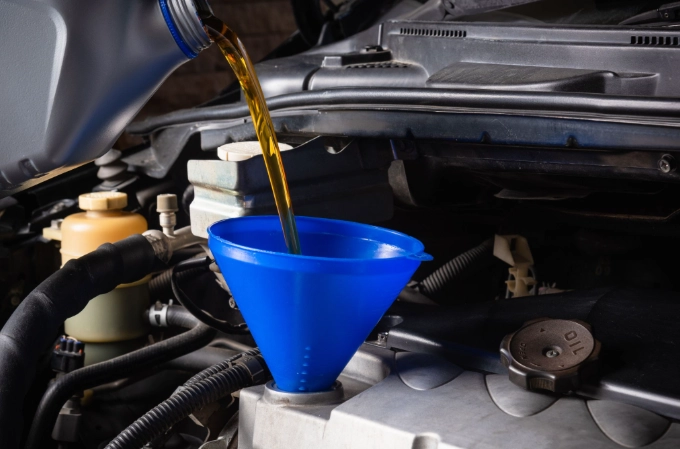
The real answer? It depends. Annoying, I know. But it's the truth. Here’s what it depends on:
1. What Your Car's Manual Says: This is your starting point, your bible. Seriously, go find it. Most modern cars recommend intervals between 7,500 and 10,000 miles for normal driving conditions when using synthetic oil. Some European models even go 15,000 miles or more. The engineers who built your car know best. Start there.
2. Your Driving Conditions (The "Severe Service" Schedule): This is the kicker. Your owner's manual has a "normal" schedule and a "severe" schedule. You're probably in the "severe" category and don't realize it. Check this list:
- Frequent short trips (less than 10 miles, especially in cold weather). The engine never gets fully warm, so moisture and contaminants don't burn off.
- Stop-and-go traffic or lots of idling.
- Driving in extremely hot or dusty conditions.
- Towing a trailer, carrying heavy loads, or using roof racks frequently.
- Driving on rough, muddy, or salted roads.
If any of those sound familiar, you should follow the more frequent "severe service" interval, which is often closer to that old 3,000-5,000 mile mark. My own commute is a bunch of short trips, so I change mine at 5,000 miles, even though the manual says 7,500.
3. The Type of Oil You Use: Conventional oil breaks down faster than synthetic. We'll get into types next, but if you're using conventional, you'll need more frequent changes.
What about the oil change reminder light? Most modern cars have an oil life monitoring system. It doesn't just count miles; it uses algorithms based on engine temperature, RPM, load, and other factors to estimate the oil's actual condition. It's pretty smart. You can usually trust it more than a rigid mileage number, but it's not infallible. I use mine as a guide, but if I know I've been doing a lot of "severe" driving, I'll change it before the light comes on.
Oil Types 101: Synthetic, Conventional, and the Blended Truth
Walking into an auto parts store can be overwhelming. Rows and rows of bottles with different labels and wild claims. Let's simplify it.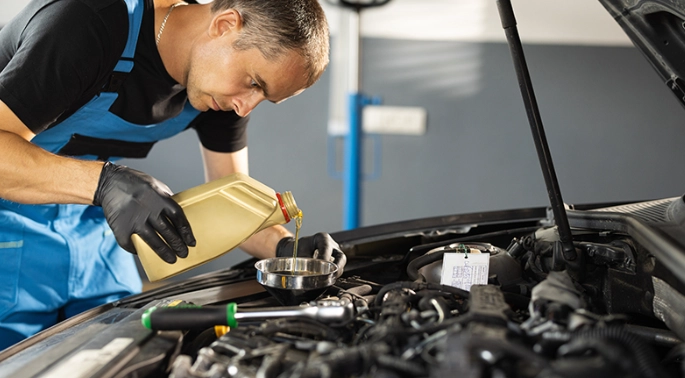
| Oil Type | What It Is | Best For... | Typical Change Interval | My Take |
|---|---|---|---|---|
| Conventional Oil | Refined directly from crude oil. The traditional choice. | Older cars with simple engine designs, very low-mileage drivers on a tight budget. | 3,000 - 5,000 miles | It gets the job done, but it's like using basic cooking oil versus extra virgin olive oil. It breaks down faster, especially under heat. |
| Synthetic Blend | A mix of conventional and synthetic base oils. | Drivers who want a step up from conventional without the full synthetic price. Good for SUVs/trucks. | 5,000 - 7,500 miles | A solid middle-ground. Offers better protection than conventional, especially in temperature extremes, for a moderate cost. |
| Full Synthetic Oil | Artificially engineered from chemical compounds. Molecules are more uniform and stable. | Almost every modern car. High-performance engines, turbocharged/supercharged engines, extreme temperatures, and anyone wanting maximum protection. | 7,500 - 15,000+ miles (check manual!) | This is what I use in all my cars now. The extra cost per change is minimal compared to the engine protection and potential for longer intervals. It flows better in cold starts, which is when most engine wear happens. |
| High-Mileage Synthetic | Full synthetic with added seal conditioners and anti-wear additives. | Cars with over 75,000 miles. Can help reduce oil consumption and quiet noisy lifters. | Same as full synthetic. | If your older car is starting to seep a little oil or sounds a bit ticky, this can be a worthwhile upgrade. It's not magic, but it can help. |
So, which one should you pick?
First, check your manual again. Some carmakers (cough certain German brands cough) are very specific about requiring a synthetic oil that meets a particular standard (like API SP or a manufacturer-specific spec). Using the wrong oil can, in rare cases, void your warranty.
If your manual gives you a choice, I lean heavily towards full synthetic for any car made in the last 15-20 years. The price difference for an oil change might be $20-$30, but you're buying significantly better protection and potentially going longer between changes. It's cheap insurance.
One myth to kill right now: You cannot "switch back" from synthetic to conventional. That's nonsense. They are perfectly compatible. You can mix them in a pinch (though it's not ideal). The idea that synthetic will cause leaks in an old engine is largely a myth from early synthetic formulas decades ago. If an old engine leaks with synthetic, it was already on the verge of leaking—the thinner, cleaner synthetic oil just finds the weak spots faster.
Top Signs You're Overdue for an Oil Change
Don't wait for a catastrophic failure. Your car will talk to you. You just have to listen.
The Dashboard Oil Light: This is not a "check when you get home" light. This is usually the oil pressure light. It means pressure is dangerously low, often due to low oil level or severely degraded oil. Pull over safely and shut the engine off immediately to prevent damage.
Dark, Gritty Oil: Fresh oil is amber and translucent. Dip your finger in it; it should feel slippery, not gritty. Old oil turns dark brown or black. That's normal from soot. But if it's thick, sludgy, or has a burnt smell, it's way past due.
Increased Engine Noise: More knocking, ticking, or rumbling, especially when starting up. This is the sound of increased metal-on-metal contact.
Oil Smell Inside the Car: If you smell oil or exhaust fumes in the cabin, it could mean an oil leak is dripping onto a hot engine part. Get it checked.
Exhaust Smoke: While some blue-ish smoke on startup can indicate other issues, excessive smoke can be a sign of oil burning in the combustion chamber.
Poor Fuel Economy: A struggling, poorly lubricated engine has to work harder, using more fuel.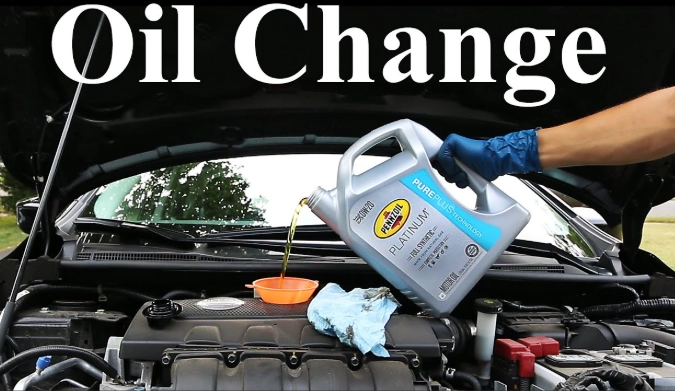
The DIY Oil Change: A Step-by-Step Reality Check
Changing your own oil can be satisfying and save you some money. But it's not for everyone. Let's walk through what it really takes, warts and all.
What You'll Need:
- The correct amount and type of oil (check manual for grade, e.g., 5W-30).
- The correct oil filter (ask at the parts store).
- A socket wrench set (for the drain plug).
- An oil filter wrench (the strap kind is versatile).
- A drain pan (at least 6-quart capacity).
- Jack and jack stands, or car ramps. NEVER rely on just a jack.
- Funnel, rags, and gloves (oil is messy).
The Basic Steps:
- Run the engine for 5 minutes. Warm oil drains more completely and carries more contaminants with it.
- Safely lift the car and secure it. This is the most dangerous part. Use jack stands on solid, level ground. Double-check stability.
- Place drain pan, remove drain plug. It's usually on the bottom of the oil pan. It will be hot! Let it drain fully.
- Remove the old oil filter. It will be full of oil, so hold the drain pan under it. Sometimes they're on stupidly tight. This is where the swearing usually happens.
- Prep the new filter. Lightly coat the rubber gasket on the new filter with fresh oil. This ensures a good seal. Screw it on hand-tight only. Do not overtighten!
- Replace drain plug. Use a new crush washer if your plug has one. Tighten to spec if you know it, or just firm—don't strip the threads.
- Add new oil. Use the funnel. Add about ¾ of the recommended amount, then check the dipstick. Add slowly until you reach the "full" mark.
- Start the engine. Let it run for a minute. The oil light should go out. Check for leaks around the filter and drain plug.
- Check oil level again after the engine has been off for a few minutes and top up if needed.
- Dispose of the old oil properly. This is non-negotiable. Pour it from the drain pan into the empty oil bottles. Take it to any auto parts store, repair shop, or hazardous waste facility. They recycle it for free. Dumping it is illegal and terrible for the environment.
The Reality: DIY saves you the labor cost (usually $30-$50). But you have to buy the oil and filter at retail prices, which are often higher than what a shop pays. You need tools and a place to do it. You have to deal with the mess and waste disposal. For many people, the convenience of having it done professionally is worth the extra cost.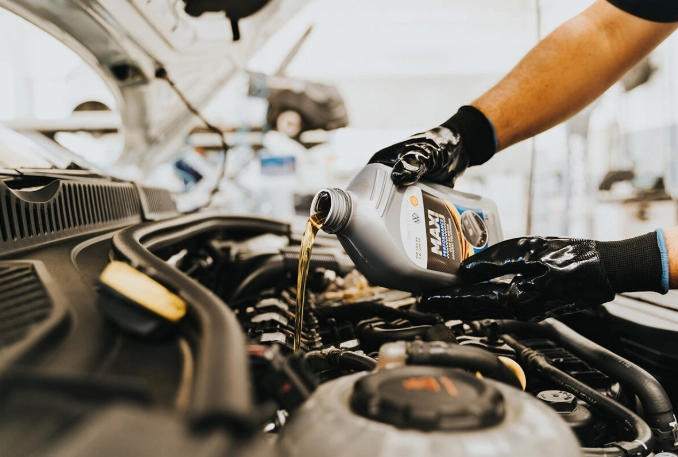
Getting a Professional Oil Change: Where to Go and What to Expect
If DIY isn't your thing, you have options. They're not all created equal.
The Dealership: They know your specific car inside and out. They'll use the exact oil spec recommended by the manufacturer. They'll often do a multi-point inspection and reset your maintenance reminder. This is the most expensive option, but it's good for newer cars under warranty. I use the dealer for my first few changes on a new car.
Quick Lube/Express Oil Change Shops: Fast, convenient, and competitively priced. This is where you need to be most vigilant. Upselling is their business model. They'll show you a dirty air filter (that might not be yours) and recommend flushes your car doesn't need.
Independent Mechanic Shops: Often the best value. You build a relationship with a trusted professional. They're less likely to push unnecessary services because they want your long-term business for bigger repairs. The price is usually between the dealer and the quick lube.
What Should a Professional Oil Change Cost? It varies wildly by location, oil type, and car.
- Conventional Oil Change: $35 - $50
- Synthetic Blend Oil Change: $50 - $70
- Full Synthetic Oil Change: $70 - $120+ (for high-performance or luxury cars requiring special oil)
Always ask for the total price upfront, including all fees and taxes. Ask specifically what brand and grade of oil they're using. A reputable shop won't mind telling you.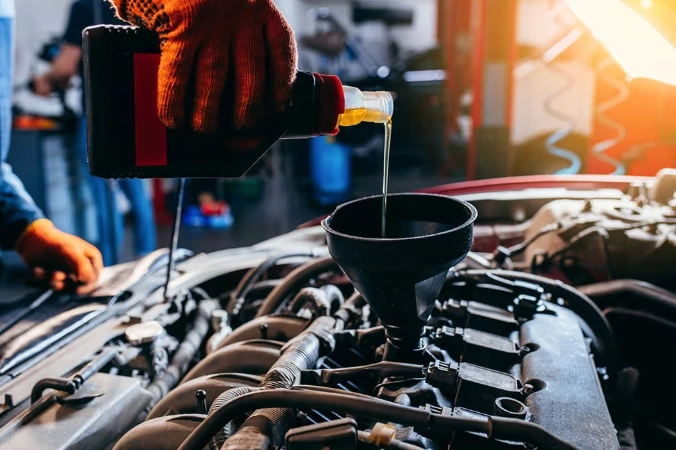
Common Oil Change Myths Debunked (Once and For All)
Myth 1: You must change your oil immediately after the first 1,000 miles on a new car.
Truth: Modern manufacturing is light-years ahead. Most manufacturers say this is unnecessary and to follow the regular maintenance schedule. Some high-performance engines might recommend it, but for your average Toyota or Honda? Follow the manual.
Myth 2: Oil additives or "engine treatments" are a good idea.
Truth: Modern engine oil is a meticulously balanced cocktail of chemicals. Dumping in an additive can throw that balance off, potentially reducing effectiveness. The American Petroleum Institute (API), which sets oil standards, advises against them. If you want better oil, just buy a higher-quality oil to begin with. You can read more about oil standards on the API website.
Myth 3: If I don't drive much, I don't need to change the oil.
Truth: As mentioned, oil breaks down over time due to condensation and acid buildup. Annual changes are a minimum, even for garage queens.
Myth 4: Dark oil means it's bad and needs to be changed.
Truth: Oil darkens quickly as it does its job of cleaning. Dark color alone isn't a reliable indicator. Feel and smell are better clues.
Beyond the Basics: Pro Tips from the Garage
Here are a few things most guides don't tell you, straight from mechanics I've known.
- Keep Records. Write the date, mileage, and oil type/filter brand used on a sticker in your engine bay or in your phone's notes. This is invaluable if you sell the car or if a problem arises.
- Check for Leaks After a Change. Whether you did it or a shop did it, park over a clean piece of cardboard overnight. A few drops might be runoff, but a puddle means a loose drain plug or filter.
- The Filter Matters. Don't buy the absolute cheapest filter. A good filter has a robust anti-drainback valve (to prevent dry starts) and proper filtering media. Brands like Wix, Mann, or OEM filters are solid choices.
- Consider the Environment. Used motor oil is a major pollutant. Recycling it isn't just good practice; it's essential. One gallon of used oil can contaminate one million gallons of fresh water. The U.S. Environmental Protection Agency has resources on proper management of used oil here.
FAQs: Your Oil Change Questions, Answered
The Final Word
An oil change isn't glamorous. It won't make your car faster or shinier. But it is the single most important routine maintenance task you can perform for the long-term health of your engine.
Forget the old 3,000-mile rule. Read your manual. Understand your driving conditions. Choose a good quality oil (I'm team synthetic). Change the filter every time. And whether you do it yourself or pay a professional, do it consistently.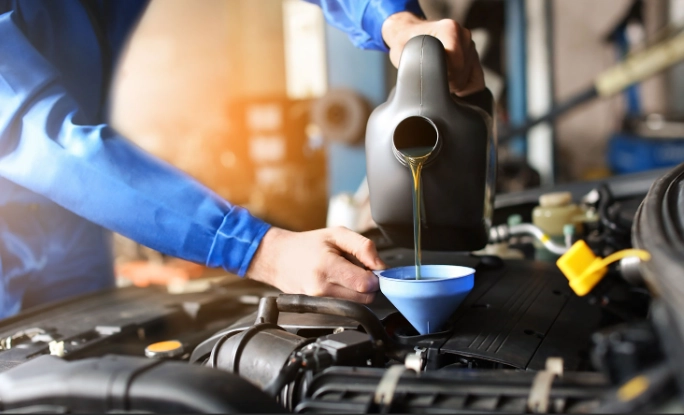
Think of it this way: that $70 you spend on a full synthetic oil change today could prevent a $4,000 engine replacement down the road. When you look at it like that, it's not a chore. It's the cheapest insurance policy your car will ever have.
Now go check your dipstick.