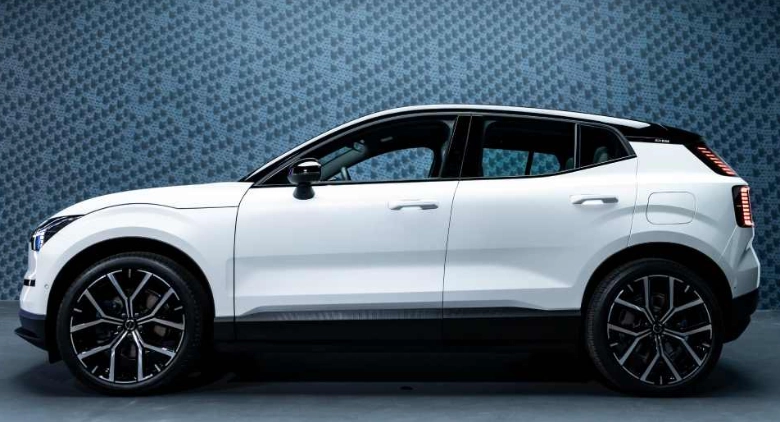
Let's talk about the Volvo EX30 range. It's the first question everyone asks about this little electric SUV. 275 miles? 265 miles? What does that actually mean for your daily commute, road trips, or when it's freezing outside? I've spent years testing EVs, and the gap between the official number and what you get in the real world is where the real story is. The EX30 is positioned as an accessible, urban-friendly EV, but its range specs suggest it wants to play in the big leagues too. We're going to cut through the marketing and look at what the EX30's electric range really offers, how different conditions slash those numbers, and most importantly, how you can get the most out of it. Forget the brochure—this is what you need to know before you sign on the dotted line.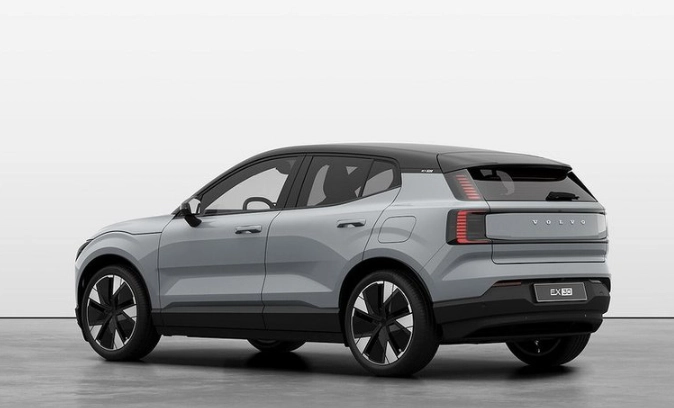
What's Inside This Guide
The Official Range Numbers Explained
Volvo offers the EX30 in a few configurations, and the range varies significantly based on the powertrain you choose. The EPA estimates are your starting point, but they're derived from a specific test cycle that doesn't mirror most people's driving.
| Model & Drivetrain | Battery Size | EPA Est. Range | Key Note |
|---|---|---|---|
| Single Motor Extended Range (RWD) | 69 kWh (usable) | 275 miles | The range champion. Uses a lithium-ion NMC battery. |
| Single Motor Core/Plus (RWD) | 64 kWh (usable) | 265 miles | Uses a lithium iron phosphate (LFP) battery. Better longevity, slightly less energy density. |
| Twin Motor Performance (AWD) | 69 kWh (usable) | 265 miles | The extra motor adds power but also consumption, trimming range. |
Here's a nuance most reviews miss: the choice between LFP and NMC batteries isn't just about chemistry. The LFP battery in the base model is more durable over time and can be routinely charged to 100% without significant degradation worries. The NMC battery in the Extended Range version, while offering more capacity, has more optimal charging limits (typically 80-90% for daily use). For your actual daily driven range, this charging buffer can effectively narrow the gap between the two.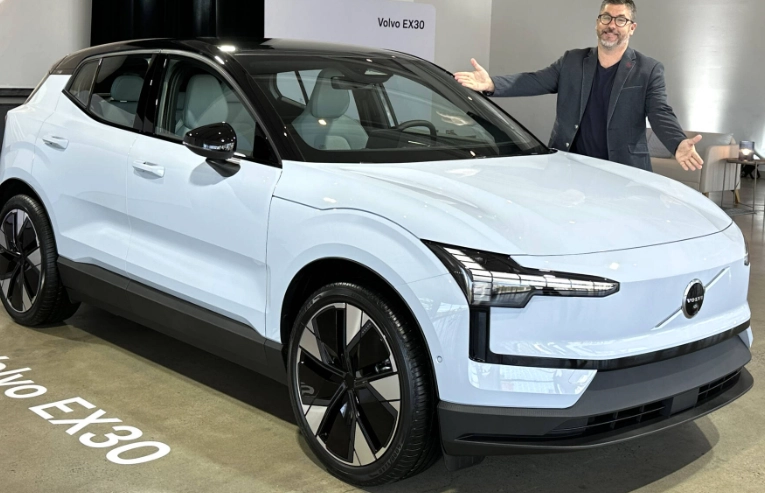
Real-World Range: City, Highway & Winter
EPA numbers are a benchmark, not a promise. Based on data from similar EVs and industry testing methodologies, here’s a more practical breakdown of what to expect from the 275-mile Single Motor Extended Range model in different scenarios.
Real-World Estimate: In mixed driving (a bit of city, a bit of highway), a realistic expectation is 240-255 miles on a full charge in mild weather (60-75°F). Now, let's break that down further.
Stop-and-Go City Driving
This is where the EX30 shines. Its relatively modest size and weight, combined with efficient regenerative braking, mean you could actually meet or exceed the EPA estimate in pure urban conditions. Frequent stopping allows the regen system to recapture energy. If your world is mostly city streets under 45 mph, the range anxiety is minimal.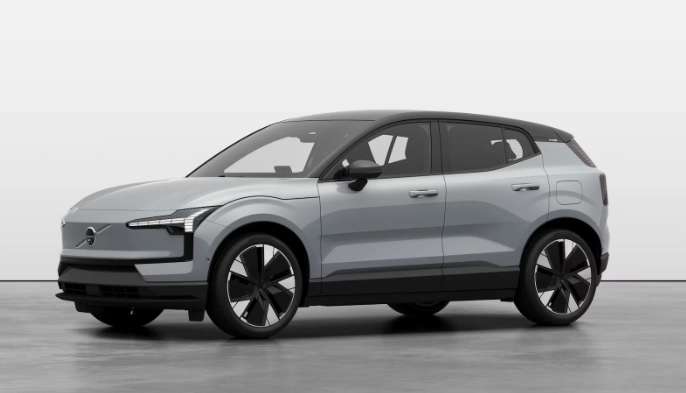
Highway Cruising at 70-75 mph
This is the range killer for every EV, and the EX30 is no exception. Aerodynamic drag increases exponentially with speed. At a steady 75 mph, expect the range to drop by 18-22%. That 275-mile estimate can quickly become 215-225 miles. It's still perfectly fine for most intercity trips, but it's a crucial planning factor. Using the adaptive cruise control can help optimize efficiency.
Cold Weather Impact (Below 40°F)
Winter is the great equalizer. Cold batteries are less efficient, and cabin heating is a massive energy drain. A common mistake is blasting the heat at max. In freezing temps (32°F), you could see a 25-30% reduction in range. That 275 miles might translate to 190-205 miles. The heat pump, which is standard on Plus and Ultra trims, mitigates this somewhat by being more efficient than traditional resistive heaters.
My personal rule of thumb after a brutal Chicago winter with an EV: Take the EPA estimate, subtract 20% for highway driving, then subtract another 15% if it's very cold. That's your conservative, no-surprises planning range.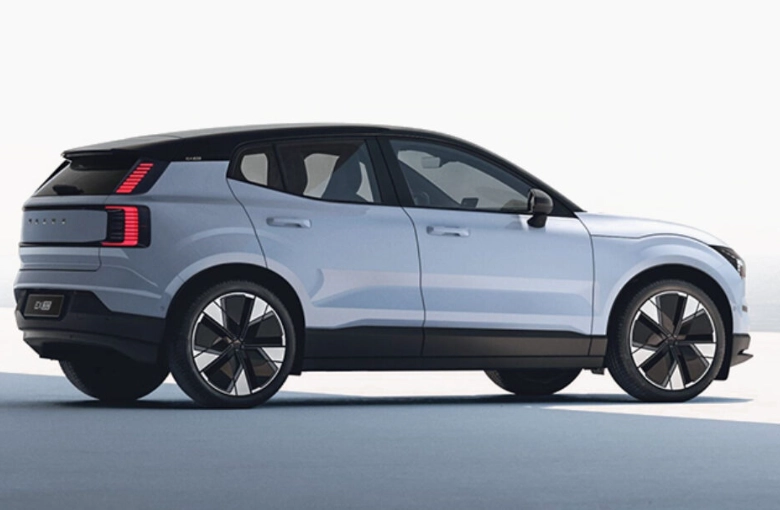
How to Maximize Your EX30's Range
Getting the advertised range isn't about luck; it's about technique. Here are actionable tips that go beyond "drive slower."
Master the One-Pedal Drive: The EX30's strong regenerative braking is your best friend. By lifting off the accelerator early and letting the car slow itself, you're pumping energy back into the battery. It becomes second nature and can add meaningful miles over a journey.
Preconditioning is Non-Negotiable: This is the expert move. Use the Volvo Cars app to precondition the cabin while the car is still plugged in before you leave. On a cold morning, this heats the seats and steering wheel using grid power, not the battery. You'll start with a toasty cabin and a warm, more efficient battery pack, saving a huge chunk of range.
Think About Your Tires: The stock low-rolling-resistance tires are chosen for efficiency. Swapping to aggressive all-season or winter tires will increase consumption. Keep them properly inflated—under-inflated tires are a silent range thief.
Climate Control Strategy: Use the seat and steering wheel heaters first. They use far less energy than heating the entire cabin air. Set the cabin temp to a comfortable but not balmy level, like 68°F instead of 72°F.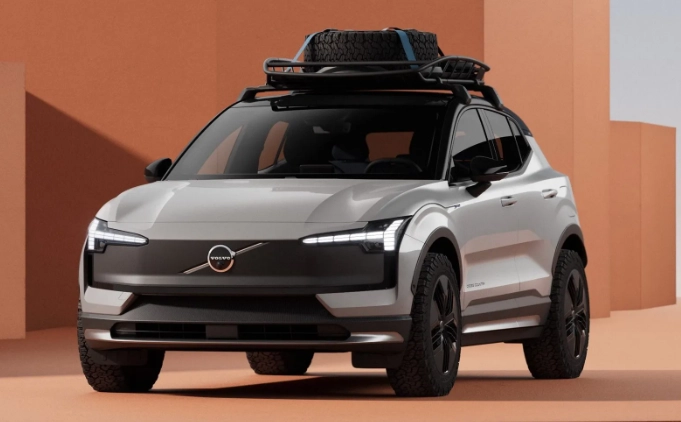
Charging Speed & Practicality
Range isn't just about how far you go, but how quickly you can get back to full. The EX30 supports up to 153 kW DC fast charging. Volvo claims a 10-80% charge in about 26 minutes.
That's a good number on paper. In practice, charging speed depends heavily on the charger's capability and the battery's state. At a busy 150 kW station, you might see peaks around 130-140 kW if the battery is warm and at a low state of charge. But the curve will taper as it fills up. A more realistic expectation for a 10-80% stop is 30-35 minutes, which is enough time for a coffee and restroom break on a road trip.
For home charging, the onboard charger is 11 kW AC (3-phase). On a typical US 240V Level 2 home charger (around 9.6 kW), you can add about 30-35 miles of range per hour of charging. Overnight, it's easy to replenish even a heavy day's use.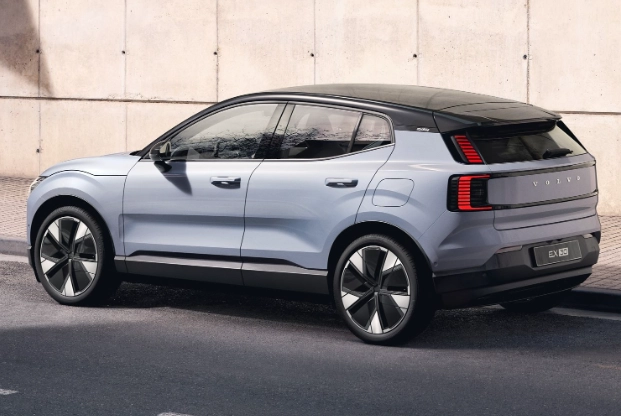
Who is the EX30's Range Really For?
The EX30's range profile makes it an ideal candidate for specific lifestyles.
The Urban/Suburban Commuter: If your daily round-trip is under 60 miles, you'll charge once a week or less. The range is massive overkill in the best way, reducing charging hassle to a minimum.
The Two-Car Household: As a secondary vehicle for city errands, school runs, and daily commuting, it's nearly perfect. The occasional longer trip is well within its capability with one fast-charging stop.
The Cautious First-Time EV Buyer: That 275-mile number is a powerful psychological comfort blanket. It effectively eliminates daily range anxiety, allowing new EV owners to adapt without stress.
It's less ideal for the driver who regularly does 250+ mile highway journeys multiple times a month. While doable, the frequency of charging stops (every 2-2.5 hours of driving) would become a noticeable routine compared to a gas car.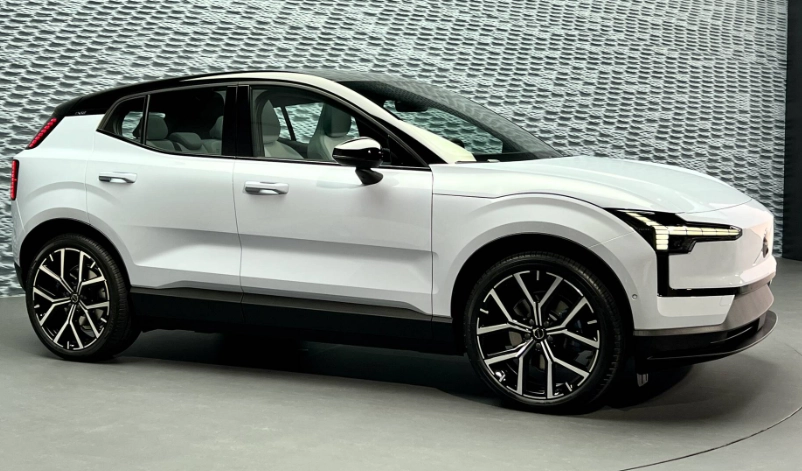
Your EX30 Range Questions, Answered
How much does using the heater or air conditioning actually reduce the Volvo EX30's range?
It's significant, but heating is the bigger culprit. In summer, running the A/C might trim 5-10% off your range. In winter, using the cabin heater at high settings can consume 25-30% more energy, directly cutting 50-80 miles from a full charge. This is why preconditioning on plug and using seat heaters are so critical—they can cut that penalty in half.
Is the Volvo EX30's range good enough for a 300-mile road trip?
Yes, but it requires one planned stop. A 300-mile trip in a 275-mile range EV means you'll need to fast charge at least once. Assuming you start at 100%, you'd drive about 200-220 miles (accounting for highway speed), then stop for a 20-25 minute charge to get enough to reach your destination. It adds time, but it's a natural break. Use apps like PlugShare or ABRP (A Better Routeplanner) to plan your stop around amenities.
What's the real difference between the 265-mile and 275-mile EX30 range versions?
Beyond the 10-mile EPA difference, the bigger distinction is battery chemistry and charging habit. The 265-mile version has an LFP battery that's happy being charged to 100% every day, so its usable daily range might be higher. The 275-mile version has an NMC battery where you're advised to charge to 80-90% for daily health, making its real-world daily range similar. Choose the LFP for simplicity and battery longevity, or the NMC for slightly faster charging and maximum range on the rare occasion you need a 100% charge for a long trip.
How accurate is the EX30's remaining range estimate on the dashboard?
Most modern EVs, including Volvos, have "smart" estimators that adjust based on recent driving habits. If you've just been blasting down the highway, the estimate will drop. If you've been in city traffic, it might rise. It's generally reliable for the next 30-50 miles but treat it as a dynamic guide, not a fixed guarantee. Always plan your charging with a 10-15% buffer.
Does the Twin Motor Performance model's range drop a lot if I don't drive it hard?
Not really. The second motor adds weight and inherent energy loss, which is why its EPA rating is lower. However, during gentle cruising, the front motor can decouple to reduce drag. The bigger hit comes when you use that thrilling acceleration—launching from stoplights will drain the battery noticeably faster. If you drive it calmly, you'll see consumption close to, but still slightly higher than, the single-motor models.